



What is Bhakti Tradition?
The Bhakti Tradition is a devotional approach within Hinduism that centers on cultivating intimate, loving relationship with a personal deity through practices of devotion (bhakti) rather than through elaborate rituals, caste hierarchy, or intellectual study alone. Bhakti emphasizes the mutual intense emotional attachment and love of a devotee toward a personal god and of the god for the devotee, offering an accessible spiritual path focused on the heart’s direct connection to the Divine. Practitioners may direct their devotion toward Vishnu, Krishna, Rama, Shiva, Devi, or other deities, or toward formless divinity. The tradition arose as both a spiritual practice and a social movement, challenging rigid orthodoxy and making spirituality accessible across caste, gender, and educational boundaries.
Origins & Lineage
Bhakti arose in South India in the 7th to 10th centuries in poems that the Alvars and the Nayanars composed in Tamil to the gods Vishnu and Shiva, respectively. The Alvars lived between the 5th and 9th centuries CE, and according to tradition numbered twelve poet-saints devoted to Vishnu; the Nayanars were 63 poet-saints devoted to Shiva. Their hymns, collectively known as the Divya Prabandham, are considered sacred texts in Vaishnavism, while the Nayanar hymns formed the backbone of Shaiva Siddhanta tradition.
The Bhakti Movement that originated in South India (Tamilakam) in the 7th century CE was a significant spiritual and social movement. Early sources suggest bhakti as a concept appears in the Shvetashvatara Upanishad and is central to the Bhagavad Gita (c. 200 BCE–200 CE), where Krishna describes bhakti yoga as one of three paths to liberation. The earliest writers from the 7th to 10th centuries who are known to have influenced the movements driven by poet-saints include Sambandar, Tirunavukkarasar, Sundarar, Nammalvar, Adi Shankara, Manikkavacakar and Nathamuni. Several 11th- and 12th-century writers developed different philosophies within the Vedanta school of Hinduism that were influential to the Bhakti tradition in medieval India, and they include Ramanuja, Madhva, Vallabha and Nimbarka.
The movement spread northward by the 12th century. It swept over east and north India from the 15th century onwards, reaching its zenith between the 15th and 17th century CE. Northern saints included Kabir, Mirabai, Tulsidas, Ramananda, Chaitanya Mahaprabhu, Guru Nanak (founder of Sikhism), and many others who composed devotional poetry in vernacular languages—Hindi, Marathi, Bengali, Punjabi—rather than Sanskrit, democratizing access to spiritual teachings.
How It’s Practiced
Bhakti practice takes many forms but centers on direct, emotional engagement with the Divine. Core practices include:
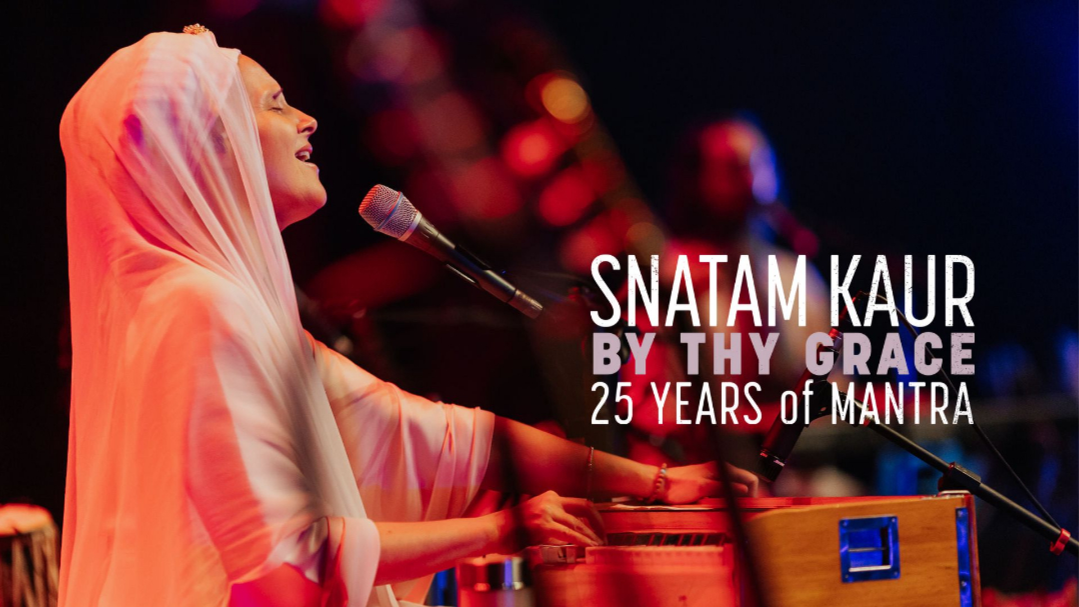
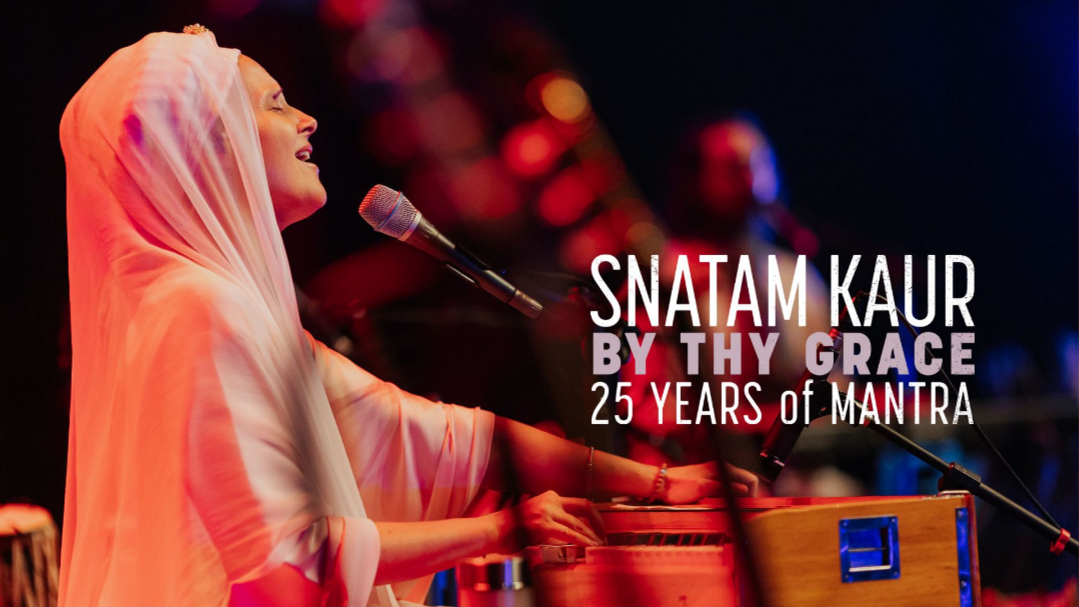
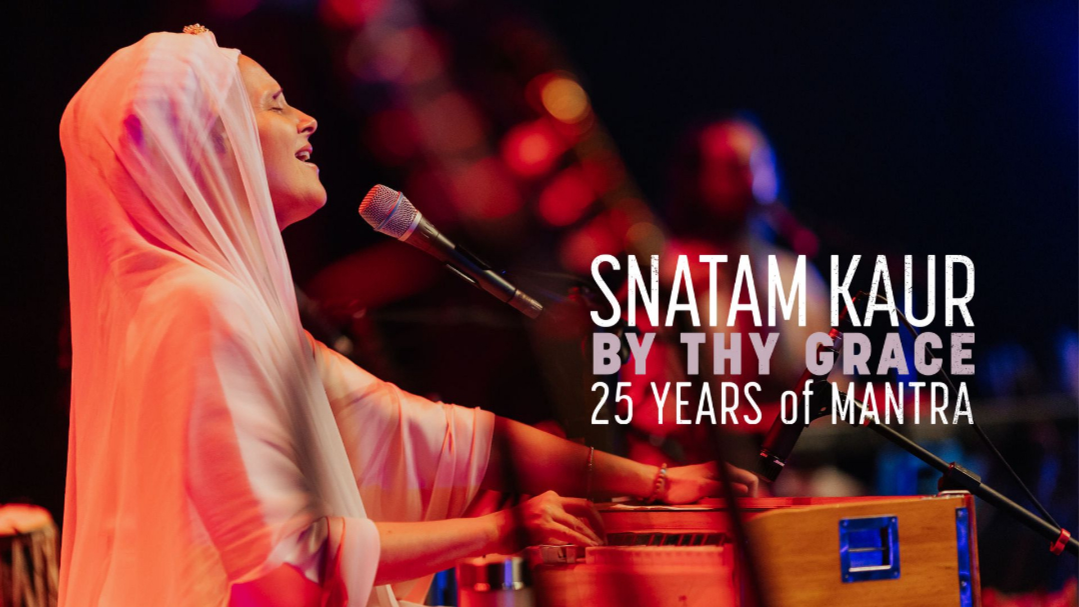
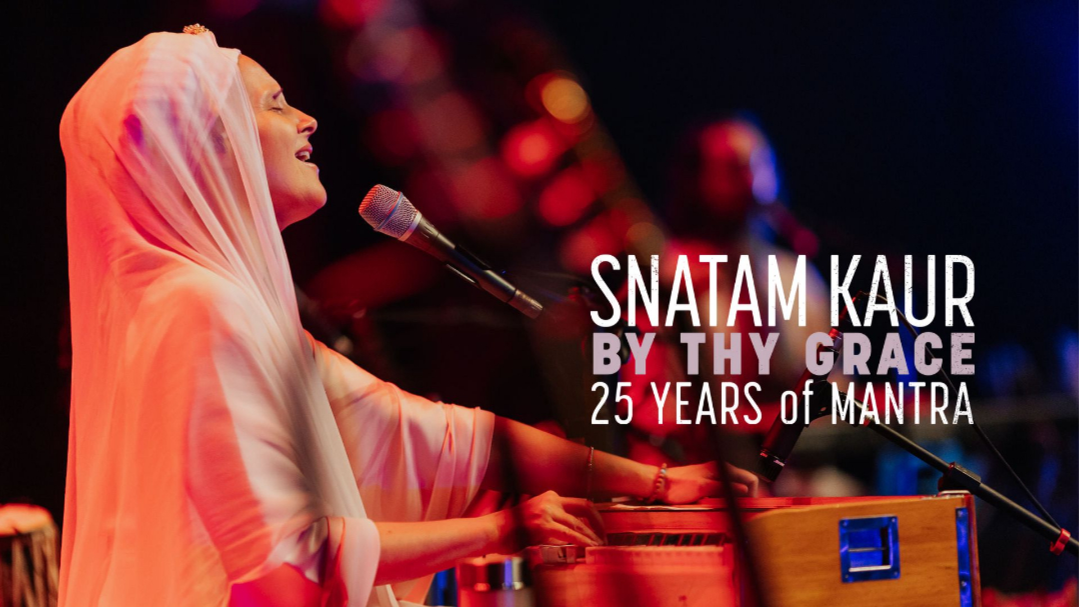
Kirtan and Bhajan: Kirtan, also known as sankirtan, is the practice of collective chanting or group singing, usually in community as a sing-along of bhajans, or devotional songs, and call-and-response of mantra, or sacred sounds. Kirtan gatherings create communal devotional experiences through repetitive chanting accompanied by harmonium, drums, and cymbals.
Japa: Repetition of divine names or mantras using a mala (prayer beads), typically 108 beads. Common mantras include “Hare Krishna,” “Om Namah Shivaya,” or names of chosen deities.
Darshan and Puja: Visiting temples to see (darshan) and honor (puja) deity images, offering flowers, food, incense, and prayers.
Seva: Selfless service performed as devotion, whether caring for others, feeding the hungry, or maintaining sacred spaces.
Satsang: Gathering in spiritual community to chant, study sacred texts, and share devotional experiences.
The Bhakti movement saw the emergence of two primary theological approaches: saguna bhakti, which focuses on specific deities with attributes discernible through sensory experiences, and nirguna bhakti, which emphasizes a formless, universal God present in all reality. Practitioners may emphasize form or formlessness according to temperament and lineage.
Bhakti Tradition Today
Contemporary seekers encounter Bhakti through multiple pathways. Kirtan has spread globally, with regular gatherings in yoga studios, spiritual centers, and music venues across North America, Europe, and beyond. Artists like Krishna Das, Jai Uttal, Deva Premal, and Bhagavan Das have brought traditional chants to Western audiences, often blending Indian classical instruments with contemporary musical styles.
ISKCON (International Society for Krishna Consciousness), founded by A.C. Bhaktivedanta Swami Prabhupada in 1966, established temples worldwide and popularized Krishna bhakti, particularly the maha-mantra (“Hare Krishna, Hare Krishna, Krishna Krishna, Hare Hare / Hare Rama, Hare Rama, Rama Rama, Hare Hare”). Other lineages include the Ramanandi Sampradaya, Sri Vaishnavism, Gaudiya Vaishnavism, and various Shakta traditions.
Online platforms now offer kirtan training, virtual satsangs, and streaming devotional music. Bhakti yoga teacher trainings integrate chanting, mantra study, and philosophy of devotion alongside physical practice. Retreat centers in India (Vrindavan, Rishikesh, Tamil Nadu temples) and the West host immersions in bhakti practices.
Common Misconceptions
Bhakti is not escapism or blind faith. While it emphasizes heart over intellect, authentic bhakti traditions include rigorous philosophical study; scholar-saints like Ramanuja and Madhva developed sophisticated theological systems. Bhakti movement was never a single movement except in the broad doctrinal sense of a movement which laid emphasis on bhakti and religious equality. Regional expressions varied significantly; Kabir’s nirguna bhakti differed markedly from Chaitanya’s ecstatic Krishna devotion.
Bhakti is not inherently opposed to other yogic paths. The Bhagavad Gita presents bhakti, jnana (knowledge), and karma (action) yoga as complementary rather than contradictory. Many practitioners integrate devotion with meditation, study, and service.
While bhakti movements challenged caste discrimination and opened spiritual practice to all, the vaishnava bhakti movements of North and Eastern India and Maharashtra exhibited egalitarian trends in the religious sphere. But they never denounced the caste system, the authority of Brahmanical scriptures and the Brahmanical privileges as such. The social radicalism varied by teacher and region; reform was spiritual more than systemic.
How to Begin
Start by listening. Explore recordings by traditional and contemporary kirtan artists to find what resonates. Attend a local kirtan, satsang, or bhakti yoga class—many yoga studios and spiritual centers offer introductory sessions where participation requires no musical skill or religious commitment.
Choose a practice: Begin with simple japa meditation using a single mantra for 5–10 minutes daily, or join online kirtan sessions. Read accessible introductions like The Bhagavad Gita (Chapter 12 focuses on bhakti yoga) with commentary by Eknath Easwaran or Swami Sivananda, or Chants of a Lifetime by Krishna Das for a contemporary practitioner’s perspective.
Find a teacher or lineage if sustained practice calls you. Authentic guidance helps navigate the depth of devotional traditions while avoiding appropriation or superficiality. Many traditions welcome sincere seekers regardless of religious background, recognizing that the heart’s longing transcends institutional boundaries.