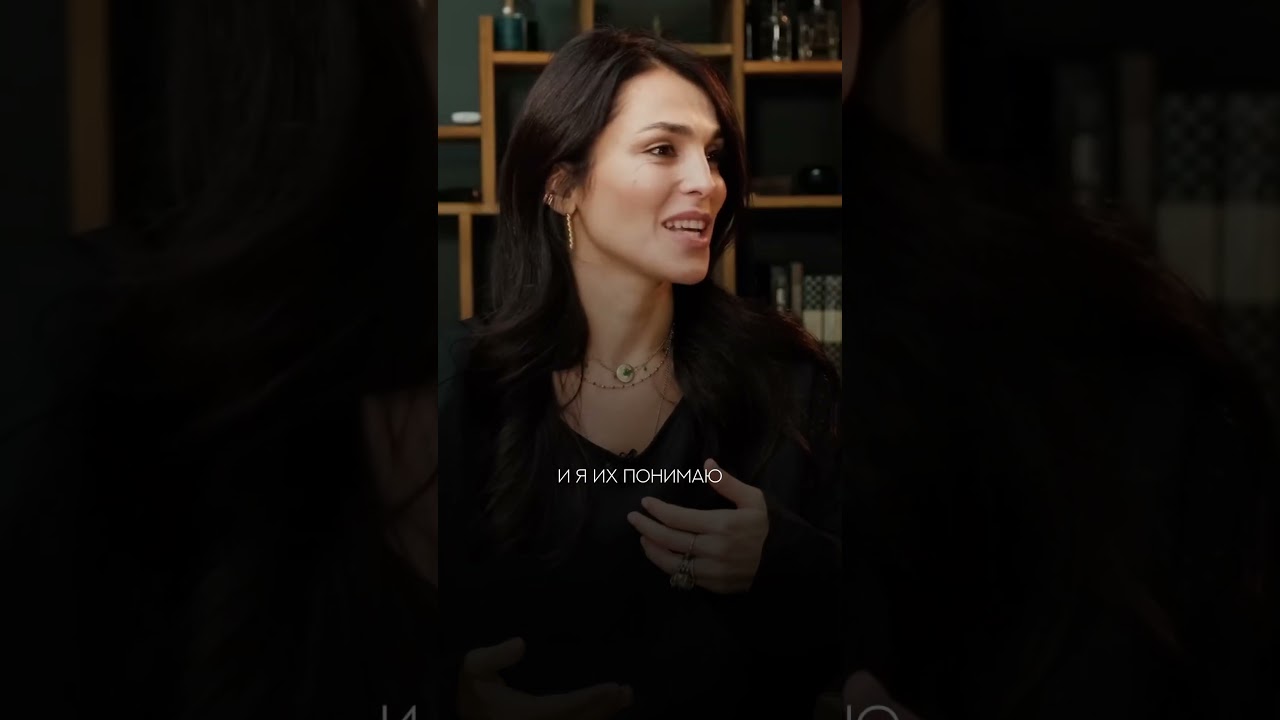
A one-minute short titled "Когда не искренен с собой", or "When you are not sincere with yourself," asks a question most of us would rather skip. It comes from the channel of Sati Kazanova and was published on October 19, 2026. This article is built on the title and channel context alone. The video has no available transcript, so nothing here reports what she says on screen. What the title does offer is a clear starting point, because self-sincerity is one of the most practical themes in contemplative life, and it is worth examining on its own terms.
The Russian phrase is compact. "Не искренен с собой" describes a state of being out of honest contact with oneself: saying one thing inwardly while living another, or presenting a story about one's motives that does not quite hold up. The grammar leaves the subject open. The question is not framed as a diagnosis of a particular person. It is a situation most people can recognize in themselves, which is exactly why it works as a short prompt.
Across many spiritual traditions, the gap between what we tell ourselves and what we actually feel or do is treated as a natural starting point for practice, rather than a moral failing to be punished. Meditation, prayer, journaling, and quiet reflection are all, in different forms, ways of noticing that gap. This is a general observation about the contemplative field, not a claim about what this particular video argues.
The difficulty is that self-scrutiny can easily become another performance. A person can become very skilled at confessing their faults while still avoiding the underlying feeling. A few common signs that a reflection is drifting into self-deception are worth watching for:
- Explanations that arrive too quickly and too neatly, as if rehearsed.
- A sense of relief at naming a fault, followed by no change in behavior.
- Blaming circumstances or other people for a choice you already made.
- Tightness in the body or a sudden need to change the subject when a question gets close.
Noticing these signs without immediately judging them tends to be more useful than trying to force a confession. The aim is curiosity: what, exactly, am I not admitting right now?
A very short piece cannot unpack a whole inner life, and it does not need to. Its value is as a question to carry into the day. Viewers who come to it without the transcript can still use the title as a private check-in: Where in my life am I describing things more kindly than they are? Which decision am I explaining to myself instead of simply making? Honest answers rarely arrive in a single minute, but the question itself can change where attention goes.
Watch the short on Sati Kazanova's channel to see how the idea is presented in her own words, and take the title's question as a prompt for a few quiet minutes of reflection afterward. If you want to go further, look for other contemplative teachings on self-honesty within your own tradition, and compare how they frame the gap between inner truth and outward story. Treat any answer you reach as provisional. Self-sincerity is less a destination than a habit of returning.