BrightStar

Ver Todos los Events

Descubre encuentros conscientes

events

Yoga
Meditation
Breathwork
Qigong
Tai Chi
Sacred Music
World Music
Medicine Music
Sound Healing
Ecstatic Dance
Destinos Populares
BaliSedonaLos AngelesCosta RicaNew YorkSan FranciscoAustinMiamiJoshua TreeTulum
Ver Todas las CategoríasVer Todos los Destinos

Explorar Todas las Características

Herramientas poderosas para hacer crecer tus eventos

Características de la Plataforma

Precios Dinámicos Inteligentes
Categorías de Entradas
Asientos Asignados
Recuperación de Carritos
Recuperación de Visitantes
Donaciones y Escala Móvil
Motor de Afiliados
Escáner de Entradas
Códigos de Cupón
Preguntas Personalizadas
Compartir Entradas
Ventas Adicionales
Análisis e Informes
Secuencias de Email
Lista de Espera / Notificar / Recordar
Personas y Lugares
Artists & TeachersEvent OrganizersVenues & StudiosKnowledge BaseGlossaryInspiration
Ver Todas las CaracterísticasSobre Nosotros
PreciosBlog
Language
Saved events
Ver Todos los Eventos

events

YogaMeditationBreathworkQigongTai ChiSacred MusicWorld MusicMedicine Music

Destinos Populares

BaliSedonaLos AngelesCosta RicaNew YorkSan Francisco

Personas y Lugares

Artists & TeachersEvent OrganizersVenues & StudiosKnowledge BaseGlossaryInspiration

Características de la Plataforma

Precios Dinámicos InteligentesCategorías de EntradasAsientos AsignadosRecuperación de CarritosRecuperación de VisitantesDonaciones y Escala MóvilMotor de AfiliadosEscáner de EntradasCódigos de CupónPreguntas PersonalizadasCompartir EntradasVentas AdicionalesAnálisis e InformesSecuencias de EmailLista de Espera / Notificar / Recordar
Ver Todas las CaracterísticasSobre Nosotros
PreciosBlog
Iniciar sesiónBuscadoresCreadores
  • Ver Todos los Eventos
  • Para Buscadores
  • Yoga
  • Meditación
  • Respiración consciente
  • Qigong
  • Tai chi
  • Música sagrada
  • Música del mundo
  • Música medicina
  • Sanación con sonido
  • Danza extática
  • Retiros
  • Talleres
  • Todas las Categorías →
  • Bali
  • Sedona
  • Los Angeles
  • Costa Rica
  • Tulum
  • Byron Bay
  • San Francisco
  • Austin
  • New York
  • San Diego
  • Denver
  • Seattle
  • Portland
  • Miami
  • Todas las Ciudades →
  • Join the Movement
  • Why we list
  • Sell Globally
  • Para Creadores
  • Para equipos
  • Para Escritores
  • Para Maestros
  • Para Artistas de Kirtan
  • Para Estudios
  • Para Festivales
  • Para Centros de Retiros
  • Para Organizaciones Sin Fines de Lucro
  • Embajador de Marca
  • Entradas sin costo
  • Elevate
  • Amplify
  • Red de +500K Compradores
  • Recuperación de Carritos
  • Precios Dinámicos Inteligentes
  • Categorías de Entradas
  • Eventos Recurrentes
  • Asientos Asignados
  • Motor de Afiliados
  • Lista de Espera / Notificar
  • Escáner de Entradas
  • Widget Embebido
  • Sindicación de eventos
  • Centro de mensajes
  • Integraciones
  • Reportes
  • Todas las Características →
  • Acerca de
  • El ecosistema
  • Blog
  • Glosario
  • Inspiración
  • Centro de Ayuda
  • Contacto
  • Documentación API
  • Recursos de Marca
  • Carreras
  • Prensa
  • Términos de Servicio
  • Política de Privacidad

Eventos

  • Ver Todos los Eventos
  • Para Buscadores
  • Yoga
  • Meditación
  • Respiración consciente
  • Qigong
  • Tai chi
  • Música sagrada
  • Música del mundo
  • Música medicina
  • Sanación con sonido
  • Danza extática
  • Retiros
  • Talleres
  • Todas las Categorías →

Destinos

  • Bali
  • Sedona
  • Los Angeles
  • Costa Rica
  • Tulum
  • Byron Bay
  • San Francisco
  • Austin
  • New York
  • San Diego
  • Denver
  • Seattle
  • Portland
  • Miami
  • Todas las Ciudades →

Para Creadores

  • Join the Movement
  • Why we list
  • Sell Globally
  • Para Creadores
  • Para equipos
  • Para Escritores
  • Para Maestros
  • Para Artistas de Kirtan
  • Para Estudios
  • Para Festivales
  • Para Centros de Retiros
  • Para Organizaciones Sin Fines de Lucro
  • Embajador de Marca
  • Entradas sin costo
  • Elevate
  • Amplify

Características

  • Red de +500K Compradores
  • Recuperación de Carritos
  • Precios Dinámicos Inteligentes
  • Categorías de Entradas
  • Eventos Recurrentes
  • Asientos Asignados
  • Motor de Afiliados
  • Lista de Espera / Notificar
  • Escáner de Entradas
  • Widget Embebido
  • Sindicación de eventos
  • Centro de mensajes
  • Integraciones
  • Reportes
  • Todas las Características →

Empresa

  • Acerca de
  • El ecosistema
  • Blog
  • Glosario
  • Inspiración
  • Centro de Ayuda
  • Contacto
  • Documentación API
  • Recursos de Marca
  • Carreras
  • Prensa
  • Términos de Servicio
  • Política de Privacidad
BrightStar
Descarga la app
Descárgalo en elApp StoreDisponible enGoogle Play
© 2026 BrightStar. Todos los derechos reservados.
Inspire

Om Namah Shivaya Live Kirtan: Call, Response and the Shiva Chant

Radhika Das
Radhika Das
Oct 15, 2026
6 min de lectura
Ver · 7

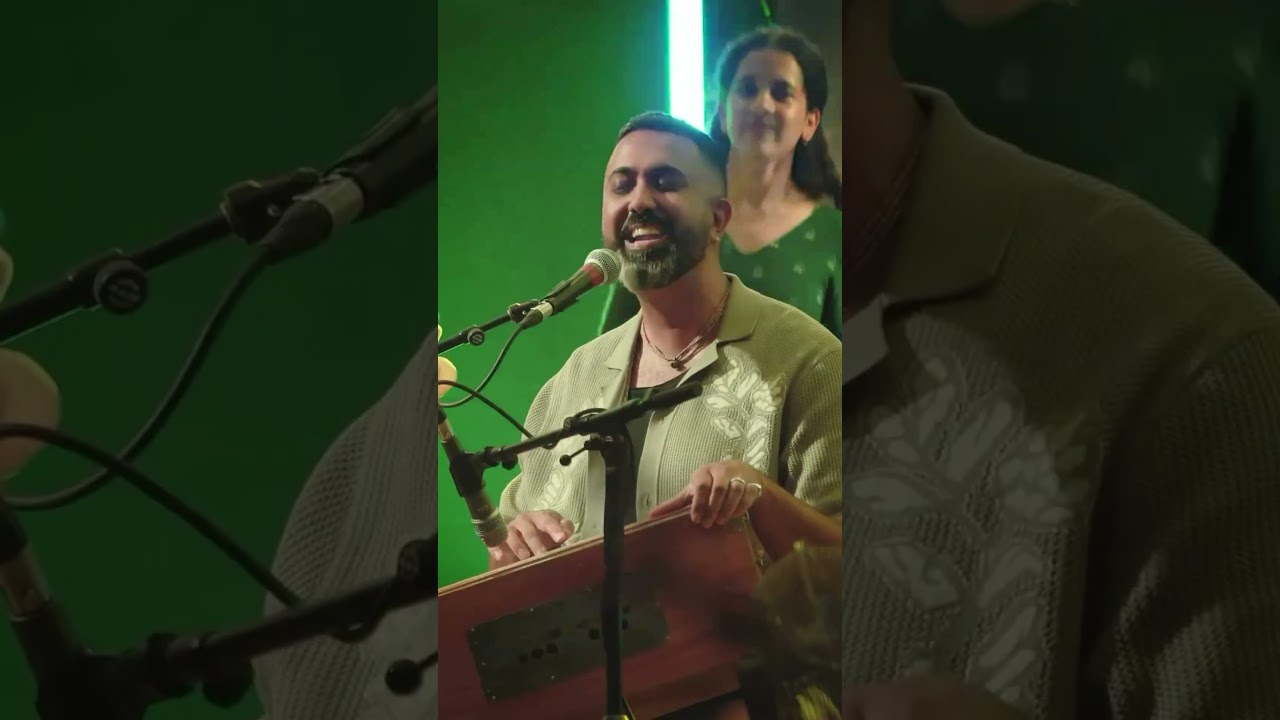
Om Namah Shivaya is one of the most widely sung names of Shiva in devotional practice, and this live kirtan, recorded at Medicine Festival 2026 in Reading, UK, shows how a single five-part phrase can be stretched from a hush into full-throated ecstasy. The video is built on a simple architecture: a meditative opening in which the mantra is repeated slowly, followed by a rising chant in which the room is drawn in with calls, handclaps and shouted refrains. According to the video's description, the entry is meditative mantra followed by ecstatic chant, and the arrangement takes its inspiration from Jai Uttal's treatment of Hara Hara Mahadeva/Om Namah Shivaya on the album Kirtan! The Art and Practice of Ecstatic Chant. What follows explains what the mantra means, how the performance moves, and why the collective voice is the point.

Leer · 6 secciones

What does Om Namah Shivaya mean?

The video's description defines "mantra" as a Sanskrit word meaning "that which liberates and cleanses the mind." A mantra, in this framing, is a sacred sound formula repeated over and over as a way of purifying the heart and mind, so that the innate brilliance within can shine into every part of life. The description calls this "so simple, but so powerful," and the performance treats it that way. There is no lecture in the recording. The teaching is the repetition itself.

This particular mantra is dedicated to Lord Shiva. The description says it brings the remembrance that the gates of spirituality are opened by great souls, and it glosses the name Mahadeva as "greatest deva" or demi-god. That gloss matters to the chant's shape. When the singers call out "Hara Hara Mahadeva" and "Jai Mahadev" in the middle of the recording, they are not decorating the mantra. They are naming the one it is addressed to, and then returning to the five-syllable core.

How does a kirtan move from meditation into ecstasy?

Kirtan is a practice of sung devotion, and the best way to hear what this recording is doing is to listen for its two registers. The opening is slow and sustained. Over the first few minutes the phrase "Om Namah Shivaya" comes in with long instrumental breathing spaces between the lines, and the voices sit close to the pitch rather than pushing it. The description calls this the meditative mantra.

The turn into ecstatic chant is gradual, not a switch. Around the eight-and-a-half-minute mark the phrase thins into "Shiva" and "Shambhu" repeated in a dense run, the tempo and volume climb, and the chant becomes something to be swept along by rather than simply to hold. By the closing minutes the singers are cycling "Om Namah Shivaya" with sharper accents, and the recording ends on a return to "Parvati pat har har mahadev," a name that brings Shiva's consort into the final cry.

"Close the eyes, open heart."

— call-out heard in the recording's chant, about 5:07 (the video's own transcript)

That instruction is a useful key to the whole performance. The eyes close because the meditative part asks for inward attention. The heart opens because the ecstatic part asks for surrender to the shared sound. The two halves are different ways of arriving at the same place.

Why does the call-and-response matter?

The recording is full of invitations, and they reveal how a kirtan leader works. Around the six-minute mark the voice calls "let's together, hands raise, open hearts, let's go," and the room responds with the rising pulse that follows. Later, in a line that the transcript renders as a request for "one more time, a little if possible, please," the leader asks for a repetition, and the response grows louder. Even the phrase "for the portal of devotion to open, one voice" comes from the recording itself, naming what kirtan is trying to do: turn many separate voices into one sound.

This is the part of the practice that is hardest to describe on the page and easiest to feel in a room. Call-and-response in devotional singing is not a performance trick. It distributes the work of holding the mantra across everyone present, so no single voice has to carry it, and the repetition becomes a shared rhythm rather than an individual effort. The recording shows that process unfolding in real time, with the leader's invitations and the audience's answers folded together.

Who is making this sound?

The credits list a sizable ensemble, and each role shapes the texture of the piece. Radhika Das takes the lead vocal. Ananda Monet and Daivī-kumārī add backing vocals and play kartals, the small hand cymbals whose clicking keeps the pulse. Shyamali Buddhdev and Radha Sundari also play kartals. Keli Woods plays guitar, piano and sings, Michael Goodey plays bass guitar, and Abhay Buddhdev plays mrdanga, the barrel drum that anchors much of Bengal-rooted kirtan. Tadas Mickevicius adds saxophone, and Nayan Pankhania plays whompers. The sound was engineered and mixed by Tabla Tom, the video was filmed by Filmwork Studios, and it was edited by Hannah Brown.

The instrumentation tells you something about the arrangement's ambition. A mrdanga and kartals keep the devotional lineage audible, while bass, piano, guitar and saxophone bring the tune toward the more open, improvisational sound associated with contemporary kirtan. The description's note on the Jai Uttal inspiration points in the same direction: this is a reworking of a melody with a long life in Western kirtan, carried into a festival setting with a full band.

What does this recording not tell you?

It is worth being honest about the limits of the source. The transcript is almost entirely musical and chant cues rather than spoken teaching. There is no extended explanation of the theology, no narrated history of the arrangement, and no interview. The ideas here come from the video's description and from what the chant itself does: the mantra's stated purpose, the meaning of Mahadeva, the origin of the tune, and the structure of the performance. Anyone looking for a spoken talk should know this is a live devotional recording first.

That is not a weakness for the right listener. A kirtan recording asks to be sung along to, not studied from a distance. The most accurate way to take it in is to play it, close the eyes, and let the phrase do its slow work before the tempo rises.

Where to go from here

Start with the description, which holds the mantra's meaning and the credits, and then listen to the recording straight through so you can hear the shift from meditative mantra to ecstatic chant. If the arrangement's source interests you, seek out Jai Uttal's Kirtan! The Art and Practice of Ecstatic Chant, the album the description names as the inspiration for Hara Hara Mahadeva/Om Namah Shivaya. Then try the practice yourself: repeat the mantra slowly, notice where your voice wants to rise, and let the call-and-response of a room do the rest.

Comments

Loading the conversation…

Transcript

[0:01] ओम

[0:05] नमः

[0:08] शिवाय

[0:16] ओम

[0:18] [संगीत]

[0:19] नमः

[0:22] शिवाय

[0:28] एवरीवन टुगेदर

[0:30] ओम [संगीत]

[0:35] नमः

[0:37] शिवाय [संगीत]

[0:39] [गाना गाने की आवाज़] शिवाय

[0:46] ओम

[0:49] नमः

[0:53] शिवाय

[1:00] ओम

[1:03] [गाना गाने की आवाज़]

[1:05] नमः

[1:08] शिवाय [संगीत]

[1:11] [गाना गाने की आवाज़]

[1:17] [संगीत] ओम

[1:21] नमः

[1:25] शिवागेदर

[1:33] [संगीत]

[1:38] नमः [संगीत]

[1:41] शिवाय

[1:47] [संगीत]

[1:49] ओम

[1:53] नमः

[1:57] शिवाय [संगीत]

[2:14] [संगीत]

[2:21] [संगीत]

[2:32] ओम

[2:34] नमः

[2:36] शिवाय [संगीत]

[2:43] ओम

[2:44] [संगीत]

[2:45] नमः

[2:47] शिवाय

[2:50] [संगीत]

[2:51] एवरीवन अगेन

[2:54] ओम

[2:56] नमः

[2:59] [संगीत] शिव शिवाय

[3:06] ओम

[3:08] नमः [गाना गाने की आवाज़]

[3:10] [संगीत] शिवाय

[3:16] [संगीत]

[3:16] ओम ओम

[3:19] नमः

[3:21] शिवाय [संगीत]

[3:24] [गाना गाने की आवाज़]

[3:28] ओम

[3:30] नमः [संगीत][गाना गाने की आवाज़]

[3:33] शिवाय

[3:37] सोगेदर

[3:39] [संगीत]

[3:41] [गाना गाने की आवाज़]

[3:44] शिवाय [संगीत]

[3:52] नमः

[3:54] [संगीत] शिवाय

[4:01] ओम

[4:03] [गाना गाने की आवाज़] नमः

[4:06] शिवाय

[4:12] ओम [संगीत]

[4:15] नमः

[4:17] श्री राम

[4:23] [संगीत]

[4:27] [गाना गाने की आवाज़]

[4:29] शिवाय

[4:31] [संगीत]

[4:33] [गाना गाने की आवाज़]

[4:35] [संगीत]

[4:37] ओम नमः

[4:40] शिवाय

[4:45] वन [संगीत] वॉइस ओम

[4:48] नमः

[4:51] शिवाय

[4:53] [संगीत]

[4:57] ओम [संगीत]

[5:00] नमः

[5:02] [संगीत][गाना गाने की आवाज़]

[5:03] शिवाय

[5:05] [बड़बड़ाने की आवाज़]

[5:06] वंस अगेन [गाना गाने की आवाज़][संगीत]

[5:07] क्लोज द आईज ओपन हार्ट ओम

[5:11] नमः

[5:14] शिवाय [संगीत] शिवाय

[5:20] ओम [संगीत]

[5:23] नमः

[5:25] शिवाय

[5:28] [बड़बड़ाने की आवाज़][गाना गाने की आवाज़]

[5:29] [संगीत]

[5:32] ओम

[5:34] नमः शिवाय [संगीत]

[5:43] ओम ओम [संगीत] नमः

[5:46] शिवाय

[5:52] [संगीत]

[5:53] ओम [गाना गाने की आवाज़]

[5:55] नमः

[5:57] [संगीत] शिवाय

[6:00] हर हर महादेव

[6:05] [संगीत] नमः

[6:08] शिवाय [बड़बड़ाने की आवाज़]

[6:11] [संगीत]

[6:14] ओम

[6:17] नमः [गाना गाने की आवाज़]

[6:18] शिवाय

[6:25] ओम

[6:27] नमः

[6:30] [संगीत] शिवाय

[6:36] [संगीत] ओम

[6:38] नमः

[6:40] शिवाय [संगीत]

[6:51] [संगीत]

[6:53] लेट्स टगेदर हैंड्स रे ओपन ह्स लेट्स गो

[6:58] ओम [संगीत]

[7:00] नमः

[7:01] शिवाय

[7:04] [बड़बड़ाने की आवाज़]

[7:08] ओम [संगीत][गाना गाने की आवाज़]

[7:10] नमः

[7:13] शिवाय

[7:16] फॉर द पोर्टल ऑफ़ डिवोशन टू ओपन [संगीत] वन

[7:18] वॉइस ओम

[7:21] [गाना गाने की आवाज़] नमः

[7:24] शिवाय [संगीत]

[7:30] ओम [गाना गाने की आवाज़][संगीत]

[7:32] नमः

[7:35] शिवाय [गाना गाने की आवाज़][संगीत]

[7:37] वन मोर टाइम अ लिटिल इफ पॉसिबल प्लीज

[7:42] [संगीत]

[7:45] [गाना गाने की आवाज़]

[7:46] जय महादेव

[7:49] [संगीत]

[7:50] हर महादेव

[7:54] [संगीत]

[7:58] शिवा

[8:03] शिवा शिवा शिवा

[8:07] शंभू

[8:10] [संगीत]

[8:12] शिव शिव शिव

[8:15] शंभू

[8:20] शिवा [संगीत] शिव शिवा

[8:29] शिव शिवा [संगीत]

[8:31] शिवा

[8:36] [संगीत]

[8:38] शिवा शिवा शिवा

[8:41] शंभ

[8:43] [गाना गाने की आवाज़]

[8:47] शिवा [संगीत] शिवा

[8:49] शिवा

[8:51] शंभू

[8:54] [संगीत] बोलो शिवा [गाना गाने की आवाज़]

[8:56] शिवा शिवा [संगीत]

[8:59] शंभू

[9:04] शिवा शिवा [संगीत]

[9:07] शिवा

[9:13] शिवा [गाना गाने की आवाज़] शिवा शिवा

[9:17] शंभू

[9:22] [संगीत] शिवा शिवा शिवा शं शंभू

[9:31] शिवा

[9:33] शिवा

[9:41] शिवा [संगीत] शिवा

[9:49] शिवा [संगीत] शिवा शिवा

[9:53] शंभू

[9:58] शिवा [संगीत] शिव शिवा

[10:02] शंभू

[10:04] [संगीत]

[10:06] शिवा शिवा [गाना गाने की आवाज़]

[10:08] शिवा शंभू

[10:11] [संगीत]

[10:15] शिवा शिवा शिवा [संगीत]

[10:18] शंभू

[10:22] शिवा

[10:24] [संगीत] शिवा शिवा शंभू

[10:31] शिवा शिवा शिवा शंभू

[10:38] शिवा

[10:40] शिवाय

[10:43] [संगीत]

[10:47] शिवा [संगीत]

[10:52] शिवा शिवा शिवा [गाना गाने की आवाज़]

[11:00] शिवा शिवा शिवा

[11:06] [संगीत] शिवा शिवा शिवा

[11:13] [संगीत]

[11:15] शिवा शिवा

[11:20] शिवा शिवा [संगीत] शिवा शिवा श्याम

[11:27] [संगीत]

[11:28] शिवा शिवा शिवा

[11:31] हर हर महादेव

[11:34] [संगीत] शिवा शिवा शिवा

[11:38] [गाना गाने की आवाज़]

[11:43] [संगीत]

[11:48] शिवा शिवा शिवा शिवा

[11:55] [संगीत] शिवा शिवा शिवा श

[12:03] [संगीत]

[12:10] शिवा

[12:15] ओ शिवा शिवा शिवा

[12:22] [संगीत] शिवा शिवा शिवा शंभू

[12:29] शिवा शिवा [गाना गाने की आवाज़]

[12:31] शिवा

[12:35] [संगीत]

[12:36] शिवा शिवा

[12:44] [संगीत]

[12:57] [संगीत]

[13:08] [संगीत]

[13:09] शिवा शिवा शिवा [गाना गाने की आवाज़]

[13:12] शिवा

[13:15] [संगीत]

[13:19] शिवा

[13:21] वन मोर [संगीत] लिटल

[13:24] शिवा शिवा शिवा शिवा

[13:31] शिवा शिवा [संगीत]

[13:32] शिवा

[13:37] शिवा शिवा शिवा [संगीत]

[13:41] श

[13:47] [संगीत]

[13:50] ओ महा

[13:55] महादेव [संगीत]

[13:57] शंभू

[13:59] महादेव

[14:01] [संगीत]

[14:07] श्याम

[14:09] [संगीत]

[14:10] ओम

[14:12] श्याम

[14:16] श्याम [संगीत]

[14:18] हरे हरे

[14:21] श्याम

[14:25] [संगीत]

[14:28] ओम

[14:30] श्याम

[14:33] महादे [संगीत]

[14:38] [संगीत]

[14:50] [संगीत]

[14:51] महादेव [गाना गाने की आवाज़]

[14:53] शंभू

[14:56] [संगीत]

[15:04] ओम नमः शिवाय

[15:08] ओम नमः [गाना गाने की आवाज़]

[15:10] शिवाय

[15:13] ओम [संगीत] नमः शिवाय

[15:17] ओम नमः शिवाय

[15:21] ओम

[15:22] नमः शिवाय [संगीत]

[15:26] ओम नमः शिवाय

[15:30] ओम [संगीत][गाना गाने की आवाज़] नमः शिवाय

[15:35] ओम नमः शिवाय

[15:39] ओम नमः [संगीत] शिवाय

[15:43] ओम नमः शिवाय

[15:46] [संगीत]

[15:48] ओम नमः शिवाय

[15:52] [संगीत] नमः शिवाय

[15:56] ओम नमः शिवाय

[16:00] ओम नमः शिवाय

[16:05] नमः शिवाय [संगीत]

[16:09] ओम नमः शिवाय

[16:13] ओम नमः शिवाय

[16:17] ओम नमः शिवाय [गाना गाने की आवाज़]

[16:21] ओम नमः शिवाय

[16:26] ओम नमः शिवाय [संगीत][गाना गाने की आवाज़]

[16:30] ओम नमः शिवाय

[16:34] ओम नमः [गाना गाने की आवाज़]

[16:36] शिवाय [संगीत]

[16:36] हर हर महादेव

[16:39] नमः शिवाय

[16:42] [संगीत]

[16:43] ओम नमः शिवाय

[16:47] ओम नमः [संगीत] शिवाय

[16:51] ओम [गाना गाने की आवाज़] नमः शिवाय एवरीवन

[16:55] ओम नमः शिवाय [संगीत]

[17:00] ओम नमः शिवाय एवरी

[17:04] ओम नमः [गाना गाने की आवाज़][संगीत] शिवाय

[17:07] शिवाय ओम नमः शिवाय कीप [संगीत]

[17:13] [गाना गाने की आवाज़] नमः शिवाय शिवाय

[17:17] नमः शिवाय शिवा

[17:19] [संगीत][गाना गाने की आवाज़]

[17:22] शिवाय

[17:25] [गाना गाने की आवाज़]

[17:26] नमः शिवाय

[17:29] ओम शिवा शिवा [संगीत] शिवा शंभू

[17:33] शिवा शिवा शिवा शंभू

[17:42] शिवा शिवा [संगीत] शिवा शंभू

[17:46] शिवा शिवा शिवा शिवा [संगीत]

[17:57] [संगीत]

[18:03] [संगीत]

[18:09] [संगीत]

[18:09] नमः शिवाय

[18:14] [संगीत]

[18:15] ओम नमः शिवाय [गाना गाने की आवाज़]

[18:20] ओम नमः शिवाय

[18:23] [संगीत] ओम नमः शिवाय

[18:27] शिवाय [संगीत]

[18:30] नमः शिवाय

[18:32] ओम ओम नमः शिवाय

[18:36] [संगीत]

[18:36] नमः शिवाय

[18:45] ओम नमः [संगीत]

[18:46] शिवाय

[18:48] ओम नमः शिवाय

[18:56] [संगीत]

[18:57] ओम नमः शिवाय

[19:00] ओम नमः शिवाय [संगीत]

[19:06] [संगीत][घंटी की आवाज़]

[19:11] [संगीत]

[19:17] पार्वती पत हर हर महादेव [संगीत]

Radhika Das
ArtistRadhika Das

London-based mantra artist and kirtan leader who sees sacred sound as a doorway to connection, healing and joy, sharing it with students worldwide.

Ver perfilSitio web
Explorar temas
Om-namah-shivayaKirtanShiva-mantraCall-and-responseEcstatic-chant

¿Tienes Preguntas?

Preguntas Frecuentes

The video's description frames Om Namah Shivaya as a mantra dedicated to Lord Shiva and describes mantra generally as a Sanskrit term meaning "that which liberates and cleanses the mind." The description also notes that Mahadeva means "greatest deva" or demi-god, and that the mantra brings the remembrance that great souls like Shiva open the gates of spirituality.
Kirtan is sung devotional practice in which a leader calls and the group responds, usually with a repeated mantra or name. In this recording the difference from solo chanting is audible: the leader invites the room to join with lines like "let's together" and "one more time," so the repetition becomes a shared sound.
According to the video's description, the arrangement was inspired by Jai Uttal's Hara Hara Mahadeva/Om Namah Shivaya from the album Kirtan! The Art and Practice of Ecstatic Chant. The description says the entry is meditative mantra followed by ecstatic chant.
The credits list lead and backing vocals, kartals (hand cymbals), guitar, piano, bass guitar, mrdanga (a barrel drum), saxophone and whompers. The mrdanga and kartals keep the devotional lineage audible, while bass, guitar, piano and saxophone bring a more open, contemporary texture.
Begin by repeating the mantra slowly and without strain, as the opening of this recording does, letting the sound settle before the tempo rises. The description presents mantra repetition as a way of purifying the heart and mind, so consistency matters more than volume.
It is a call-out heard in this recording around the five-minute mark. In kirtan it pairs inward attention, with the eyes closed, with a receptive heart that opens to the shared sound.
The video lists Radhika Das on lead vocals, with backing vocals and kartals from Ananda Monet, Daivī-kumārī, Shyamali Buddhdev and Radha Sundari, plus Keli Woods, Michael Goodey, Abhay Buddhdev, Tadas Mickevicius and Nayan Pankhania on instruments. Sound was engineered by Tabla Tom, filmed by Filmwork Studios and edited by Hannah Brown.

Seguir leyendo

More from Radhika

Ver Todo
Bhaja Mana Radha Govinda Kirtan: Meaning and Practice
Inspire

Bhaja Mana Radha Govinda Kirtan: Meaning and Practice

A seven-minute London kirtan of the maha-mantra Bhaja Mana Radha Govinda, unpacked: its meaning, its call-and-response form, and the New Yor…

1 min read
Radha Raman Hari Bol: Inside a Call-and-Response Kirtan
Inspire

Radha Raman Hari Bol: Inside a Call-and-Response Kirtan

A 55-second kirtan clip built on the call "Jai Jai Radha Raman Hari Bol," and what its repeated names reveal about devotional chanting.…

1 min read
The Sunrise Stupa Where a Mantra Became a Lifelong Mainstay
Inspire

The Sunrise Stupa Where a Mantra Became a Lifelong Mainstay

Jai Uttal recalls the grief that followed Neem Karoli Baba's sudden departure, and the dawn at Sarnath when a single remembered voice said "…

1 min read
Om Namah Shivaya Chant: Ecstatic Trance Meditation
Inspire

Om Namah Shivaya Chant: Ecstatic Trance Meditation

Jai Uttal guides listeners into an ecstatic chant trance with Om Namah Shivaya, the Sanskrit invocation of Shiva consciousness. A 91-second …

1 min read

Sigue explorando

Continúa tu camino

Más sabiduría y encuentros de todo el directorio de BrightStar.

Más artículos

Recorre la biblioteca completa de enseñanzas, entrevistas y guías.

Ver todos los artículos →

Maestros y artistas

Explora los linajes, músicos y guías del mundo consciente.

Explorar artistas →

Encuentra un evento

Kirtan, retiros, baños de sonido, breathwork, festivales — muy pronto.

Ver eventos →