Press play on Johanna Beekman's "Mantra Sangha: Health & Healing" and the first thing you notice is how little it asks of you. There is no lecture, no preamble, no stage talk. There is a chant, a pulse, and a growing number of voices that seem to arrive one at a time, as if someone were opening doors down a long hallway. The video runs just under eleven minutes. It was published on September 16, 2020, in the first full season of the pandemic, when public gatherings had stopped and many people were learning what it felt like to sing alone in a kitchen. This piece looks at what the recording is, where its chant comes from, and why its structure, a shared mantra passed between many singers, carries more meaning than a single performance could.
The sung material is built on a single devotional phrase that the credits attribute to Sri Sakthi Amma of India, listed as "Chant by Sri Sakthi Amma / Trad." The video's description breaks the mantra into four parts. The first, "Om Kreem," is identified as a beeja, or seed mantra, for the goddess Kali. In Hindu and Tantric practice, beeja mantras are short syllable clusters, often sung without a literal translation, that are understood to hold the essence of a deity in compressed form. The remaining words are glossed in the description: "Maha Kali" names the great Kali, "Sarva Rhogam" means all diseases, and "Nasi Nasi" means be eliminated or vanquished.
Put those glosses together and the chant is unusually direct. It is a prayer addressed to a fierce form of the divine, asking that illness in all its forms be driven out. Kali is among the most confrontational figures in the Hindu pantheon, often shown with a garland of severed heads and a protruding tongue, and devotees usually approach her through surrender rather than sweetness. A chant that asks her to clear disease is therefore not a gentle lullaby. It has an edge, and the arrangement on this recording keeps that edge intact.
For a reader who has never sung a mantra, it helps to understand the basic mechanics. Repetition is the point. A seed syllable is chanted over and over, sometimes for minutes, until the mind has less room to wander and the body takes over the rhythm. In traditional settings this repetition is the practice itself. In a recording, it becomes a kind of groove, which is part of why this material translates so well to the studio.
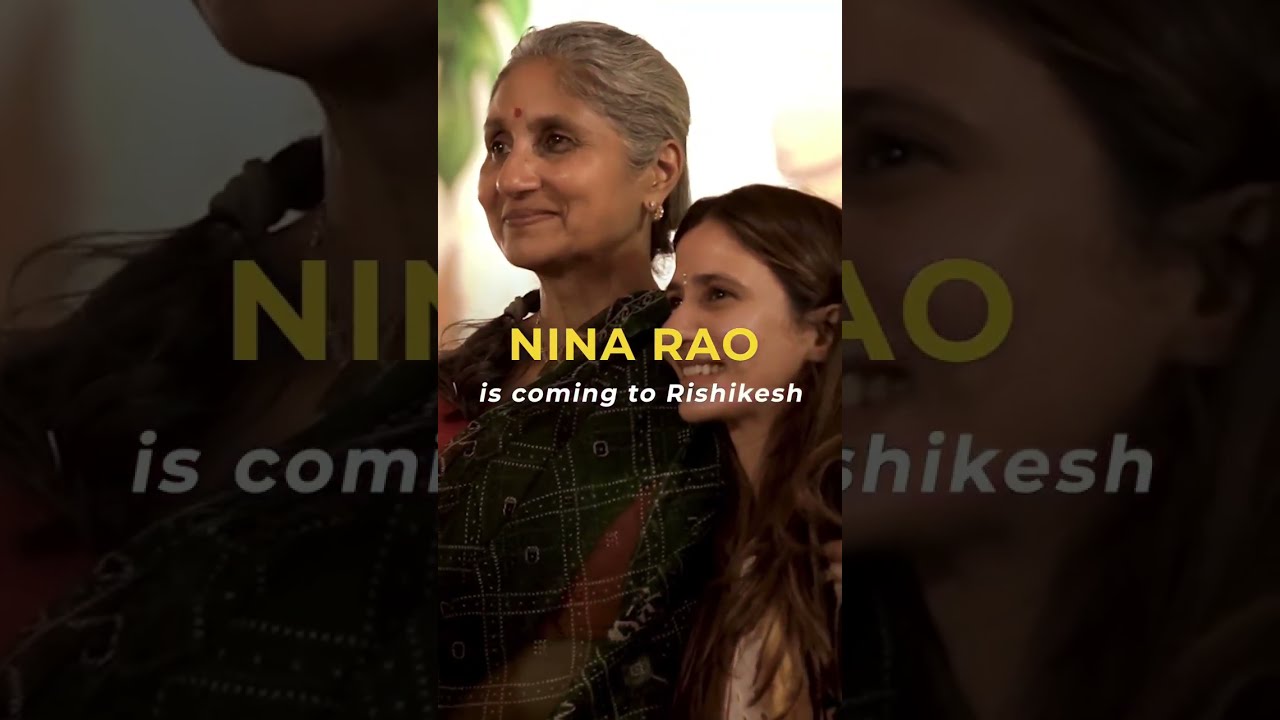
The word sangha is usually translated as community, specifically a community of practitioners. Johanna Beekman's title pairs it with the mantra, and the credits explain the choice. The video lists twenty-one contributors under "With," including Sri Sakthi Amma, Krishna Das, Gina Salā, Ragani, Girish, Kamini Natarajan, Nina Rao, Noelle Whittington, Karen Seva, Kavita Kat Macmillan, Sherrie Howard, Mark Kelso, Sianna Sherman, Jim Beckwith, Masood Ali Khan, Ankush Vimawala, Myriam Turenne, Danny Solomon, Hans Christian, Ben Leinbach, and Beekman herself.
Those names represent different traditions, instruments, and vocal lineages, and the recording is built to let them sit next to one another rather than blend into a single voice. A kirtan-style call and response runs underneath much of the track, a form in which a leader sings a line and a group answers it. Communal chanting of this kind has long been a way for people to hold a shared intention, and in the context of 2020, the sangha in the title takes on a second meaning: a group that could not physically meet, assembling itself through recordings made in separate rooms.
This is the story worth paying attention to. Many devotional recordings are one artist with a band. Mantra Sangha is closer to a gathering that was documented rather than staged. The production credits show how much layering went into it. Beekman is credited with melody and production, Ben Leinbach with percussion programming and arrangement consulting, and Hans Christian with additional mixing and mastering. Dancers Aakansha Maheshwari, who performs as part of BollyPop, and Malini Taneja appear in the accompanying video, which was made by Beekman and L Cooper. The result is a document of many people choosing to sing the same syllables at the same time.
The video's description states its purpose plainly. It describes "a world in need of spiritual, physical, and emotional healing during these challenging times of isolation and dis-ease," and says the project "was born out of the desire to support people worldwide in moving through the uncertain times of COVID-19 and beyond." That framing matters because it ties the mantra's ancient request for relief from disease to a very specific modern anxiety. In 2020, the word "dis-ease" carried both its spiritual and medical sense. Listeners were being asked to treat their own bodies, households, and neighborhoods as sites of risk, and this chant offers a way to meet that fear with a collective act of voice rather than withdrawal.
It is worth being careful here. A recording cannot cure illness, and the description does not claim that it does. What it offers is a practice listeners can enter: play the chant, sing along, let the repetition do its slow work. Mantra traditions generally hold that the effect of a practice lies in consistency and attention rather than in any single session. A ten-minute track is a modest container for that, but a shared track that many people return to can become a regular pause in an otherwise scattered day.
The description also says that "all proceeds" from the project go to Mitrata Nepal Foundation for Children, based in St. Louis, Missouri. That detail changes how the recording reads. The devotional act of singing for relief from disease is paired with a practical commitment to children, which is a common shape in Hindu and Buddhist tradition, where ritual and service are often understood as one movement. The description directs listeners to the foundation's site at mitrata.org for more information about its work.
The video also has a lineage behind it. The teachers credited on the project are Gina Salā, Krishna Das, and Ram Dass. Their names place the recording within the Western devotional and kirtan world that grew out of decades of teaching in India and the United States, and they signal to listeners who already know that world where the music sits.
If the chant reached you, the most useful next step is to sing it rather than only listen. Start with "Om Kreem," hold the sound, and let the rest of the phrase arrive as the breath allows. Notice where the voice tightens and where it settles. If you want to hear the full arrangement, the description links to the purchase page at johannabeekman.hearnow.com, where the song can be bought. Any proceeds the project generates, according to the description, go to the children's foundation.
For more of Beekman's work, the artist's site is johannasings.com, and her Facebook page is facebook.com/johanna.beekman. The premiere and mini-festival replay, which the description links at youtu.be/tpK86VG6HUI, shows how the recording was introduced to its first audience. If you are new to mantra practice, look for teachers in your own area who lead kirtan or chanting. Many of the names on this record have spent years teaching in exactly that setting, and a live room offers something no recording can: other voices answering yours in real time.