BrightStar

Ver Todos los Events

Descubre encuentros conscientes

events

Yoga
Meditation
Breathwork
Qigong
Tai Chi
Sacred Music
World Music
Medicine Music
Sound Healing
Ecstatic Dance
Destinos Populares
BaliSedonaLos AngelesCosta RicaNew YorkSan FranciscoAustinMiamiJoshua TreeTulum
Ver Todas las CategoríasVer Todos los Destinos

Explorar Todas las Características

Herramientas poderosas para hacer crecer tus eventos

Características de la Plataforma

Precios Dinámicos Inteligentes
Categorías de Entradas
Asientos Asignados
Recuperación de Carritos
Recuperación de Visitantes
Donaciones y Escala Móvil
Motor de Afiliados
Escáner de Entradas
Códigos de Cupón
Preguntas Personalizadas
Compartir Entradas
Ventas Adicionales
Análisis e Informes
Secuencias de Email
Lista de Espera / Notificar / Recordar
Personas y Lugares
Artists & TeachersEvent OrganizersVenues & StudiosKnowledge BaseGlossaryInspiration
Ver Todas las CaracterísticasSobre Nosotros
PreciosBlog
Language
Saved events
Ver Todos los Eventos

events

YogaMeditationBreathworkQigongTai ChiSacred MusicWorld MusicMedicine Music

Destinos Populares

BaliSedonaLos AngelesCosta RicaNew YorkSan Francisco

Personas y Lugares

Artists & TeachersEvent OrganizersVenues & StudiosKnowledge BaseGlossaryInspiration

Características de la Plataforma

Precios Dinámicos InteligentesCategorías de EntradasAsientos AsignadosRecuperación de CarritosRecuperación de VisitantesDonaciones y Escala MóvilMotor de AfiliadosEscáner de EntradasCódigos de CupónPreguntas PersonalizadasCompartir EntradasVentas AdicionalesAnálisis e InformesSecuencias de EmailLista de Espera / Notificar / Recordar
Ver Todas las CaracterísticasSobre Nosotros
PreciosBlog
Iniciar sesiónBuscadoresCreadores
  • Ver Todos los Eventos
  • Para Buscadores
  • Yoga
  • Meditación
  • Respiración consciente
  • Qigong
  • Tai chi
  • Música sagrada
  • Música del mundo
  • Música medicina
  • Sanación con sonido
  • Danza extática
  • Retiros
  • Talleres
  • Todas las Categorías →
  • Bali
  • Sedona
  • Los Angeles
  • Costa Rica
  • Tulum
  • Byron Bay
  • San Francisco
  • Austin
  • New York
  • San Diego
  • Denver
  • Seattle
  • Portland
  • Miami
  • Todas las Ciudades →
  • Join the Movement
  • Why we list
  • Sell Globally
  • Para Creadores
  • Para equipos
  • Para Escritores
  • Para Maestros
  • Para Artistas de Kirtan
  • Para Estudios
  • Para Festivales
  • Para Centros de Retiros
  • Para Organizaciones Sin Fines de Lucro
  • Embajador de Marca
  • Entradas sin costo
  • Elevate
  • Amplify
  • Red de +500K Compradores
  • Recuperación de Carritos
  • Precios Dinámicos Inteligentes
  • Categorías de Entradas
  • Eventos Recurrentes
  • Asientos Asignados
  • Motor de Afiliados
  • Lista de Espera / Notificar
  • Escáner de Entradas
  • Widget Embebido
  • Sindicación de eventos
  • Centro de mensajes
  • Integraciones
  • Reportes
  • Todas las Características →
  • Acerca de
  • El ecosistema
  • Blog
  • Glosario
  • Inspiración
  • Centro de Ayuda
  • Contacto
  • Documentación API
  • Recursos de Marca
  • Carreras
  • Prensa
  • Términos de Servicio
  • Política de Privacidad

Eventos

  • Ver Todos los Eventos
  • Para Buscadores
  • Yoga
  • Meditación
  • Respiración consciente
  • Qigong
  • Tai chi
  • Música sagrada
  • Música del mundo
  • Música medicina
  • Sanación con sonido
  • Danza extática
  • Retiros
  • Talleres
  • Todas las Categorías →

Destinos

  • Bali
  • Sedona
  • Los Angeles
  • Costa Rica
  • Tulum
  • Byron Bay
  • San Francisco
  • Austin
  • New York
  • San Diego
  • Denver
  • Seattle
  • Portland
  • Miami
  • Todas las Ciudades →

Para Creadores

  • Join the Movement
  • Why we list
  • Sell Globally
  • Para Creadores
  • Para equipos
  • Para Escritores
  • Para Maestros
  • Para Artistas de Kirtan
  • Para Estudios
  • Para Festivales
  • Para Centros de Retiros
  • Para Organizaciones Sin Fines de Lucro
  • Embajador de Marca
  • Entradas sin costo
  • Elevate
  • Amplify

Características

  • Red de +500K Compradores
  • Recuperación de Carritos
  • Precios Dinámicos Inteligentes
  • Categorías de Entradas
  • Eventos Recurrentes
  • Asientos Asignados
  • Motor de Afiliados
  • Lista de Espera / Notificar
  • Escáner de Entradas
  • Widget Embebido
  • Sindicación de eventos
  • Centro de mensajes
  • Integraciones
  • Reportes
  • Todas las Características →

Empresa

  • Acerca de
  • El ecosistema
  • Blog
  • Glosario
  • Inspiración
  • Centro de Ayuda
  • Contacto
  • Documentación API
  • Recursos de Marca
  • Carreras
  • Prensa
  • Términos de Servicio
  • Política de Privacidad
BrightStar
Descarga la app
Descárgalo en elApp StoreDisponible enGoogle Play
© 2026 BrightStar. Todos los derechos reservados.
Inspiration

Why Do We Get Sick? Toxins, Nutrients and Emotions

Christian Van Camp
Christian Van Camp
Oct 9, 2026
8 min de lectura
Ver · 5

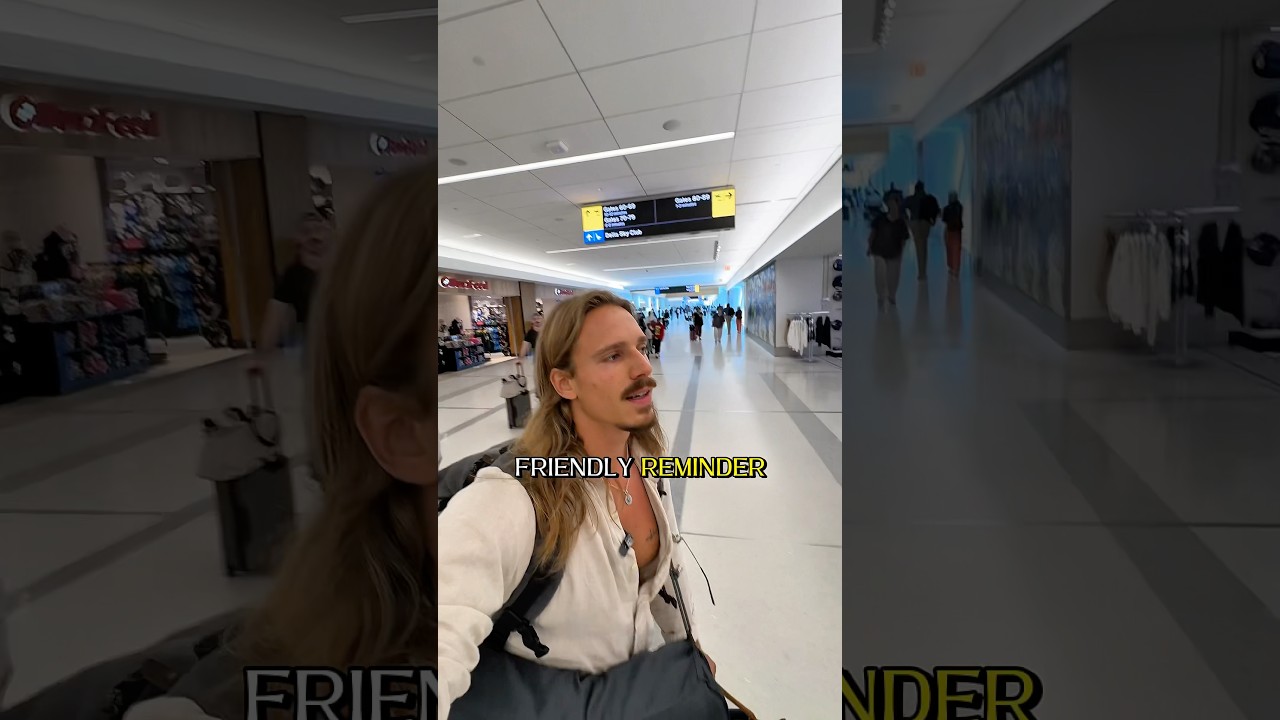
Christian Van Camp's wellness video runs one minute and forty-one seconds, and it opens the way a lot of short-form health content does: a direct question, delivered to a phone camera, with the answer held back. "Why do humans get sick?" he asks. "Why do we get disease, lack of harmony in the body? Why do we eventually lead towards death?" In that brief run, he offers a single organizing model: three reasons the body falls out of balance. The first is toxin overwhelm, a load of environmental residues the body cannot keep up with. The second is nutrient deficiency, a shortfall of vitamins, minerals and macronutrients. The third is unaddressed emotion and trauma, which he says lodges in the body as knots and blocked energy. Put them together, he argues, and the path to health becomes clear. The video is short, unreferenced and confident in tone, so the useful way to read it is as a compact teacher's framework: worth understanding on its own terms, and worth testing against better evidence before acting on any of it.

Leer · 7 secciones

What does it look like when a wellness teacher lays out the causes of illness in 100 seconds?

The format is compressed to the point of rhythm. Van Camp speaks quickly, counts the causes off on his fingers in the cadence of a sermon or a stand-up set, and punctuates the key points with single words: "Boom." He tells viewers to save the video and send it to a friend. There are no charts, no citations and no on-screen sources. What the clip offers is a mental map, the kind of thing a person can hold in one breath and carry into a conversation with a doctor, a partner or a skeptical relative.

That compression is the point of the piece. A three-part model is memorable precisely because it is short. Whether the model holds up is a separate question, and the rest of this article takes each part seriously enough to explain it, then asks what it would take to test it.

What is toxin overwhelm, and why does terrain matter?

The first reason Van Camp gives is what he calls toxin overwhelm, which he describes as "toxicity of our terrain." The language draws on what he calls the terrain theory model, and his definition is specific: "when we have too many heavy metals, plastics, pesticides, and other residues that are not natural and for our natural ecosystem, it causes toxicity and toxic overwhelm." The key word is terrain. In this framing, illness is less about an invading agent than about the internal environment that either supports or fails to support healthy function. A body with a heavy residue load is, in his model, a body whose ground has been poisoned, and the symptoms are downstream of that.

It is worth noticing what the argument is doing. It shifts attention from the single pathogen or the single bad habit to the cumulative condition of the whole system. That shift is one reason the terrain idea has lasted in alternative health circles: it explains why two people exposed to the same thing can respond differently. But the video does not measure anything. It names categories of exposure, heavy metals, plastics, pesticides, and says they overwhelm the system. How much, in what form, over what period, and in which bodies, are the questions a viewer would need answered before the claim could guide a decision.

Why does Van Camp say nutrient deficiency is the second cause?

His second category moves from what the body takes in to what it lacks. Here he is most detailed, listing vitamin A, "all the B vitamins," and the fat-soluble vitamins A, D, E and K. He adds mineral imbalances and "lack of minerals in the body," then widens the frame to antioxidants, proteins, fats and carbohydrates, all "insufficient amounts in the body." He calls it "Boom. Nutrient deficiency is number two," and then connects it to the first reason: "stack that hand in hand with toxin overwhelm, you are not in a good place."

The logic of that connection is the most interesting thing in the clip. A nutritionally stretched body has less capacity to handle a heavy load, so the two causes compound each other. Whether that compounding is real in a given person is an empirical matter, and the video does not show it. What it does do is point toward a practical orientation: the question is not only what is harmful but whether the body has what it needs to respond.

Van Camp's prescription in this section is a diet he describes as "an efficient, healthy, omnivorous diet, maybe some raw animal foods, full spectrum of color." The phrase "full spectrum of color" is a common shorthand for eating a wide range of vegetables and fruits, and the word "omnivorous" signals that he is not arguing for a single restrictive approach. He does not say how much, how often, or for whom. Those details are where a registered dietitian or physician would start, and where an honest reader should be cautious about any blanket recommendation, especially around raw animal foods, which carry their own food-safety considerations.

How can emotions and trauma be a physical cause of disease?

The third reason is the one most likely to make conventional readers pause. Van Camp describes "unaddressed trauma and emotions that are commonly neglected throughout life that store into the body causing these knots to occur and lack of energy flow." In his account, these unprocessed experiences become physical: knots, blocked flow, and a general "lack of ease and harmony in the body." He treats emotional work as one of three pillars of health, not as an optional add-on.

"When you take care and put these three together... and then you take care and address your emotions, you will be free from the chains of sickness. I promise you."
— Christian Van Camp, in a YouTube video published October 2026

There is a long tradition, in yoga, Ayurveda, somatic therapy and many contemplative paths, of treating the body and emotional life as one system. Van Camp is drawing on that intuition. What the clip does not do is explain the mechanism by which a memory or an unexpressed feeling becomes a knot, or show evidence that clearing emotions alters disease outcomes. Those are open questions, and they are worth saying plainly rather than letting the poetry of "stored" and "knots" carry the argument on its own.

Is the "I promise you" claim supported by the video?

This is the place where a careful reader should slow down. The closing line is a promise: follow the three categories and "you will be free from the chains of sickness." Nothing in the video supports that certainty. It cites no studies, names no trials, and gives no timeline or measure of success. Illness has many causes, including genetics, infection, injury, age and chance, and no three-part model captures all of them. A framework can be useful for reflection without being a guarantee, and the difference matters most for someone who is seriously ill and might be tempted to substitute a diet or detox protocol for medical care.

The fair reading is this. Van Camp offers a memorable way to think about the body as an interconnected system, where what you are exposed to, what you eat and what you carry emotionally all bear on how you feel. That is a reasonable orientation. The stronger claims, that these three factors are the reasons people get sick and that addressing them will free you from sickness, are assertions the video does not substantiate.

What does a thoughtful reader do with a model like this?

Start by treating it as a set of questions rather than a set of instructions. Which exposures in your own environment are worth reducing, and what does the evidence say about them? Are your diet and micronutrient status actually adequate, something a blood test or a clinician can check rather than guess? And if emotional life feels stuck, is that a sign to talk with a therapist, a counselor or a trusted practitioner who can work with it directly? Those are useful next steps regardless of whether one accepts Van Camp's framework in full.

The clip also rewards a more generous reading. Its underlying impulse, that health is a whole-body and whole-person matter, is one that many serious traditions share. The risk is in the leap from that insight to certainty. Used as a prompt for curiosity, the three-part model can be a good starting point. Used as a substitute for diagnosis or treatment, it is not.

Where to go from here

If this model caught your attention, the most productive next step is to pair it with sources that come with evidence. Look for reviews on environmental toxin exposure written by public health bodies, consult current dietary reference guidance on vitamins and minerals, and read about the evidence for emotional and psychological approaches to chronic illness. Bring specific questions to a physician or registered dietitian, especially before changing diet or taking supplements, and never delay care for a symptom that worries you. Van Camp's video is a 100-second invitation to think about the body as a whole system. Taking that invitation seriously means asking what is true, not only what is memorable.

Comments

Loading the conversation…

Transcript

[0:00] Why do humans get sick? Why do we get

[0:02] disease, lack of harmony in the body?

[0:04] Why do we eventually lead towards death?

[0:07] Tune into this video. You got to save

[0:08] this. This is a good one. There's three

[0:10] reasons why. We have number one, which

[0:12] is toxin overwhelm. It's toxicity of our

[0:15] terrain. And this is why I believe in

[0:16] the terrain theory model is when we have

[0:18] too many heavy metals, plastics,

[0:21] pesticides, and other residues that are

[0:23] not natural and for our natural

[0:25] ecosystem, it causes toxicity and toxic

[0:29] overwhelm. toxicity overwhelm. Okay,

[0:31] that's number one. Number two is

[0:33] nutrient deficiencies. So stack that

[0:36] handinhand with toxin overwhelm, you are

[0:37] not in a good place. And this leads

[0:39] towards vitamin A, all the B vitamins.

[0:42] This goes towards all the fats, soluble

[0:44] vitamins, vitamin A, D, E, and K. This

[0:46] goes towards mineral imbalances and lack

[0:48] of minerals in the body. Just so many

[0:50] nutrient deficiencies, antioxidants,

[0:53] proteins, fats, and carbs. Insufficient

[0:54] amounts in the body. Boom. Nutrient

[0:56] deficiency is number two. And the last

[0:59] one relates to emotions and trauma. And

[1:02] this is where we have unadressed trauma

[1:04] and emotions that are commonly neglected

[1:06] throughout life that store into the body

[1:08] causing these knots to occur and lack of

[1:12] energy flow and this leads towards

[1:13] disease lack of ease and harmony in the

[1:15] body. So when you take care and put

[1:18] these three together, toxin overwhelm,

[1:20] detoxing effectively, nutrients, eating

[1:23] an efficient, healthy, omnivorous diet,

[1:26] maybe some raw animal foods, full

[1:28] spectrum of color, and then you take

[1:30] care and address your emotions, you will

[1:32] be free from the chains of sickness. I

[1:34] promise you. Send this to a friend who's

[1:36] having challenges with this.

Christian Van Camp
ArtistChristian Van Camp

Holistic lifestyle coach and self-described "bioharmonizing hippy" who helps people build empowered daily routines around performance, energy, fitness, nutrition and anti-aging.

Ver perfilSitio web
Explorar temas
Terrain-theoryToxin-overwhelmNutrient-deficiencyEmotional-healthWhole-body-wellness

¿Tienes Preguntas?

Preguntas Frecuentes

In the video, Van Camp names toxin overwhelm (too many heavy metals, plastics, pesticides and other residues), nutrient deficiencies (including vitamins A, the B vitamins, D, E and K, and minerals), and unaddressed trauma and emotions that he says store in the body as knots. He presents these three as the core causes of disease and a lack of harmony in the body.
Van Camp says he believes in the terrain theory model, which frames illness as coming from the condition of the body's internal environment rather than only from an outside agent. In his description, a body overloaded with residues that are not natural to its ecosystem develops toxicity and toxic overwhelm. The video does not explain the theory's history or cite research on it.
No. The video is about 100 seconds long and cites no studies, sources or measurements. It presents its three-part model with strong confidence, including a promise that following it will free viewers from sickness, but that claim is not supported within the video itself.
He recommends what he calls an efficient, healthy, omnivorous diet, which may include some raw animal foods and a full spectrum of colors. He does not specify quantities, frequency or who should follow it, and raw animal foods carry food-safety considerations that a dietitian or physician can help weigh.
The video says unaddressed emotions and trauma can store in the body, causing knots and blocked energy flow that lead to disease. This idea echoes many contemplative and body-centered traditions, but the video does not explain a mechanism or present evidence that emotional work changes disease outcomes. Anyone dealing with trauma or persistent emotional difficulty can seek support from a qualified therapist or counselor.
No. A short video is not a substitute for diagnosis or treatment. If you have symptoms or a serious condition, consult a qualified healthcare professional before changing your diet, starting detox protocols or supplements, or stopping any prescribed care.
The most reliable way is to talk with a physician or registered dietitian, who can review your diet and order appropriate blood tests if needed. Guessing at deficiencies from symptoms or online checklists can be misleading, and supplements taken without guidance can cause problems of their own.

Seguir leyendo

More from Christian

Ver Todo
Beef Tallow Skincare: Why Gut Health Comes First
Inspire

Beef Tallow Skincare: Why Gut Health Comes First

A two-minute video argues that dry, dull, or blemished skin starts inside the body, with gut health and detox pathways, before any cream. He…

1 min read
The Daily Practice That Shapes Your Inner Life
Inspire

The Daily Practice That Shapes Your Inner Life

Christian Van Camp explores the single practice you should carry with you daily to transform your relationship with yourself and the world a…

1 min read
Suffering Comes from Wrong Expectations, Not Life Itself
Inspire

Suffering Comes from Wrong Expectations, Not Life Itself

Life is inherently easy; suffering arises when we impose unexamined expectations on reality. Learn to manage expectations and align with lif…

1 min read
Healthy Eating as Self-Love: A Meditation Breakdown
Inspire

Healthy Eating as Self-Love: A Meditation Breakdown

Seven minutes of breath and softened shoulders, then a turn: eating becomes a question of self-worth. A close look at Carrie Suwal's guided …

1 min read

Sigue explorando

Continúa tu camino

Más sabiduría y encuentros de todo el directorio de BrightStar.

Más artículos

Recorre la biblioteca completa de enseñanzas, entrevistas y guías.

Ver todos los artículos →

Maestros y artistas

Explora los linajes, músicos y guías del mundo consciente.

Explorar artistas →

Encuentra un evento

Kirtan, retiros, baños de sonido, breathwork, festivales — muy pronto.

Ver eventos →