BrightStar

Ver Todos los Events

Descubre encuentros conscientes

events

Yoga
Meditation
Breathwork
Qigong
Tai Chi
Sacred Music
World Music
Medicine Music
Sound Healing
Ecstatic Dance
Destinos Populares
BaliSedonaLos AngelesCosta RicaNew YorkSan FranciscoAustinMiamiJoshua TreeTulum
Ver Todas las CategoríasVer Todos los Destinos

Explorar Todas las Características

Herramientas poderosas para hacer crecer tus eventos

Características de la Plataforma

Precios Dinámicos Inteligentes
Categorías de Entradas
Asientos Asignados
Recuperación de Carritos
Recuperación de Visitantes
Donaciones y Escala Móvil
Motor de Afiliados
Escáner de Entradas
Códigos de Cupón
Preguntas Personalizadas
Compartir Entradas
Ventas Adicionales
Análisis e Informes
Secuencias de Email
Lista de Espera / Notificar / Recordar
Personas y Lugares
Artists & TeachersEvent OrganizersVenues & StudiosKnowledge BaseGlossaryInspiration
Ver Todas las CaracterísticasSobre Nosotros
PreciosBlog
Language
Saved events
Ver Todos los Eventos

events

YogaMeditationBreathworkQigongTai ChiSacred MusicWorld MusicMedicine Music

Destinos Populares

BaliSedonaLos AngelesCosta RicaNew YorkSan Francisco

Personas y Lugares

Artists & TeachersEvent OrganizersVenues & StudiosKnowledge BaseGlossaryInspiration

Características de la Plataforma

Precios Dinámicos InteligentesCategorías de EntradasAsientos AsignadosRecuperación de CarritosRecuperación de VisitantesDonaciones y Escala MóvilMotor de AfiliadosEscáner de EntradasCódigos de CupónPreguntas PersonalizadasCompartir EntradasVentas AdicionalesAnálisis e InformesSecuencias de EmailLista de Espera / Notificar / Recordar
Ver Todas las CaracterísticasSobre Nosotros
PreciosBlog
Iniciar sesiónBuscadoresCreadores
  • Ver Todos los Eventos
  • Para Buscadores
  • Yoga
  • Meditación
  • Respiración consciente
  • Qigong
  • Tai chi
  • Música sagrada
  • Retiros
  • Talleres
  • Todas las Categorías →
  • Bali
  • Sedona
  • Los Angeles
  • Costa Rica
  • Tulum
  • Byron Bay
  • San Francisco
  • Austin
  • Todas las Ciudades →
  • Para Creadores
  • Para equipos
  • Para Escritores
  • Para Maestros
  • Para Artistas de Kirtan
  • Para Estudios
  • Para Festivales
  • Para Centros de Retiros
  • Para Organizaciones Sin Fines de Lucro
  • Embajador de Marca
  • Casos de Estudio
  • Entradas sin costo
  • Elevate
  • Amplify
  • Red de +350K Compradores
  • Recuperación de Carritos
  • Precios Dinámicos Inteligentes
  • Categorías de Entradas
  • Eventos Recurrentes
  • Asientos Asignados
  • Motor de Afiliados
  • Lista de Espera / Notificar
  • Escáner de Entradas
  • Widget Embebido
  • Sindicación de eventos
  • Centro de mensajes
  • Integraciones
  • Reportes
  • Todas las Características →
  • Acerca de
  • El ecosistema
  • Blog
  • Glosario
  • Inspiración
  • Centro de Ayuda
  • Contacto
  • Documentación API
  • Recursos de Marca
  • Carreras
  • Prensa
  • Términos de Servicio
  • Política de Privacidad

Eventos

  • Ver Todos los Eventos
  • Para Buscadores
  • Yoga
  • Meditación
  • Respiración consciente
  • Qigong
  • Tai chi
  • Música sagrada
  • Retiros
  • Talleres
  • Todas las Categorías →

Destinos

  • Bali
  • Sedona
  • Los Angeles
  • Costa Rica
  • Tulum
  • Byron Bay
  • San Francisco
  • Austin
  • Todas las Ciudades →

Para Creadores

  • Para Creadores
  • Para equipos
  • Para Escritores
  • Para Maestros
  • Para Artistas de Kirtan
  • Para Estudios
  • Para Festivales
  • Para Centros de Retiros
  • Para Organizaciones Sin Fines de Lucro
  • Embajador de Marca
  • Casos de Estudio
  • Entradas sin costo
  • Elevate
  • Amplify

Características

  • Red de +350K Compradores
  • Recuperación de Carritos
  • Precios Dinámicos Inteligentes
  • Categorías de Entradas
  • Eventos Recurrentes
  • Asientos Asignados
  • Motor de Afiliados
  • Lista de Espera / Notificar
  • Escáner de Entradas
  • Widget Embebido
  • Sindicación de eventos
  • Centro de mensajes
  • Integraciones
  • Reportes
  • Todas las Características →

Empresa

  • Acerca de
  • El ecosistema
  • Blog
  • Glosario
  • Inspiración
  • Centro de Ayuda
  • Contacto
  • Documentación API
  • Recursos de Marca
  • Carreras
  • Prensa
  • Términos de Servicio
  • Política de Privacidad
BrightStar
© 2026 BrightStar. Todos los derechos reservados.
Inspiration

When Despair Lies: Why It'sAlways Too Early to Tell

The School of Life
The School of Life
Sep 9, 2026
6 min de lectura
Ver · 8

When you're lying in bed, under the covers, convinced that everything is finished—that the relationship that just ended will be the last good thing you ever experience, that the job you lost was your only chance at a meaningful life, that today's failure has sealed a permanent descent into misery—your mind makes an extraordinary claim. It asserts with total certainty that it knows exactly what the future holds: more darkness, more misery, more sadness, stretching infinitely forward. Despair doesn't whisper its conclusions tentatively. It shouts them as absolute truth.

But there's a quiet philosophical move available in these moments, one that can deflate the tyranny of that certainty without requiring you to drum up false optimism or platitudes. It begins with a single question: How can you actually know?

Leer · 6 secciones

The Epistemology of Despair

The power of despair lies partly in its false claim to knowledge. When we're in the depths of it, we don't just feel sad—we feel informed. We feel we've glimpsed reality clearly, stripped of illusions. But the moment you interrogate that certainty, it begins to crack. On what basis, exactly, has this dark prophecy been formed? Have you somehow acquired a crane from which to inspect next summer's hidden recesses? Can you meet everyone you'll be introduced to in the next eighteen months? Have you developed clairvoyance?

This isn't a rhetorical game designed to cheer you up. It's an honest accounting of what you actually know versus what despair is claiming you know. The insight cuts both ways: yes, you can't be sure things will improve—that would be naive. But it's equally naive to claim certainty that they'll stay appalling. You lack the necessary information. You're glancing at the horizon wearing a hood that covers most of your eyes.

History offers perspective here. You didn't see the last disaster coming. You certainly don't know much about the future. The pattern of human life is that we are, systematically, surprised by what happens next.

Zhou Enlai and the Modesty We Need

There's a famous anecdote, attributed to Zhou Enlai, the first premier of communist China. He was asked what he thought about the French Revolution. "It's too early to tell," he replied—of an event that had occurred nearly two centuries before.

Whether or not Zhou Enlai actually said this, the modesty embedded in the response deserves imitation in our own lives. It acknowledges that the full consequences of any significant event—the reverberations, the unexpected turns, the meanings that emerge only with distance—may take longer to understand than we can imagine.

Apply this to the moments when despair has you convinced you know how the story ends. That your partner leaving you is a disaster, or one of the most strangely fruitful things that will ever happen to you. That they aren't answering your calls is a calamity, or five years from now, an immense stroke of luck. That today was an ordinary, gentle day of no consequence whatsoever, or the moment when a thread was caught that will eventually unravel your entire life. In each case: it's too early to tell.

The Ambiguity of Loss

Despair speaks in absolutes. Everything is lost. The game is over. You've hit bottom and there's no way back. But this totality is a lie, or at least a severe overstatement. You haven't got the right to speak for everything. The future contains variables you can't yet see.

A betrayal might open you to the greatest love story you're ever going to experience. A sudden change of mind—yours or someone else's—might save you from a danger you can't yet perceive. You might have lost someone irreplaceable. It's too early to tell. The very thing that feels like an ending might be a pivot point toward something you can't yet imagine because you haven't lived through the intermediate steps that make it intelligible.

This is not the same as saying everything will work out, that the universe is fundamentally benign, or that your suffering doesn't matter. Loss is real. Betrayal hurts. Bad things genuinely happen. But the meaning of those things—whether they're chapters in a larger story of redemption or destruction—is not yet written. You're too close to it. You lack perspective.

Sophocles' Warning and Our Expansion of It

At the close of Sophocles' Oedipus the King, the chorus offers a stark warning: "Call no man happy till he dies." It's a meditation on how the trajectory of a life can only be truly assessed from its end. A king can become a blind exile. Fortune is mutable. What looked like triumph can collapse.

But we might add a corollary: Call no man unhappy till he dies either. If we can't know a life is good until it's finished, we also can't know it's ruined while it's still unfolding. You don't know how large a hole you're currently in because you can't see the edges yet. You don't know if it's a pit or a valley—whether the walls go down forever or eventually lead somewhere navigable.

This isn't spiritual bypass. It's intellectual honesty. Despair claims certainty it doesn't have. It gestures toward an infinite future and says, "I know what that looks like." But you don't. No one does.

The Permission in Uncertainty

There's something quietly liberating in this acknowledgment. If you truly don't know what comes next, you're freed from the obligation to predict it accurately. You're freed from the false responsibility of having already figured out the ending. What you have a right to is not optimism or pessimism, but what might be called a modest, skeptical awe at the mystery of everything—the strange fact that the future remains radically unknown, shaped by forces and meetings and accidents that can't be anticipated from your current vantage point.

In the worst moments, when despair has most convincingly sold you on its narrative of certain doom, this simple reorientation can be life-saving: You don't actually know. And because you don't know, something other than what you're certain of might still happen. Not because you should force yourself to believe in positive outcomes, but because you genuinely lack the information required to rule them out.

Where to go from here

The next time despair whispers its certainties, try asking it the question at the heart of this philosophy: On what basis do you know? Ask yourself what information you'd actually need to make the claims you're making about the future. Then notice how little of that information you possess. You might not feel suddenly hopeful—hope is not the point. But you might feel a small shift: from the claustrophobia of certainty to the breathing room of radical, verifiable uncertainty. And in that space, without knowing what will come, you remain genuinely alive to possibility.

Transcript

[0:02] The difficult thing about being in

[0:04] despair is that we feel we know exactly

[0:08] what the future's going to bring. More

[0:10] darkness, more misery, more sadness.

[0:13] But in our worst moods, we should answer

[0:15] our tragic sense with a simple question.

[0:18] How can we know?

[0:21] On what basis has this dark certainty of

[0:23] ongoing damnation been formed? How can

[0:26] we, from our vantage point under the

[0:28] bedclothes, tell what the rest of our

[0:30] lives will be like? Have we got a crane

[0:32] from which to inspect the recesses of

[0:34] next summer? Can we, from here, meet

[0:37] everyone we're going to be introduced to

[0:38] in the next 18 months? Have we become

[0:41] clairvoyants as well?

[0:43] We can't be sure that things are going

[0:45] to improve from here. That would be

[0:48] naivety. But it's equally naive to

[0:50] imagine that we know they're going to

[0:52] stay appalling, too. We haven't got the

[0:55] necessary information. We're glancing at

[0:57] the horizon with a hood covering most of

[1:00] our eyes. We didn't see the last

[1:02] disaster coming. We certainly don't know

[1:04] much about the future.

[1:06] There's a famous saying attributed to

[1:08] Zhou Enlai, the first premier of

[1:10] communist China, when he was asked what

[1:12] he thought about the French Revolution.

[1:15] "It's too early to tell," he replied, of

[1:17] an event that had occurred nearly two

[1:20] centuries before.

[1:22] We should want to imitate the modesty in

[1:24] our lives. Maybe that our partner left

[1:27] us is a disaster, or one of the most

[1:30] strangely fruitful things that will ever

[1:32] have happened to us. That they aren't

[1:34] answering our calls could be a calamity,

[1:36] or five years from now, an immense

[1:39] stroke of luck. It's too early to tell.

[1:43] How was today? It may have been an

[1:45] ordinary, gentle day of no consequence

[1:47] whatsoever, or the moment when, without

[1:50] our noticing, a thread was caught that

[1:52] will eventually unravel our lives. It's

[1:56] too early to tell.

[1:58] We say everything's lost, but we haven't

[2:00] got the right to speak for everything.

[2:03] Maybe a betrayal opens us to the

[2:05] greatest love story we're ever going to

[2:07] experience. Maybe that sudden change of

[2:09] mind has saved us from a danger we can't

[2:12] yet see. Maybe we did lose the only

[2:15] person who can understand us. It's too

[2:18] early to tell.

[2:19] At the close of Sophocles' Oedipus the

[2:21] King, the chorus warns, "Call no man

[2:25] happy till he dies." And we might add,

[2:28] "Call no man unhappy till he dies

[2:31] either." We just don't know how large a

[2:34] hole we are in.

[2:36] All we have a right to is a modest,

[2:38] skeptical awe at the mystery of

[2:42] everything.

The School of Life
AutorThe School of Life

Watch more from The School of Life on YouTube.

Ver perfilSitio web
Explorar temas
Despair-uncertaintyPhilosophy-meaningResiliencePerspectiveLoss-grief

¿Tienes Preguntas?

Preguntas Frecuentes

The philosophy offered here suggests questioning despair's claim to knowledge. Ask yourself on what basis you're certain the future will be dark—what actual information do you have about events that haven't happened yet? This doesn't force optimism, but it does interrupt the false certainty that makes catastrophizing so convincing.
No. It's not saying everything will work out or that your suffering doesn't matter. It's acknowledging that you genuinely lack the information needed to know how a story will end while it's still unfolding. Loss is real; the meaning you'll eventually make of it is not yet determined.
Yes, absolutely. This philosophy doesn't protect you from suffering or loss. It simply acknowledges that you can't know whether a difficult event will ultimately be a dead-end or a pivot point toward something unforeseeable. The uncertainty cuts both ways.
It means suspending judgment about whether something is good or bad, ending or beginning, until you have enough time and distance to see its actual consequences. A breakup, a job loss, a betrayal—their ultimate significance can't be known in the moment of their occurrence.
Sophocles taught that a life can only be truly judged from its end. Extending that logic: you also can't declare your life ruined while it's still happening. You're too close to it to know whether you're in a pit or a valley, whether the walls lead nowhere or eventually open up.
No. Accepting that you don't know the future is actually liberating—it frees you from the paralysis of false certainty. You can act, experiment, and change direction without the burden of having to predict outcomes you can't possibly know in advance.

Seguir leyendo

More from The

Ver Todo
Why Unexplained Endings Hurt More Than Loss Itself
Inspire

Why Unexplained Endings Hurt More Than Loss Itself

Not all breakups hurt equally. The science of heartbreak reveals three distinct types—and what makes mystery more painful than loss.…

1 min read
Why You Keep Rejecting Perfectly Good People on Dates
Inspire

Why You Keep Rejecting Perfectly Good People on Dates

After twenty dates with no match, the fault might not be theirs. A psychological test reveals whether you're running from genuine intimacy o…

1 min read
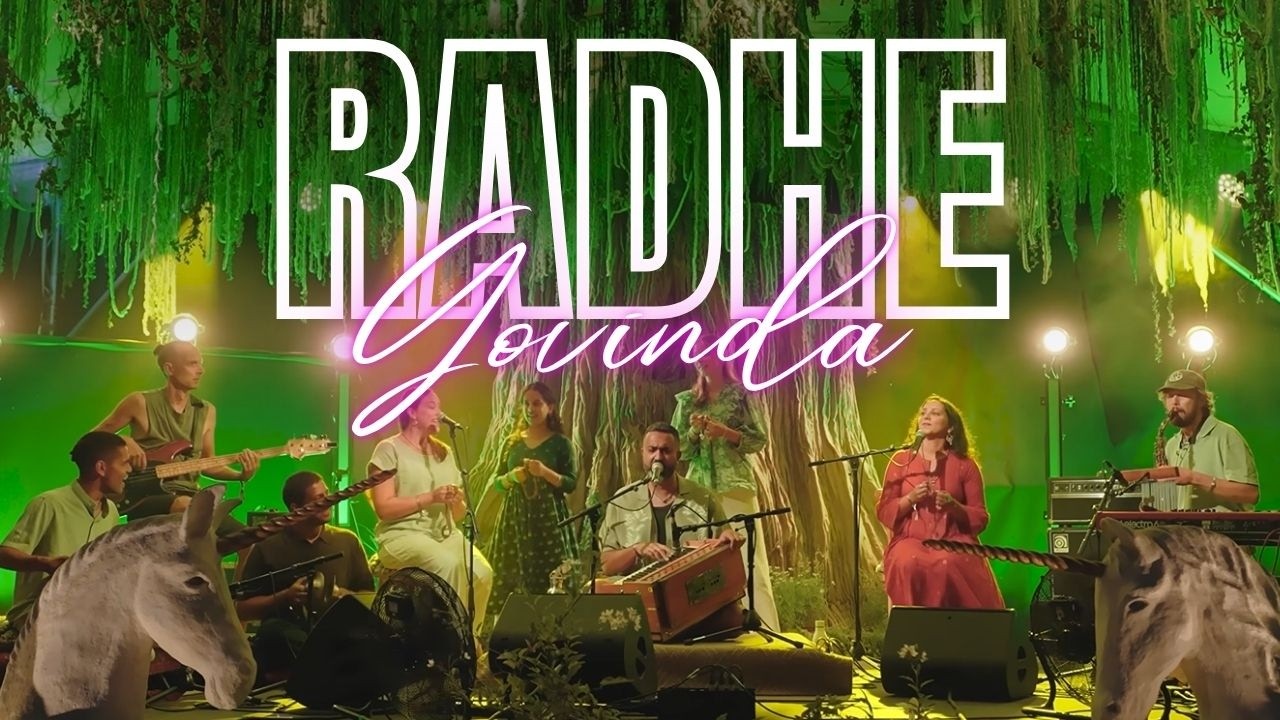
Radhe Govinda: The Sacred Sound That Awakens the Heart
Inspire

Radhe Govinda: The Sacred Sound That Awakens the Heart

A live kirtan performance channeling transcendental sound to awaken spiritual nature. Radhika Das leads a full ensemble through the transfor…

1 min read
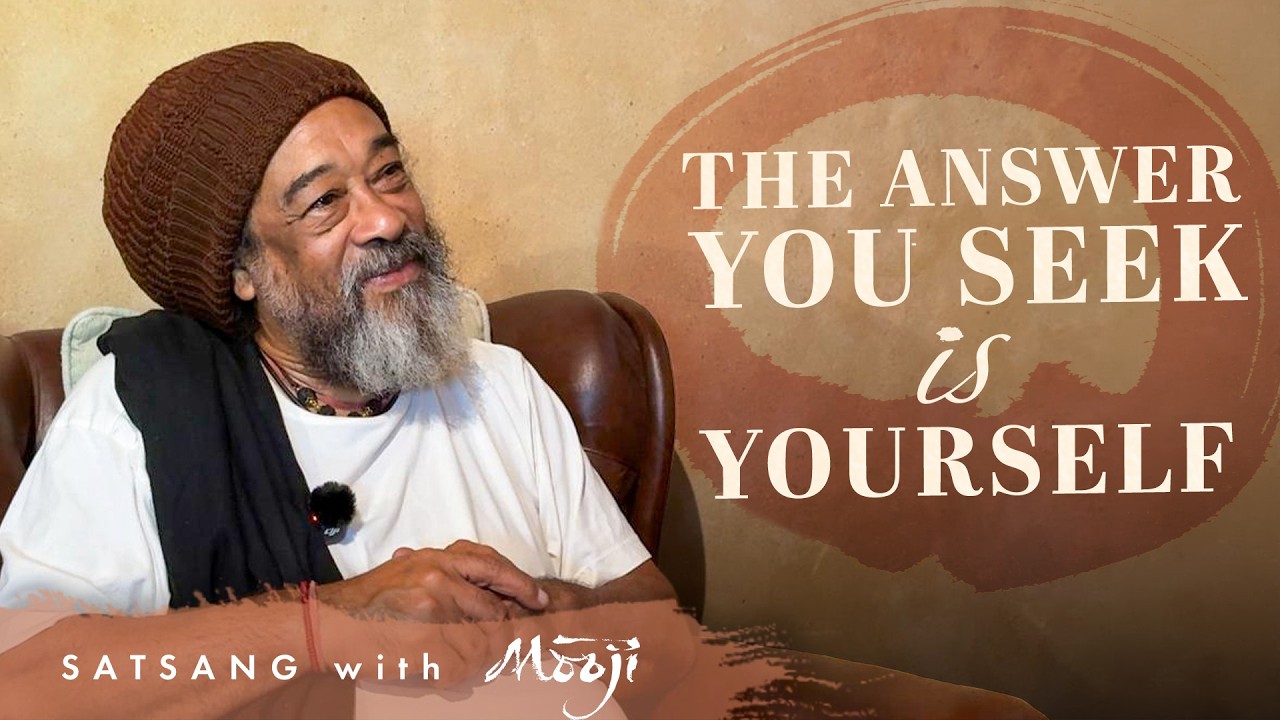
The Observer Beyond the Mind: Finding Freedom From Vasanas
Inspire

The Observer Beyond the Mind: Finding Freedom From Vasanas

A sincere seeker struggles with six years of mind storms after a brief taste of peace. Mooji traces the real work: moving from personal perc…

1 min read

Sigue explorando

Continúa tu camino

Más sabiduría y encuentros de todo el directorio de BrightStar.

Más artículos

Recorre la biblioteca completa de enseñanzas, entrevistas y guías.

Ver todos los artículos →

Maestros y artistas

Explora los linajes, músicos y guías del mundo consciente.

Explorar artistas →

Encuentra un evento

Kirtan, retiros, baños de sonido, breathwork, festivales — muy pronto.

Ver eventos →