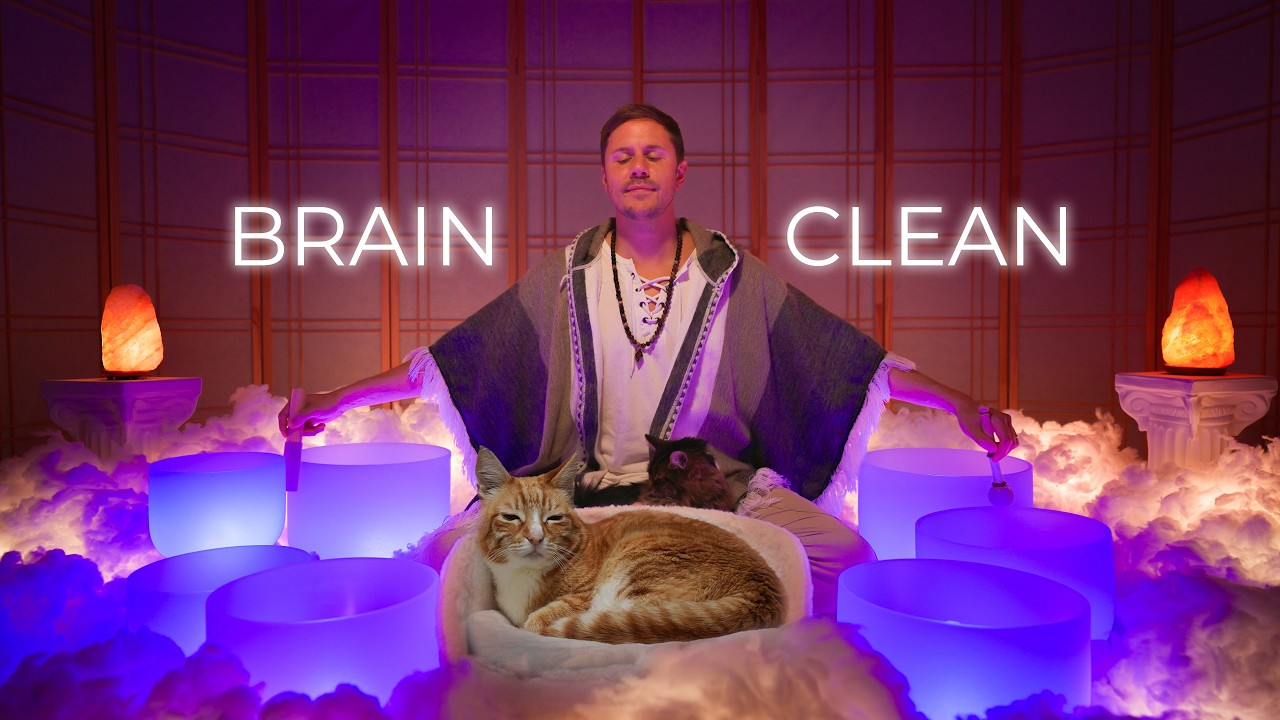
When chronic stress becomes the default setting, the nervous system loses its capacity to shift gears. The body stays locked in fight-or-flight mode—muscles tense, breath shallow, digestion sluggish—even when the immediate threat has passed. This is where targeted sound work enters: not as a replacement for medical treatment, but as a deliberate tool for teaching the nervous system to remember what rest actually feels like. A vagus nerve detox sound bath does precisely that—it creates acoustic conditions that invite the body's parasympathetic response, the "rest and digest" state that undoes the accumulation of unresolved stress.
What Does the Vagus Nerve Actually Do?
The vagus nerve is not a fashionable wellness concept—it is one of the body's master regulators. This long cranial nerve runs from the brainstem all the way to the gut, touching the heart, lungs, and digestive organs along the way. It governs heart rate, breathing patterns, digestion, immune response, and the body's ability to recover after stress. When the vagus nerve is toned and responsive, these systems function with ease. When it has been chronically underused—trapped in a state of overstimulation or shutdown—the whole system becomes dysregulated. Inflammation rises, digestion falters, sleep becomes elusive, and emotional resilience evaporates.
This is the "buildup" that sound work addresses. Think of it not as toxins in the literal sense, but as the accumulated tension held in the nervous system when it has been switched on too long without genuine downtime. The nervous system has developed a kind of scar tissue—a rigidity that prevents the natural oscillation between activation and rest.
How Sound Activates the Vagus Nerve
Sound, particularly slow and deeply resonant tones, reaches the nervous system below the level of conscious thought. The vagus nerve itself contains sensory fibers that detect vibration and frequency. When the body is bathed in calming, sustained tones—such as those from singing bowls, drones, or carefully composed ambient frequencies—these vibrations create a direct communication with the vagal pathways. The effect is not instantaneous hypnosis but a gradual invitation: the nervous system receives the signal that the environment is safe, that there are no predators, that the body can afford to downshift.
This is why a sound bath designed for vagus nerve activation differs from typical relaxation music. The tones must be slow enough to slow brainwave activity. The progressions must support deepening rather than creating emotional arcs that re-engage the thinking mind. The texture must be consistent enough that the nervous system can stop anticipating change and simply settle. There is nothing to chase, nothing to figure out—only the steady presence of sound inviting the parasympathetic nervous system online.
When to Use a Vagus Nerve Detox
A vagus nerve detox sound bath serves several distinct needs. Use it when you feel wired—when the mind is racing even though you are physically still, when sleep seems impossible despite exhaustion. Use it when you are emotionally drained, when your capacity for patience and presence has been depleted by too many demands. Use it when physical tension has become your baseline, when your shoulders live near your ears and your jaw carries the memory of every unresolved conflict. Use it simply when you need a deeper reset than a walk or a nap can provide.
The session also functions as a tool for recovery after periods of high stress—the weeks after a crisis, the month following grief, the stretch after overwork. In these moments, the nervous system does not automatically downregulate just because the stressor has passed. It needs permission, support, and repeated exposure to safety signals. Sound baths provide exactly that: a structured 50-minute to three-hour container in which the only job is to receive.
How to Get the Most from a Sound Bath
There is nothing to force in a sound bath designed for vagus nerve activation. The instruction is simple: listen, soften, let your system come down at its own pace. In practice, this means creating a physical environment that supports the work—a comfortable place to lie down, minimal external interruption, and permission to rest without agenda. Some people find that lying flat, with a pillow under the knees to release the lower back, works best. Others prefer a supported recline. The key is that your body is supported enough that you are not spending energy managing tension.
As the sound begins, allow your breathing to settle naturally. Do not try to breathe in a particular pattern or count. The tones themselves often slow the breath. Pay attention to where you hold tension—the jaw, the belly, the shoulders—and with each exhale, allow those areas to soften slightly. There is no performance here. If your mind wanders, that is not failure. If you feel emotion rise, let it move through. The vagus nerve does not distinguish between different types of release; it simply registers the shift from defended to open.
Some sessions may feel immediately restorative. Others may feel subtle on the surface while deeper changes occur in the nervous system. Consistency matters more than intensity. A sound bath used once as a curiosity will create a small opening. The same sound bath used as a regular practice—weekly, or even daily—begins to train the nervous system to access rest more readily, until the parasympathetic response becomes more available outside the session as well.
Beyond the Session: Integrating the Reset
The work does not end when the sound stops. The hour or hours immediately following a deep sound bath are sensitive. The nervous system is in a soft, open state. Rushing back into stimulation—bright screens, demanding conversations, complex problem-solving—can collapse the gains. If possible, move slowly after the session. Drink water. Rest. Sit quietly for a few minutes. This integration allows the nervous system to anchor the experience of rest and begin rewiring itself toward greater baseline parasympathetic tone.
Over time and with repetition, regular vagus nerve activation through sound work can shift the nervous system's default setting. Your resting heart rate may lower. Sleep may deepen. Digestion may improve. Emotional reactivity may decrease. These are not dramatic transformations but the quiet restoration of functioning that chronic stress had compromised.
A Note on Sound and Medicine
Sound baths are designed to calm and relax the body and create a state of mindfulness and reflection. Through relaxation and mindfulness, the human body's natural healing processes can unfold. However, sound work is in no way meant to be a replacement for traditional medicine. If you are managing a diagnosed condition, taking medication, or working with a healthcare provider, continue that care. A sound bath is a complement to medical treatment, not an alternative to it. It is one tool among many for supporting nervous system health.
Where to Go from Here
If vagus nerve activation through sound resonates with you, consider building it into your regular practice. Many people find that a weekly or twice-weekly sound bath creates measurable shifts in nervous system responsiveness. Experiment with different durations—some practitioners prefer shorter sessions (45 minutes) to start, while others find that 90 minutes or longer allows for deeper settling. Pay attention to your own response. Your nervous system will tell you what it needs if you listen. You might also explore other vagus nerve activation techniques—humming, cold water exposure, or gentle breathwork—to compound the effects. The goal is not to become dependent on sound baths but to use them as a training ground for parasympathetic access that eventually becomes your own skill.