BrightStar

Ver Todos los Events

Discover conscious gatherings

events

Yoga
Meditation
Breathwork
Qigong
Tai Chi
Sacred Music
World Music
Medicine Music
Sound Healing
Ecstatic Dance
Destinos Populares
BaliSedonaLos AngelesCosta RicaNew YorkSan FranciscoAustinMiamiJoshua TreeTulum
Ver Todas las CategoríasVer Todos los Destinos

Explorar Todas las Características

Herramientas poderosas para hacer crecer tus eventos

Características de la Plataforma

Precios Dinámicos Inteligentes
Categorías de Entradas
Asientos Asignados
Recuperación de Carritos
Recuperación de Visitantes
Donaciones y Escala Móvil
Motor de Afiliados
Escáner de Entradas
Códigos de Cupón
Preguntas Personalizadas
Compartir Entradas
Ventas Adicionales
Análisis e Informes
Secuencias de Email
Lista de Espera / Notificar / Recordar
Personas y Lugares
Artists & TeachersEvent OrganizersVenues & StudiosKnowledge BaseGlossaryInspiration
Ver Todas las CaracterísticasSobre Nosotros
PreciosBlog
Saved events
Ver Todos los Eventos

events

YogaMeditationBreathworkQigongTai ChiSacred MusicWorld MusicMedicine Music

Destinos Populares

BaliSedonaLos AngelesCosta RicaNew YorkSan Francisco

Personas y Lugares

Artists & TeachersEvent OrganizersVenues & StudiosKnowledge BaseGlossaryInspiration

Características de la Plataforma

Precios Dinámicos InteligentesCategorías de EntradasAsientos AsignadosRecuperación de CarritosRecuperación de VisitantesDonaciones y Escala MóvilMotor de AfiliadosEscáner de EntradasCódigos de CupónPreguntas PersonalizadasCompartir EntradasVentas AdicionalesAnálisis e InformesSecuencias de EmailLista de Espera / Notificar / Recordar
Ver Todas las CaracterísticasSobre Nosotros
PreciosBlog
Iniciar sesiónBuscadoresCreadores
Tibetan BuddhistOm Mani Padme Hum · Om Mani Padme Hum · Om Mani Padme Hum · Om Mani Padme Hum ·
  • Ver Todos los Events
  • Para Buscadores
  • Yoga
  • Meditation
  • Breathwork
  • Qigong & Tai Chi
  • Tai Chi
  • Sacred Music
  • Retiros
  • Talleres
  • Todas las Categorías →
  • Bali
  • Sedona
  • Los Angeles
  • Costa Rica
  • Tulum
  • Byron Bay
  • San Francisco
  • Austin
  • Todas las Ciudades →
  • Para Creadores
  • For Teams
  • Para Escritores
  • Para Maestros
  • Para Artistas de Kirtan
  • Para Estudios
  • Para Festivales
  • Para Centros de Retiros
  • Para Organizaciones Sin Fines de Lucro
  • Embajador de Marca
  • Casos de Estudio
  • Free Ticketing
  • Elevate
  • Amplify
  • Red de +350K Compradores
  • Recuperación de Carritos
  • Precios Dinámicos Inteligentes
  • Categorías de Entradas
  • Eventos Recurrentes
  • Asientos Asignados
  • Motor de Afiliados
  • Lista de Espera / Notificar
  • Escáner de Entradas
  • Widget Embebido
  • Event Syndication
  • Message Center
  • Integraciones
  • Reports
  • Todas las Características →
  • Acerca de
  • The Ecosystem
  • Blog
  • Glosario
  • Inspiración
  • Centro de Ayuda
  • Contacto
  • Documentación API
  • Recursos de Marca
  • Carreras
  • Prensa
  • Términos de Servicio
  • Política de Privacidad

Events

  • Ver Todos los Events
  • Para Buscadores
  • Yoga
  • Meditation
  • Breathwork
  • Qigong & Tai Chi
  • Tai Chi
  • Sacred Music
  • Retiros
  • Talleres
  • Todas las Categorías →

Destinos

  • Bali
  • Sedona
  • Los Angeles
  • Costa Rica
  • Tulum
  • Byron Bay
  • San Francisco
  • Austin
  • Todas las Ciudades →

Para Creadores

  • Para Creadores
  • For Teams
  • Para Escritores
  • Para Maestros
  • Para Artistas de Kirtan
  • Para Estudios
  • Para Festivales
  • Para Centros de Retiros
  • Para Organizaciones Sin Fines de Lucro
  • Embajador de Marca
  • Casos de Estudio
  • Free Ticketing
  • Elevate
  • Amplify

Características

  • Red de +350K Compradores
  • Recuperación de Carritos
  • Precios Dinámicos Inteligentes
  • Categorías de Entradas
  • Eventos Recurrentes
  • Asientos Asignados
  • Motor de Afiliados
  • Lista de Espera / Notificar
  • Escáner de Entradas
  • Widget Embebido
  • Event Syndication
  • Message Center
  • Integraciones
  • Reports
  • Todas las Características →

Empresa

  • Acerca de
  • The Ecosystem
  • Blog
  • Glosario
  • Inspiración
  • Centro de Ayuda
  • Contacto
  • Documentación API
  • Recursos de Marca
  • Carreras
  • Prensa
  • Términos de Servicio
  • Política de Privacidad
BrightStar
© 2026 BrightStar. Todos los derechos reservados.
Inspiration

Transcendental Sound: How KirtanAwakens the Heart

Radhika Das
Radhika Das
Aug 27, 2026
7 min read
Watch · 6

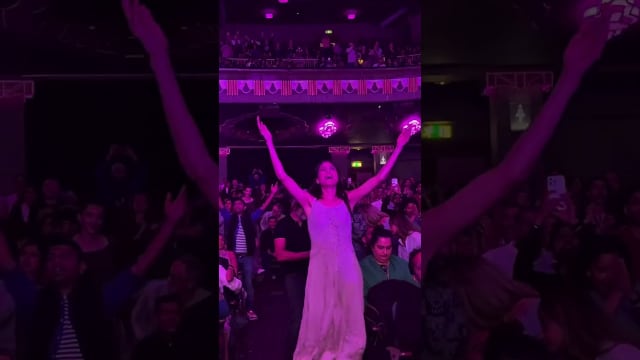
At Medicine Festival 2026 in Reading, UK, Radhika Das stepped into the role of sound healer, leading a room full of strangers in one of the oldest spiritual practices known to human culture. The power was immediate: within moments of her voice finding the opening notes of the maha-mantra—"Hare Krishna, Hare Krishna, Krishna Krishna, Hare Hare; Hare Rama, Hare Rama, Rama Rama, Hare Hare"—the collective breath of the festival shifted. What Das was channeling that afternoon is far older than any single tradition or moment: the liberating force of transcendental sound.

Read · 6 sections

What Is Mantra, and Why Does It Matter?

The word mantra comes from Sanskrit and carries within it an entire philosophy of human transformation. It means "that which liberates and cleanses the mind." A mantra is not simply a collection of syllables to be repeated mechanically. It is a sacred sound formula that, when vibrated repeatedly, becomes a process of purifying the heart and mind. The theory behind this is not mystical hand-waving but a deliberate technology: through the rhythmic repetition of specific phonetic combinations, the inner light that already exists within each person is invited to shine outward into every aspect of daily life.

The simplicity of this approach belies its power. You do not need to be spiritually advanced to begin. You do not need years of preparation. A mantra works by its own resonance, gradually loosening the knots of mental turbulence—the stories we tell ourselves, the fears we rehearse, the grief we hold—and allowing what lies beneath to emerge. This is why chants, prayers, hymns, and the recitation of sacred texts appear across every spiritual tradition throughout history and throughout the world. The mechanism is universal even if the words change.

The Maha-Mantra and Its Awakening Power

Of all the mantras preserved within the Indian spiritual tradition, the maha-mantra holds a particular place. Its construction is precise: it names the divine in two of its primary forms—Krishna and Rama—and invokes the divine feminine principle, Hare. The mantra does not ask for anything. It makes no petition. Instead, it functions as an address, a direct calling-in of the presence that the tradition teaches is already within and around us. According to the philosophy that frames this practice, the maha-mantra awakens the heart to its divine nature and brings about joy and true inner satisfaction—not the fleeting pleasure of circumstance, but the stable contentment that comes from knowing one's own essential nature.

When Das led the room through the maha-mantra at Medicine Festival, she was not performing; she was conducting an ancient technology. The arrangement she used was inspired by HH Sacinandana Swami and HG Sri Prahlad Das, and it demonstrated the care that contemporary kirtan artists bring to this ancient form. The entry to the kirtan consisted of meditative vocals and piano, creating a mood designed to inspire loving devotion—or bhakti, the Sanskrit term for the yoga of the heart. This was not incidental: the entire sonic architecture was built to open participants to emotional vulnerability and collective prayer.

Building Community Through Collective Sound

A crucial moment in Das's kirtan came when she asked the room to step into greater intimacy. At around five minutes into the performance, she invited participants to reach out and grasp the hand of the person next to them. For many in the room, this was indeed "a little out of the comfort zone," as she acknowledged. But she invited them to try anyway. As the chanting continued, she reframed the act: "I want you to pray for the person," she said. "Don't pray for your own peace. Don't pray for your own. Pray for peace on this land, on this place we all have." Close the eyes, open the heart, she instructed. Every heart.

This was the reversal at the heart of kirtan practice: the solitary, introspective meditation becomes an instrument of collective care. By holding another person's hand while chanting the divine names, participants moved from using the mantra for personal purification into using it as an act of service. The self-orientation of spiritual practice—which can easily become narcissistic—was dissolved into the larger body. This is why kirtan is considered a form of bhakti yoga, the yoga of devotion, rather than a passive listening experience. Everyone present becomes an instrument through which the healing frequency moves.

The Musical Architecture of Modern Kirtan

Das did not perform this kirtan alone. The ensemble she led included backing vocals and kartals (finger cymbals) from Ananda Monet, Daivī-kumārī, Shyamali Buddhdev, and Radha Sundari. Keli Woods brought guitar and piano, Michael Goodey anchored the low end on bass, Abhay Buddhdev played the mridanga (a classical Indian drum), Tadas Mickevicius added saxophone, and Nayan Pankhania provided whompers—hand-drum patterns that kept the rhythm alive. This was not a folk practice; it was a carefully arranged contemporary expression of an ancient form.

The production quality reflected the seriousness with which modern kirtan artists approach their craft. The sound was engineered and mixed by Tabla Tom, filmed by Filmwork Studios, and edited by Hannah Brown. What emerged was a professional documentation of a sacred practice—preserving both the authenticity of the tradition and the immediacy of the live moment. The music breathed with the same sophistication you would expect from any serious musical performance, yet it remained rooted in the singular purpose of kirtan: to open the heart and awaken the innate brilliance within.

Why Sacred Sound Still Heals

In an era when many people feel isolated despite being perpetually connected, and when the noise of daily life drowns out inner quiet, the power of mantra becomes increasingly relevant. The maha-mantra does not require belief in any particular theology. It functions through resonance—through the direct vibrational impact of sound on the nervous system and the mind. When a room full of people chant together, something neurological and something transcendent occur simultaneously. Brain imaging studies have shown that chanting activates regions associated with self-referential thinking, memory, and emotional processing. But the subjective experience—the opening of the heart, the dissolving of separation, the sense of joy—points to something that neuroscience has not yet fully mapped.

Das understood this when she closed the eyes of the festival and opened its heart. She knew that in that moment, the room was not thinking about kirtan; it was being kirtan. The mantra was not something performed by her for the audience. It was something that moved through all of them, binding them into a single organism of devotion. That is the ancient promise of transcendental sound, and it remains as vital today as it was centuries ago.

Where to go from here

If this experience resonates with you, consider exploring a live kirtan session in your area. Unlike some spiritual practices, kirtan requires no prior knowledge or belief system—only a willingness to open and chant. You might begin with the maha-mantra itself, learning its syllables and letting them settle into your own practice. Read more about the philosophy of bhakti yoga and how devotional practice differs from other forms of yoga. Explore recordings from contemporary kirtan artists who are preserving and evolving this tradition. And most importantly, experience the collective power: find a gathering where you can chant with others, hold hands, and feel the resonance that happens when many hearts vibrate as one.
Transcript

[0:01] Hare Krishna Hare Krishna, Krishna

[0:23] Krishna Hare Hare. Hare Rama Hare Rama,

[0:53] Rama Rama Hare Hare. Your turn, let’s

[1:12] , Hare Krishna Hare. Hare Krishna

[1:33] Krishna Krishna Hare Hare. Rama Hare

[2:00] Rama, Hare Rama Rama Rama Hare Hare.

[2:36] Hare Krishna Hare Krishna, Krishna

[2:56] Krishna Krishna Hare Hare. Hare Hare

[3:22] Rama Hare Rama, Rama Rama Hare Hare.

[3:56] All together, every voice, Hare Krishna

[4:09] Hare Krishna, Krishna Hare Hare. Rama

[4:41] Hare Rama, Hare Rama Hare Hare. Ask you

[5:24] to do now, might seem a little out of

[5:27] the comfort zone but try your best. I

[5:31] want you to reach out with the hand to

[5:34] the person next to you and grab the

[5:36] hand of the person next to you. I know

[5:41] again like just go As you chant the

[5:47] next mantra. I want you to pray for the

[5:51] person, don't for your own peace, don't

[5:56] pray for your own, about you be Another

[6:03] peace on this land, on this this place

[6:06] we all in have it. Close the eyes, open

[6:13] the heart, every heart, every Hare

[6:21] Krishna Hare Krishna, Krishna Krishna

[6:43] Krishna As now you can please. Hare

[7:05] Rama Hare Rama, Rama Rama Hare.

[7:39] Together once again, Hare Krishna,

[7:50] Beautiful. Hare Krishna Krishna Krishna

[8:13] Hare Hare. Rama Hare Rama, Hare Rama

[8:43] Rama Rama. One more, one more, Krishna

[9:15] Hare Hare. Krishna Krishna Krishna

[9:26] Krishna Krishna Hare Hare. Rama Hare

[9:51] Rama, Hare Rama Rama, Jai ho, Jai Maha.

[10:19] Hare Hare Krishna Hare Krishna, Krishna

[10:52] Krishna Hare Hare. Hare Rama Hare Rama,

[11:16] Rama Rama Hare Hare. Voice, Hare

[11:34] Krishna Hare hey. Hare Rama Rama Rama

[12:20] Rama Rama Rama Hare Hare. Hare Krishna

[12:35] Hare Krishna, Krishna Krishna Hare Hare

[12:51] . Hare Rama Hare Rama, Rama Rama Hare

[13:15] Hare. Voice, Rama Rama Hare Rama. Hare

[14:09] Krishna Hare Krishna, Krishna Krishna

[14:20] Hare Hare. Hare Hare Rama Hare Rama,

[14:33] Rama Rama Hare Hare. Hare Krishna Hare

[14:48] Krishna, Krishna Krishna Krishna

[14:53] Krishna Hare Hare. Hare Rama Rama Rama

[15:07] Rama Rama Hare Hare. Krishna Hare

[15:20] Krishna, Krishna Krishna Hare Hare.

[15:31] Hare Rama Hare Rama, Rama Hare Hare.

[15:54] Krishna Hare Krishna, Hare Hare Krishna

[16:20] Krishna Krishna Hare Hare. Hare Rama

[16:22] Hare Rama, Rama Rama Hare Hare.

[16:26] Hare Krishna Hare Krishna Krishna

[16:28] Krishna Hare Hare Hare Rama Hare Rama

[16:31] Rama Rama Hare Hare

[16:33] Hare Krishna, Hare Krishna, Krishna

[16:36] Krishna, Hare Hare. Hare Rama, Hare

[16:39] Rama, Rama Rama, Hare Hare. Hare

[16:42] Krishna, Hare Krishna, Krishna Krishna,

[16:44] Hare Hare. Hare Hare, Rama Rama, Rama

[16:48] Hare Hare. Krishna, Hare Krishna,

[16:51] Krishna Krishna, Hare Hare. Hare Rama,

[16:54] Hare Rama, Rama Rama, Hare Hare. Hare

[16:57] Krishna, Hare Krishna, Krishna Krishna,

[17:00] Hare Hare. Ram, Hare Ram, Ram Ram, Hare

[17:04] Hare.

[17:04] Hare Krishna Hare Krishna, Krishna

[17:07] Krishna Hare Hare. Hare Ram Hare Ram,

[17:11] Ram Ram Hare Hare. Hare Krishna Hare

[17:14] Krishna, Krishna Krishna Hare Hare.

[17:17] Hare Ram Hare, Hare Ram Ram. Hare

[17:20] Krishna Hare Krishna, Krishna Krishna

[17:24] Hare Hare. Hare Ram Hare Ram, Ram Ram

[17:28] Hare Hare. Hare Krishna Krishna, Hare

[17:32] Hare. Hare Ram Hare Ram, Ram Ram Hare

[17:35] Hare. Krishna Hare Krishna, Krishna

[17:39] Krishna Hare Hare. Hare Ram Ram Ram,

[17:43] Hare Hare. Krishna Hare Krishna,

[17:46] Krishna Krishna Hare Hare. Ram Hare Ram

[17:49] . Hare Krishna Hare Krishna, Krishna

[17:54] Krishna Hare Hare. Ram Hare Ram, Ram

[17:57] Ram Hare Hare. Krishna Hare Krishna,

[18:02] Hare Hare. Hare Krishna Hare Krishna,

[18:07] Krishna Krishna Hare Hare. Hare Ram

[18:11] Hare Ram, Ram Ram Hare Hare. Krishna

[18:25] Hare Krishna, Krishna Krishna Hare Hare

[18:30] . Hare Rama Hare Rama, Rama Rama Hare

[18:38] Hare. Hare Krishna Hare Krishna,

[18:58] Krishna Krishna Hare Hare. Hare Rama

[19:04] Hare Rama, Rama Rama Hare Hare. Hare

[19:25] Krishna Hare Krishna, Krishna Krishna

[19:30] Hare Hare. Hare Rama Hare Rama, Rama

[19:35] Rama Hare Hare. Hare Krishna Hare

[19:39] Krishna, Thank you so much. Hare

[20:21] Krishna Hare Krishna, Krishna Krishna

[20:30] Hare. Hare Hare. Hare Krishna Hare

[20:53] Krishna, Krishna Krishna Hare Hare.

[21:03] Hare Hare Hare. Hare Krishna Hare

[21:21] Krishna, Krishna Krishna Hare. Hare

[21:29] Hare Hare. Rama Rama Rama, Hare.

[22:03] Everybody give it up for this

[22:05] incredible collective organization.

Radhika Das
AuthorRadhika Das

London-born kirtan singer sharing the devotional practice of Bhakti mantra meditation with audiences worldwide.

View profileSitio web
Explore Topics
KirtanMantraBhakti-yogaSacred-soundTranscendental-consciousness

¿Tienes Preguntas?

Preguntas Frecuentes

Mantra means 'that which liberates and cleanses the mind.' It refers to a sacred sound formula vibrated repeatedly to purify the heart and mind and allow inner brilliance to shine into every aspect of life.
The maha-mantra is 'Hare Krishna, Hare Krishna, Krishna Krishna, Hare Hare; Hare Rama, Hare Rama, Rama Rama, Hare Hare.' It awakens the heart to its divine nature and brings joy and true inner satisfaction by addressing the divine through multiple names.
Bhakti yoga is the yoga of devotion, in which spiritual practice centers on love and opening the heart. Kirtan is a form of bhakti yoga—collective chanting that uses transcendental sound to deepen emotional and spiritual connection both personally and communally.
No. Kirtan functions through the vibrational resonance of sound itself. You do not need any particular theological belief to benefit from chanting—only a willingness to open and participate in collective sound.
Chanting activates regions in the brain associated with self-referential thinking, memory, and emotional processing while also calming the nervous system. The repeated vibration of sacred syllables purifies mental turbulence and can produce experiences of joy, peace, and interconnection.

Continue Reading

More from Radhika

Ver Todo
Radhe Govinda Mantra: Awakening Divine Heart Through Transcendental Sound
Inspire

Radhe Govinda Mantra: Awakening Divine Heart Through Transcendental Sound

Experience how the "Radhe Govinda" mantra awakens the heart to its divine nature and brings joy through transcendental sound and sacred kirt…

1 min read
Tukaram's Posture Wisdom: Divine Presence in Every Position
Inspire

Tukaram's Posture Wisdom: Divine Presence in Every Position

Saint Tukaram teaches that Divinity meets us in every physical position—sitting, standing, lying down—and embraces us most fully when we dan…

1 min read
Ocean Goddess Rising: Two Voices Reimagine Yemaya
Inspire

Ocean Goddess Rising: Two Voices Reimagine Yemaya

Deva Premal and Ajeet unite in a devotional collaboration honoring Yemaya, the Yoruba ocean goddess, recorded in Costa Rica with arbutar acc…

1 min read
Chanting Together: The Sacred Practice of Kirtan
Inspire

Chanting Together: The Sacred Practice of Kirtan

A Thursday night satsang showcases the transformative power of collective chanting, weaving Sanskrit invocations with musical ensemble and d…

1 min read

Keep exploring

Continue your journey

More wisdom and gatherings from across the BrightStar directory.

More Articles

Browse the full library of teachings, interviews, and guides.

Back to all articles →

Teachers & Artists

Explore the lineages, musicians, and guides of the conscious world.

Explore artists →

Find an Event

Kirtan, retreats, sound baths, breathwork, festivals — happening soon.

Browse events →