BrightStar

Ver Todos los Events

Descubre encuentros conscientes

events

Yoga
Meditation
Breathwork
Qigong
Tai Chi
Sacred Music
World Music
Medicine Music
Sound Healing
Ecstatic Dance
Destinos Populares
BaliSedonaLos AngelesCosta RicaNew YorkSan FranciscoAustinMiamiJoshua TreeTulum
Ver Todas las CategoríasVer Todos los Destinos

Explorar Todas las Características

Herramientas poderosas para hacer crecer tus eventos

Características de la Plataforma

Precios Dinámicos Inteligentes
Categorías de Entradas
Asientos Asignados
Recuperación de Carritos
Recuperación de Visitantes
Donaciones y Escala Móvil
Motor de Afiliados
Escáner de Entradas
Códigos de Cupón
Preguntas Personalizadas
Compartir Entradas
Ventas Adicionales
Análisis e Informes
Secuencias de Email
Lista de Espera / Notificar / Recordar
Personas y Lugares
Artists & TeachersEvent OrganizersVenues & StudiosKnowledge BaseGlossaryInspiration
Ver Todas las CaracterísticasSobre Nosotros
PreciosBlog
Language
Saved events
Ver Todos los Eventos

events

YogaMeditationBreathworkQigongTai ChiSacred MusicWorld MusicMedicine Music

Destinos Populares

BaliSedonaLos AngelesCosta RicaNew YorkSan Francisco

Personas y Lugares

Artists & TeachersEvent OrganizersVenues & StudiosKnowledge BaseGlossaryInspiration

Características de la Plataforma

Precios Dinámicos InteligentesCategorías de EntradasAsientos AsignadosRecuperación de CarritosRecuperación de VisitantesDonaciones y Escala MóvilMotor de AfiliadosEscáner de EntradasCódigos de CupónPreguntas PersonalizadasCompartir EntradasVentas AdicionalesAnálisis e InformesSecuencias de EmailLista de Espera / Notificar / Recordar
Ver Todas las CaracterísticasSobre Nosotros
PreciosBlog
Iniciar sesiónBuscadoresCreadores
  • Ver Todos los Eventos
  • Para Buscadores
  • Yoga
  • Meditación
  • Respiración consciente
  • Qigong
  • Tai chi
  • Música sagrada
  • Música del mundo
  • Música medicina
  • Sanación con sonido
  • Danza extática
  • Retiros
  • Talleres
  • Todas las Categorías →
  • Bali
  • Sedona
  • Los Angeles
  • Costa Rica
  • Tulum
  • Byron Bay
  • San Francisco
  • Austin
  • New York
  • San Diego
  • Denver
  • Seattle
  • Portland
  • Miami
  • Todas las Ciudades →
  • Join the Movement
  • Why we list
  • Sell Globally
  • Para Creadores
  • Para equipos
  • Para Escritores
  • Para Maestros
  • Para Artistas de Kirtan
  • Para Estudios
  • Para Festivales
  • Para Centros de Retiros
  • Para Organizaciones Sin Fines de Lucro
  • Embajador de Marca
  • Casos de Estudio
  • Entradas sin costo
  • Elevate
  • Amplify
  • Red de +500K Compradores
  • Recuperación de Carritos
  • Precios Dinámicos Inteligentes
  • Categorías de Entradas
  • Eventos Recurrentes
  • Asientos Asignados
  • Motor de Afiliados
  • Lista de Espera / Notificar
  • Escáner de Entradas
  • Widget Embebido
  • Sindicación de eventos
  • Centro de mensajes
  • Integraciones
  • Reportes
  • Todas las Características →
  • Acerca de
  • El ecosistema
  • Blog
  • Glosario
  • Inspiración
  • Centro de Ayuda
  • Contacto
  • Documentación API
  • Recursos de Marca
  • Carreras
  • Prensa
  • Términos de Servicio
  • Política de Privacidad

Eventos

  • Ver Todos los Eventos
  • Para Buscadores
  • Yoga
  • Meditación
  • Respiración consciente
  • Qigong
  • Tai chi
  • Música sagrada
  • Música del mundo
  • Música medicina
  • Sanación con sonido
  • Danza extática
  • Retiros
  • Talleres
  • Todas las Categorías →

Destinos

  • Bali
  • Sedona
  • Los Angeles
  • Costa Rica
  • Tulum
  • Byron Bay
  • San Francisco
  • Austin
  • New York
  • San Diego
  • Denver
  • Seattle
  • Portland
  • Miami
  • Todas las Ciudades →

Para Creadores

  • Join the Movement
  • Why we list
  • Sell Globally
  • Para Creadores
  • Para equipos
  • Para Escritores
  • Para Maestros
  • Para Artistas de Kirtan
  • Para Estudios
  • Para Festivales
  • Para Centros de Retiros
  • Para Organizaciones Sin Fines de Lucro
  • Embajador de Marca
  • Casos de Estudio
  • Entradas sin costo
  • Elevate
  • Amplify

Características

  • Red de +500K Compradores
  • Recuperación de Carritos
  • Precios Dinámicos Inteligentes
  • Categorías de Entradas
  • Eventos Recurrentes
  • Asientos Asignados
  • Motor de Afiliados
  • Lista de Espera / Notificar
  • Escáner de Entradas
  • Widget Embebido
  • Sindicación de eventos
  • Centro de mensajes
  • Integraciones
  • Reportes
  • Todas las Características →

Empresa

  • Acerca de
  • El ecosistema
  • Blog
  • Glosario
  • Inspiración
  • Centro de Ayuda
  • Contacto
  • Documentación API
  • Recursos de Marca
  • Carreras
  • Prensa
  • Términos de Servicio
  • Política de Privacidad
BrightStar
© 2026 BrightStar. Todos los derechos reservados.
Inspiration

'Til My Song Is Done': Sacrifice and the Artist's Calling

Emma Donovan
Emma Donovan
Feb 20, 2024
7 min de lectura

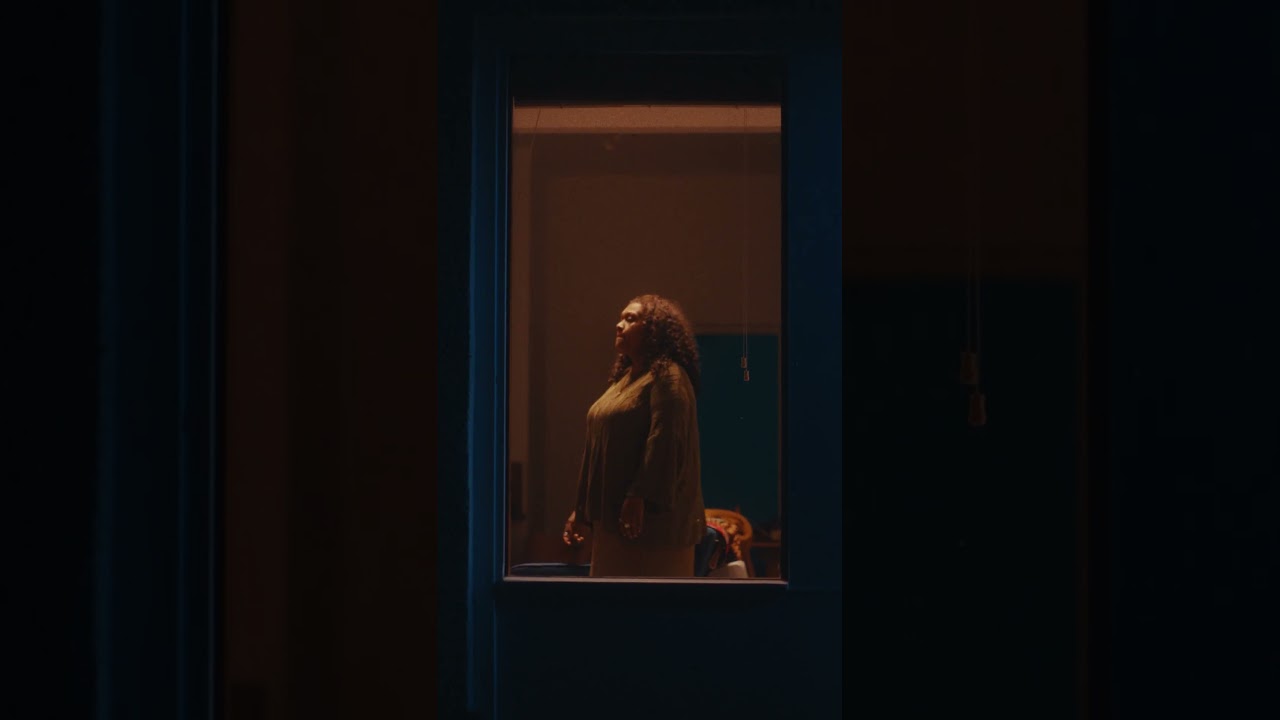
The stage at Melbourne's iconic Forum Theatre holds the weight of a decision that won't resolve. Emma Donovan, performing "Til My Song Is Done," articulates in her opening lines the central tension of her work—and in doing so, the central tension facing any artist who refuses to separate art from justice:

On the run, til my song is done
Doin' without, til my song is done
Late nights out, til my song is done
I'll get home to my kids, til my song is done

The refrain isn't resignation. It's commitment stated as fact, presented with the clarity of someone who has already made the calculation and is now simply naming the cost aloud.

Leer · 7 secciones

What happens when art and justice become the same thing?

Released in April 2024, "Til My Song Is Done" distills something that most art fails to articulate clearly: the paradox of the politically committed artist. This is the person whose voice is demanded by history, whose silence would be a kind of betrayal to the communities they belong to and speak for, but whose presence and labor carry a cost that most will never calculate and few will adequately acknowledge. The song doesn't resolve this tension; it refuses to. Instead, it insists on the tension itself, repeating the refrain until the listener sits inside the knowledge: this is what it means to choose art and justice over rest, and this choice never becomes easier or more comfortable, no matter how many times you make it.

What makes "Til My Song Is Done" singular is how precisely it refuses false reconciliation. Donovan doesn't promise that sacrifice will be rewarded in some future moment, or that the cause she's fighting for will ultimately triumph, or that she'll somehow manage to balance everything perfectly, becoming the mythical artist-parent who has it all figured out. Instead, she sings past those fantasies into harder truths:

Sing up in my ribs, til my song is done
Sing through my tears, til my song is done
It's been through all of the years, til my song is done
Still history repeats, til my song is done

Why does history keep repeating in her song?

The repetition of "history repeats" is the turning point of the work. This isn't a hopeful narrative about progress—progress moving forward, injustice gradually receding into the past. It's a song about a cycle. Injustice returns. Suffering returns. The need to sing about it, to witness it, to refuse silence in the face of it—that returns too. And she will keep singing anyway, through every iteration of the cycle. This recognition doesn't paralyze her; it seems to clarify everything.

That clarification reaches its emotional center in one of the song's most powerful lines:

My feet going carry me around
But it's my songs that carry me home

What's remarkable here is what the line reveals about where "home" actually resides for an artist of this kind. It's not a physical location. It's not even a stable emotional state. Home is the act of singing itself—the making of art, the speaking of truth, the refusal to be silent. The songs don't just express something inside her; they are the ground beneath her. They're what keep her moving forward when everything else seems uncertain.

Who is she singing for, specifically?

The song then pivots toward a wider frame, expanding from the personal to the collective:

This is sovereign land, this country's voice still aches

What follows is a declarative commitment that moves beyond poetic abstraction into specific political reality:

I'll sing for justice and loss,
And I'll keep singing for the mothers and the mobs

The language here—"mothers," "mobs"—carries specific historical and cultural weight. Donovan isn't singing abstractly about suffering in general, or injustice as a philosophical concept. She's singing for particular communities, particular losses, particular people whose names and stories might otherwise be forgotten or erased. The "mothers" and "mobs" aren't metaphorical. They're references to specific struggles and specific grief.

What makes this commitment so powerful—and so costly—is its specificity. It's easier to speak about "humanity" or "people" than it is to stand up and say: I'm singing for these particular communities, these particular experiences. That specificity is what makes the art matter. And it's also what makes the cost so personal and so impossible to abstract away.

What does "until the day we see change" actually mean?

The stakes intensify with the song's most deliberately ambiguous lines:

But until the day that we see change,
I'll keep singing my people's pain

The word "until" is deceptive. It sounds like it's pointing toward a definite end date, toward a moment when the struggle will be resolved and the singing can stop. But listen closely: the song never actually promises that day is coming. It simply says "until"—a word that holds open an indefinite duration. It might be tomorrow. It might be decades. It might be her whole life. The song doesn't know, and more importantly, doesn't pretend to know.

That acknowledgment is both heartbreaking and clarifying. She's committing to an open-ended struggle, one that might extend beyond her lifetime, one that demands she sacrifice rest, presence, the ability to be reliably home with her kids on any given night. She's not doing this because she believes she'll live to see the end of it. She's doing it because the alternative—silence, complicity, the absence of her voice—is worse.

How does sacrifice transform into power?

The genius of "Til My Song Is Done" is that it makes no apologies for this calculus. Earlier verses had framed the cost in personal terms—the running, the doing without, the late nights away. By the final repetitions, Donovan has enlarged the frame to include history itself, injustice as a systemic force, specific communities struggling for recognition and justice. The personal sacrifice and the political commitment are revealed as the same thing. She can't separate them, because they're not separate. The refrain loops again, binding the personal and the political together:

When I'm on the run, til my song is done
Doin' without, til my song is done
Late nights out, til my song is done
I get home to my kids, til my song is done

Notice the shift in the final line. Earlier in the song, it was "I'll get home to my kids." Now it's "I get home to my kids"—the conditional has dropped away. She will get home. The singing will end eventually, if only because she's human and finite. But it won't end because the struggle has been resolved or because she's decided to prioritize comfort. It will end when it ends, and she'll handle whatever comes with that.

What is the power of repeating words until they become a prayer?

The song's final moments abandon narrative entirely. The refrain is reduced to its bare essential: "Til my song is done, til my song is done," repeated four times, until the words almost detach from meaning and become something else entirely—pure incantation. A vow. A reality. A kind of prayer.

When words are repeated this many times, they stop functioning as language and start functioning as rhythm, as heartbeat, as the basic pulse of commitment itself. You don't think about what the words mean anymore. You feel them. They become the shape of what it means to refuse to stop, to keep going, to keep singing even when everything in the world tells you to rest.

Performed live at the Forum Theatre in Melbourne and released as part of the album dropping April 19, 2024, "Til My Song Is Done" stands as one of contemporary music's clearest articulations of what it actually costs to be a voice for the voiceless. It doesn't offer comfort. It doesn't promise victory. It offers honesty—which might be more valuable. And in that honesty, it invites every listener to sit with their own questions: What am I willing to sacrifice for? What voices inside me demand to be heard, even if no one's listening? What would I sing, if silence wasn't an option?

Where to go from here

Discover more of Emma Donovan's work at emmadonovan.com, or follow her on Instagram, Facebook, and TikTok. Stream "Til My Song Is Done" and find the full album at emmadonovan.lnk.to/TMSIDAY.
Comments

Loading the conversation…

Transcript

[0:10] [Music]

[0:29] yeah

[0:35] on the

[0:37] RO till my song is done

[0:42] do till my song is done L night s till

[0:50] my S I'll get home to my king till my

[0:57] soul with no rest this voice is

[1:02] heard to live all over but my song I'll

[1:08] sing up in

[1:10] my till my is sing through my

[1:17] te my it's been through all of

[1:23] the My still history

[1:27] repeat still my song

[1:32] my feet going to carry me

[1:36] around but it's my songs that carry me

[1:41] home on the

[1:46] road is do

[1:51] without my is

[1:54] done

[1:56] sound myong I get home

[2:07] [Music]

[2:17] my this is

[2:22] s this country's Voice still

[2:27] L and now sing fall just L and lost and

[2:34] I keep singing for the mothers and the

[2:38] M but until the day that we see change

[2:45] then I keep singing my people's PR when

[2:50] the

[2:55] mother do when

[2:58] without my song is done with late night

[3:03] s till my S I'll get home to my

[3:09] [Music]

[3:11] king

[3:19] is

[3:23] with lay night sound till my song I

[3:30] to my

[3:32] king

[3:37] my till my song

[3:40] [Music]

[3:43] is till my song

[3:46] [Music]

[3:49] is my song

[3:55] is my song

[3:59] is

[4:01] till my

[4:03] [Music]

[4:04] [Applause]

[4:05] S till my song is

[4:11] done till my song is

[4:15] [Music]

[4:17] done till my song is

[4:23] done till my song is

[4:27] [Music]

[4:29] done

[4:32] [Music]

Emma Donovan
ArtistEmma Donovan

Emma Donovan, MA, LPC, LCPC, is a therapist, holistic healer, coach, meditation teacher, and personal growth educator. She is a voracious learner and has completed advanced trainin…

Ver perfilSitio web
Explorar temas
Artistic-sacrificeActivismJusticeIndigenous-communitiesPerformance

¿Tienes Preguntas?

Preguntas Frecuentes

The refrain represents an artist's commitment to keep creating until her voice has been fully heard, even at great personal cost. 'Til my song is done' isn't a promise of when the work will end—it's an acknowledgment that the work won't stop until she's exhausted every note and every ounce of creative power.
Donovan's song refuses the fantasy of perfect balance. The lyrics about 'late nights out' and uncertainty about getting home to her kids acknowledge that choosing to sing for justice means accepting real costs in personal relationships. But she sings anyway because the alternative—silence—costs more.
In the song, 'this is sovereign land, this country's voice still aches' references the historical and ongoing struggles of Indigenous peoples on their own territories. Donovan uses the term to anchor her specific commitment to sing for particular communities experiencing ongoing injustice.
Music can articulate what politics alone cannot—the emotional and spiritual depth of ongoing injustice. Donovan's song transforms personal sacrifice into a universal statement about what it means to choose courage and truth-telling over comfort.
'Sing through my tears' suggests the emotional toll of carrying stories of injustice and loss while still finding strength to express them. The tears are real, but the song continues anyway—the act of singing becomes an act of resistance.
Donovan's 'until the day that we see change' doesn't promise that change is coming—it acknowledges commitment to an indefinite duration. She's singing because silence isn't an option, not because she believes she'll live to see justice realized.

Seguir leyendo

More from Emma

Ver Todo
Soul Music's Paradox: Why We Need Others While Standing Alone
Inspire

Soul Music's Paradox: Why We Need Others While Standing Alone

Soul artist explores a 1970s classic to address the paradox: independence and longing coexist. "Being on your own doesn't mean you don't nee…

1 min read
Soul Reimagined: Emma Donovan's "Do I Need You?"
Inspire

Soul Reimagined: Emma Donovan's "Do I Need You?"

Emma Donovan reclaims Ann Peebles' 1974 soul classic through her lineage as a Gumbaynggirr and Yamatji artist, centering authenticity, Count…

1 min read
Forgiveness, Injustice & the Awakened Heart
Inspire

Forgiveness, Injustice & the Awakened Heart

How to keep your heart open through deep hurt, injustice, and conflict. Tara Brach explores forgiveness, activism, and compassionate parenti…

1 min read
Stop Self-Judgment: Building Inner Compassion
Inspire

Stop Self-Judgment: Building Inner Compassion

Discover why your inner critic feels relentless and learn grounded practices to replace self-judgment with genuine compassion and acceptance…

1 min read

Sigue explorando

Continúa tu camino

Más sabiduría y encuentros de todo el directorio de BrightStar.

Más artículos

Recorre la biblioteca completa de enseñanzas, entrevistas y guías.

Ver todos los artículos →

Maestros y artistas

Explora los linajes, músicos y guías del mundo consciente.

Explorar artistas →

Encuentra un evento

Kirtan, retiros, baños de sonido, breathwork, festivales — muy pronto.

Ver eventos →