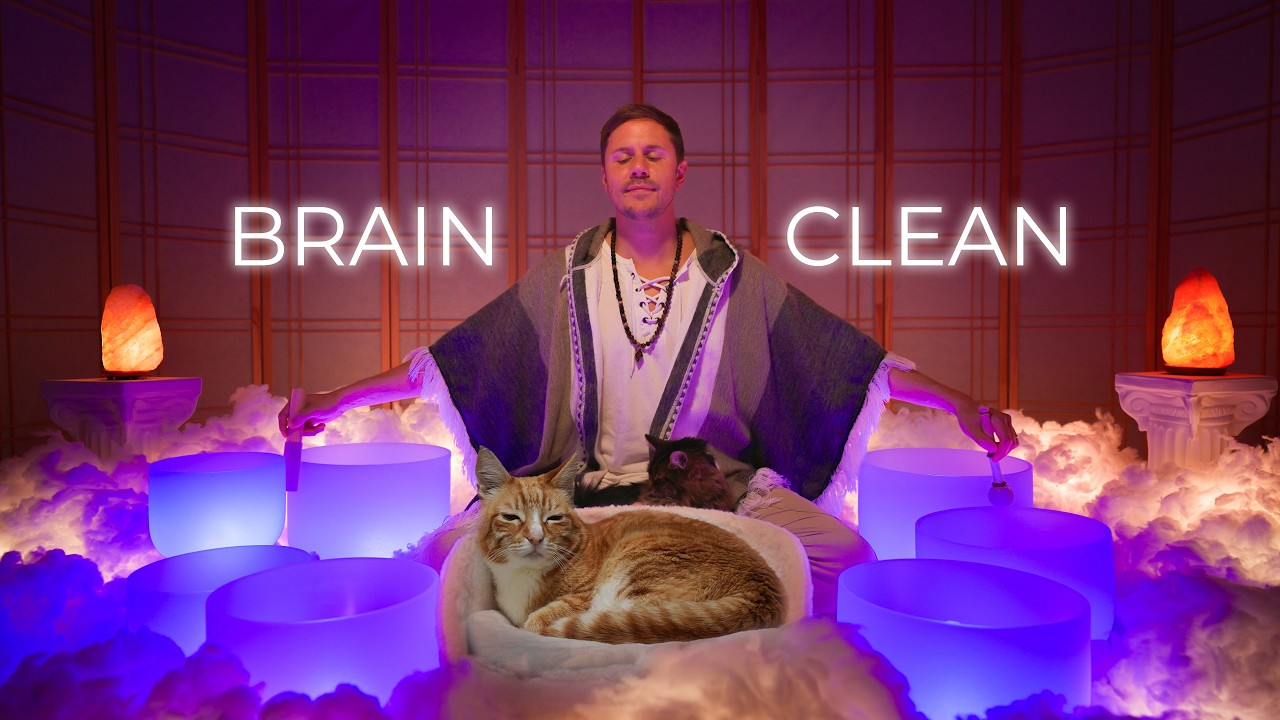
Chronic fatigue doesn't announce itself as weakness. It arrives as weight—the kind that settles into your bones after weeks of poor sleep, months of carrying stress, or seasons of pushing a nervous system already stretched thin. Even small tasks begin to feel disproportionately heavy. Your body isn't asking for more effort; it's asking to stop resisting what it actually needs: deep, uninterrupted rest. Sound bath practice, particularly through sustained singing bowl frequencies, offers a pathway to that kind of recovery—not by stimulating energy, but by creating the conditions where exhaustion can finally release.
What Chronic Fatigue Asks of the Body
Fatigue that persists isn't laziness. It's a signal that the nervous system has been running in overdrive, that sleep hasn't restored what stress consumed, that the body has entered a state of depletion so thorough that willpower alone cannot lift it. When prolonged stress, irregular sleep, or emotional overwhelm become chronic, the entire system learns to operate from a place of scarcity rather than abundance. Muscles tense against exhaustion. The mind becomes foggy. Emotional resilience thins. The body becomes so accustomed to running on fumes that genuine rest feels foreign.
This is where sound bath practice enters—not as a solution to be administered, but as an invitation to a different state. Rather than chasing energy or pushing through fatigue, a thoughtfully designed sound bath acknowledges what the body already knows: sometimes recovery begins not with effort, but with softness; not with forcing, but with permission to finally settle.
How Singing Bowl Frequencies Support Nervous System Reset
The human nervous system responds to sustained, low-frequency vibrations in measurable ways. Singing bowls, when played slowly and with intention, produce tones that resonate through the body at frequencies known to encourage parasympathetic activation—the physiological state opposite to fight-or-flight. The slow, grounding tones don't stimulate; they settle. They create an auditory environment so gentle that the body begins to recognize it as safe enough to release what it's been holding.
When you listen to a sound bath designed for fatigue recovery, the vibrations work not on the mind alone, but on tissue, breath, and the nervous system's baseline. Tension that has become so familiar you've stopped noticing it begins to soften. The internal overwhelm that clouds thinking starts to quiet. The relationship between you and your exhaustion shifts—from a battle to be won to a signal to be honored.
The Practice of Rest Without Resistance
One of the most overlooked aspects of recovery from chronic fatigue is the resistance many people bring to rest itself. The cultural narrative that equates rest with laziness, that frames fatigue as failure, creates a secondary layer of tension on top of the exhaustion itself. You're not just tired; you're tired and angry at being tired. Tired and disappointed in yourself. The nervous system reads this resistance and stays activated.
A sound bath session invites a different relationship. As the slow tones unfold over the course of an hour or more, there's nothing to achieve, no progress to demonstrate, no output to produce. The body is invited simply to receive—to let the vibrations meet it where it is. This permission, when genuinely felt, can be as restorative as sleep itself. Tension eases not because you're forcing relaxation, but because you've stopped fighting what your body is asking for.
When to Turn to This Practice
Sound bath work for fatigue recovery works best when you're operating from clarity about your own threshold. Listen when you feel depleted—when your reserves are genuinely empty rather than when you're simply busy. When brain fog makes thinking feel like moving through water. When emotional exhaustion has left you unable to be present with others. When you've tried to sleep and woke up still tired. When the thought of another day of pushing feels genuinely unsustainable.
The practice is less suited for moments when you're seeking a quick energy boost or trying to power through a deadline. It's designed for the deeper listening—the willingness to pause the forward momentum and let the system recalibrate at its own pace.
Creating Your Own Calm Signals
Beyond the single session, many practitioners find that sound bath practice begins to retrain the nervous system's entire baseline. Your body starts to recognize the frequency of a singing bowl as a signal that safety is present, that rest is permitted, that you don't have to keep running. This learned association—between a particular sound and a state of genuine calm—becomes increasingly powerful over time. Repeated exposure to the same sound during peaceful states begins to condition your nervous system to move toward that peace whenever it encounters the signal again.
This is why consistency matters. Not as punishment, but as a form of nervous system education. Each session teaches your body a little more deeply that rest is available, that your safety doesn't depend on constant effort, that fatigue is a message to be heard, not a weakness to overcome.
The Science Behind Sonic Healing
Sound bath frequencies work on the body through multiple mechanisms simultaneously. The vibrations produced by singing bowls can influence brainwave patterns, encouraging a shift toward theta waves associated with deep relaxation and meditation. The sustained tones stimulate the vagus nerve, a key component of the parasympathetic nervous system—the system responsible for rest, digestion, and recovery. Unlike music with variation and emotional narrative, the repetitive, unchanging quality of a sound bath minimizes cognitive processing, allowing the mind to finally quiet.
The body responds to this sustained safety signal by releasing muscle tension, normalizing breathing patterns, and down-regulating the stress hormones that have likely been elevated for weeks or months. Recovery, at the deepest level, can only happen when the nervous system believes it's truly safe. Sound bath practice creates that belief through direct sensory experience.
Building a Sustainable Recovery Practice
One session won't erase months of fatigue, nor should it be expected to. Recovery from chronic exhaustion is a gradual process, often requiring shifts in sleep, stress management, movement, and relationship to rest itself. But sound bath practice can be a reliable anchor—a regular invitation to the nervous system that softness is allowed, that pause is productive, that you don't have to earn your right to recovery.
Consider approaching sound bath listening as you would any healing practice: with consistency rather than intensity. Shorter, regular sessions often work better than sporadic marathon listening. Create conditions that support the practice—dimmed lighting, absence of interruption, permission to simply be. Allow yourself to listen multiple times to the same recording; familiarity itself becomes part of the healing.
Where to Go From Here
If chronic fatigue is present in your life, sound bath practice is worth exploring—not as a replacement for medical evaluation or treatment, but as a complementary tool for nervous system recovery. Pay attention to what shifts: Is sleep deeper? Does emotional resilience return? Does the fog begin to lift? These changes often happen gradually, which means they're easy to miss unless you're watching for them.
Consider also what your body is trying to tell you through fatigue. Sometimes exhaustion is a message that the pace you've been maintaining is unsustainable. Sometimes it's asking for sleep. Sometimes it's asking for movement. Sometimes—most importantly—it's asking for permission to rest without guilt, without resistance, without the burden of proving that rest was earned. Sound bath practice, at its best, offers exactly that permission, again and again, until finally your nervous system believes it's safe enough to truly receive.