BrightStar

Ver Todos los Events

Descubre encuentros conscientes

events

Yoga
Meditation
Breathwork
Qigong
Tai Chi
Sacred Music
World Music
Medicine Music
Sound Healing
Ecstatic Dance
Destinos Populares
BaliSedonaLos AngelesCosta RicaNew YorkSan FranciscoAustinMiamiJoshua TreeTulum
Ver Todas las CategoríasVer Todos los Destinos

Explorar Todas las Características

Herramientas poderosas para hacer crecer tus eventos

Características de la Plataforma

Precios Dinámicos Inteligentes
Categorías de Entradas
Asientos Asignados
Recuperación de Carritos
Recuperación de Visitantes
Donaciones y Escala Móvil
Motor de Afiliados
Escáner de Entradas
Códigos de Cupón
Preguntas Personalizadas
Compartir Entradas
Ventas Adicionales
Análisis e Informes
Secuencias de Email
Lista de Espera / Notificar / Recordar
Personas y Lugares
Artists & TeachersEvent OrganizersVenues & StudiosKnowledge BaseGlossaryInspiration
Ver Todas las CaracterísticasSobre Nosotros
PreciosBlog
Language
Saved events
Ver Todos los Eventos

events

YogaMeditationBreathworkQigongTai ChiSacred MusicWorld MusicMedicine Music

Destinos Populares

BaliSedonaLos AngelesCosta RicaNew YorkSan Francisco

Personas y Lugares

Artists & TeachersEvent OrganizersVenues & StudiosKnowledge BaseGlossaryInspiration

Características de la Plataforma

Precios Dinámicos InteligentesCategorías de EntradasAsientos AsignadosRecuperación de CarritosRecuperación de VisitantesDonaciones y Escala MóvilMotor de AfiliadosEscáner de EntradasCódigos de CupónPreguntas PersonalizadasCompartir EntradasVentas AdicionalesAnálisis e InformesSecuencias de EmailLista de Espera / Notificar / Recordar
Ver Todas las CaracterísticasSobre Nosotros
PreciosBlog
Iniciar sesiónBuscadoresCreadores
  • Ver Todos los Eventos
  • Para Buscadores
  • Yoga
  • Meditación
  • Respiración consciente
  • Qigong
  • Tai chi
  • Música sagrada
  • Música del mundo
  • Música medicina
  • Sanación con sonido
  • Danza extática
  • Retiros
  • Talleres
  • Todas las Categorías →
  • Bali
  • Sedona
  • Los Angeles
  • Costa Rica
  • Tulum
  • Byron Bay
  • San Francisco
  • Austin
  • New York
  • San Diego
  • Denver
  • Seattle
  • Portland
  • Miami
  • Todas las Ciudades →
  • Join the Movement
  • Why we list
  • Sell Globally
  • Para Creadores
  • Para equipos
  • Para Escritores
  • Para Maestros
  • Para Artistas de Kirtan
  • Para Estudios
  • Para Festivales
  • Para Centros de Retiros
  • Para Organizaciones Sin Fines de Lucro
  • Embajador de Marca
  • Entradas sin costo
  • Elevate
  • Amplify
  • Red de +500K Compradores
  • Recuperación de Carritos
  • Precios Dinámicos Inteligentes
  • Categorías de Entradas
  • Eventos Recurrentes
  • Asientos Asignados
  • Motor de Afiliados
  • Lista de Espera / Notificar
  • Escáner de Entradas
  • Widget Embebido
  • Sindicación de eventos
  • Centro de mensajes
  • Integraciones
  • Reportes
  • Todas las Características →
  • Acerca de
  • El ecosistema
  • Blog
  • Glosario
  • Inspiración
  • Centro de Ayuda
  • Contacto
  • Documentación API
  • Recursos de Marca
  • Carreras
  • Prensa
  • Términos de Servicio
  • Política de Privacidad

Eventos

  • Ver Todos los Eventos
  • Para Buscadores
  • Yoga
  • Meditación
  • Respiración consciente
  • Qigong
  • Tai chi
  • Música sagrada
  • Música del mundo
  • Música medicina
  • Sanación con sonido
  • Danza extática
  • Retiros
  • Talleres
  • Todas las Categorías →

Destinos

  • Bali
  • Sedona
  • Los Angeles
  • Costa Rica
  • Tulum
  • Byron Bay
  • San Francisco
  • Austin
  • New York
  • San Diego
  • Denver
  • Seattle
  • Portland
  • Miami
  • Todas las Ciudades →

Para Creadores

  • Join the Movement
  • Why we list
  • Sell Globally
  • Para Creadores
  • Para equipos
  • Para Escritores
  • Para Maestros
  • Para Artistas de Kirtan
  • Para Estudios
  • Para Festivales
  • Para Centros de Retiros
  • Para Organizaciones Sin Fines de Lucro
  • Embajador de Marca
  • Entradas sin costo
  • Elevate
  • Amplify

Características

  • Red de +500K Compradores
  • Recuperación de Carritos
  • Precios Dinámicos Inteligentes
  • Categorías de Entradas
  • Eventos Recurrentes
  • Asientos Asignados
  • Motor de Afiliados
  • Lista de Espera / Notificar
  • Escáner de Entradas
  • Widget Embebido
  • Sindicación de eventos
  • Centro de mensajes
  • Integraciones
  • Reportes
  • Todas las Características →

Empresa

  • Acerca de
  • El ecosistema
  • Blog
  • Glosario
  • Inspiración
  • Centro de Ayuda
  • Contacto
  • Documentación API
  • Recursos de Marca
  • Carreras
  • Prensa
  • Términos de Servicio
  • Política de Privacidad
BrightStar
Descarga la app
Descárgalo en elApp StoreDisponible enGoogle Play
© 2026 BrightStar. Todos los derechos reservados.
Inspiration

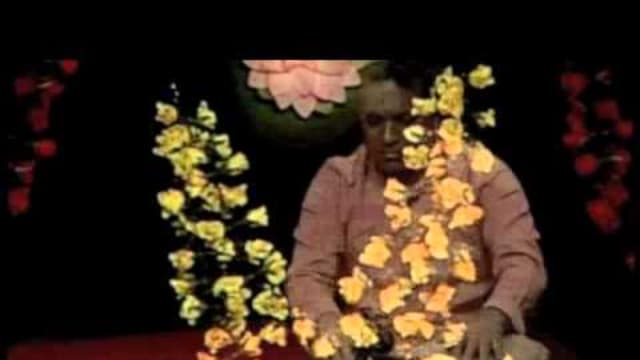
Raga Desh and Rupak Tal: Bansuri and Tabla Explained

Steve Gorn
Steve Gorn
Aug 30, 2010
6 min de lectura

De Steve Gorn

A bamboo flute and a pair of hand drums, seven minutes of music, and two names in the title that carry centuries of practice: this is the basic material of a Hindustani duet, and it rewards more attention than its running time suggests. The recording pairs the bansuri, the North Indian bamboo flute, with the tabla, the twin hand drums that anchor nearly every classical performance in the north, in a piece built on Raga Desh and set to Rupak Tal. Understanding those three terms, and the way a melodic player and a rhythmic player divide the work between them, is the key to hearing what is actually happening in a recording like this.

Leer · 6 secciones

What is a raga, and why does Desh matter?

A raga is not a song and not simply a scale. It is a framework of notes, with rules about which pitches are emphasized, how they move, and which phrases characterize the mood of the piece. Musicians often describe a raga as a set of melodic guidelines within which an improviser composes in real time. Two performers playing the same raga will never produce identical phrases, yet a trained listener recognizes the raga within a few notes.

Raga Desh belongs to the Hindustani classical tradition of northern India. Its identity lives in how its pitches are approached and resolved, not in a fixed melody that can be written down and reproduced. That is why a recording like this one is valuable: it captures one performer's realization of the raga's grammar at a particular moment, and the listener has to learn to hear the rules through the phrasing rather than expecting a tune to repeat.

What does Rupak Tal mean for the rhythm?

If the raga governs the melody, the tala governs time. A tala is a cyclic rhythmic structure, a repeating framework of beats that the musicians measure their phrases against. Rupak Tal is a seven-beat cycle, conventionally divided into groupings of three, two and two. Its first beat is the sam, the point of arrival and emphasis, and the cycle has an empty beat, the khali, marked by a wave of the hand in performance rather than a strike on the drum.

That odd-numbered structure is one reason Rupak Tal sounds distinctive to listeners raised on four-beat pop and rock. The asymmetry creates a lilt, a sense of forward motion that does not settle into the square pulse most Western ears expect. Players lean into the uneven groupings, and when a phrase lands cleanly on the sam after a long run, the return feels earned rather than automatic.

Why pair a bansuri with a tabla?

In a duo format, the two instruments take complementary jobs. The bansuri carries the melodic line: it states the raga, develops it through improvisation and shapes the emotional arc. Its breath-driven tone can slide between pitches, bend a note into the next, or hold a single sustained tone with a shimmer that a fixed-pitch instrument cannot produce. The bansuri is also a wind instrument, so its phrases are shaped by the length of breath the player can draw and the fingerings that open and close the holes along the body.

The tabla, by contrast, is the rhythmic voice. Its two drums produce a wide palette of strokes, from sharp, dry slaps to resonant, sustained tones, and the drummer's job is far more than keeping time. The tabla player answers the melody, echoes its phrases, sets up tension against the tala, and resolves it on the sam. In a good duo, the drum is not accompaniment in the Western sense; it is a second melodic thinker working in the rhythmic domain.

How does a performance like this unfold?

Classical Hindustani performance tends to move from a slow, unmetered opening into faster, tightly measured sections, though the details vary by performer and occasion. The bansuri usually begins by presenting the raga's characteristic notes and phrases slowly, establishing the mood before any rhythmic pressure enters. Once the tala is introduced, the piece accelerates, and the interplay becomes a conversation: the melody plays with the cycle, the tabla responds, and both players test how far they can push a phrase against the beat before resolving it.

A short format like a seven-minute recording compresses that arc. Listeners should expect the essential steps even in a compact piece: statement of the raga, entry of the tala, rising complexity, and a return to the sam that closes the cycle. Hearing those stages in order is more useful than memorizing any single phrase.

How to listen to a bansuri and tabla duet

  • Listen first for the raga, not the melody. Notice which notes the bansuri returns to and which it avoids.
  • Count the cycle. In Rupak Tal, track the three-two-two grouping and feel where the sam arrives.
  • Follow the tabla as a voice. Notice when it echoes the flute and when it pushes against it.
  • Hear the breath. Bansuri phrases have natural breathing points, and the way a player plans them is part of the craft.
  • Listen to the ends of phrases. Much of the emotional content of Hindustani music sits in how a phrase is resolved on the sam.

Where to go from here

This recording is a compact entry point into a tradition with a long lineage of teachers, instruments and recorded performance. The best next step is to listen to the piece twice: once to take in the overall shape, and once counting the tala, tracking the raga's notes, and following the exchange between flute and drum. Then seek out other recordings of Raga Desh and of Rupak Tal, and compare how different players treat the same framework. The differences between performances are where the art lives.

The video's own description is brief, so the most reliable path to deeper understanding is active listening rather than background reading alone. Pay attention to how the duo moves between the slow statement of the raga and the measured pulse of the tala, and you will hear the structure that generations of Hindustani musicians have refined.
Comments

Loading the conversation…

Steve Gorn
ArtistSteve Gorn

Steve Gorn is a bansuri player, clarinetist, and soprano saxophonist with over 60 years as a seeker, student, and creator, blending raga tradition, Nada Yoga, and the Dharma of Sou…

Ver perfilSitio web
Explorar temas
Raga-deshRupak-talBansuriTablaHindustani-classical

¿Tienes Preguntas?

Preguntas Frecuentes

Raga Desh is a melodic framework from the Hindustani classical tradition of northern India. It is defined by rules about which notes are emphasized and how they move, and performers improvise within those rules rather than playing a fixed tune.
Rupak Tal is a seven-beat rhythmic cycle used in Hindustani music, conventionally divided into groupings of three, two and two. It begins on the sam, the point of emphasis and arrival, and includes an empty beat called the khali.
The bansuri is a North Indian bamboo flute played by blowing across a hole and fingering holes along the body. It carries the melodic line in classical performance and can bend and sustain pitches in ways a fixed-pitch instrument cannot.
The tabla is the rhythmic voice, but it works as more than timekeeping. The tabla player echoes, answers and challenges the melody, creating tension against the tala and resolving it on the sam.
Begin by listening for the raga's characteristic notes rather than a melody you can hum. Then count the tala cycle to feel where the sam arrives, and follow the exchange between the melodic and rhythmic players.
A raga is the melodic framework, defining which notes are used and how they behave. A tala is the rhythmic framework, a repeating cycle of beats that the musicians measure their phrases against.

Seguir leyendo

More from Steve Gorn

Ver Todo
Rag Bhairavi: Notes on a Five-Minute Raga Recording
Inspire

Rag Bhairavi: Notes on a Five-Minute Raga Recording

A short look at Steve Gorn's five-minute "Rag Bhairavi" video, posted in January 2011. The auto-generated transcript is mostly unreadable, s…

3 min read
Harp, Bansuri and Fretless Guitar at Denver's Enchanted Garden
Inspire

Harp, Bansuri and Fretless Guitar at Denver's Enchanted Garden

A summer evening at Denver's Enchanted Garden Concert, harp and bansuri meet fretless guitar in a short live clip. Here is what the performa…

4 min read
Guru Ram Das Live in Gdańsk: Harmonium Meets Electric Guitar
Inspire

Guru Ram Das Live in Gdańsk: Harmonium Meets Electric Guitar

Snatam Kaur's live Guru Ram Das from Gdańsk pairs harmonium and tabla with electric guitar. Here is the craft and the credits behind it.…

6 min read
Stevekauns: A New Raga Named Live in a Portland Home
Inspire

Stevekauns: A New Raga Named Live in a Portland Home

A two-and-a-half-minute clip from Shantala Music captures a Hindustani raga being named on the spot, then set for its world premiere. Here i…

6 min read

Sigue explorando

Continúa tu camino

Más sabiduría y encuentros de todo el directorio de BrightStar.

Más artículos

Recorre la biblioteca completa de enseñanzas, entrevistas y guías.

Ver todos los artículos →

Maestros y artistas

Explora los linajes, músicos y guías del mundo consciente.

Explorar artistas →

Encuentra un evento

Kirtan, retiros, baños de sonido, breathwork, festivales — muy pronto.

Ver eventos →