BrightStar

Ver Todos los Events

Descubre encuentros conscientes

events

Yoga
Meditation
Breathwork
Qigong
Tai Chi
Sacred Music
World Music
Medicine Music
Sound Healing
Ecstatic Dance
Destinos Populares
BaliSedonaLos AngelesCosta RicaNew YorkSan FranciscoAustinMiamiJoshua TreeTulum
Ver Todas las CategoríasVer Todos los Destinos

Explorar Todas las Características

Herramientas poderosas para hacer crecer tus eventos

Características de la Plataforma

Precios Dinámicos Inteligentes
Categorías de Entradas
Asientos Asignados
Recuperación de Carritos
Recuperación de Visitantes
Donaciones y Escala Móvil
Motor de Afiliados
Escáner de Entradas
Códigos de Cupón
Preguntas Personalizadas
Compartir Entradas
Ventas Adicionales
Análisis e Informes
Secuencias de Email
Lista de Espera / Notificar / Recordar
Personas y Lugares
Artists & TeachersEvent OrganizersVenues & StudiosKnowledge BaseGlossaryInspiration
Ver Todas las CaracterísticasSobre Nosotros
PreciosBlog
Language
Saved events
Ver Todos los Eventos

events

YogaMeditationBreathworkQigongTai ChiSacred MusicWorld MusicMedicine Music

Destinos Populares

BaliSedonaLos AngelesCosta RicaNew YorkSan Francisco

Personas y Lugares

Artists & TeachersEvent OrganizersVenues & StudiosKnowledge BaseGlossaryInspiration

Características de la Plataforma

Precios Dinámicos InteligentesCategorías de EntradasAsientos AsignadosRecuperación de CarritosRecuperación de VisitantesDonaciones y Escala MóvilMotor de AfiliadosEscáner de EntradasCódigos de CupónPreguntas PersonalizadasCompartir EntradasVentas AdicionalesAnálisis e InformesSecuencias de EmailLista de Espera / Notificar / Recordar
Ver Todas las CaracterísticasSobre Nosotros
PreciosBlog
Iniciar sesiónBuscadoresCreadores
  • Ver Todos los Eventos
  • Para Buscadores
  • Yoga
  • Meditación
  • Respiración consciente
  • Qigong
  • Tai chi
  • Música sagrada
  • Música del mundo
  • Música medicina
  • Sanación con sonido
  • Danza extática
  • Retiros
  • Talleres
  • Todas las Categorías →
  • Bali
  • Sedona
  • Los Angeles
  • Costa Rica
  • Tulum
  • Byron Bay
  • San Francisco
  • Austin
  • New York
  • San Diego
  • Denver
  • Seattle
  • Portland
  • Miami
  • Todas las Ciudades →
  • Join the Movement
  • Sell Globally
  • Para Creadores
  • Para equipos
  • Para Escritores
  • Para Maestros
  • Para Artistas de Kirtan
  • Para Estudios
  • Para Festivales
  • Para Centros de Retiros
  • Para Organizaciones Sin Fines de Lucro
  • Embajador de Marca
  • Casos de Estudio
  • Entradas sin costo
  • Elevate
  • Amplify
  • Red de +500K Compradores
  • Recuperación de Carritos
  • Precios Dinámicos Inteligentes
  • Categorías de Entradas
  • Eventos Recurrentes
  • Asientos Asignados
  • Motor de Afiliados
  • Lista de Espera / Notificar
  • Escáner de Entradas
  • Widget Embebido
  • Sindicación de eventos
  • Centro de mensajes
  • Integraciones
  • Reportes
  • Todas las Características →
  • Acerca de
  • El ecosistema
  • Blog
  • Glosario
  • Inspiración
  • Centro de Ayuda
  • Contacto
  • Documentación API
  • Recursos de Marca
  • Carreras
  • Prensa
  • Términos de Servicio
  • Política de Privacidad

Eventos

  • Ver Todos los Eventos
  • Para Buscadores
  • Yoga
  • Meditación
  • Respiración consciente
  • Qigong
  • Tai chi
  • Música sagrada
  • Música del mundo
  • Música medicina
  • Sanación con sonido
  • Danza extática
  • Retiros
  • Talleres
  • Todas las Categorías →

Destinos

  • Bali
  • Sedona
  • Los Angeles
  • Costa Rica
  • Tulum
  • Byron Bay
  • San Francisco
  • Austin
  • New York
  • San Diego
  • Denver
  • Seattle
  • Portland
  • Miami
  • Todas las Ciudades →

Para Creadores

  • Join the Movement
  • Sell Globally
  • Para Creadores
  • Para equipos
  • Para Escritores
  • Para Maestros
  • Para Artistas de Kirtan
  • Para Estudios
  • Para Festivales
  • Para Centros de Retiros
  • Para Organizaciones Sin Fines de Lucro
  • Embajador de Marca
  • Casos de Estudio
  • Entradas sin costo
  • Elevate
  • Amplify

Características

  • Red de +500K Compradores
  • Recuperación de Carritos
  • Precios Dinámicos Inteligentes
  • Categorías de Entradas
  • Eventos Recurrentes
  • Asientos Asignados
  • Motor de Afiliados
  • Lista de Espera / Notificar
  • Escáner de Entradas
  • Widget Embebido
  • Sindicación de eventos
  • Centro de mensajes
  • Integraciones
  • Reportes
  • Todas las Características →

Empresa

  • Acerca de
  • El ecosistema
  • Blog
  • Glosario
  • Inspiración
  • Centro de Ayuda
  • Contacto
  • Documentación API
  • Recursos de Marca
  • Carreras
  • Prensa
  • Términos de Servicio
  • Política de Privacidad
BrightStar
© 2026 BrightStar. Todos los derechos reservados.
Inspiration

Mindfulness Meditation: Training Attention for Daily Life

Hugh Byrne
Hugh Byrne
Aug 19, 2012
8 min de lectura
Ver · 4

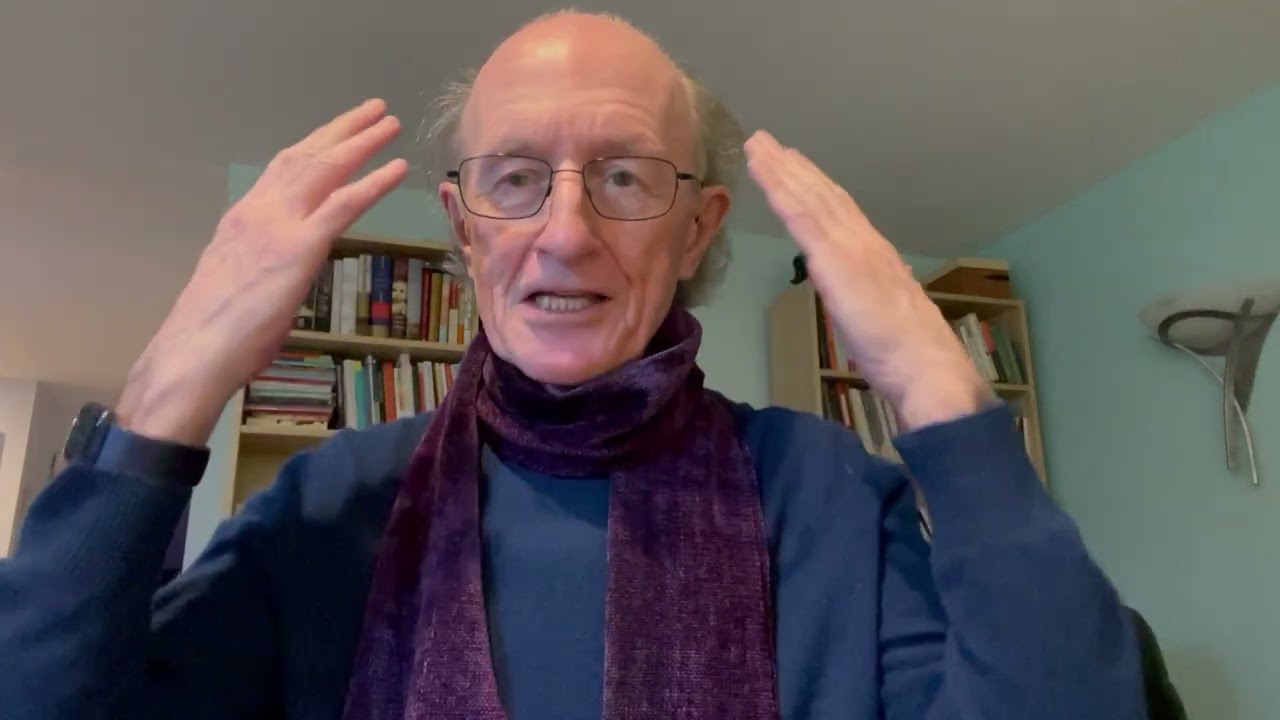
You sit down to meditate. Within moments your mind is planning tomorrow, replaying yesterday, evaluating the quality of your practice. By the time you finally notice you've been distracted, another ten minutes have drifted past. You might think you've failed at meditation. You haven't. According to meditation instructor Hugh Byrne, you haven't even begun misunderstanding the work yet.

The first thing Byrne addresses is the foundational myth that stops most people: that the goal of meditation is a blank mind, an absence of thought. This belief creates a terrible paradox. You sit down expecting clarity, only to discover your mind is as busy as ever. You interpret this as failure and give up. But Byrne's reframe changes everything: "Thinking isn't the problem in meditation."

Leer · 8 secciones

What Actually Happens in Meditation

What matters instead is attention. The practice is training your mind to notice when it has wandered and to choose, deliberately, to return. This isn't about suppression. It's about skill. Every time your attention drifts and you bring it back to the breath—back to the body, back to the present moment—you're not failing the practice. You're doing the practice.

This mechanism trains the mind. You move your attention back into the present moment, again and again, until the capacity becomes real. You develop the skill to notice. To remember what you're doing. To choose where your mind rests. There is no prerequisite of a blank mind. Beginners and seasoned practitioners alike work with this same basic cycle: attention wanders, you notice, you return.

The elegance of this reframe is liberating. Instead of fighting your mind, you're befriending it. Each moment you catch yourself lost in thought and gently return to the breath, you're doing the work exactly right. The thinking was never the failure. The failure would be not noticing the thinking. Not returning.

The Physical Foundation: Comfort and Permission

Before any of this mental work can happen, Byrne starts with the body. Sit in a way that's both relaxed and comfortable. This isn't mysticism; it's physics. If your legs are going numb or your back is screaming, your attention will dwell there, not on the breath. Byrne gives permission explicitly: your hands can rest comfortably in your lap or on your knees. You're not here to suffer.

And before you even formally begin, he offers a preliminary instruction. Give yourself permission to be here. Not tomorrow. Not after you've dealt with your email. Here, now. You might consciously put aside the plans that you have for later or the memories of things that have happened. This is the psychological setup. You're not ignoring the future; you're consciously choosing to shelve it temporarily. Choose to be here now as fully present as you can be in this moment.

This act of choosing—of directing your will toward presence—is where the practice begins. Not in some passive emptying of the mind, but in an active decision: I will be here now. This permission structure is often what people need to unlock genuine meditation. You have the right to prioritize your presence. You don't need to justify it.

The Breath as Anchor to Now

Once you're seated, the breath becomes the object of attention. As you breathe in, just know that you're breathing in. As you breathe out, know that you're breathing out. This isn't analysis. You're not improving your breath or trying to make it deeper or more controlled. You're simply acknowledging the experience as it happens, in real time. In-breath. Out-breath. In-breath. Out-breath.

Why the breath? Because it's always now. You cannot breathe in the past. You cannot breathe in the future. The breath is the present moment made literal. When your attention is on the breath, your attention is on now. And whenever the mind wanders—when it leaves the breath to chase a thought or a plan or a worry—you notice it and come back. Come back to the breath. Come back to the body.

This return, repeated dozens or hundreds of times in a single sitting, is the entire work. Not perfection. Repeated return. Each return strengthens the circuits of attention, the neural pathways that allow you to notice and to choose. You're not pursuing some mystical state. You're exercising a skill.

The Balance: Relaxed and Alert Together

One of Byrne's most useful teachings is the instruction to sit in a way that's both relaxed and alert. This sounds like a contradiction. Relaxation and attention seem opposed. In practice, they're not.

Bringing these two qualities together: a quality of ease, relaxation on one hand, and attention on the other. Many beginners make the same mistake. They either collapse into drowsiness (relaxation without vigilance) or tense up trying to "do" meditation correctly (attention without ease). The result is striving and strain, which is the opposite of what meditation asks.

The instruction to be "relaxed and alert" at the same time is permission to stop fighting your own nervous system. You don't have to white-knuckle your way to clarity. You can be alert without tensing. You can be at ease without zoning out. This is a Middle Way, and it's immediately accessible to anyone with a body and a breath.

Opening to Whatever Arises

As you meditate, things arise. Sensations in the body. Emotions. Memories. Itches and tensions. The untrained response is to react: fix it, push it away, ignore it, grasp it. Byrne offers something different. See if you can open to whatever is here right now. Welcome the guests.

Pleasant experiences, unpleasant experiences—they're all invited. Maybe there's some tightness or tension in the body or a difficult emotion. See if you can just open to that emotion and just see how it comes and stays for a while and then passes.

This instruction contains something revolutionary. You're not trying to feel good. You're not trying to transcend your experience. You're practicing the capacity to be present with what actually is. Without judgment. Without trying to change it. Just meeting it, observing it, allowing it to be.

The Direct Perception of Change

In that observation is a perception that changes everything. Emotions, sensations, experiences don't stay fixed. They arise. They crest. They dissolve. How it comes and stays for a while and then passes. This isn't a belief about impermanence you've been taught. It's a lived observation. You watch the anger come, hold its shape, and subside. You feel the physical tightness emerge and release. Everything flows.

This direct perception of change is deeply stabilizing. When you understand that nothing stays frozen—not the joy, not the grief, not the boredom—you stop grasping quite so desperately and resisting quite so fiercely. You can relax into the movement of experience itself. The practice begins to naturally decrease your suffering because you're no longer fighting the nature of things.

Attention as a Portable Skill

The practice Byrne describes is not mystical. It's practical skill-building. Each time you notice your mind has wandered and you return to the breath, you're strengthening the circuits of attention. You're training your mind to notice. To remember. To choose.

This has immediate utility beyond the meditation cushion. If you can return your attention in a quiet room, focusing on breath, you can return your attention in a busy day. At work, when you notice your mind spinning with anxiety, you remember how to pause and return to what's actually happening—the keyboard under your fingers, the breath moving in and out. With someone you love, when you catch yourself planning what you'll say next instead of listening, you can gently bring your attention back to their words, their presence.

The skill developed in three minutes of meditation becomes available everywhere. You're not meditating to escape your life. You're meditating to show up for it.

Where to go from here

Byrne's instruction assumes nothing about your background. No special knowledge. No cultural fluency with Eastern philosophy. Just a place to sit and a willingness to be here now. If you haven't meditated before, this template offers an entry point. Sit. Release plans. Choose presence. Notice the breath. Notice when your mind wanders. Come back. Notice the balance between ease and attention. Open to whatever arises without judgment. Watch how it changes. Return to the breath. That's the whole thing.

If you're already practicing, Byrne's reframes—especially the permission to think, the emphasis on noticing and returning rather than suppressing, and the equality of relaxation and attention—offer useful refinement and encouragement when the work feels unclear.

The real question isn't whether you can meditate "correctly." It's whether you can choose, right now, to be fully present. Not perfectly. Not without distraction. But as present as you can be in this moment. That is the entire practice. And it begins whenever you decide to sit down and choose to be here.

Comments

Loading the conversation…

Transcript

[0:02] so sit in a way that's relaxed and

[0:10] comfortable give yourself permission to

[0:13] be

[0:15] here you might

[0:17] consciously put aside the plans that you

[0:21] have for later or the memories of things

[0:25] that have happened and just choose to be

[0:28] here now as fully present as you can be

[0:31] in this

[0:35] moment so begin by finding a relaxed and

[0:39] comfortable

[0:41] posture let your hands rest comfortably

[0:45] in your lap or on your

[0:48] knees thinking isn't the problem in

[0:52] meditation you just have to notice when

[0:55] we're thinking and choose to come back

[0:58] choose to come back to the breath come

[1:00] back to the

[1:01] body and in this way we we train our

[1:09] minds by moving our attention back into

[1:13] the present

[1:19] moment as you breathe in just know that

[1:22] you're breathing

[1:25] in and as you breathe out know that

[1:28] you're breathing out

[1:37] sitting in a way that's both

[1:40] relaxed and

[1:41] alert so bringing these two qualities

[1:45] together a quality

[1:47] of ease relaxation on one hand and

[1:52] attention on the

[1:54] other aware of your

[1:58] experience relaxed

[2:01] and

[2:09] alert see if you

[2:13] can open to whatever is here right

[2:17] now welcoming the

[2:25] guests Pleasant experiences unpleasant

[2:29] experiences

[2:31] maybe some tightness or tension in the

[2:34] body or a difficult

[2:38] emotion see if you can

[2:40] just open to that emotion and just see

[2:43] how it comes and stays for a while and

[2:47] then passes

[3:08] for

Hugh Byrne
ArtistHugh Byrne

Hugh Byrne, PhD, is a meditation teacher and author of The Here-and-Now Habit and Habit Swap, and a lead teacher at the Insight Meditation Community of Greater Washington.

Ver perfilSitio web
Explorar temas
Mindfulness-meditationBreath-awarenessAttention-trainingPresent-momentEmotional-awareness

¿Tienes Preguntas?

Preguntas Frecuentes

Yes—thinking is not the problem in meditation. The practice is noticing when you've been lost in thought and gently returning attention to the breath. Each return is the practice working perfectly, not failing.
Byrne emphasizes finding a posture that is both relaxed and comfortable. Your hands can rest on your lap or knees, and you have permission to prioritize ease. Meditation isn't meant to cause physical suffering.
Open to them without judgment. Observe how the emotion comes, stays for a while, and then passes. You're practicing the capacity to be present with what actually is, which builds resilience without suppression.
Relaxation is ease and letting go; attention is clear, interested awareness. You hold both together—neither collapsing into drowsiness nor tensing up. This Middle Way is accessible immediately and prevents the strain that undermines practice.
Yes. By training attention to return to the present moment during formal practice, you build a skill you can use anywhere. When stress triggers anxiety, you can pause and return attention to what's actually happening now—your breath, your body, the present moment.

Seguir leyendo

More from Hugh

Ver Todo
Mindfulness Without Judgment: The Core Practice of Presence
Inspire

Mindfulness Without Judgment: The Core Practice of Presence

A six-minute guided meditation that teaches how to meet this moment—body, emotions, breath—with kindness instead of judgment. Learn the prac…

1 min read
Poetry as a Bridge to Direct Experience in Meditation
Inspire

Poetry as a Bridge to Direct Experience in Meditation

Poetry bypasses conceptual thought to deepen meditation, opening practitioners to direct experience and heart-centered presence.…

1 min read
The Mental Burden Behind Every Problem You Carry
Inspire

The Mental Burden Behind Every Problem You Carry

Where do your problems actually live? Eckhart Tolle reveals how the mind creates a superstructure of suffering separate from the situations …

1 min read
Guided Meditation: Resting in Reality Within the Body
Inspire

Guided Meditation: Resting in Reality Within the Body

A 23-minute guided meditation practice that returns attention to embodied presence, using body scan, breath, and sound to rest in the living…

1 min read

Sigue explorando

Continúa tu camino

Más sabiduría y encuentros de todo el directorio de BrightStar.

Más artículos

Recorre la biblioteca completa de enseñanzas, entrevistas y guías.

Ver todos los artículos →

Maestros y artistas

Explora los linajes, músicos y guías del mundo consciente.

Explorar artistas →

Encuentra un evento

Kirtan, retiros, baños de sonido, breathwork, festivales — muy pronto.

Ver eventos →