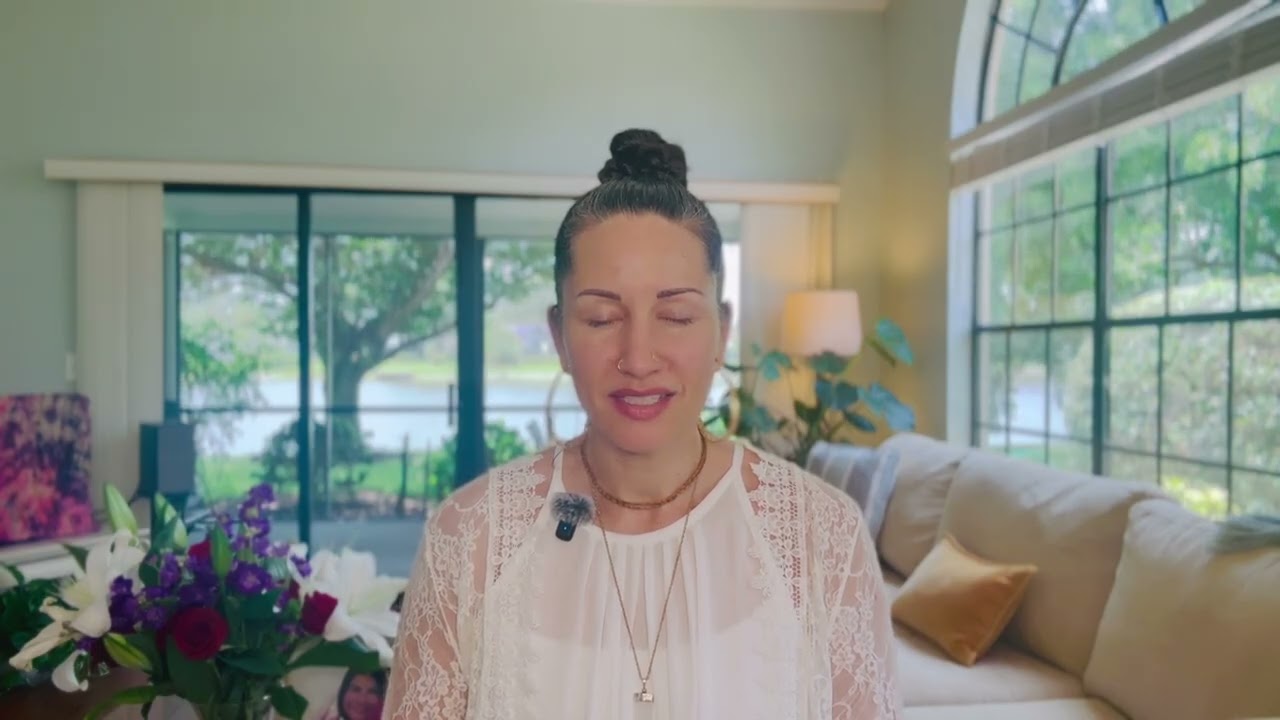
A one-minute-and-42-second video, posted to his channel in mid-October 2026, shows Nick Kientsch standing in front of the camera with a short, urgent pitch: an eight-week mindfulness course for gay men is about to start, two people have dropped out, and one place is open at very short notice. There is no lecture and no demonstration. What the clip offers instead is a compact map of what the course is for, built on an idea from Mindfulness-Based Cognitive Therapy (MBCT), a model Kientsch says was developed at Oxford University. This article takes that map seriously, explains the ideas it points to, and sets out the practical details as they stood in the source material, including the fact that the advertised start date has already passed.
The video opens mid-sentence, with a promise of news. "Tomorrow's the 8-week mindfulness course," Kientsch says at the 1-second mark, before he goes on to describe the group as previous participants have described it. He does not lead with the teaching. He leads with logistics, and the logistics carry a small philosophical joke. At 28 seconds he invokes the Buddha on uncertainty: "all things are uncertain." The course had been fully booked, he explains, until two people withdrew for personal reasons, and that changed the room.
It is a minor event, but it is the spine of the clip. A full course becomes a single open seat, and the open seat becomes the reason to act now. Kientsch frames the chance as a matter of timing rather than marketing, and the Buddhist reference lets him do that without overselling. The pitch works because it is honest about its own scarcity. It is also, by design, a demonstration of the thing the course teaches: noticing that circumstances shift and that the mind wants to grab hold of the change.
Kientsch names the lineage plainly. The course is "based on the mindfulness-based cognitive therapy model developed at Oxford University," he says at around 9 seconds. The video does not walk through the history of that model, so this article will not add to it. What the video does provide is a claim about experience. At 14 seconds he says previous participants have described the course as "life-changing," and that it has given them "a new perspective on how to experience being present in life."
The YouTube description, which accompanies the video, gives two participant voices. One reads: "The experience was genuinely transformative for me." The other, from a participant named Ed and quoted in the same description, says: "Beyond the personal growth, I met some wonderfully supportive people, and the sense of community was something I truly valued." Both testimonials are self-selected and appear in promotional material, so they describe what participants chose to say rather than measured outcomes. They are still useful for understanding what the course is trying to offer: change in how one experiences oneself, and connection with other people in the same position.
The idea that carries the most weight in the video is autopilot. At 58 seconds Kientsch asks a set of questions that function as the course's working agenda:
"Where do you go into autopilot, where you keep repeating old, unproductive patterns? How can you start to bring a new perspective to your inner world?"
— Nick Kientsch, in his course video (0:58)
Autopilot, in this framing, is the habit of reacting the same way, again and again, without seeing that a choice is being made. It is the territory where a difficult thought arrives and the emotional response follows before anyone has looked at it. The course's stated task is to make that territory visible. It does not ask participants to stop thinking. It asks them to notice where thinking runs them.
The second question moves from noticing to challenge. At 72 seconds Kientsch asks: "How can you bring a gentle challenge to some of those negative ways of thinking so that you open up a new perspective?" The word "gentle" matters. The clip does not describe argument, correction or positive thinking as a cure. It describes a softer interrogation of thoughts that have been treated as fact. Put side by side, the two questions describe a loop that many people will recognise: notice the pattern, then loosen its grip on you. The description adds that the course should help participants "break free from unhelpful thinking patterns" and "feel calmer and less overwhelmed by difficult thoughts and emotions," while building "greater self-compassion and acceptance."
The description is the most specific document in the package. It says the course "has been specially adapted to explore the experiences and challenges faced by gay men." The video does not say what those adaptations are, and this article will not guess. What the material does establish is that the course frames the work around a particular group, and that connection between participants is part of the design. The description says the eight weeks are "more than a mindfulness course" and that they can "develop friendships that can continue long after the eight weeks."
That is a meaningful claim. Many structured mindfulness programmes end with a certificate and a set of recordings. This one, as advertised, is designed to leave people with peers. Ed's testimonial points in the same direction. Whether that happens for any given group is a question no promotional clip can answer, but the intention is clear, and it is stated more than once.
Here the source material is precise, and it has a deadline problem. The course was scheduled for 14 October to 2 December 2026, meeting on Wednesdays from 7:00 to 9:30pm in Canary Wharf, London. The standard price is £359 and the concession price £259. The video and description both said one place remained and urged immediate booking. Because the start date is 14 October, that offer had closed by the time this article was prepared in late October 2026, and the source material gives no information about whether a waiting list or further places exist.
The description does list the next run: a spring course beginning 3 February 2027, booked through the Bookwhen page linked in the description. The details of that course beyond the start date are not given in the material, so readers should check the listing directly before deciding anything.
If the questions in this video sound familiar, the most useful step is to read the course description closely, then check the spring listing and its booking details rather than relying on a clip that was written for a deadline that has passed. The phrase Kientsch uses to sum up the aim is worth keeping in mind: the course is "about allowing you to be happier, more creative, more productive in your life, more present, more still." Treat that as an aspiration stated by the people offering the course, not a result they guarantee. Meanwhile, the four questions he asks, about autopilot, repeated patterns, inner perspective and gentle challenge, can be put to your own week without signing up for anything at all.
Spring course booking: https://bookwhen.com/evolvingminds#focus=ev-s0k65-20270203184500