BrightStar

Ver Todos los Events

Descubre encuentros conscientes

events

Yoga
Meditation
Breathwork
Qigong
Tai Chi
Sacred Music
World Music
Medicine Music
Sound Healing
Ecstatic Dance
Destinos Populares
BaliSedonaLos AngelesCosta RicaNew YorkSan FranciscoAustinMiamiJoshua TreeTulum
Ver Todas las CategoríasVer Todos los Destinos

Explorar Todas las Características

Herramientas poderosas para hacer crecer tus eventos

Características de la Plataforma

Precios Dinámicos Inteligentes
Categorías de Entradas
Asientos Asignados
Recuperación de Carritos
Recuperación de Visitantes
Donaciones y Escala Móvil
Motor de Afiliados
Escáner de Entradas
Códigos de Cupón
Preguntas Personalizadas
Compartir Entradas
Ventas Adicionales
Análisis e Informes
Secuencias de Email
Lista de Espera / Notificar / Recordar
Personas y Lugares
Artists & TeachersEvent OrganizersVenues & StudiosKnowledge BaseGlossaryInspiration
Ver Todas las CaracterísticasSobre Nosotros
PreciosBlog
Language
Saved events
Ver Todos los Eventos

events

YogaMeditationBreathworkQigongTai ChiSacred MusicWorld MusicMedicine Music

Destinos Populares

BaliSedonaLos AngelesCosta RicaNew YorkSan Francisco

Personas y Lugares

Artists & TeachersEvent OrganizersVenues & StudiosKnowledge BaseGlossaryInspiration

Características de la Plataforma

Precios Dinámicos InteligentesCategorías de EntradasAsientos AsignadosRecuperación de CarritosRecuperación de VisitantesDonaciones y Escala MóvilMotor de AfiliadosEscáner de EntradasCódigos de CupónPreguntas PersonalizadasCompartir EntradasVentas AdicionalesAnálisis e InformesSecuencias de EmailLista de Espera / Notificar / Recordar
Ver Todas las CaracterísticasSobre Nosotros
PreciosBlog
Iniciar sesiónBuscadoresCreadores
  • Ver Todos los Eventos
  • Para Buscadores
  • Yoga
  • Meditación
  • Respiración consciente
  • Qigong
  • Tai chi
  • Música sagrada
  • Música del mundo
  • Música medicina
  • Sanación con sonido
  • Danza extática
  • Retiros
  • Talleres
  • Todas las Categorías →
  • Bali
  • Sedona
  • Los Angeles
  • Costa Rica
  • Tulum
  • Byron Bay
  • San Francisco
  • Austin
  • New York
  • San Diego
  • Denver
  • Seattle
  • Portland
  • Miami
  • Todas las Ciudades →
  • Join the Movement
  • Why we list
  • Sell Globally
  • Para Creadores
  • Para equipos
  • Para Escritores
  • Para Maestros
  • Para Artistas de Kirtan
  • Para Estudios
  • Para Festivales
  • Para Centros de Retiros
  • Para Organizaciones Sin Fines de Lucro
  • Embajador de Marca
  • Casos de Estudio
  • Entradas sin costo
  • Elevate
  • Amplify
  • Red de +500K Compradores
  • Recuperación de Carritos
  • Precios Dinámicos Inteligentes
  • Categorías de Entradas
  • Eventos Recurrentes
  • Asientos Asignados
  • Motor de Afiliados
  • Lista de Espera / Notificar
  • Escáner de Entradas
  • Widget Embebido
  • Sindicación de eventos
  • Centro de mensajes
  • Integraciones
  • Reportes
  • Todas las Características →
  • Acerca de
  • El ecosistema
  • Blog
  • Glosario
  • Inspiración
  • Centro de Ayuda
  • Contacto
  • Documentación API
  • Recursos de Marca
  • Carreras
  • Prensa
  • Términos de Servicio
  • Política de Privacidad

Eventos

  • Ver Todos los Eventos
  • Para Buscadores
  • Yoga
  • Meditación
  • Respiración consciente
  • Qigong
  • Tai chi
  • Música sagrada
  • Música del mundo
  • Música medicina
  • Sanación con sonido
  • Danza extática
  • Retiros
  • Talleres
  • Todas las Categorías →

Destinos

  • Bali
  • Sedona
  • Los Angeles
  • Costa Rica
  • Tulum
  • Byron Bay
  • San Francisco
  • Austin
  • New York
  • San Diego
  • Denver
  • Seattle
  • Portland
  • Miami
  • Todas las Ciudades →

Para Creadores

  • Join the Movement
  • Why we list
  • Sell Globally
  • Para Creadores
  • Para equipos
  • Para Escritores
  • Para Maestros
  • Para Artistas de Kirtan
  • Para Estudios
  • Para Festivales
  • Para Centros de Retiros
  • Para Organizaciones Sin Fines de Lucro
  • Embajador de Marca
  • Casos de Estudio
  • Entradas sin costo
  • Elevate
  • Amplify

Características

  • Red de +500K Compradores
  • Recuperación de Carritos
  • Precios Dinámicos Inteligentes
  • Categorías de Entradas
  • Eventos Recurrentes
  • Asientos Asignados
  • Motor de Afiliados
  • Lista de Espera / Notificar
  • Escáner de Entradas
  • Widget Embebido
  • Sindicación de eventos
  • Centro de mensajes
  • Integraciones
  • Reportes
  • Todas las Características →

Empresa

  • Acerca de
  • El ecosistema
  • Blog
  • Glosario
  • Inspiración
  • Centro de Ayuda
  • Contacto
  • Documentación API
  • Recursos de Marca
  • Carreras
  • Prensa
  • Términos de Servicio
  • Política de Privacidad
BrightStar
© 2026 BrightStar. Todos los derechos reservados.
Inspiration

Mahashivratri Celebration: Sacred Night of Shiva

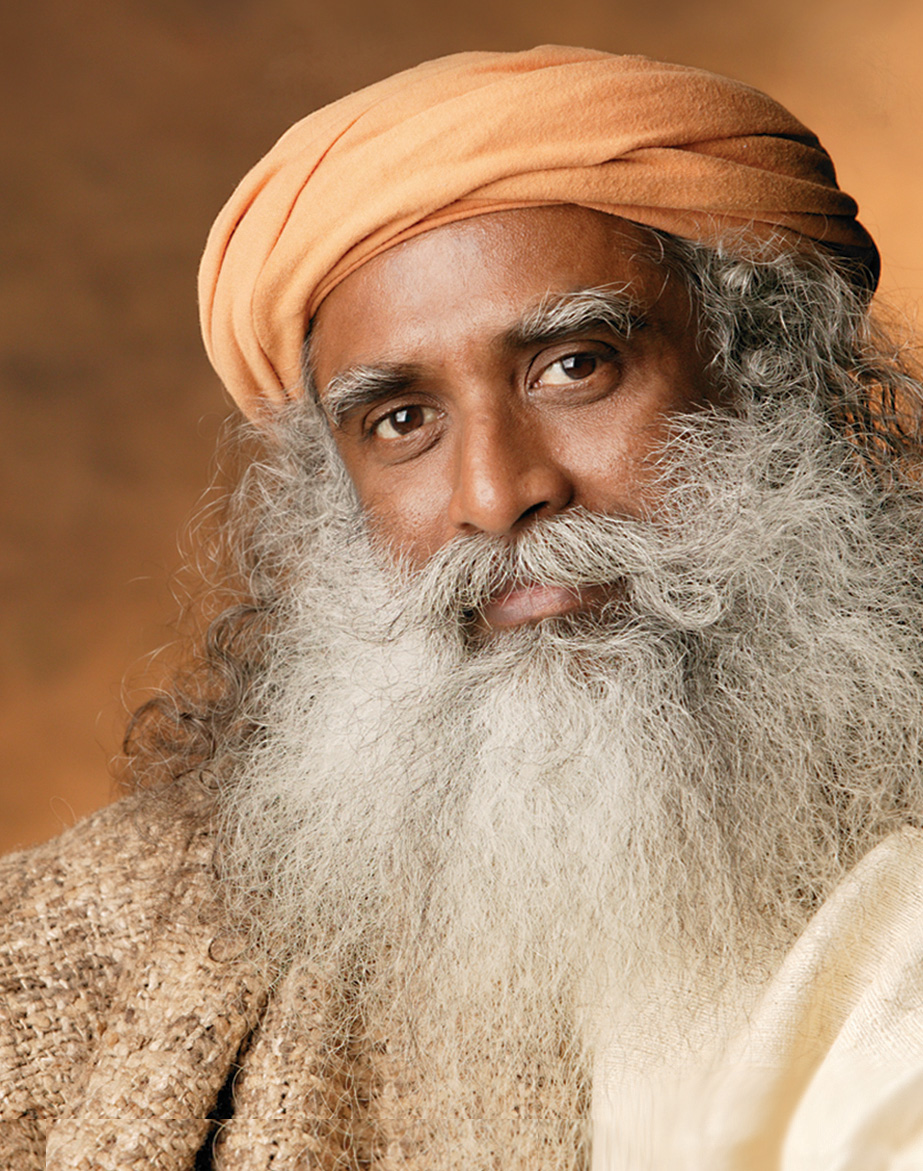
Sadhguru
Sadhguru
Feb 15, 2026
7 min de lectura

Mahashivratri is the most spiritually potent night in the Hindu calendar, dedicated to Lord Shiva and observed with profound devotional practices. The night carries extraordinary spiritual possibility—a time when the veil between the physical and metaphysical worlds thins, making meditation and inner work particularly effective. Whether practiced through all-night vigils, chanting, or silent meditation, Mahashivratri offers practitioners a rare opportunity to access deeper states of consciousness and align with the cosmic dimension of existence that Shiva represents.

Leer · 8 secciones

What Is Mahashivratri and Why Does It Matter Spiritually?

Mahashivratri, meaning "the great night of Shiva," is considered the most auspicious night in the Hindu spiritual calendar. Unlike celebrations tied to lunar cycles that shift yearly, Mahashivratri occurs on the 13th/14th night of every month in the Hindu calendar—but the one occurring in late winter (typically February or March) carries the most potent spiritual charge. This night commemorates Shiva's cosmic dance, known as the Nataraja or "King of Dance," which represents the eternal cycle of creation, preservation, and dissolution.

The significance extends beyond religious observance. In yogic and tantric traditions, Mahashivratri represents a window of heightened cosmic energy. The alignment of planetary and energetic configurations on this particular night makes it exceptionally conducive to meditation, inner transformation, and spiritual breakthrough. For those serious about inner work, Mahashivratri is treated not as a festival of festivity but as an intensive period of practice—a night to harness forces that ordinarily remain dormant.

How Do Practitioners Observe Mahashivratri?

Traditional observation of Mahashivratri involves several interconnected practices. The most common is the all-night vigil, where practitioners remain awake through the night engaged in spiritual practice. This isn't arbitrary—staying awake keeps the nervous system alert and prevents the mind from descending into sleep's dullness, maintaining the subtle body's activation and responsiveness to higher frequencies of energy.

Chanting, particularly the mantra "Om Namah Shivaya," forms a cornerstone of the celebration. This mantra is not merely devotional language; it's a vibrational tool that aligns the practitioner's consciousness with the cosmic principle that Shiva embodies. Young students at spiritual institutions like Sadhguru's Isha Foundation approach Mahashivratri with exuberance precisely because they understand this—they are not performing ritual for tradition's sake, but engaging in a conscious technology of transformation.

Meditation is another primary practice. The heightened energetic state of Mahashivratri night makes meditation qualitatively different from daily practice. The same meditation technique performed on an ordinary night and on Mahashivratri can yield vastly different results because the external and internal conditions are amplified. Practitioners often experience unusual clarity, depth of stillness, or spontaneous insights during Mahashivratri meditation.

What Does Shiva Represent Beyond Religious Mythology?

In the yogic sciences, Shiva is not merely a deity to be worshipped externally. Shiva represents the principle of pure consciousness itself—the witness that exists beyond thought, emotion, and sensation. The "cosmic dance" attributed to Shiva symbolizes the constant vibration and transformation inherent in existence. Creation, maintenance, and dissolution are not separate from Shiva; they are expressions of Shiva's dynamic nature.

The lingam, the abstract form in which Shiva is typically worshipped, is not a symbol of fertility (as sometimes misunderstood in popular culture) but rather a representation of the formless infinite compressed into symbolic form—a visual anchor for directing consciousness toward that which has no form. When practitioners make offerings or perform rituals with the lingam on Mahashivratri, they are using these actions as vehicles to shift their own inner nature toward resonance with this principle of formless consciousness.

Why Is Mahashivratri Night Considered So Powerful for Inner Work?

From an energetic standpoint, Mahashivratri occurs during a specific astronomical and astrological configuration that is said to create a "window" in the cosmic fabric. The planetary positions and lunar phase create conditions where the boundary between the individual consciousness and universal consciousness becomes permeable. What requires sustained effort on ordinary days—deep meditation, expanded awareness, dissolution of the ego boundary—becomes more accessible on Mahashivratri.

This is why dedicated practitioners prioritize Mahashivratri night above almost all other spiritual occasions. It is not a night for celebration in the ordinary sense, but rather a night for intensive, focused inner work. The younger generation at spiritual centers approaches it with exuberance not because they are excited in a worldly way, but because they recognize the rare opportunity—a night when ordinary effort can yield extraordinary results.

What Practices Can Deepen Mahashivratri Observance?

For those new to Mahashivratri practice, several approaches can amplify results:

  • Extended Meditation: Rather than practicing for the usual 20-30 minutes, practitioners often meditate for hours on Mahashivratri night. The extended duration, supported by the heightened energy of the night, can lead to qualitatively deeper states of consciousness.
  • Mantra Repetition: Chanting "Om Namah Shivaya" in cycles—often 108 repetitions or more—creates a vibrational atmosphere that supports the nervous system's shift into refined states of perception.
  • Fasting or Modified Diet: Many traditions involve fasting or consuming only light, sattvic foods on Mahashivratri. This is not asceticism for its own sake, but a practical recognition that a lighter physical body allows the subtle body to become more active and responsive.
  • Sacred Geometry and Rituals: Traditional rituals involving the yoni-lingam, offerings of bilva leaves, and ceremonial bathing are not superstitious but represent an ancient technology encoded in symbolic action. These practices train the nervous system and energy body to recognize and resonate with specific frequencies of consciousness.
  • Community Practice: When groups meditate together on Mahashivratri, particularly at sacred sites or spiritual centers, the coherence created by synchronized inner work amplifies the experience for each individual. This is not mystical in an irrational sense, but reflects the scientifically documented phenomenon of coherence amplification in group fields.

How Does Mahashivratri Differ From Other Spiritual Observances?

While many religious and spiritual traditions mark important dates, Mahashivratri is unique in that it is explicitly designed as a night for inner transformation rather than external celebration. Festivals like Diwali involve family gatherings, festivities, and the sharing of sweets. Mahashivratri, by contrast, is introspective by design—the greatest expression of reverence on this night is to turn one's full attention inward.

The reason Sadhguru's students approach Mahashivratri with particular enthusiasm is that they have been trained in a lineage that understands this distinction clearly. They are not performing religious duty; they are participating in a conscious opportunity to accelerate their spiritual development. The exuberance is that of an athlete who recognizes a rare day of perfect conditions—a night when the cosmic forces align to support their inner work in extraordinary ways.

What Should One Know Before Engaging in Mahashivratri Practice?

For those intending to observe Mahashivratri seriously, certain preparations enhance the results. Begin the week before by establishing a regular meditation practice if you don't already have one—this trains your nervous system and prepares your subtle body for the intensity of Mahashivratri work. On the day itself, eat lightly and avoid stimulating inputs; the quality of your sensory experience in the hours before Mahashivratri affects your capacity to perceive subtle dimensions during the night itself.

Find a clean, quiet space for practice—ideally one with some spiritual significance, though even a simple corner of your home can become a powerful practice space through intention and focus. If practicing in a group or at a spiritual center, this naturally creates stronger energetic conditions, but solitary practice is equally valid if approached with full commitment and focus.

Where to Go From Here

Mahashivratri represents one of the most direct opportunities available within spiritual tradition to access states of consciousness that ordinarily require years of consistent practice. Whether you approach it through formal ritual, meditation, chanting, or silent inner work, the fundamental principle remains the same: this night carries a particular cosmic configuration that supports the inward journey and the dissolution of ordinary consciousness into something vaster and more luminous.

If you are new to spiritual practice, Mahashivratri is an excellent entry point. The heightened conditions of the night can provide a direct experience of what is possible in meditation, potentially becoming a turning point in your spiritual life. If you already practice, treating Mahashivratri as an intensive retreat—even a one-night retreat—can deepen your understanding of your own capacity for inner work and shift your ordinary relationship with consciousness itself. The practice is available; the timing is fixed; the only variable is your commitment to show up fully on this extraordinary night.
Comments

Loading the conversation…

Sadhguru
ArtistSadhguru

Indian yogi, mystic, and founder of the Isha Foundation. Through his programs (Inner Engineering, Bhava Spandana, Samyama) and books, he has introduced millions worldwide to a cont…

Ver perfilSitio web
Explorar temas
MahashivratriShiva-worshipMeditation-practiceSpiritual-celebrationInner-transformation

¿Tienes Preguntas?

Preguntas Frecuentes

Mahashivratri, meaning 'the great night of Shiva,' is the most auspicious night in the Hindu spiritual calendar, observed on the 13th/14th night of each lunar month, with the most potent occurrence in late winter. It commemorates Shiva's cosmic dance and represents a rare window of heightened cosmic energy conducive to meditation and inner transformation.
Staying awake on Mahashivratri keeps the nervous system alert and prevents the mind from descending into sleep's dullness, maintaining the subtle body's activation and responsiveness. This all-night vigil allows practitioners to remain conscious and fully engaged in spiritual practice during a night of exceptional energetic potency.
'Om Namah Shivaya' is not merely devotional language but a vibrational tool that aligns the practitioner's consciousness with the cosmic principle that Shiva embodies. Chanting this mantra repeatedly, especially on Mahashivratri, creates a vibrational atmosphere that supports the nervous system's shift into refined states of perception and consciousness.
Yes. Mahashivratri is not exclusively Hindu but reflects universal principles of consciousness that transcend religious boundaries. The practices—meditation, chanting, fasting, and inner focus—are accessible to anyone regardless of religious background who approaches them with genuine commitment and understanding of their purpose.
Mahashivratri meditation is qualitatively different because the night's specific astronomical and energetic configuration creates heightened conditions for inner work. The same meditation technique can yield vastly different results on Mahashivratri, often producing unusual clarity, deeper stillness, or spontaneous insights that would require far more effort on ordinary days.
Fasting is not required but is a traditional practice that supports Mahashivratri observance. A lighter physical body allows the subtle body to become more active and responsive, making extended meditation and inner work more accessible. Many practitioners consume only light, sattvic foods rather than complete fasting.
In yogic sciences, Shiva represents the principle of pure consciousness itself—the witness that exists beyond thought, emotion, and sensation. Shiva's cosmic dance symbolizes the constant vibration and transformation inherent in existence, and worshipping Shiva is ultimately about aligning one's consciousness with this formless, transcendent principle.
Begin by establishing a regular meditation practice in the week before to train your nervous system. On Mahashivratri itself, eat lightly, avoid stimulating inputs, find a clean quiet space, and commit fully to practice—whether through meditation, chanting, or focused inner work. Group practice at a spiritual center naturally creates stronger conditions, but sincere solitary practice is equally valid.

Seguir leyendo

More from Sadhguru

Ver Todo
Identity and Deception: Why We Lie to Ourselves
Inspire

Identity and Deception: Why We Lie to Ourselves

Identity creates mental vortexes that trap our energy and intelligence, compelling us to lie to protect who we think we are. Breaking this c…

1 min read
Rethinking Menstruation & Temple Worship in Modern Times
Inspire

Rethinking Menstruation & Temple Worship in Modern Times

A spiritual teacher challenges the historical exclusion of menstruating women from worship, revealing its origins as rest—not ritual impurit…

1 min read
Alert Inner Stillness: A Guided Path to Awake Presence
Inspire

Alert Inner Stillness: A Guided Path to Awake Presence

Learn how to access a deeper awareness beneath thought through "smile yoga" and mindful presence, anchoring yourself in alert stillness.…

1 min read
Om Namah Shivaya Chant: Ecstatic Trance Meditation
Inspire

Om Namah Shivaya Chant: Ecstatic Trance Meditation

Jai Uttal guides listeners into an ecstatic chant trance with Om Namah Shivaya, the Sanskrit invocation of Shiva consciousness. A 91-second …

1 min read

Sigue explorando

Continúa tu camino

Más sabiduría y encuentros de todo el directorio de BrightStar.

Más artículos

Recorre la biblioteca completa de enseñanzas, entrevistas y guías.

Ver todos los artículos →

Maestros y artistas

Explora los linajes, músicos y guías del mundo consciente.

Explorar artistas →

Encuentra un evento

Kirtan, retiros, baños de sonido, breathwork, festivales — muy pronto.

Ver eventos →