BrightStar

Ver Todos los Events

Descubre encuentros conscientes

events

Yoga
Meditation
Breathwork
Qigong
Tai Chi
Sacred Music
World Music
Medicine Music
Sound Healing
Ecstatic Dance
Destinos Populares
BaliSedonaLos AngelesCosta RicaNew YorkSan FranciscoAustinMiamiJoshua TreeTulum
Ver Todas las CategoríasVer Todos los Destinos

Explorar Todas las Características

Herramientas poderosas para hacer crecer tus eventos

Características de la Plataforma

Precios Dinámicos Inteligentes
Categorías de Entradas
Asientos Asignados
Recuperación de Carritos
Recuperación de Visitantes
Donaciones y Escala Móvil
Motor de Afiliados
Escáner de Entradas
Códigos de Cupón
Preguntas Personalizadas
Compartir Entradas
Ventas Adicionales
Análisis e Informes
Secuencias de Email
Lista de Espera / Notificar / Recordar
Personas y Lugares
Artists & TeachersEvent OrganizersVenues & StudiosKnowledge BaseGlossaryInspiration
Ver Todas las CaracterísticasSobre Nosotros
PreciosBlog
Language
Saved events
Ver Todos los Eventos

events

YogaMeditationBreathworkQigongTai ChiSacred MusicWorld MusicMedicine Music

Destinos Populares

BaliSedonaLos AngelesCosta RicaNew YorkSan Francisco

Personas y Lugares

Artists & TeachersEvent OrganizersVenues & StudiosKnowledge BaseGlossaryInspiration

Características de la Plataforma

Precios Dinámicos InteligentesCategorías de EntradasAsientos AsignadosRecuperación de CarritosRecuperación de VisitantesDonaciones y Escala MóvilMotor de AfiliadosEscáner de EntradasCódigos de CupónPreguntas PersonalizadasCompartir EntradasVentas AdicionalesAnálisis e InformesSecuencias de EmailLista de Espera / Notificar / Recordar
Ver Todas las CaracterísticasSobre Nosotros
PreciosBlog
Iniciar sesiónBuscadoresCreadores
  • Ver Todos los Eventos
  • Para Buscadores
  • Yoga
  • Meditación
  • Respiración consciente
  • Qigong
  • Tai chi
  • Música sagrada
  • Música del mundo
  • Música medicina
  • Sanación con sonido
  • Danza extática
  • Retiros
  • Talleres
  • Todas las Categorías →
  • Bali
  • Sedona
  • Los Angeles
  • Costa Rica
  • Tulum
  • Byron Bay
  • San Francisco
  • Austin
  • New York
  • San Diego
  • Denver
  • Seattle
  • Portland
  • Miami
  • Todas las Ciudades →
  • Be Found
  • Sell Globally
  • Para Creadores
  • Para equipos
  • Para Escritores
  • Para Maestros
  • Para Artistas de Kirtan
  • Para Estudios
  • Para Festivales
  • Para Centros de Retiros
  • Para Organizaciones Sin Fines de Lucro
  • Embajador de Marca
  • Casos de Estudio
  • Entradas sin costo
  • Elevate
  • Amplify
  • Red de +500K Compradores
  • Recuperación de Carritos
  • Precios Dinámicos Inteligentes
  • Categorías de Entradas
  • Eventos Recurrentes
  • Asientos Asignados
  • Motor de Afiliados
  • Lista de Espera / Notificar
  • Escáner de Entradas
  • Widget Embebido
  • Sindicación de eventos
  • Centro de mensajes
  • Integraciones
  • Reportes
  • Todas las Características →
  • Acerca de
  • El ecosistema
  • Blog
  • Glosario
  • Inspiración
  • Centro de Ayuda
  • Contacto
  • Documentación API
  • Recursos de Marca
  • Carreras
  • Prensa
  • Términos de Servicio
  • Política de Privacidad

Eventos

  • Ver Todos los Eventos
  • Para Buscadores
  • Yoga
  • Meditación
  • Respiración consciente
  • Qigong
  • Tai chi
  • Música sagrada
  • Música del mundo
  • Música medicina
  • Sanación con sonido
  • Danza extática
  • Retiros
  • Talleres
  • Todas las Categorías →

Destinos

  • Bali
  • Sedona
  • Los Angeles
  • Costa Rica
  • Tulum
  • Byron Bay
  • San Francisco
  • Austin
  • New York
  • San Diego
  • Denver
  • Seattle
  • Portland
  • Miami
  • Todas las Ciudades →

Para Creadores

  • Be Found
  • Sell Globally
  • Para Creadores
  • Para equipos
  • Para Escritores
  • Para Maestros
  • Para Artistas de Kirtan
  • Para Estudios
  • Para Festivales
  • Para Centros de Retiros
  • Para Organizaciones Sin Fines de Lucro
  • Embajador de Marca
  • Casos de Estudio
  • Entradas sin costo
  • Elevate
  • Amplify

Características

  • Red de +500K Compradores
  • Recuperación de Carritos
  • Precios Dinámicos Inteligentes
  • Categorías de Entradas
  • Eventos Recurrentes
  • Asientos Asignados
  • Motor de Afiliados
  • Lista de Espera / Notificar
  • Escáner de Entradas
  • Widget Embebido
  • Sindicación de eventos
  • Centro de mensajes
  • Integraciones
  • Reportes
  • Todas las Características →

Empresa

  • Acerca de
  • El ecosistema
  • Blog
  • Glosario
  • Inspiración
  • Centro de Ayuda
  • Contacto
  • Documentación API
  • Recursos de Marca
  • Carreras
  • Prensa
  • Términos de Servicio
  • Política de Privacidad
BrightStar
© 2026 BrightStar. Todos los derechos reservados.
Inspiration

Heartbreak as Education: WhyBetrayal Builds Better Lovers

The School of Life
The School of Life
Sep 16, 2026
6 min de lectura
Ver · 6

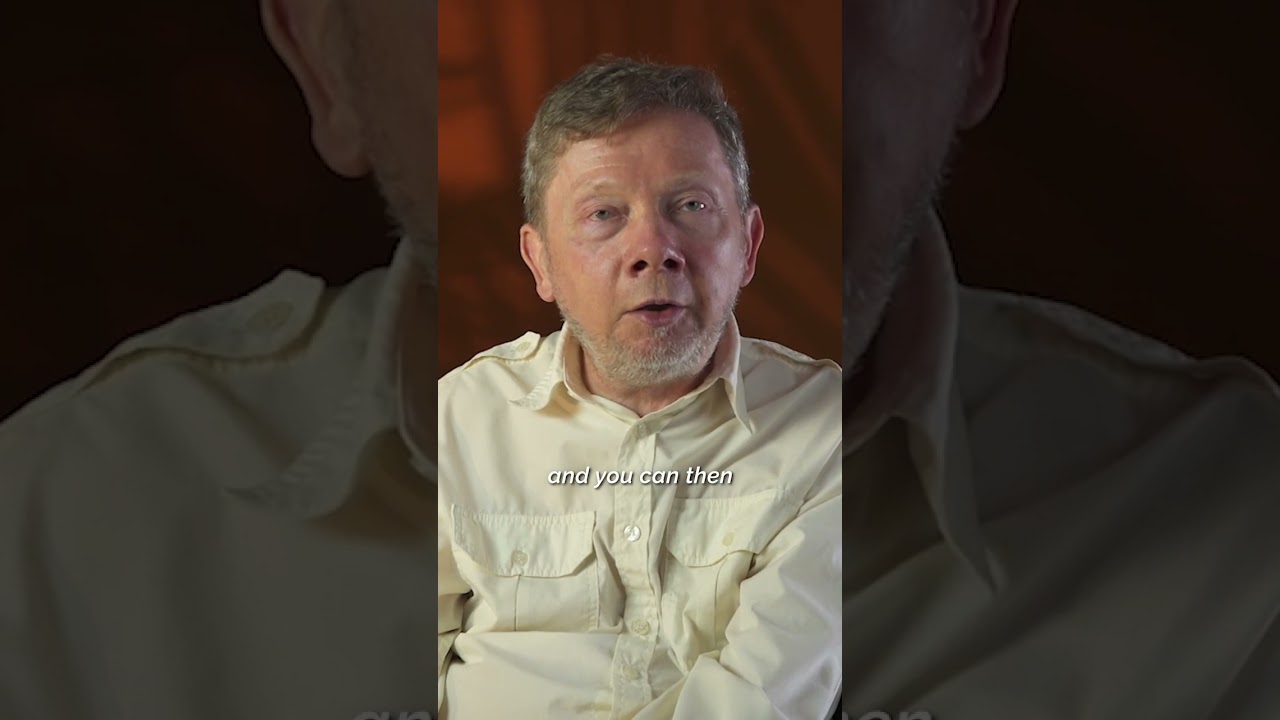
Imagine a first date. Across the table sits someone who tells you a story that cuts to the bone: an ex who pursued them intensely for a year, proposed after six months, bought a house together, spoke excitedly about children. Then the truth emerged. From the very beginning, there had been another family. A new baby born the same month as the proposal. Our instinct is pure sympathy—we compose our face into an expression of gravity, murmur something appropriately consoling. But there is another thought that should quietly surface: this may be one of the most promising things we could ever learn about a potential partner. The person sitting across from you is not unmarked. They have been through something that most people spend their entire lives trying to avoid. And that journey, as brutal as it was, may have transformed them into someone far more capable of love than someone who has never had their heart shattered.

Leer · 5 secciones

The Incomplete Education of Being Loved Well

We live in a culture that celebrates romantic ease. Dating profiles list hobbies and display photographs. The more important detail—that someone has cried for two years over a person they used to call squirrel—never makes it onto the page. There's an assumption embedded in how we approach love: that being loved well teaches us how to love well. But the inverse is often true. We don't learn much about love from only being loved well. The person who has never felt abandoned, betrayed, or devalued often arrives at their next relationship with a poverty of understanding about what their partner might need. They haven't yet learned that tenderness is not infinite, that attention is not guaranteed, that a text message answered promptly is a small miracle.

What Heartbreak Actually Teaches

Heartbreak is a violent education, but education nonetheless. Someone who has waited desperately for a text reply learns the precise value of answering a message promptly. They understand, in their bones, how the absence of a response corrodes hope. Someone who has always had to initiate intimacy learns the vulnerability in desire and becomes careful about explaining those evenings when they are not in the mood—not with resentment, but with an understanding of what it feels like to be turned away. After months of fighting, a quiet walk discussing the local architecture becomes not a consolation prize but a revelation of peace. These are not theoretical lessons. They are carved into memory.

The heartbroken person develops an entirely different relationship with generosity. Someone who was never offered help, who had to carry everything alone, becomes one of the finest teachers in giving. They know what it means to need. They have felt the sting of tightfisted love. Similarly, steadiness stops being boring. When you have been abandoned, when you have experienced the vertigo of betrayal, a partner who simply shows up—who is consistent, predictable, present—feels revolutionary. A thank you becomes not a politeness but an utterance weighted with years of crying, with the memory of devastation survived. It is a thank you that means something because it comes from someone who knows what it is to have nothing.

The Architecture of Second-Chance Love

There is also the question of how such a person would handle an ending, were one ever necessary. Someone who has experienced the carelessness of abandonment, the shock of sudden departure, carries that knowledge into their approach to difficulty. If they ever did have to leave, there is an above-average chance they would think very carefully about how to do the ending. They would not disappear. They would not construct an elaborate lie. They would not pursue someone for a year only to reveal months in that they had another family. They understand, perhaps more clearly than anyone, the architecture of betrayal and the damage it creates. And so they build differently.

The person without heartbreak often has no framework for real damage. They have not seen what happens when trust breaks. They do not know that some betrayals leave permanent scarring, that some people do not recover, that some damage is irreversible. The heartbroken person knows. And this knowledge makes them careful in ways that sound like love.

The Gratitude That Comes Through Suffering

Our minds are naturally ungrateful. We acclimate quickly to goodness and begin to expect it as our due. A partner who has always been kind seems, over time, merely adequate. The flowers wilt. The text feels routine. But someone who has had their heart broken knows how rare these small gestures are. A bunch of primroses arrives as evidence of a miracle. A handmade card is not quaint but precious. Someone who has felt the cold of indifference learns to see warmth as the exception, not the rule, and to honor it accordingly.

There is a darker thought embedded in this observation, one that the School of Life names directly: we should feel a kind of gratitude toward the "monsters" who hurt our potential partners. Every betrayal, every abandonment, every act of carelessness—these are tuition payments in the education of how to love. The ex who seemed beastly was, in fact, a terrible teacher who taught unforgettable lessons. A part of our mind, perhaps ungraciously, should thank them for the journey they took our companion through.

Why Honesty Requires Its Own Devastation

It generally takes an affair to make us appreciate honesty. It takes being lied to systematically, over years, to understand that truthfulness is not a minor character trait but a foundation of everything that matters. Someone who has discovered the lie, who has lived with the shock of deception, who has rebuilt themselves from that rubble—they will not lie lightly. They will not keep secrets out of convenience. They will not construct elaborate stories to avoid discomfort. They have seen what lies cost.

The capacity to love properly may not rest, as we often assume, on an abundance of positive experiences. It may rest instead on heartbreak. On having been brought low, on having survived devastation, on having learned—through no choice of our own—what matters and what doesn't. The heartbroken person is not damaged goods. They are, in many ways, the most educated in the subtle language of love: its fragility, its preciousness, its demands. They have been to hell. And having returned, they tend to treasure what they find in the world above.

Transcript

[0:02] When you're looking out for a partner,

[0:04] try to find one who's had their heart

[0:07] very badly broken by one or even better

[0:10] two or three exes.

[0:13] Imagine you're on a date across the

[0:14] table from someone with a truly tragic

[0:17] story to tell.

[0:19] Their ex pursued them intensely for a

[0:21] year, proposed after 6 months, bought a

[0:23] house with them, and spoke excitedly

[0:25] about children. Then it emerged that

[0:27] from the very beginning there had been

[0:29] another family. There was even a new

[0:31] baby in the month of the proposal.

[0:34] We compose our face into an expression

[0:37] of gravity and sympathy. We might

[0:39] murmur, "How awful. And that must have

[0:41] been devastating." But another thought

[0:44] should quietly cross our minds. This may

[0:47] be one of the most promising things we

[0:49] could ever have learned about a new

[0:51] companion, or indeed about anyone we

[0:54] might hope to love.

[0:56] Dating profiles tend to mention hobbies

[0:59] and shows photographs. The more

[1:01] important detail gets left off. That

[1:03] this is someone who cried for 2 years

[1:06] over a person they used to call

[1:08] squirrel.

[1:10] We could naturally learn the wrong

[1:12] lessons from having our heart broken.

[1:14] But we might also return to love with a

[1:17] heightened sense of gratitude and

[1:19] responsibility.

[1:21] There's nothing like waiting desperately

[1:23] for a reply to a text to teach us the

[1:25] value of answering promptly to messages.

[1:29] Having always had to initiate sex, we'll

[1:32] become very careful about explaining

[1:34] those evenings when we're not in the

[1:36] mood. After months of shouting, a quiet

[1:40] walk around the block discussing the

[1:41] local architecture tends to feel

[1:43] thrilling.

[1:45] Someone who's never offered to pay

[1:47] becomes our finest teacher in

[1:49] generosity.

[1:50] With our hearts broken, we stop scoffing

[1:53] at steadiness. We learn to be properly

[1:55] grateful for tenderness. We say a thank

[1:58] you built out of years of crying for a

[2:00] bunch of primroses or a handmade card.

[2:04] And if the partner ever did have to

[2:06] leave us, there is an above average

[2:08] chance that they would think very

[2:10] carefully about how to do the ending.

[2:14] We are sorry, of course, for anyone who

[2:17] does get their hearts broken.

[2:19] The ex really did seem beastly, but a

[2:22] part of our mind can't and shouldn't

[2:25] help thanking every monster for taking

[2:28] our prospective companion on a journey

[2:31] to hell.

[2:32] Our minds are by nature ungrateful. We

[2:36] don't learn too much about love from

[2:39] being only loved well.

[2:41] It generally takes an affair to make us

[2:44] appreciate honesty.

[2:46] The foundation of a capacity to love

[2:49] properly might just be heartbreak.

The School of Life
ArtistThe School of Life

Watch more from The School of Life on YouTube.

Ver perfilSitio web
Explorar temas
Heartbreak-resilienceLove-educationEmotional-growthRelationshipsGratitude

¿Tienes Preguntas?

Preguntas Frecuentes

Yes, according to relationship psychology. People who've experienced betrayal or abandonment learn profound lessons about responsiveness, consistency, and honesty. They understand the cost of carelessness in love and tend to show more intentionality in how they treat partners.
Heartbreak teaches us that kindness and attention are not guaranteed—they're gifts. Someone who has felt the absence of responsiveness learns to deeply appreciate when their partner answers a text or offers tenderness. Gratitude becomes a natural response born from contrast with suffering.
Being loved well teaches us comfort, but not necessarily depth. It generally takes experiences of loss, betrayal, or abandonment to truly understand what love requires—honesty, consistency, care about how you end things. The heartbroken person has learned through devastation what others may never grasp.
Often yes. Multiple heartbreaks create a kind of accumulated wisdom about human nature and relationship vulnerability. The person who has survived two or three serious betrayals tends to approach partnership with both humility and intentionality that comes from hard-won experience.
Someone who has experienced serious betrayal typically approaches conflict and endings with care. They understand the lasting damage of carelessness, so if a relationship ever ends, they're more likely to think carefully about how to do it with honesty and compassion rather than disappearing or lying.
When you've been systematically lied to—discovering an affair, a hidden family, or fundamental deception—you learn that trust is built on truthfulness. The heartbroken person won't lie casually because they've lived the consequences of deception and understand how it destroys everything.

Seguir leyendo

More from The

Ver Todo
When Despair Lies: Why It's Always Too Early to Tell
Inspire

When Despair Lies: Why It's Always Too Early to Tell

Despair convinces us the future holds only darkness. But from under the bedclothes, can we really know what comes next? A philosophy of radi…

1 min read
Why Unexplained Endings Hurt More Than Loss Itself
Inspire

Why Unexplained Endings Hurt More Than Loss Itself

Not all breakups hurt equally. The science of heartbreak reveals three distinct types—and what makes mystery more painful than loss.…

1 min read
Sensing the Essence of Another Person
Inspire

Sensing the Essence of Another Person

Learn how awareness of your own essence enables you to perceive the deeper nature of others. Discover what truly meeting another person mean…

1 min read
Most Important Relationship Question: Recognition Beyond Ego
Inspire

Most Important Relationship Question: Recognition Beyond Ego

Eckhart Tolle explores how recognizing your own consciousness—beyond memory and thought—allows you to truly sense that same awareness in ano…

1 min read

Sigue explorando

Continúa tu camino

Más sabiduría y encuentros de todo el directorio de BrightStar.

Más artículos

Recorre la biblioteca completa de enseñanzas, entrevistas y guías.

Ver todos los artículos →

Maestros y artistas

Explora los linajes, músicos y guías del mundo consciente.

Explorar artistas →

Encuentra un evento

Kirtan, retiros, baños de sonido, breathwork, festivales — muy pronto.

Ver eventos →