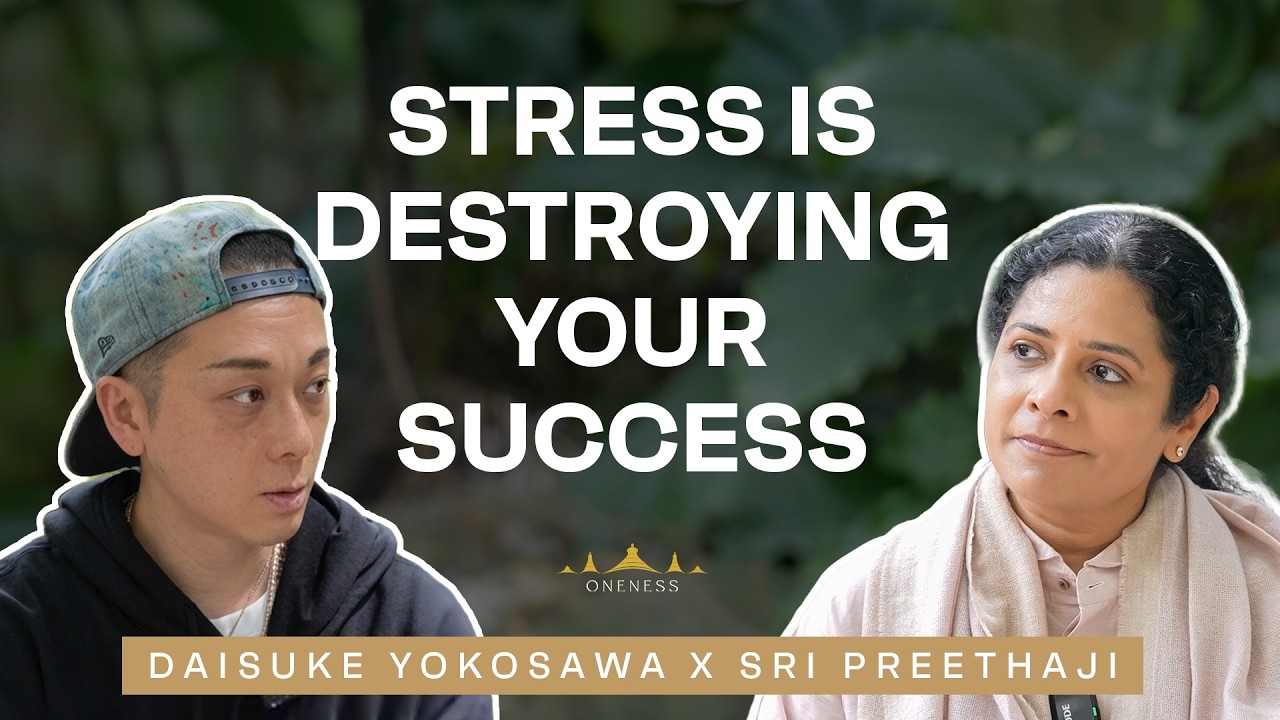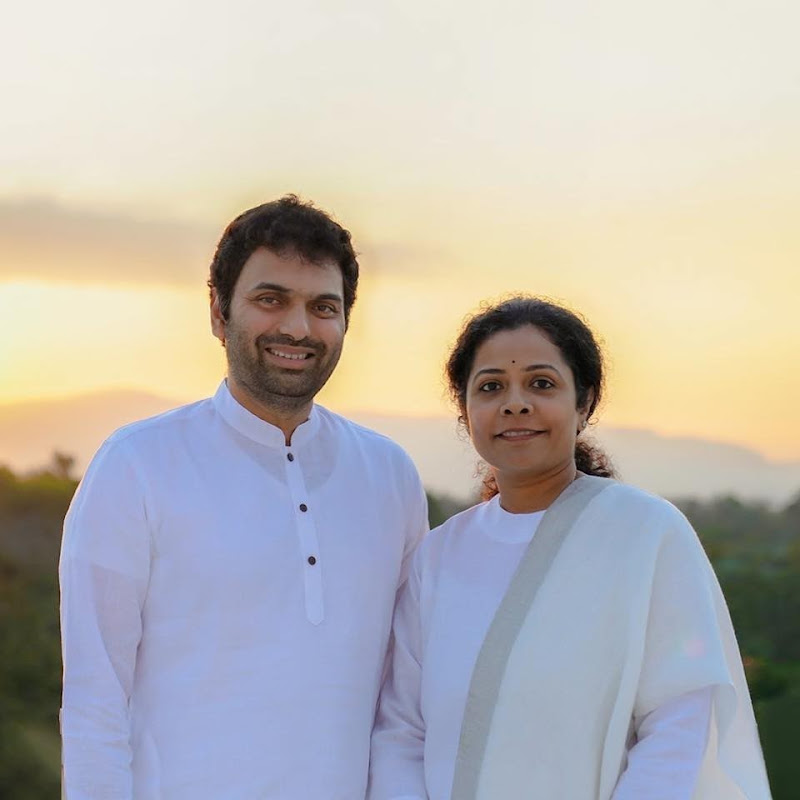
In a three-minute intervention, you can shift from a stressed state into what Sri Krishnaji calls a "beautiful state"—one of clarity, calm, and presence. Rather than pushing through stress or waiting for conditions to change, this approach teaches you to actively dissolve stress and recalibrate your inner state during the middle of a demanding day. The technique works by interrupting the stress response and consciously directing your nervous system toward a more resourceful, peaceful condition.
Most people treat stress as something to endure until the day ends or circumstances improve. Sri Krishnaji's teaching points to a different possibility: stress does not have to persist throughout your day. Rather than waiting for external resolution, you can generate a fundamental shift in your internal state in just three minutes.
The window of three minutes is significant because it is short enough to fit into a busy schedule—between meetings, during a lunch break, or before heading into a challenging interaction. It is also long enough to trigger a genuine neurological shift, moving beyond superficial relaxation into what Krishnaji describes as a "beautiful state." This state is not merely the absence of stress; it is an active presence of calm, mental clarity, and emotional ease.
When Sri Krishnaji refers to a "beautiful state," he is describing an internal condition marked by ease, presence, and freedom from the agitation that stress creates. In this state, your mind is clearer, your body is relaxed, and your capacity to respond to challenges—rather than react defensively—is restored. A beautiful state is functional: it allows you to meet your responsibilities with greater wisdom and less internal friction.
This differs from temporary distraction or numbing. You are not escaping stress by dissociating or ignoring it. Instead, you are genuinely transforming the stress response itself, creating a measurable shift in how your nervous system is organized. The teaching suggests that this shift is available to you, right now, even in the midst of an otherwise demanding day.
Although the full methodology of the three-minute technique was not detailed in the source material, the principle underlying Sri Krishnaji's teaching is direct intervention in the stress response. Rather than addressing stress through analysis or willpower, this approach works by interrupting the physiological and psychological patterns that maintain stress.
The key insight is that stress lives in both the body and the mind—in muscle tension, breath patterns, and the narrative you are running internally. By addressing both simultaneously, you can dissolve stress rather than merely suppress it. This might involve conscious breathwork, body awareness, or a shift in attention that breaks the cycle of stress-producing thoughts. The three-minute timeframe suggests a practical, efficient method that creates real change without requiring extended meditation or retreat.
One of the revolutionary aspects of this teaching is its applicability during an active, stressful day—not just in the morning or evening during dedicated practice time. You can use this technique in the middle of work pressures, family demands, or unexpected challenges. This means stress does not have to accumulate throughout your day or wait until you finally have space to process it.
By taking three minutes to shift into a beautiful state, you reset your internal baseline. You move from reactivity back to clarity. This has a compounding effect: when you meet the next challenge from a calm, resourced place rather than an already-depleted one, you handle it more effectively. Your day begins to feel different not because external circumstances changed, but because your inner landscape changed.
Most stress-management advice requires you to slow down, take time off, or change your life circumstances. While those things have value, they are not always immediately available during a demanding workday or during caregiving responsibilities. Sri Krishnaji's approach assumes you will remain in the midst of activity and demands—and teaches you to access beauty and calm right there, in the center of it all.
This shifts the locus of control inward. You are not waiting for stress to be resolved by external events. You are taking direct responsibility for your inner state. In doing so, you reclaim agency. The day does not happen to you; you meet the day from a place of presence and ease.
If this teaching resonates with you, the next step is experiential. Set aside three minutes during a moment of mild to moderate stress and practice the technique. Notice what shifts—in your body, your breath, your thoughts, your emotional tone. Observe whether the quality of the next task or interaction improves when approached from this clearer, calmer state.
For deeper learning and instruction, Sri Preethaji and Sri Krishnaji offer teaching through the Oneness Movement, including the FREE ONENESS GLOBAL SUMMIT (July 18-20, 2025) where you can learn methods to dissolve stress and live in a beautiful state more consistently. That summit offers an opportunity to engage with these teachings more fully and to learn additional practices that support sustained inner transformation beyond the three-minute intervention.