BrightStar

Ver Todos los Events

Descubre encuentros conscientes

events

Yoga
Meditation
Breathwork
Qigong
Tai Chi
Sacred Music
World Music
Medicine Music
Sound Healing
Ecstatic Dance
Destinos Populares
BaliSedonaLos AngelesCosta RicaNew YorkSan FranciscoAustinMiamiJoshua TreeTulum
Ver Todas las CategoríasVer Todos los Destinos

Explorar Todas las Características

Herramientas poderosas para hacer crecer tus eventos

Características de la Plataforma

Precios Dinámicos Inteligentes
Categorías de Entradas
Asientos Asignados
Recuperación de Carritos
Recuperación de Visitantes
Donaciones y Escala Móvil
Motor de Afiliados
Escáner de Entradas
Códigos de Cupón
Preguntas Personalizadas
Compartir Entradas
Ventas Adicionales
Análisis e Informes
Secuencias de Email
Lista de Espera / Notificar / Recordar
Personas y Lugares
Artists & TeachersEvent OrganizersVenues & StudiosKnowledge BaseGlossaryInspiration
Ver Todas las CaracterísticasSobre Nosotros
PreciosBlog
Language
Saved events
Ver Todos los Eventos

events

YogaMeditationBreathworkQigongTai ChiSacred MusicWorld MusicMedicine Music

Destinos Populares

BaliSedonaLos AngelesCosta RicaNew YorkSan Francisco

Personas y Lugares

Artists & TeachersEvent OrganizersVenues & StudiosKnowledge BaseGlossaryInspiration

Características de la Plataforma

Precios Dinámicos InteligentesCategorías de EntradasAsientos AsignadosRecuperación de CarritosRecuperación de VisitantesDonaciones y Escala MóvilMotor de AfiliadosEscáner de EntradasCódigos de CupónPreguntas PersonalizadasCompartir EntradasVentas AdicionalesAnálisis e InformesSecuencias de EmailLista de Espera / Notificar / Recordar
Ver Todas las CaracterísticasSobre Nosotros
PreciosBlog
Iniciar sesiónBuscadoresCreadores
  • Ver Todos los Eventos
  • Para Buscadores
  • Yoga
  • Meditación
  • Respiración consciente
  • Qigong
  • Tai chi
  • Música sagrada
  • Música del mundo
  • Música medicina
  • Sanación con sonido
  • Danza extática
  • Retiros
  • Talleres
  • Todas las Categorías →
  • Bali
  • Sedona
  • Los Angeles
  • Costa Rica
  • Tulum
  • Byron Bay
  • San Francisco
  • Austin
  • New York
  • San Diego
  • Denver
  • Seattle
  • Portland
  • Miami
  • Todas las Ciudades →
  • Join the Movement
  • Why we list
  • Sell Globally
  • Para Creadores
  • Para equipos
  • Para Escritores
  • Para Maestros
  • Para Artistas de Kirtan
  • Para Estudios
  • Para Festivales
  • Para Centros de Retiros
  • Para Organizaciones Sin Fines de Lucro
  • Embajador de Marca
  • Entradas sin costo
  • Elevate
  • Amplify
  • Red de +500K Compradores
  • Recuperación de Carritos
  • Precios Dinámicos Inteligentes
  • Categorías de Entradas
  • Eventos Recurrentes
  • Asientos Asignados
  • Motor de Afiliados
  • Lista de Espera / Notificar
  • Escáner de Entradas
  • Widget Embebido
  • Sindicación de eventos
  • Centro de mensajes
  • Integraciones
  • Reportes
  • Todas las Características →
  • Acerca de
  • El ecosistema
  • Blog
  • Glosario
  • Inspiración
  • Centro de Ayuda
  • Contacto
  • Documentación API
  • Recursos de Marca
  • Carreras
  • Prensa
  • Términos de Servicio
  • Política de Privacidad

Eventos

  • Ver Todos los Eventos
  • Para Buscadores
  • Yoga
  • Meditación
  • Respiración consciente
  • Qigong
  • Tai chi
  • Música sagrada
  • Música del mundo
  • Música medicina
  • Sanación con sonido
  • Danza extática
  • Retiros
  • Talleres
  • Todas las Categorías →

Destinos

  • Bali
  • Sedona
  • Los Angeles
  • Costa Rica
  • Tulum
  • Byron Bay
  • San Francisco
  • Austin
  • New York
  • San Diego
  • Denver
  • Seattle
  • Portland
  • Miami
  • Todas las Ciudades →

Para Creadores

  • Join the Movement
  • Why we list
  • Sell Globally
  • Para Creadores
  • Para equipos
  • Para Escritores
  • Para Maestros
  • Para Artistas de Kirtan
  • Para Estudios
  • Para Festivales
  • Para Centros de Retiros
  • Para Organizaciones Sin Fines de Lucro
  • Embajador de Marca
  • Entradas sin costo
  • Elevate
  • Amplify

Características

  • Red de +500K Compradores
  • Recuperación de Carritos
  • Precios Dinámicos Inteligentes
  • Categorías de Entradas
  • Eventos Recurrentes
  • Asientos Asignados
  • Motor de Afiliados
  • Lista de Espera / Notificar
  • Escáner de Entradas
  • Widget Embebido
  • Sindicación de eventos
  • Centro de mensajes
  • Integraciones
  • Reportes
  • Todas las Características →

Empresa

  • Acerca de
  • El ecosistema
  • Blog
  • Glosario
  • Inspiración
  • Centro de Ayuda
  • Contacto
  • Documentación API
  • Recursos de Marca
  • Carreras
  • Prensa
  • Términos de Servicio
  • Política de Privacidad
BrightStar
Descarga la app
Descárgalo en elApp StoreDisponible enGoogle Play
© 2026 BrightStar. Todos los derechos reservados.
Inspiration

Divine Mother Devotional Music and Its Bee-and-Lotus Image

Sacred Earth
Sacred Earth
Oct 10, 2012
8 min de lectura

Picture the rooms the makers keep returning to in their own description: a massage table with the lights turned low, a yoga class winding down, a spa where the water is still. Into that quiet comes a track called Divine Mother, a little under ten minutes of sung devotion, a warm bed of strings, and a flute line that seems to breathe with the singer. The video description says that listeners who hear the group are drawn in, and that "within a few moments their eyes shut and are merging into a meditation of pure inner peace." Whether or not every listener drifts that far, the piece is a clear example of what devotional music is built to do. It takes one short image, a bee absorbed in a lotus, and repeats it until the words stop being an idea and become a state of mind.

Leer · 6 secciones

What is the Divine Mother chant actually saying?

The lyric printed in the video's description is short enough to hold in one breath: "Engrossed is the bee of my mind / on the blue lotus feet of my Divine Mother. / Divine Mother, my Divine Mother." Everything in the song grows out of those lines.

Start with the bee. In devotional poetry, the seeker is often pictured as a bee, and the bee is not a tourist in the flower. It is absorbed. It does not circle the lotus to judge it or to study its petals; it goes in, drawn by sweetness, and stays there. The lyric puts the bee in the mind, which is an important move. The devotee's attention, the thing most of us scatter across a day, is imagined as a creature that has found exactly one place it wants to be.

Then the lotus. The blue lotus is an emblem of the sacred that grows out of mud and opens into beauty, and the lyric places its focus at the feet. In many devotional traditions, touching or bowing at the feet is a gesture of humility and surrender. The image is not of a distant power to be admired from above but of an intimate figure one kneels before. That posture is what turns the chant from description into prayer.

Finally, the repetition. "Divine Mother, my Divine Mother" is the hinge of the whole piece. The possessive "my" carries the emotional weight. The sacred is not only named but claimed as a personal relationship, and the phrase is short enough to be repeated over and over, which is how a chant does its work. Repetition is not padding in this kind of music. It is the method.

Why does a Divine Mother chant sound the way it does?

The description gives a clear picture of the group's instrumentation, and it is worth taking each part seriously, because in music of this kind the sound is part of the teaching.

Prem Aliyah Williams carries the melody. The description calls her voice "divine" and says it soars "above warm resonant strings." That is the basic architecture of the form: a human voice rising over a bed of sustained, warm tones that never really stop, so the listener feels held rather than pushed forward.

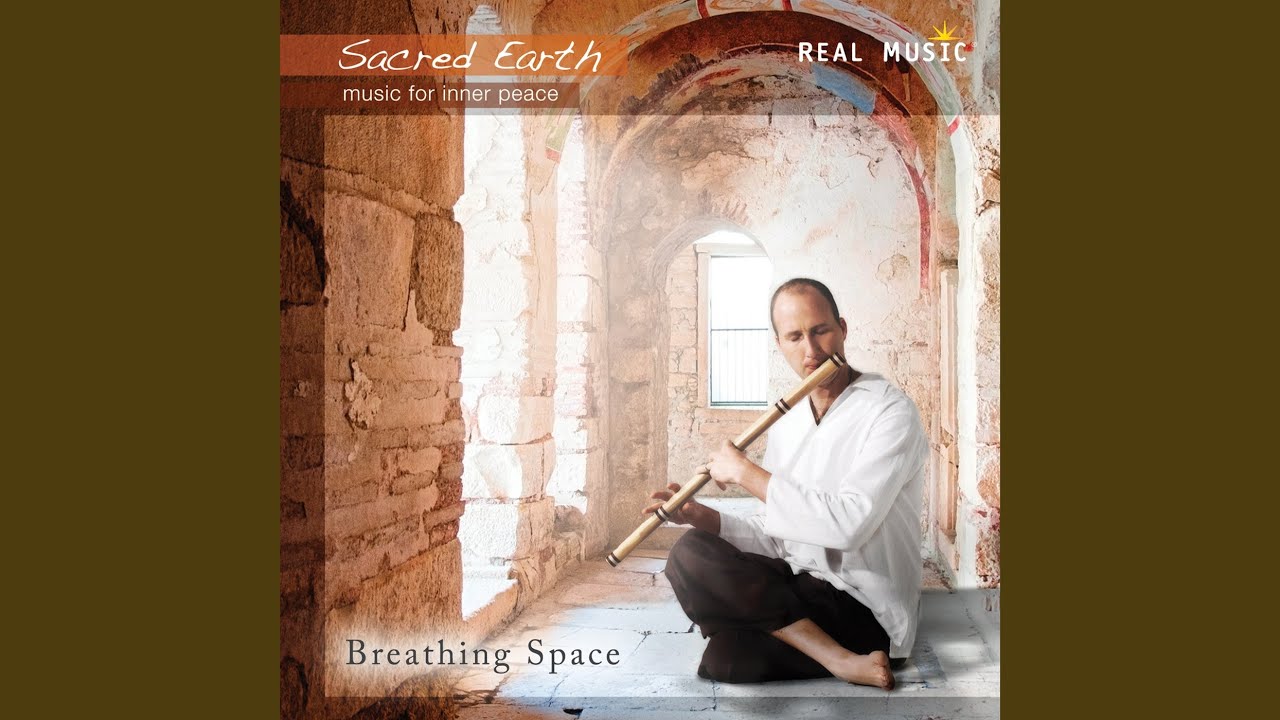
Her husband, Jethro Williams, plays what the description lists as "an array of flutes from around the world including Shakuhachi (Japanese Flute), Indian Bansuri, Irish tin and Low whistles." The choice matters. The shakuhachi is a Japanese bamboo flute long associated with meditation, and the bansuri is an Indian bamboo flute with a breathy, open tone that suits devotional singing. Put them alongside Irish tin whistles and a low whistle and you have a deliberate sound that draws from several spiritual and folk traditions at once. The material does not explain the arrangement of this particular track, so it is safest to say that the flutes give the chant its breath, moving at the pace of inhalation and exhalation rather than the pace of a beat.

Jethro also contributes "beautiful acoustic guitar melodies and deep warm vocals," and the description notes "gentle soothing ethnic percussion" binding it together. The percussion here is not meant to drive. It keeps the pulse low and steady, which is why the piece can run almost ten minutes without ever feeling like it is building to a climax. The goal is not release. The goal is staying put.

Where does the Divine Mother tradition come from?

The material does not trace the lyric to a specific source, and it would be a mistake to invent one. What it does establish is the emotional language: a devotional address to the sacred as Mother, sung in the first person, with a bee-and-lotus image at its center. That language has a long history in South Asian devotional traditions, where the divine is often addressed as a mother and where song is a principal path of devotion, known broadly as bhakti. Devotion in this sense is not a belief you hold. It is a relationship you practice, and the chant is the place where the relationship is rehearsed.

The bee image belongs to that same family of devotional poetry. Its appeal is simple and nearly universal: the absorbed attention of an insect that has found nectar. A listener does not need to know the history to feel the logic of it. The lyric asks one question, where is your attention, and gives one answer, here.

What is new in a recording like this is the setting. The sound draws from Japanese, Indian, and Irish instruments and is performed by an Australian group whose work the description says is used across massage, yoga, meditation, healing, spa, and film. The tradition is old, but the arrangement carries it into rooms and listening habits that the older devotional settings never imagined.

What does the Mother Earth connection add?

The video's title pairs the chant with "Sacred Earth," and the description frames the group's devotion as reaching toward both "spirit and our precious Mother Earth." That pairing is meaningful. A Divine Mother who is also the earth turns the lyric's intimacy outward. The bee is not only drawn to a divine feminine figure; it is drawn to the living world that sustains it. The material does not elaborate on this beyond the description, so the reading stays close to what the makers wrote: devotion to spirit and devotion to the earth are presented as one heart-level commitment.

The description also includes a definition of Pamanyungan, "a large family of Australian aboriginal languages spoken throughout Australia except in the extreme north and including Pitjantjatjara and Warlpiri." The material places it alongside the track, but it does not explain how the word relates to the music, and the lyric printed here is in English. It is worth reading the definition as context the uploader chose to include, not as a key to the chant.

Who are Prem Aliyah Williams and Jethro Williams?

According to the description, Sacred Earth is one of Australia's most popular spiritual devotional music groups. Prem Aliyah Williams sings and shares what the description calls her "heart felt devotion for spirit and our precious Mother Earth through mantra and songs from the heart." Jethro Williams, her husband, provides the flutes, acoustic guitar, and vocals. The description states the group's music is used "extensively throughout the world in the massage, yoga, meditation, healing, spa & film industries to evoke a feeling of well-being, peace, and ambiance." That is the makers' own account of where their work lives, and it fits the sound: music meant to stay in the background and gently change the room.

Where to go from here

Listen to Divine Mother with headphones and let the bee-and-lotus lines come back around. Notice where your attention drifts, and where the flute seems to catch it. The video has drawn more than 3.6 million views, and the description invites viewers to support the musicians directly. It lists the track and a Pamanyungan mp3 on Amazon for $1.29 (USD), and the uploader writes that they want people to "support musicians by buying their music." The group's official site is at sacredearthmusic.com.

If the bee image stays with you, the next step is the tradition behind it. Read about bhakti and devotional song, and about the way South Asian poets have addressed the divine as Mother. You will find that the chant is not a new invention. It is a very old door, and Sacred Earth has opened it again in a form that a massage table, a studio, or a quiet bedroom can hold.
Comments

Loading the conversation…

Sacred Earth
ArtistSacred Earth

Sacred Earth is Australian mantra duo Penny and Jethro Williams, whose soaring vocals, flutes and harmonies bring audiences into sacred silence through contemporary chant.

Ver perfilSitio web
Explorar temas
Divine-motherBhakti-devotionDevotional-musicShakuhachi-bansuriMantra-chant

¿Tienes Preguntas?

Preguntas Frecuentes

The lyric describes a devotee's mind as a bee absorbed in the blue lotus feet of the Divine Mother. The image conveys focused, intimate devotion, where attention settles completely on the sacred rather than wandering. The repetition of "my Divine Mother" makes the relationship personal.
The video description lists shakuhachi (Japanese flute), Indian bansuri, Irish tin whistle, and low whistle, played by Jethro Williams, along with acoustic guitar, deep vocals, warm resonant strings, and gentle ethnic percussion. The material does not detail the arrangement of this specific track, so the instrumentation is described as the group's general sound.
According to the video description, Prem Aliyah Williams sings lead vocals and Jethro Williams, her husband, plays flutes and acoustic guitar and contributes vocals. The description calls Sacred Earth one of Australia's most popular spiritual devotional music groups.
The description says the group's music is used in massage, yoga, meditation, healing, spa, and film settings to evoke well-being, peace, and ambiance. Its slow, breath-paced flutes and low, steady percussion are built to hold attention without building to a climax.
Bhakti refers broadly to devotion as a practiced relationship with the sacred, expressed often through song and poetry in South Asian traditions. Addressing the divine as Mother and using images like the bee and the lotus are part of that devotional language, though the video material does not trace this specific lyric to a particular source.
The video description links to an Amazon listing for the track and a Pamanyungan mp3, priced at $1.29 (USD) at the time the description was written. The uploader encourages viewers to support musicians by buying their music, and the group's official site is sacredearthmusic.com.
The video description defines Pamanyungan as a large family of Australian Aboriginal languages spoken throughout Australia except the extreme north, including Pitjantjatjara and Warlpiri. The description includes this definition alongside the track, but it does not explain how the word connects to the music.

Seguir leyendo

More from Sacred

Ver Todo
Grounded: A Listening Note on the Breathing Space Track
Inspire

Grounded: A Listening Note on the Breathing Space Track

"Grounded" is a 2012 track from the album Breathing Space, now drawing millions of listens on YouTube. This short listening note covers what…

1 min read
Dancing Shiva: Notes on a 2004 Devotional Recording
Inspire

Dancing Shiva: Notes on a 2004 Devotional Recording

Dancing Shiva, credited to Jethro Williams and Prem Williams, came out in 2004 on the album Divine Devotion. Here is what the release record…

1 min read
Opening a Lighthouse: Gratitude, Seva and Song in Mumbai
Inspire

Opening a Lighthouse: Gratitude, Seva and Song in Mumbai

A three-hour live ceremony in Borivali West reopens a Brahma Kumaris service center. Here is how gratitude, seva and devotional song shape t…

1 min read
Mantra Medicine for Letting Go: Listening to "I Release"
Inspire

Mantra Medicine for Letting Go: Listening to "I Release"

A close listen to Beautiful Chorus's "Mantra Medicine: Release," a seven-minute sung affirmation built on "I release" and what repeating a s…

1 min read

Sigue explorando

Continúa tu camino

Más sabiduría y encuentros de todo el directorio de BrightStar.

Más artículos

Recorre la biblioteca completa de enseñanzas, entrevistas y guías.

Ver todos los artículos →

Maestros y artistas

Explora los linajes, músicos y guías del mundo consciente.

Explorar artistas →

Encuentra un evento

Kirtan, retiros, baños de sonido, breathwork, festivales — muy pronto.

Ver eventos →
