BrightStar

Ver Todos los Events

Descubre encuentros conscientes

events

Yoga
Meditation
Breathwork
Qigong
Tai Chi
Sacred Music
World Music
Medicine Music
Sound Healing
Ecstatic Dance
Destinos Populares
BaliSedonaLos AngelesCosta RicaNew YorkSan FranciscoAustinMiamiJoshua TreeTulum
Ver Todas las CategoríasVer Todos los Destinos

Explorar Todas las Características

Herramientas poderosas para hacer crecer tus eventos

Características de la Plataforma

Precios Dinámicos Inteligentes
Categorías de Entradas
Asientos Asignados
Recuperación de Carritos
Recuperación de Visitantes
Donaciones y Escala Móvil
Motor de Afiliados
Escáner de Entradas
Códigos de Cupón
Preguntas Personalizadas
Compartir Entradas
Ventas Adicionales
Análisis e Informes
Secuencias de Email
Lista de Espera / Notificar / Recordar
Personas y Lugares
Artists & TeachersEvent OrganizersVenues & StudiosKnowledge BaseGlossaryInspiration
Ver Todas las CaracterísticasSobre Nosotros
PreciosBlog
Language
Saved events
Ver Todos los Eventos

events

YogaMeditationBreathworkQigongTai ChiSacred MusicWorld MusicMedicine Music

Destinos Populares

BaliSedonaLos AngelesCosta RicaNew YorkSan Francisco

Personas y Lugares

Artists & TeachersEvent OrganizersVenues & StudiosKnowledge BaseGlossaryInspiration

Características de la Plataforma

Precios Dinámicos InteligentesCategorías de EntradasAsientos AsignadosRecuperación de CarritosRecuperación de VisitantesDonaciones y Escala MóvilMotor de AfiliadosEscáner de EntradasCódigos de CupónPreguntas PersonalizadasCompartir EntradasVentas AdicionalesAnálisis e InformesSecuencias de EmailLista de Espera / Notificar / Recordar
Ver Todas las CaracterísticasSobre Nosotros
PreciosBlog
Iniciar sesiónBuscadoresCreadores
  • Ver Todos los Eventos
  • Para Buscadores
  • Yoga
  • Meditación
  • Respiración consciente
  • Qigong
  • Tai chi
  • Música sagrada
  • Música del mundo
  • Música medicina
  • Sanación con sonido
  • Danza extática
  • Retiros
  • Talleres
  • Todas las Categorías →
  • Bali
  • Sedona
  • Los Angeles
  • Costa Rica
  • Tulum
  • Byron Bay
  • San Francisco
  • Austin
  • New York
  • San Diego
  • Denver
  • Seattle
  • Portland
  • Miami
  • Todas las Ciudades →
  • Join the Movement
  • Sell Globally
  • Para Creadores
  • Para equipos
  • Para Escritores
  • Para Maestros
  • Para Artistas de Kirtan
  • Para Estudios
  • Para Festivales
  • Para Centros de Retiros
  • Para Organizaciones Sin Fines de Lucro
  • Embajador de Marca
  • Casos de Estudio
  • Entradas sin costo
  • Elevate
  • Amplify
  • Red de +500K Compradores
  • Recuperación de Carritos
  • Precios Dinámicos Inteligentes
  • Categorías de Entradas
  • Eventos Recurrentes
  • Asientos Asignados
  • Motor de Afiliados
  • Lista de Espera / Notificar
  • Escáner de Entradas
  • Widget Embebido
  • Sindicación de eventos
  • Centro de mensajes
  • Integraciones
  • Reportes
  • Todas las Características →
  • Acerca de
  • El ecosistema
  • Blog
  • Glosario
  • Inspiración
  • Centro de Ayuda
  • Contacto
  • Documentación API
  • Recursos de Marca
  • Carreras
  • Prensa
  • Términos de Servicio
  • Política de Privacidad

Eventos

  • Ver Todos los Eventos
  • Para Buscadores
  • Yoga
  • Meditación
  • Respiración consciente
  • Qigong
  • Tai chi
  • Música sagrada
  • Música del mundo
  • Música medicina
  • Sanación con sonido
  • Danza extática
  • Retiros
  • Talleres
  • Todas las Categorías →

Destinos

  • Bali
  • Sedona
  • Los Angeles
  • Costa Rica
  • Tulum
  • Byron Bay
  • San Francisco
  • Austin
  • New York
  • San Diego
  • Denver
  • Seattle
  • Portland
  • Miami
  • Todas las Ciudades →

Para Creadores

  • Join the Movement
  • Sell Globally
  • Para Creadores
  • Para equipos
  • Para Escritores
  • Para Maestros
  • Para Artistas de Kirtan
  • Para Estudios
  • Para Festivales
  • Para Centros de Retiros
  • Para Organizaciones Sin Fines de Lucro
  • Embajador de Marca
  • Casos de Estudio
  • Entradas sin costo
  • Elevate
  • Amplify

Características

  • Red de +500K Compradores
  • Recuperación de Carritos
  • Precios Dinámicos Inteligentes
  • Categorías de Entradas
  • Eventos Recurrentes
  • Asientos Asignados
  • Motor de Afiliados
  • Lista de Espera / Notificar
  • Escáner de Entradas
  • Widget Embebido
  • Sindicación de eventos
  • Centro de mensajes
  • Integraciones
  • Reportes
  • Todas las Características →

Empresa

  • Acerca de
  • El ecosistema
  • Blog
  • Glosario
  • Inspiración
  • Centro de Ayuda
  • Contacto
  • Documentación API
  • Recursos de Marca
  • Carreras
  • Prensa
  • Términos de Servicio
  • Política de Privacidad
BrightStar
© 2026 BrightStar. Todos los derechos reservados.
Inspiration

Desert Spirituality and Simplicity in "Storm Boy" Acoustic Performance

Xavier Rudd
Xavier Rudd
Jul 17, 2024
9 min de lectura
Ver · 8

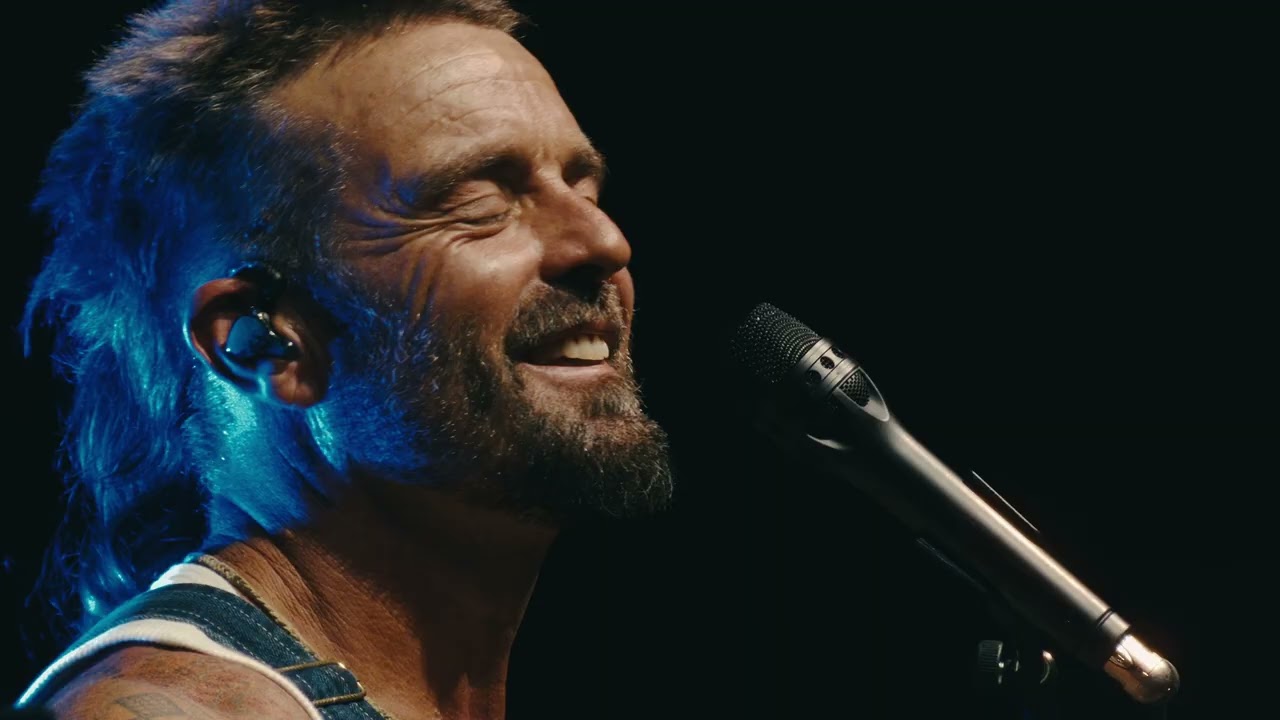
Xavier Rudd performs "Storm Boy" in the Moab Desert, Utah (June 2024), exploring the paradox of accumulation versus contentment, the difficulty of mental stillness, and the spiritual connection between humans and land. The performance weaves together Indigenous Australian themes of respecting country, personal growth through life's hardships, and a meditation on simple pleasures—sitting by rivers, wildlife encounters, and living consciously on a beautiful planet. The song operates on multiple registers: personal spiritual inquiry, environmental reverence, and social commentary on sacrifice and freedom.

Leer · 9 secciones

What does accumulation really cost us?

The opening lines of "Storm Boy" establish a paradox that contradicts Western consumerist logic: "When will you learn that the more you take / Means the less that you have at the end of the day" (0:18). This is not a mathematical statement but a spiritual observation. Rudd identifies a direct inverse relationship between material acquisition and inner wealth. The song does not explain this mechanism—it asserts it as wisdom that the listener should recognize. The implication is that possessions create obligation, anxiety, and distance from what actually sustains us. Taking more, whether resources, relationships, or experiences through force rather than presence, leaves a person diminished by the effort of holding, protecting, and managing what they've accumulated.

This theme echoes contemplative traditions across cultures: the Stoics understood that desire for external things creates vulnerability; Buddhist teachings point to attachment as the root of suffering; and Indigenous philosophies emphasize reciprocity rather than extraction. Rudd does not dwell in theory here but in lived observation—he presents this as something the listener will eventually learn, not debate.

Why is stillness of mind so difficult to achieve?

Immediately following the accumulation paradox, Rudd introduces the difficulty of its remedy: "Stillness of the mind seems so hard to embrace" (0:23). He does not claim stillness is impossible or condemn the listener for finding it difficult. Instead, he acknowledges the texture of the struggle itself. In a world designed for distraction, comparison, and endless stimulation, the quieting of mental activity becomes countercultural work. The song does not offer techniques or promises; it names the challenge as real.

Yet he pairs this with "Freedom of the heart is what we crave" (0:27). The heart's freedom is the implicit opposite of the mind's restlessness—it is a state of alignment where desire, action, and being are no longer fragmented. The song positions this freedom not as a luxury but as the fundamental thing we pursue, often through mistaken routes (accumulation, distraction, externalization). This two-line sequence reframes the human condition: we want freedom; stillness is the path; the path is hard; we take it anyway because the alternative is worse.

How do ordinary moments become spiritual practice?

The song then shifts to concrete imagery: "And we sit by the river with a cup of tea / Watch the movement of the tide in the gentle breeze" (0:30). This is not a fantasy of escape or a metaphor for abstract peace. It is specific—a river, tea, observation of natural movement. Rudd describes a practice that is available to anyone: sitting, witnessing, sipping. In this moment, the mind's stillness and the heart's freedom become not theoretical but accessible. The river's tide serves as an external rhythm that can synchronize with internal quietude.

He extends this through wildlife observation: "Pelican drifting slowly looking for a feed / Like Mr Percival the Storm Boy, you to me" (0:40). The pelican is not a symbol to be decoded—it is a fellow creature engaged in its own search, its own rhythm. By naming the pelican (Mr Percival, the titular Storm Boy character), Rudd creates kinship rather than hierarchy. The observation itself becomes a form of relationship, and relationship becomes the substance of spiritual life. You are to me what the pelican is: present, searching, drifting through the world with purpose but without haste.

What does continuity of presence mean across time?

The kookaburra section deepens this theme: "Kookaburra calls just like he knows / And I call right back, yes I'm home / He's been with me / He's watched me grow / Through those rainy days and those rocky roads" (0:49). Here, Rudd describes a relationship with a non-human being that spans time and includes witness to change. The kookaburra is not an icon but a persistent presence—it calls as if it knows him, and he responds from a place of homecoming. The bird has observed his growth through difficulty ("rainy days and rocky roads"), suggesting that continuity and witness are themselves forms of love and stability.

This inverts the isolation of modern life. Rather than moving through an indifferent landscape, the speaker is held in relationship with it. The land knows him; he knows the land. This is Indigenous philosophy enacted in personal narrative—the country is alive, conscious, and in reciprocal relationship with humans who pay attention to it.

What is the role of gratitude in a well-lived day?

The chorus frames a complete human moment: "And now everybody smiles in the setting sun / And sighs with contentment when the day is done / Hand in hand with the one you love / Feeling blessed by the magic of the moon above" (0:62). This describes not achievement but alignment. Smiling, sighing, hand-holding, and blessing are all involuntary responses to rightness. The day has been lived fully enough that its ending brings contentment rather than regret. The presence of "the one you love" is not ornamental but structural—togetherness amplifies the experience and makes it sharable.

The refrain "We're just living in this beautiful world" (0:82) is the only named truth the song offers. Not aspiring to live, not preparing to live, not trying to live—but actually living. The adverb "just" carries both simplicity and emphasis: it is all we need to do, and it is everything.

What does respect for country entail?

The song's geographic and cultural turn begins with practical knowledge: "It's time for fire, smoke and leaves / The only mosquito repellent we need" (1:07). This knowledge is Indigenous—a way of being with the land that meets its conditions creatively. Smoke is protection; it is also ceremony. The casual framing ("the only repellent we need") suggests this is common sense to those who belong to a place, not esoteric knowledge.

This leads to explicit cultural address: "Pay respect to the North, the South, the West, and the East / Pay respect to the spirit of this old country" (1:15). The four directions appear in many Indigenous traditions, and Rudd's invocation here situates the song geographically and spiritually. The country is old—it has accumulated stories, consciousness, and presence over millennia. Respect is not sentimental; it is an orientation toward beings and forces larger than the individual. By naming "the spirit of this old country," Rudd acknowledges that the land is animate, aware, and deserving of ritual attention.

Who carries the burden of sacrifice and what does it mean to dance anyway?

The final thematic push addresses history and freedom: "Freedom in the hearts of the young and brave / Who know little of the journey of the diggers who gave / Their lives to the service and the government game / So that we could dance together on this beautiful day" (1:21). This is explicitly Australian—referring to soldiers (diggers) who died in wars ordered by government. The young, living now, inherit freedom purchased through others' sacrifice, yet they "know little" of that history. The song does not blame them; rather, it creates linkage: we dance because they gave, whether we know it or not.

The final invocation—"So that we could dance together on this beautiful day"—transforms the song's entire arc. All the sitting by rivers, all the contentment, all the hand-holding, occurs within a field of inherited freedom that was bought at cost. Dance becomes not frivolous but sacred precisely because it honors those who made it possible. The song moves from personal spiritual practice to social and historical consciousness without breaking its intimate tone.

What does the final dissolution of self mean?

Near the end, the song introduces a threshold: "When the wind seeps into my bones and I hear the cold from the north / I will go" (1:83). This is not explained, but the meaning is clear—when the body is ready, when the call comes, the speaker will go. This could mean death, transformation, or a deeper surrender to forces larger than the self. The repetition "I will go / I will go" is not desperate but resolved. It names an end point that is already known, already accepted.

The final choruses, repeated and layered, affirm the core truth: "We're just living in this beautiful world." It is the last thought, the last feeling, the last thing the song leaves us with. Not achievement, not perfection, not enlightenment—just this: life, beauty, presence, and the fact of living it together.

Where to go from here

Listen to "Storm Boy" fully and sit with the specificity of its imagery rather than abstracting it into metaphor. Notice which animals, landscapes, and moments speak to you. Consider your own relationship with a place—the non-human beings who are present there, the history beneath your feet. Try the practice the song describes: sit by moving water, observe wildlife, notice the shift in your mind when you stop taking and start witnessing. Research the historical context of Australian "diggers" and the Indigenous nations of the land you occupy. Finally, sit with the final threshold without rushing to interpret it. Rudd's work is available on Spotify and his official channels, and this acoustic performance—filmed in the Moab Desert where Indigenous peoples have dwelled for centuries—is a reminder that spiritual music is always also place-based and history-rooted.
Comments

Loading the conversation…

Transcript

[0:06] [Music]

[0:18] when will you learn that the more you

[0:20] take means the less that you have at the

[0:23] end of the day Stillness of the mind

[0:27] seems so hard to embrace freedom of the

[0:30] heart is What We crave and we sit by the

[0:34] river with a cup of tea watch the

[0:37] movement of the tide in the gentle

[0:40] breeze pel drifting slowly looking for a

[0:43] feet like Mr P storm you me

[0:49] c just like he knows and right yes I'm

[0:55] home he's be with me he's watch me grow

[0:59] through those rain days in those rocky

[1:02] roads now everybody Smiles in Setting

[1:06] Sun Andes with contentment when the day

[1:09] is done hand in hand with the ones you

[1:13] love feel blessed by the magic of Theon

[1:17] above

[1:20] [Music]

[1:22] sing We just in this beautiful world

[1:28] [Music]

[1:31] we're just living in this beautiful

[1:33] [Music]

[1:47] world it's time for fire smoke and

[1:51] leaves only mosquito repellent we need

[1:55] pay respect to the north the South the

[1:58] west and the East pay respect to the

[2:01] spirit of this old country and freedom

[2:04] in the hearts of the young and brave who

[2:07] know little of the Journey of the

[2:09] diggers who gave their lives to the

[2:12] service and the government game so that

[2:14] we could dance together on this

[2:17] beautiful day now everybody Smiles in

[2:21] setting and with contentment when the

[2:24] day is done hand in hand with the ones

[2:28] you love feeling blessed by the magic of

[2:31] Theon

[2:37] above we're just living in this

[2:40] beautiful

[2:45] world we're just living in this

[2:48] beautiful

[2:51] [Music]

[2:58] world oh

[3:01] [Music]

[3:03] when the win seeps into my bones and I

[3:07] hear the cold from the north I will

[3:13] go I will

[3:17] go nowbody

[3:21] smil and with cont when the day is done

[3:26] hand in hand with the ones you love

[3:29] feeling blessed by the magic of the Moon

[3:32] above and we're

[3:37] sing we're just living in this beautiful

[3:44] world we're just living in this

[3:47] beautiful

[3:50] [Music]

[3:52] world we're just living in this

[3:55] beautiful world

[4:01] we're just living in this beautiful

[4:03] world

Xavier Rudd
ArtistXavier Rudd

Australian musician and yoga teacher who weaves folk, blues, and world music with spiritual themes, championing environmental consciousness and connection to nature through soulful…

Ver perfilSitio web
Explorar temas
Accumulation-desireStillness-mindLand-respectIndigenous-philosophySacred-everyday

¿Tienes Preguntas?

Preguntas Frecuentes

Rudd suggests that material accumulation creates obligation and anxiety that diminish inner wealth. Possessions require protection, management, and worry—leaving a person spiritually depleted despite having more things. This reflects contemplative traditions across cultures that identify attachment and grasping as sources of suffering.
Rather than forcing stillness through meditation, Rudd models observing natural rhythms: sit by moving water, watch animals, sip tea slowly. Align your attention with external movement—a river's tide, a bird's call—and your mind naturally settles into synchrony with that rhythm.
The invocation of North, South, West, and East is rooted in Indigenous Australian and other Indigenous traditions. It orients the listener spiritually and geographically, acknowledging that the land is alive, conscious, and deserving of ritual respect rather than extraction.
Diggers is Australian slang for soldiers who died in wars. Rudd acknowledges that present-day freedom to live, love, and dance was purchased through the sacrifice of previous generations, creating a lineage of responsibility and gratitude.
This lines hints at an acceptance of transformation or death—a threshold the speaker recognizes as inevitable and necessary. It suggests surrender to forces larger than the individual self, without resistance or despair.
Storm Boy emphasizes reciprocal relationship with country, respect for the land's spirit, knowledge of how to live within place (like using smoke as repellent), and awareness that humans are one being among many. These are core Indigenous Australian values that Rudd embeds throughout the song.
It is both. The statement affirms that presence and simple togetherness are enough—there is genuine beauty and freedom to be found. But it also acknowledges that this beautiful life is temporary, inherited through sacrifice, and held within larger forces we do not fully control.

Seguir leyendo

More from Xavier

Ver Todo
Music as Spirit Medicine: Touching Souls Through Sound
Inspire

Music as Spirit Medicine: Touching Souls Through Sound

Xavier Rudd explores how music serves as a bridge to the spirit world, allowing us to access realms beyond words and touch the souls of othe…

1 min read
Let Me Be: Finding Freedom in Acts of Humanity
Inspire

Let Me Be: Finding Freedom in Acts of Humanity

Xavier Rudd performs "Let Me Be," a song written after 9/11 to counter fear with joy, accompanied by 8000 Belgian fans in this live Forest N…

1 min read
Minimal Vocalization as Spiritual Practice: Power in Simplicity
Inspire

Minimal Vocalization as Spiritual Practice: Power in Simplicity

A brief live vocal interlude demonstrates how devotional sound—stripped to its essence—can invoke presence and transformation through pure r…

1 min read
Har Har Har Har Gobinday: Sacred Mantra in Song
Inspire

Har Har Har Har Gobinday: Sacred Mantra in Song

Snatam Kaur's rendition of "Har Har Har Har Gobinday" brings one of Sikhism's most potent mantras into devotional music. A gateway to healin…

1 min read

Sigue explorando

Continúa tu camino

Más sabiduría y encuentros de todo el directorio de BrightStar.

Más artículos

Recorre la biblioteca completa de enseñanzas, entrevistas y guías.

Ver todos los artículos →

Maestros y artistas

Explora los linajes, músicos y guías del mundo consciente.

Explorar artistas →

Encuentra un evento

Kirtan, retiros, baños de sonido, breathwork, festivales — muy pronto.

Ver eventos →