BrightStar

Ver Todos los Events

Descubre encuentros conscientes

events

Yoga
Meditation
Breathwork
Qigong
Sacred Music
World Music
Medicine Music
Sound Healing
Ecstatic Dance
Ceremony
Destinos Populares
BaliSedonaLos AngelesCosta RicaNew YorkSan FranciscoAustin
Ver Todas las CategoríasVer Todos los Destinos

Explorar Todas las Características

Herramientas poderosas para hacer crecer tus eventos

Características de la Plataforma

Precios Dinámicos Inteligentes
Categorías de Entradas
Asientos Asignados
Recuperación de Carritos
Recuperación de Visitantes
Donaciones y Escala Móvil
Motor de Afiliados
Escáner de Entradas
Códigos de Cupón
Preguntas Personalizadas
Compartir Entradas
Ventas Adicionales
Análisis e Informes
Secuencias de Email
Lista de Espera / Notificar / Recordar
Personas y Lugares
Artists & TeachersEvent OrganizersVenues & StudiosKnowledge BaseGlossaryInspiration
Ver Todas las CaracterísticasSobre Nosotros
PreciosBlog
Language
Saved events
Ver Todos los Eventos

events

YogaMeditationBreathworkQigongSacred MusicWorld MusicMedicine MusicSound Healing

Destinos Populares

BaliSedonaLos AngelesCosta RicaNew YorkSan Francisco

Personas y Lugares

Artists & TeachersEvent OrganizersVenues & StudiosKnowledge BaseGlossaryInspiration

Características de la Plataforma

Precios Dinámicos InteligentesCategorías de EntradasAsientos AsignadosRecuperación de CarritosRecuperación de VisitantesDonaciones y Escala MóvilMotor de AfiliadosEscáner de EntradasCódigos de CupónPreguntas PersonalizadasCompartir EntradasVentas AdicionalesAnálisis e InformesSecuencias de EmailLista de Espera / Notificar / Recordar
Ver Todas las CaracterísticasSobre Nosotros
PreciosBlog
Iniciar sesiónRegistrarse
  • Ver Todos los Eventos
  • Para Buscadores
  • Yoga
  • Meditación
  • Respiración consciente
  • Qigong
  • Música sagrada
  • Música del mundo
  • Música medicina
  • Sanación con sonido
  • Danza extática
  • Ceremonia
  • Retiros
  • Talleres
  • Todas las Categorías →
  • Bali
  • Sedona
  • Los Angeles
  • Costa Rica
  • Byron Bay
  • San Francisco
  • Austin
  • New York
  • San Diego
  • Seattle
  • Todas las Ciudades →
  • Join the Movement
  • Why we list
  • Sell Globally
  • Para Creadores
  • Para equipos
  • Para Escritores
  • Para Maestros
  • Para Artistas de Kirtan
  • Para Estudios
  • Para Festivales
  • Para Centros de Retiros
  • Para Organizaciones Sin Fines de Lucro
  • Embajador de Marca
  • Entradas sin costo
  • Elevate
  • Amplify
  • Red de +500K Compradores
  • Recuperación de Carritos
  • Precios Dinámicos Inteligentes
  • Categorías de Entradas
  • Eventos Recurrentes
  • Asientos Asignados
  • Motor de Afiliados
  • Lista de Espera / Notificar
  • Escáner de Entradas
  • Widget Embebido
  • Sindicación de eventos
  • Centro de mensajes
  • Integraciones
  • Reportes
  • Todas las Características →
  • Acerca de
  • El ecosistema
  • Blog
  • Glosario
  • Inspiración
  • Centro de Ayuda
  • Contacto
  • Documentación API
  • Recursos de Marca
  • Carreras
  • Prensa
  • Términos de Servicio
  • Política de Privacidad

Eventos

  • Ver Todos los Eventos
  • Para Buscadores
  • Yoga
  • Meditación
  • Respiración consciente
  • Qigong
  • Música sagrada
  • Música del mundo
  • Música medicina
  • Sanación con sonido
  • Danza extática
  • Ceremonia
  • Retiros
  • Talleres
  • Todas las Categorías →

Destinos

  • Bali
  • Sedona
  • Los Angeles
  • Costa Rica
  • Byron Bay
  • San Francisco
  • Austin
  • New York
  • San Diego
  • Seattle
  • Todas las Ciudades →

Para Creadores

  • Join the Movement
  • Why we list
  • Sell Globally
  • Para Creadores
  • Para equipos
  • Para Escritores
  • Para Maestros
  • Para Artistas de Kirtan
  • Para Estudios
  • Para Festivales
  • Para Centros de Retiros
  • Para Organizaciones Sin Fines de Lucro
  • Embajador de Marca
  • Entradas sin costo
  • Elevate
  • Amplify

Características

  • Red de +500K Compradores
  • Recuperación de Carritos
  • Precios Dinámicos Inteligentes
  • Categorías de Entradas
  • Eventos Recurrentes
  • Asientos Asignados
  • Motor de Afiliados
  • Lista de Espera / Notificar
  • Escáner de Entradas
  • Widget Embebido
  • Sindicación de eventos
  • Centro de mensajes
  • Integraciones
  • Reportes
  • Todas las Características →

Empresa

  • Acerca de
  • El ecosistema
  • Blog
  • Glosario
  • Inspiración
  • Centro de Ayuda
  • Contacto
  • Documentación API
  • Recursos de Marca
  • Carreras
  • Prensa
  • Términos de Servicio
  • Política de Privacidad
BrightStar
Descarga la app
Descárgalo en elApp StoreDisponible enGoogle Play
© 2026 BrightStar. Todos los derechos reservados.
Inspiration

Bodhinyana Buddhist Monastery: Western Forest Practice

BR
BSWA Retreats 2011-15 & Media
Nov 25, 2017
6 min de lectura

De BSWA Retreats 2011-15 & Media

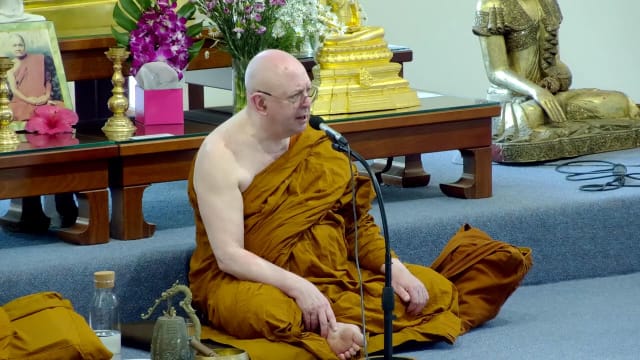
In the hills near Serpentine, Western Australia, stands a working Buddhist monastery that exists at the intersection of ancient tradition and contemporary Western life. Bodhinyana Buddhist Monastery, the forest monastery of the Buddhist Society of Western Australia, represents a rare institutional commitment: the establishment of authentic monastic practice in a cultural and geographical context far removed from Buddhism's Asian origins. Under the direction of Ajahn Brahm, the monastery operates as both a training ground for ordained monks and a refuge for lay practitioners seeking to deepen their engagement with Theravada Buddhist teachings.

Leer · 7 secciones

What is Bodhinyana Monastery?

Bodhinyana Buddhist Monastery functions as a dedicated center for monastic training and practice within the Theravada tradition. Located in a forested landscape that echoes the natural settings where Buddhist monasticism historically developed in Southeast Asia, the monastery provides the infrastructure and discipline necessary for monks to pursue intensive spiritual training. The monastery's existence represents one of the significant attempts in the Western world to transplant not merely the teachings of Buddhism, but the lived monastic system through which those teachings have traditionally been transmitted and preserved.

The monastery operates under the Buddhist Society of Western Australia, an organization established to bring authentic Theravada practice to Western practitioners. This institutional framework distinguishes Bodhinyana from informal meditation groups or dharma centers; it represents a formal commitment to maintaining the monastic sangha—the community of ordained practitioners—as a living institution within a Western context.

Why Location Matters in Monastic Practice

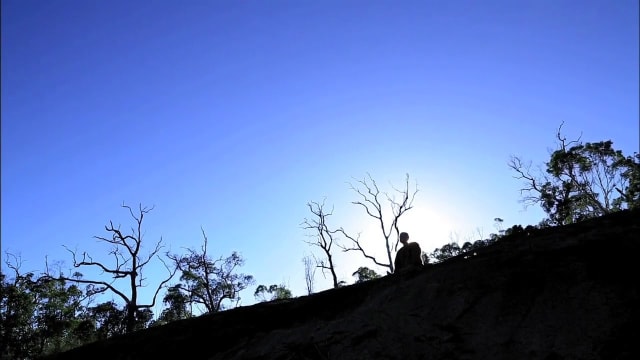
The choice of a forest location near Serpentine reflects a deliberate alignment with Buddhist monastic tradition. Forest monasteries have held a central place in Theravada Buddhism, particularly in Thailand and other Southeast Asian countries where the tradition flourished. The forest environment supports the conditions monastics seek: relative seclusion, simplicity, and direct engagement with the natural world. By establishing Bodhinyana in a similarly rural and forested setting, the founders created a physical and psychological space conducive to the intensive practice that monastic life demands.

This choice also reveals something important about how Western Buddhist monasticism develops. Rather than adapting Buddhism to fit existing Western institutions or urban centers, Bodhinyana's designers recognized that certain conditions for practice might be universal. A forest monastery in Australia can serve the same function as a forest monastery in Thailand—providing a structured environment where the mind can be systematically trained through meditation, study, and disciplined community living.

Ajahn Brahm's Leadership and Vision

The monastery's direction under Ajahn Brahm has been central to its character and function. Ajahn Brahm brings to his role the authority of someone trained in the traditional Thai forest meditation lineage, making Bodhinyana a place where established monastic forms meet Western sensibilities. His leadership ensures that the monastery maintains genuine continuity with the broader Buddhist tradition while remaining responsive to the specific needs and contexts of Western practitioners and monks.

The role of such teachers in establishing Western monastic communities cannot be overstated. Monastic life operates according to the Vinaya, a detailed code of conduct established by the Buddha and refined over centuries. The complexity of this tradition requires teachers who understand its depths and can guide both individual practitioners and the community as a whole. Ajahn Brahm's presence at Bodhinyana signals that this is not an experimental adaptation of Buddhism, but a genuine continuation of a continuous lineage.

Monastic Training in a Western Context

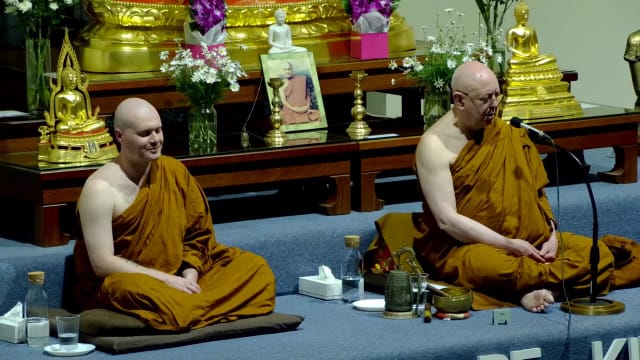
For monks at Bodhinyana, daily practice typically includes early morning meditation, study of Buddhist texts, chanting, work practice within the monastery, and instruction from senior teachers. This schedule reflects patterns established in forest monasteries across Asia, adapted to the realities of Western climate and social context. The monks' commitment to celibacy, simplicity, and renunciation of worldly engagement distinguishes their path from other spiritual pursuits, establishing clear parameters for their training.

The existence of functioning Buddhist monasticism in the West remains relatively rare. Many Western Buddhist centers operate without resident monks, or with only a handful. Bodhinyana's role in maintaining an actual monastic sangha—a complete community of ordained practitioners—addresses a fundamental need within Western Buddhism. The sangha is understood in Buddhist teaching as one of the three jewels, along with the Buddha and the Dharma (teachings). Without living monastic communities, this aspect of Buddhism's institutional structure remains incomplete in the West.

Accessible Practice for Lay Visitors

While Bodhinyana's primary function is to support the monastic training of ordained practitioners, the monastery also welcomes lay visitors and practitioners. This openness reflects a fundamental principle in Buddhist teaching: that progress toward awakening is not restricted to monks, and that lay practitioners have always played a vital role in supporting and engaging with the dharma. Visitors to Bodhinyana can participate in group meditation, listen to teachings, and observe the rhythms of monastic life.

This accessibility serves multiple purposes. For lay practitioners, contact with a functioning monastery provides inspiration and practical instruction that can deepen their own practice. For the broader community, it demonstrates what serious Buddhist commitment looks like, serving as a living response to common Western questions about what Buddhism actually is and how it operates in practice. The monastery becomes, in effect, a teaching institution through its very existence.

The Broader Significance of Western Monastic Communities

The establishment of monasteries like Bodhinyana represents a critical juncture in Buddhism's encounter with the West. Unlike earlier phases of Buddhism in Western nations, which often focused on making the teachings intellectually accessible to Western audiences, monastic communities embody a commitment to the full structure and discipline of the Buddhist path. They represent an investment not in translating Buddhism into Western terms, but in transplanting it as a complete way of life.

Such monasteries also address a practical reality: Buddhist teachings, particularly in the Theravada tradition, have always understood monastic life as the optimal context for serious practice. While lay practitioners can certainly develop significant spiritual capacities, the monastic life—with its removal from worldly obligations, its structured schedule, and its immersion in a community of practice—creates conditions specifically designed for deep transformation. By maintaining monasteries, Western Buddhist communities ensure that this dimension of the tradition remains alive and available.

Where to go from here

For those interested in learning more about Bodhinyana or experiencing the monastery directly, the Buddhist Society of Western Australia provides information about visiting, participating in retreats, and supporting the community. Those new to Buddhist practice might explore introductory teachings available through BSWA media or other Western Theravada centers, building a foundation of understanding before visiting a forest monastery. Practitioners already engaged in meditation can deepen their practice through extended retreats or by studying directly with teachers trained in the Thai forest tradition. The existence of Bodhinyana and other Western monastic communities represents an ongoing experiment in how ancient Buddhist wisdom can take root and flourish in new soil—an experiment that depends on the engagement and support of practitioners committed to the path.
Comments

Loading the conversation…

BR
Artist
BSWA Retreats 2011-15 & Media

Watch more from BSWA Retreats 2011-15 & Media on YouTube.

Sitio web
Explorar temas
Buddhist-monasticismTheravada-traditionForest-monasteryMonastic-trainingWestern-buddhism

¿Tienes Preguntas?

Preguntas Frecuentes

Forest monasteries provide the seclusion, simplicity, and natural environment historically considered optimal for intensive Buddhist meditation and training. They remove practitioners from worldly distractions and create a structured setting where the mind can be systematically developed through disciplined practice, study, and community living.
Yes, Bodhinyana welcomes lay visitors and practitioners. Visitors can participate in group meditation, listen to teachings, and observe monastic life, making it accessible for those seeking to deepen their Buddhist practice or learn about Theravada Buddhism directly.
Western monastic communities like Bodhinyana transplant the full structure and discipline of traditional Buddhism—not just the teachings—into a new cultural context. They maintain authentic lineage continuity with Asian Buddhism while adapting to Western climate and social realities.
Ajahn Brahm is a teacher trained in the Thai forest meditation lineage who directs Bodhinyana Monastery. His leadership ensures the monastery maintains genuine continuity with established Buddhist tradition while remaining responsive to Western practitioners' needs.
The sangha (community of ordained monks) is one of Buddhism's three jewels alongside the Buddha and the Dharma. Without living monastic communities, this essential aspect of Buddhism's institutional structure remains incomplete, making monasteries vital for preserving the full tradition in the West.

Seguir leyendo

More from BSWA Retreats 2011-15 & Media

Ver Todo
Inside Bodhinyana: A Forest Monastery's Path to Stillness
Inspire

Inside Bodhinyana: A Forest Monastery's Path to Stillness

A forest monastery outside Perth, a 2,500-year-old alms round, and a meditation method that starts with the body. Here is how Bodhinyana Mon…

8 min read
Guided Meditation: Finding Peace in What Already Feels Good
Inspire

Guided Meditation: Finding Peace in What Already Feels Good

A guided meditation that flips the script on focus. Instead of chasing calm, discover it by celebrating the sensations your body already kno…

5 min read
Breath Meditation: From Body Sankhara to Mind Sankhara
Inspire

Breath Meditation: From Body Sankhara to Mind Sankhara

Why does the breath become the last thing left in meditation? A Theravada teacher explains the shift from body sankhara to mind sankhara and…

8 min read
Sanskrit Mantra and New Creation: Digital Age Kirtan for Renewal
Inspire

Sanskrit Mantra and New Creation: Digital Age Kirtan for Renewal

A Friday night kirtan exploration of Lakshmi mantras, digital collapse, and the courage to create what has never been tried before.…

7 min read

Sigue explorando

Continúa tu camino

Más sabiduría y encuentros de todo el directorio de BrightStar.

Más artículos

Recorre la biblioteca completa de enseñanzas, entrevistas y guías.

Ver todos los artículos →

Maestros y artistas

Explora los linajes, músicos y guías del mundo consciente.

Explorar artistas →

Encuentra un evento

Kirtan, retiros, baños de sonido, breathwork, festivales — muy pronto.

Ver eventos →