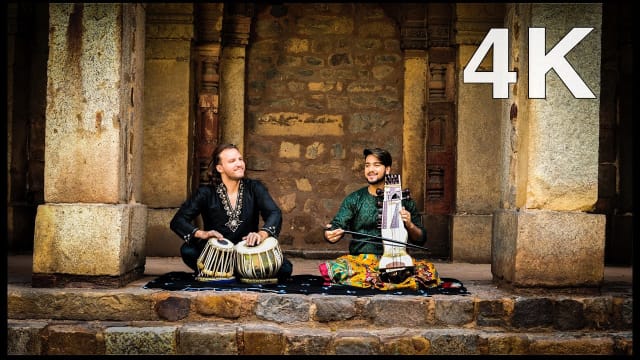
Nada Sound System is a hybrid electronic music project founded by Denis Tabla, and its short video "Am I Real?" is a 91-second window into that blend: pulsing electronic textures, live vocals, and a lyric built around a single question. The project's own description places it among work that draws on Sufi mysticism and the poetry of Rumi, alongside other ancient wisdom traditions, and pairs electronic soundscapes with acoustic instruments and organic rhythms. The clip is brief and sparse, so this piece treats it honestly as a preview. What it does show is the core of the project's method: a repeated, incantatory vocal set against electronic space, which is the same meeting of trance-like repetition and devotional text that Sufi music has long relied on.
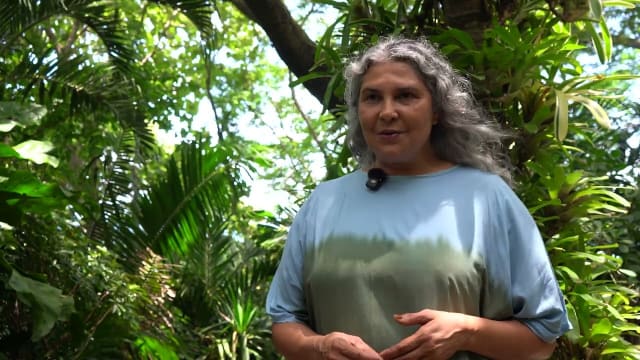
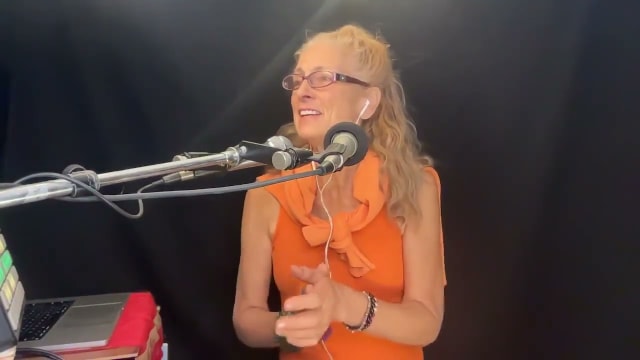
According to the video's description, Nada Sound System features vocalists Gayatri and Mahesh Vinayakram. The project describes itself as exploring diverse musical traditions and spiritual philosophies, with live vocals sitting inside electronic production rather than being replaced by it. That structure is the point. A synthesized bed gives the voice room to repeat and expand, and the repetition becomes the devotional element. The description names the influences plainly: Sufi mysticism and Rumi. It does not offer a formal history of the project, a discography, or a statement of intent beyond those lines, and this article will not invent one.
The clip is mostly instrumental texture with sung fragments. An automatic transcript picks up a handful of words: "Heat," repeated; "through the night"; "But everyone"; and, near the end, "Money, money." Automatic transcripts of sung material are unreliable, and the fragments do not add up to a verifiable line of verse, so no full lyric or translation can be credited here. The title, though, is itself the question the piece is built around. A question about reality, asked over a loop, is a familiar device in devotional poetry: the seeker's doubt is set to music and left open.
Pay attention to how the transcript breaks up. Long stretches are marked only as music, which suggests the track leans on atmosphere and pacing rather than dense verse. The vocal returns in short bursts, with silence and synth between them. That spacing is a production choice. In a short form, a repeated word does the work that a full verse would do in a longer track: it holds attention and lets the listener sit inside the groove long enough to hear the question again.
The video is too short to show how the Sufi and Rumi references are handled in full, how the acoustic instruments are arranged, or how the two vocalists divide the material. Those answers would come from the full recordings, which this clip only points toward. A reader who wants to understand the project should listen to complete tracks and read the artists' own accounts of their influences, rather than relying on a 91-second preview or on any summary that fills the gaps.
Watch the clip with headphones and listen for the spaces between the vocal phrases; that is where the arrangement shows its intent. Then look for full-length Nada Sound System recordings and compare how the same repeated-phrase technique develops over a longer piece. For background on the poetry the project names, read Rumi in translation and notice how often his work circles the same doubt that the title asks: what, if anything, is real about the self that is listening.