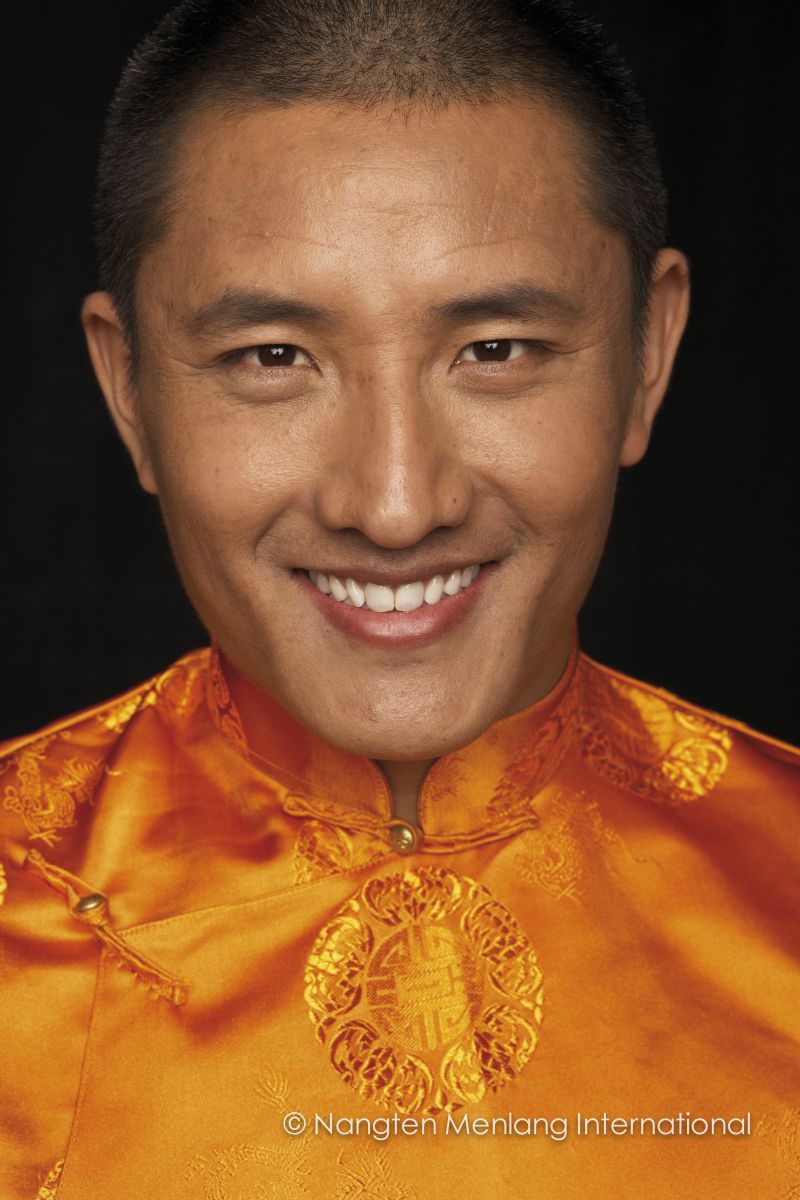

Where to Start with Tulku Lobsang: A Beginner's Guide
Start Here: Dancing in Stillness • Music for Lu Jong Tibetan Healing Yoga
Begin with the 2023 release "Dancing in Stillness • Music for Lu Jong Tibetan Healing Yoga." This five-track single offers the most immediate entry into Tulku Lobsang's world because it requires nothing but your body and twenty minutes. Lu Jong—Tibetan healing yoga—is a sequence of movements designed to balance wind, bile, and phlegm according to Tibetan medical theory. The music provides structure and pacing. You don't need to understand reincarnation lineages or Tantric Buddhism to feel something shift in your spine when you move through these ancient sequences. The practice is body-first, which makes it the most honest introduction to a master whose entire teaching revolves around using the physical form as an instrument for transformation.
Next Steps: Heart of Compassion, Then Music of the Heart
After establishing a basic Lu Jong practice, move to "Heart of Compassion" (2018). This six-track album introduces the emotional terrain of Tulku Lobsang's approach—compassion as method, not sentiment. The chants and compositions here support meditation rather than movement. They're meant to sit with, not exercise to. Let this album accompany whatever nascent meditation practice develops naturally from the physical work of Lu Jong.
Then explore "Music of the Heart" (2018), a seven-track album that deepens the contemplative atmosphere. By this point, you'll recognize how Tulku Lobsang uses sound—not as performance but as transmission. The music carries instructions your conceptual mind can't process directly.
What to Expect on First Encounter
Tulku Lobsang won't feel exotic if you're paying attention. The movements in Lu Jong might seem simple to the point of disappointment—gentle twists, basic stretches, nothing Instagram-worthy. This simplicity is the point. Tantric Buddhism uses the ordinary body, not some idealized vessel. You'll notice he makes monastery practices available to people who will never set foot in one. The teaching style is direct: here's the method, now do it. Transmission happens through practice, not intellectual understanding.
Common Misunderstandings
Beginners often treat Lu Jong as stretching or mistake Tummo for Wim Hof breathing with Eastern aesthetics. Lu Jong specifically addresses the three humors of Tibetan medicine—it's a medical intervention, not wellness content. Tummo is about manipulating subtle energy channels through visualization and breath, generating inner heat as a byproduct of working with wind energy in the body's central channel.
Another mistake: approaching this work as relaxation. Shiné meditation and Tummo practice are concentration disciplines that can feel agitating before they feel peaceful. They're meant to transform your relationship to mind and body, not soothe you.
People also misread the accessibility. Just because these practices are available to lay practitioners doesn't make them casual. The methods come from a lineage within the Nyentse tradition that Tulku Lobsang represents as the eighth reincarnation. The friendliness of format shouldn't be confused with dilution.
When This Work Lands Hardest
This teaching tends to grip people during transitions—career collapses, relationship endings, health crises that conventional medicine addresses inadequately. Lu Jong particularly resonates when you've lost trust in your body or when chronic conditions make you feel betrayed by your physical form. The Tibetan medical framework offers a different diagnostic language than Western medicine: imbalances of wind, bile, and phlegm rather than symptoms to suppress.
The work also lands during spiritual dead ends, when meditation apps feel hollow or when Buddhist philosophy becomes another thing you consume rather than practice.
One-Week Starter Plan
Days 1-3: Practice with "Dancing in Stillness" once per day. Follow the music through whatever Lu Jong movements you can find instruction for online. Don't aim for perfection. Notice which movements reveal tension or restriction.
Days 4-5: Continue Lu Jong practice, but add fifteen minutes of sitting with "Heart of Compassion" afterward. Don't try to meditate formally—just sit upright and listen.
Days 6-7: Combine Lu Jong with extended sitting. Use "Music of the Heart" as your sitting support. Begin exploring what single-pointed concentration (Shiné) might mean by repeatedly returning attention to breath or sound when your mind wanders.
By day seven, you'll know whether this lineage speaks to you. The body doesn't lie about these things.