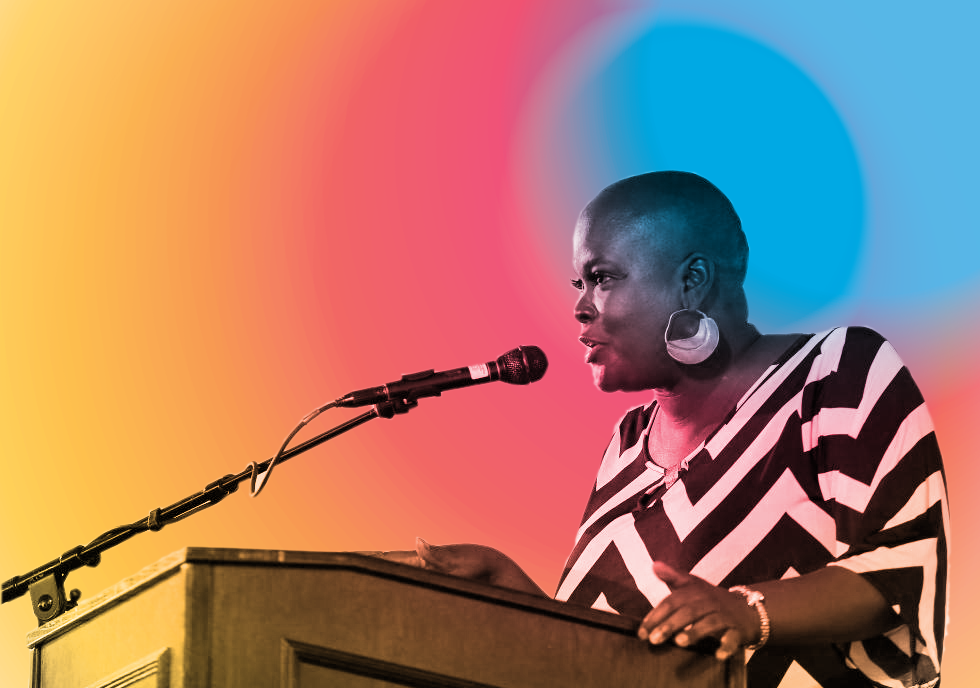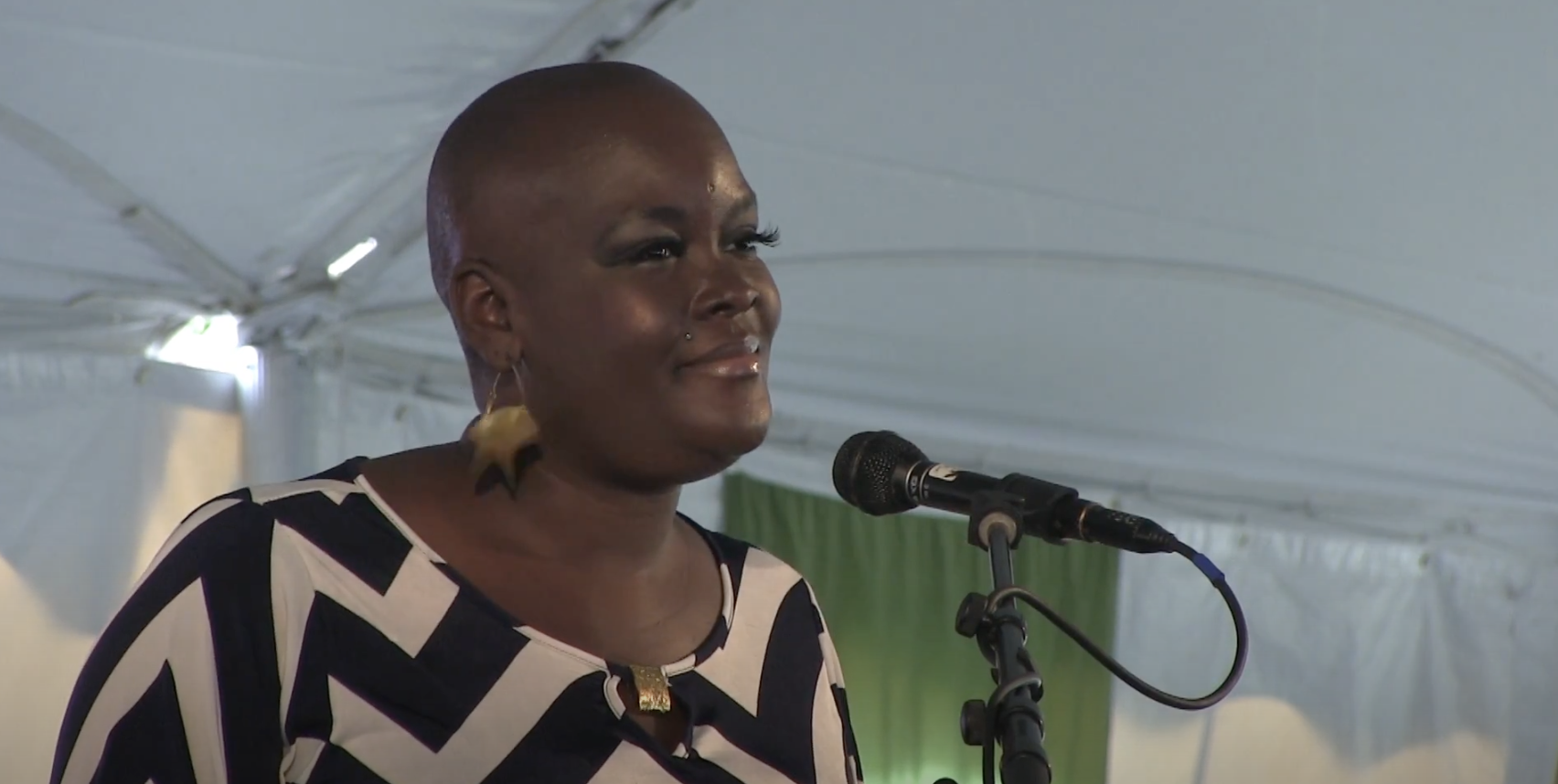

Start with the book. The Body Is Not An Apology: The Power of Radical Self-Love (2018) is the single clearest entry point to Sonya Renee Taylor's work. Unlike her slam poetry roots or her digital media presence, this book gives you the complete framework in one sitting. It's short—under 150 pages—and moves fast. Taylor lays out how body shame functions as a tool of oppression, how systems of discrimination depend on us hating ourselves, and how radical self-love is both a personal practice and a political strategy. The book doesn't ask you to feel good about your body; it asks you to dismantle the systems that taught you your body was wrong in the first place.
After the book, go hunting for her slam poetry. Taylor won the 2003 National Poetry Slam individual championship, and those performances carry a raw urgency her later work sometimes tempers for accessibility. The poetry shows where she started: in rooms full of noise, using language as a blade. You'll see the seeds of her later ideas about bodies, shame, and liberation, but without the scaffolding of the formal framework. It's Taylor unfiltered.
Then explore The Body Is Not An Apology digital magazine. This is the project Taylor built between 2011 and now—a constantly evolving archive of essays, interviews, and resources from writers and activists working at the intersections she cares about. Disability justice, fat liberation, trans rights, racial justice. The magazine shows you how the framework operates in practice, across different bodies and different struggles. It's messier than the book, more collaborative, more alive.
If you need movement and application, look for workshops. Taylor teaches this work, and the workshop format will give you tools you can use immediately. The book gives you theory; workshops give you the "how."
Taylor doesn't coddle. Her first moves are often the hardest: she'll ask you to examine the ways you've participated in your own oppression, the ways you've policed other people's bodies while struggling with your own. Expect discomfort. Expect to feel seen in ways that sting. Her voice is warm but uncompromising. She writes like someone who has done this work herself and knows you can too.
The framework itself is deceptively simple—radical self-love as both personal healing and systemic change—but Taylor refuses to let you use it as an excuse for narcissism or individualism. This isn't "love yourself and ignore the world." It's "love yourself so you can dismantle the world that taught you not to."
Beginners often mistake radical self-love for self-esteem or body positivity. It's neither. Taylor isn't interested in whether you think you're pretty. She's interested in breaking the systems that make "pretty" matter in the first place. Radical self-love isn't about achieving confidence; it's about recognizing that your body's worthiness was never in question.
Another trap: treating this as purely personal work. Taylor is explicit that individual healing without collective action just maintains the status quo. If you're only using this framework to feel better about yourself, you're missing the point.
This work tends to hit when you're exhausted from trying to fix yourself. When the diets have failed, when the self-help hasn't helped, when you realize the problem was never actually your body. It lands when you're ready to get angry instead of ashamed. It lands when you've started connecting your personal struggles to bigger systems and need a map.
It's particularly powerful during transitions—coming out, navigating chronic illness, aging, pregnancy, recovery. Any moment when your body becomes a site of public commentary or personal crisis.
Days 1-3: Read The Body Is Not An Apology. Don't take notes. Just read it through.
Day 4: Reread the chapters that made you uncomfortable. Take notes this time. Sit with the resistance.
Day 5: Spend an hour on The Body Is Not An Apology digital magazine. Read three essays by writers whose experiences differ from yours.
Day 6: Find Taylor's slam poetry performances. Watch at least three. Notice the evolution.
Day 7: Write down one concrete action you can take based on this framework. Not a feeling, an action. Then take it.