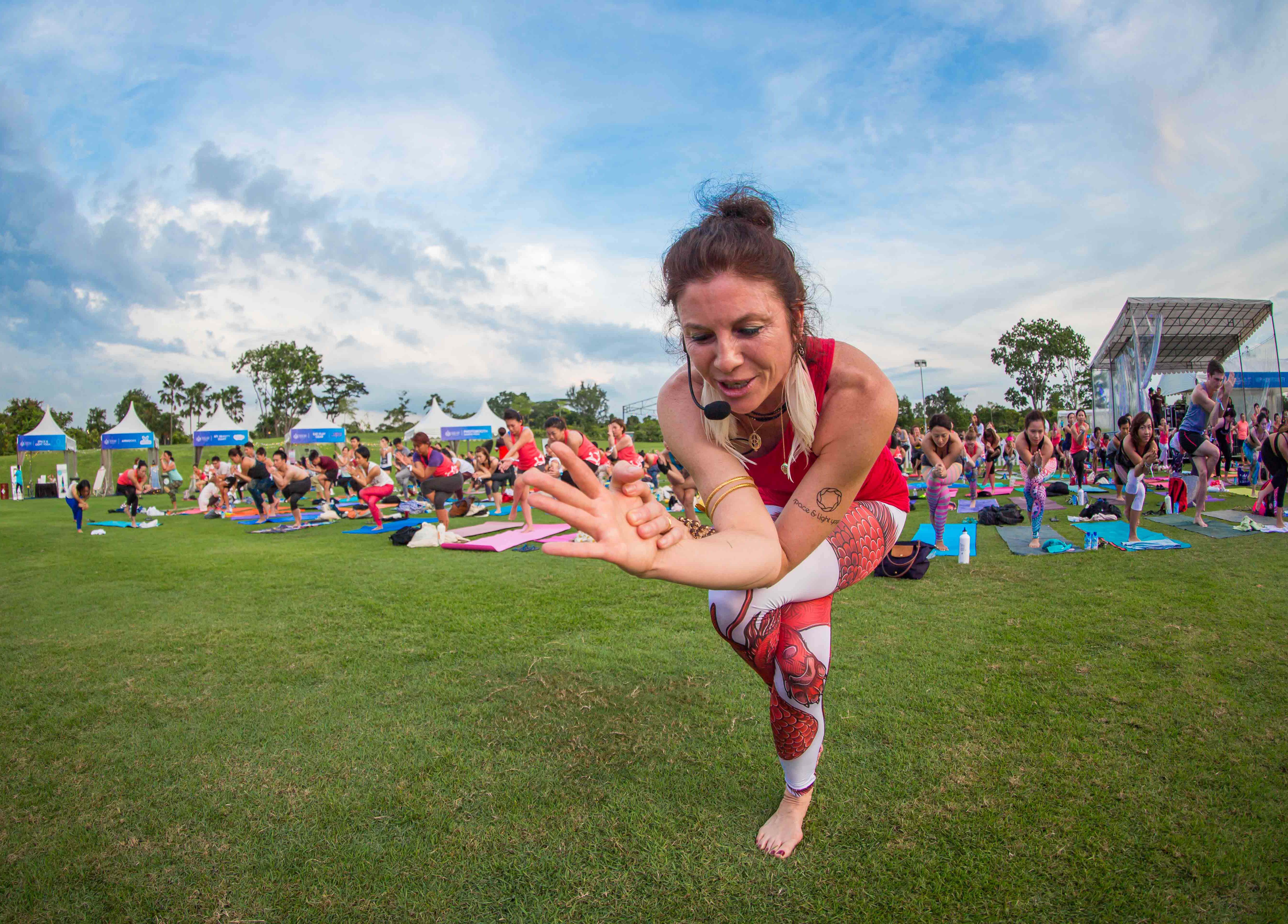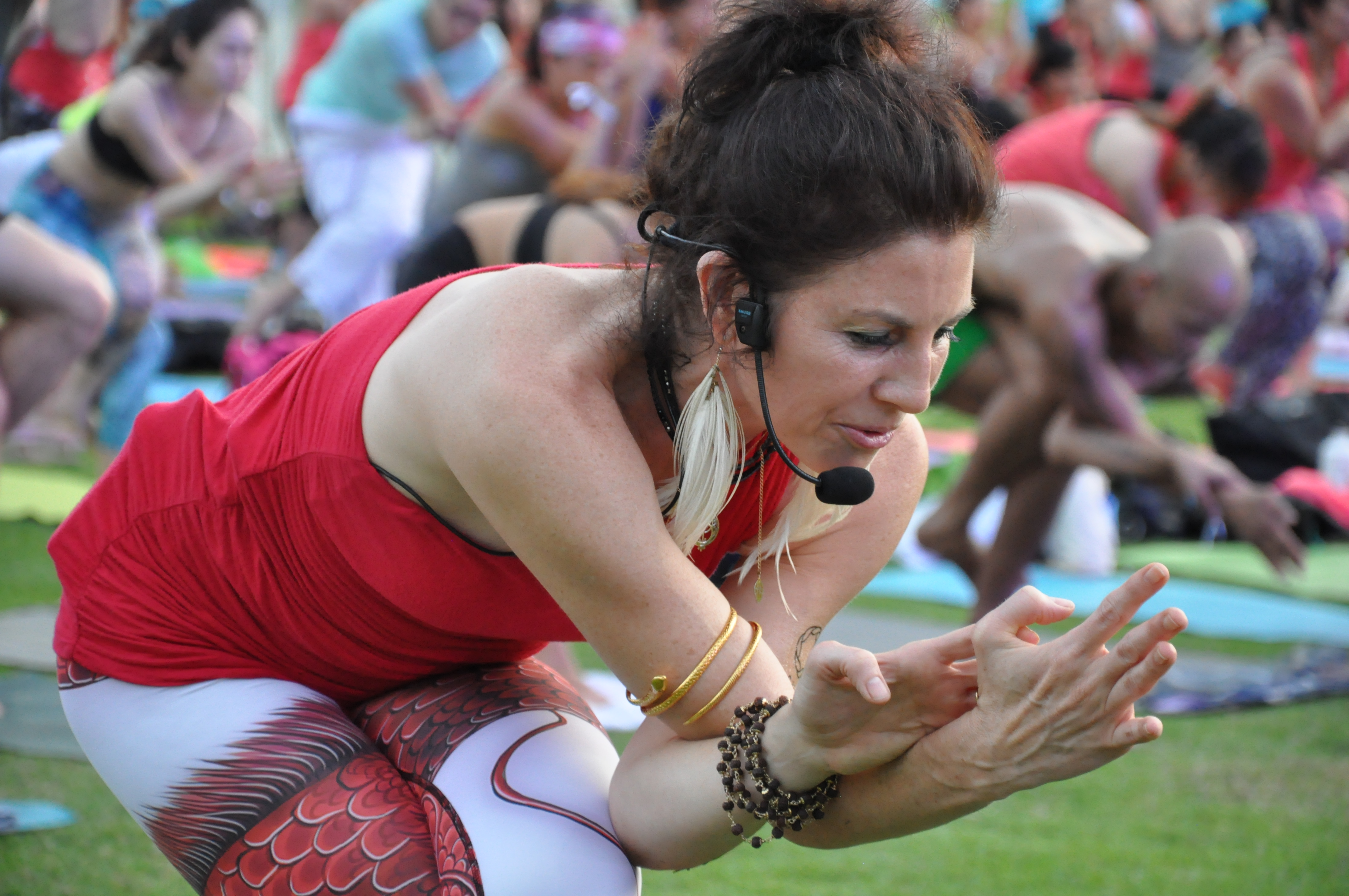

Discovering Sianna Sherman means encountering yoga as a complete practice—not just poses, but philosophy, breath, devotion, and community. For those new to her work, the entry point matters. Sherman teaches within classical lineages while maintaining accessibility, and finding the right first experience will determine whether her approach resonates with where you are in your practice.
Start with a Rasa Yoga Collective retreat or multi-day workshop if you can access one. Sherman's teaching reveals itself most fully in sustained practice environments where asana, philosophy, and community weave together over consecutive days. The immersive format—whether a weekend workshop or week-long retreat—allows you to experience how she moves between vinyasa flow, mantra practice, meditation, and textual study without feeling fragmented. You'll encounter her complete methodology rather than a single dimension.
If retreat attendance isn't immediately feasible, seek out a studio workshop in your region when she's teaching internationally. Sherman maintains an active teaching schedule across multiple continents, and even a three-hour intensive provides enough continuity to understand her integration of technical alignment with devotional practice.
After your initial immersion, move to the Rasa Yoga Collective online platform if it offers recorded classes or study materials. This bridges the gap between intensive experiences and helps establish daily practice rhythms informed by her teaching.
Then commit to reading the Bhagavad Gita and Yoga Sutras alongside your practice. Sherman's teaching assumes these texts as living documents, not historical artifacts. You'll recognize references from her instruction and understand the philosophical architecture supporting her sequencing choices.
Finally, attend a 200-hour teacher training if you're serious—even if you don't plan to teach. These trainings function as extended practitioner immersions, offering the depth necessary to internalize her approach to vinyasa, pranayama, and the devotional dimensions of practice.
Sherman's classes demand more than physical attendance. Expect chanting. Expect Sanskrit terms used without apology but with clear explanation. Expect philosophical concepts introduced mid-flow, not relegated to brief closing remarks. The physical practice will challenge you—her vinyasa sequences build intelligently—but you'll be equally engaged mentally and emotionally. First-timers often feel moved in unexpected ways, not from physical intensity alone but from the combination of breath, movement, sound, and teaching that addresses why we practice, not just how.
New students sometimes mistake Sherman's devotional approach for religiosity or assume mantra practice requires spiritual beliefs they don't hold. Her teaching draws from Hindu traditions but functions as practice methodology, not religious conversion. The chanting, the philosophical study, the devotional elements—these are technologies for transformation, not faith requirements.
Others underestimate the physical rigor. Because she emphasizes philosophy and community, some expect gentle practice. Sherman teaches challenging vinyasa that requires technical attention and physical commitment. The integration is the point: demanding asana practice as moving meditation, not as athletic performance separate from yoga's other dimensions.
Sherman's teaching resonates most powerfully during transitions—career changes, relationship endings, relocations, or the specific restlessness that arrives when physical practice alone stops satisfying. When you sense yoga should offer more than stress relief or fitness but don't know what that "more" looks like, her integration of philosophy and practice provides structure for deepening. It also lands hard when you're ready for community, when individual practice feels isolating, when you want to study within lineage and tradition rather than inventing your own path.
Days 1-2: Attend a Rasa Yoga Collective class or workshop. Take notes afterward on unfamiliar concepts or terms.
Day 3: Begin reading the Bhagavad Gita. Read one chapter only. Sit with it.
Day 4: Practice basic pranayama—alternate nostril breathing for ten minutes. Notice what happens when you prioritize breath over asana.
Day 5: Learn one simple mantra. Repeat it for five minutes before your physical practice.
Day 6: Take another class (in-person or online) and notice how philosophical concepts from your reading appear in instruction.
Day 7: Rest, but read about the Yoga Sutras—introduction only. Consider whether you're ready for teacher training or extended immersion.
Sherman's work rewards commitment. Start there.