BrightStar

Ver Todos los Events

Discover conscious gatherings

events

Yoga
Meditation
Breathwork
Qigong
Tai Chi
Sacred Music
World Music
Medicine Music
Sound Healing
Ecstatic Dance
Destinos Populares
BaliSedonaLos AngelesCosta RicaNew YorkSan FranciscoAustinMiamiJoshua TreeTulum
Ver Todas las CategoríasVer Todos los Destinos

Explorar Todas las Características

Herramientas poderosas para hacer crecer tus eventos

Características de la Plataforma

Precios Dinámicos Inteligentes
Categorías de Entradas
Asientos Asignados
Recuperación de Carritos
Recuperación de Visitantes
Donaciones y Escala Móvil
Motor de Afiliados
Escáner de Entradas
Códigos de Cupón
Preguntas Personalizadas
Compartir Entradas
Ventas Adicionales
Análisis e Informes
Secuencias de Email
Lista de Espera / Notificar / Recordar
Personas y Lugares
Artists & TeachersEvent OrganizersVenues & StudiosKnowledge BaseGlossaryInspiration
Ver Todas las CaracterísticasSobre Nosotros
PreciosBlog
Ver Todos los Eventos

events

YogaMeditationBreathworkQigongTai ChiSacred MusicWorld MusicMedicine Music

Destinos Populares

BaliSedonaLos AngelesCosta RicaNew YorkSan Francisco

Personas y Lugares

Artists & TeachersEvent OrganizersVenues & StudiosKnowledge BaseGlossaryInspiration

Características de la Plataforma

Precios Dinámicos InteligentesCategorías de EntradasAsientos AsignadosRecuperación de CarritosRecuperación de VisitantesDonaciones y Escala MóvilMotor de AfiliadosEscáner de EntradasCódigos de CupónPreguntas PersonalizadasCompartir EntradasVentas AdicionalesAnálisis e InformesSecuencias de EmailLista de Espera / Notificar / Recordar
Ver Todas las CaracterísticasSobre Nosotros
PreciosBlog
Iniciar sesiónBuscadoresCreadores
Tibetan BuddhistOm Mani Padme Hum · Om Mani Padme Hum · Om Mani Padme Hum · Om Mani Padme Hum · Om Mani Padme Hum ·
  • Ver Todos los Events
  • Para Buscadores
  • Yoga
  • Meditation
  • Breathwork
  • Qigong
  • Tai Chi
  • Sacred Music
  • Retiros
  • Talleres
  • Todas las Categorías →
  • Bali
  • Sedona
  • Los Angeles
  • Costa Rica
  • Tulum
  • Byron Bay
  • San Francisco
  • Austin
  • Todas las Ciudades →
  • Para Creadores
  • For Teams
  • Para Escritores
  • Para Maestros
  • Para Artistas de Kirtan
  • Para Estudios
  • Para Festivales
  • Para Centros de Retiros
  • Para Organizaciones Sin Fines de Lucro
  • Embajador de Marca
  • Casos de Estudio
  • Seva
  • Elevate
  • Amplify
  • Red de +350K Compradores
  • Recuperación de Carritos
  • Precios Dinámicos Inteligentes
  • Categorías de Entradas
  • Eventos Recurrentes
  • Asientos Asignados
  • Motor de Afiliados
  • Lista de Espera / Notificar
  • Escáner de Entradas
  • Widget Embebido
  • Event Syndication
  • Message Center
  • Integrations
  • Reports
  • Todas las Características →
  • Acerca de
  • The Ecosystem
  • Blog
  • Glosario
  • Inspiration
  • Centro de Ayuda
  • Contacto
  • Documentación API
  • Recursos de Marca
  • Carreras
  • Prensa
  • Términos de Servicio
  • Política de Privacidad

Events

  • Ver Todos los Events
  • Para Buscadores
  • Yoga
  • Meditation
  • Breathwork
  • Qigong
  • Tai Chi
  • Sacred Music
  • Retiros
  • Talleres
  • Todas las Categorías →

Destinos

  • Bali
  • Sedona
  • Los Angeles
  • Costa Rica
  • Tulum
  • Byron Bay
  • San Francisco
  • Austin
  • Todas las Ciudades →

Para Creadores

  • Para Creadores
  • For Teams
  • Para Escritores
  • Para Maestros
  • Para Artistas de Kirtan
  • Para Estudios
  • Para Festivales
  • Para Centros de Retiros
  • Para Organizaciones Sin Fines de Lucro
  • Embajador de Marca
  • Casos de Estudio
  • Seva
  • Elevate
  • Amplify

Características

  • Red de +350K Compradores
  • Recuperación de Carritos
  • Precios Dinámicos Inteligentes
  • Categorías de Entradas
  • Eventos Recurrentes
  • Asientos Asignados
  • Motor de Afiliados
  • Lista de Espera / Notificar
  • Escáner de Entradas
  • Widget Embebido
  • Event Syndication
  • Message Center
  • Integrations
  • Reports
  • Todas las Características →

Empresa

  • Acerca de
  • The Ecosystem
  • Blog
  • Glosario
  • Inspiration
  • Centro de Ayuda
  • Contacto
  • Documentación API
  • Recursos de Marca
  • Carreras
  • Prensa
  • Términos de Servicio
  • Política de Privacidad
BrightStar
© 2026 BrightStar. Todos los derechos reservados.
Back to Robert Thurman
Robert Thurman's Teaching: Approach, Method, and Voice
Teaching

Robert Thurman's Teaching: Approach, Method, and Voice

A Robert Thurman teaching session rarely unfolds quietly. Where some Buddhist teachers cultivate spaciousness through silence, Thurman fills the room with cascading sentences, historical detours, Sanskrit etymology, and sudden bursts of laughter.

Robert Thurman
Robert Thurman
Jul 18, 2026
4 min read
Read · 5 sections

Robert Thurman's Teaching: Approach, Method, and Voice

A Robert Thurman teaching session rarely unfolds quietly. Where some Buddhist teachers cultivate spaciousness through silence, Thurman fills the room with cascading sentences, historical detours, Sanskrit etymology, and sudden bursts of laughter. A typical talk might begin with a Tibetan text—say, a verse from Tsongkhapa or a Dzogchen pointing-out instruction—and then spiral outward through quantum physics, environmental collapse, and the geopolitical fate of Tibet before circling back to the root teaching with fresh interpretive force. The pace is quick, the references dense. Students accustomed to guided breath meditation or gentle dharma reflections may find themselves scrambling to keep up with the velocity of ideas, the scholarly rigor, and the sheer intellectual appetite Thurman brings to the material.

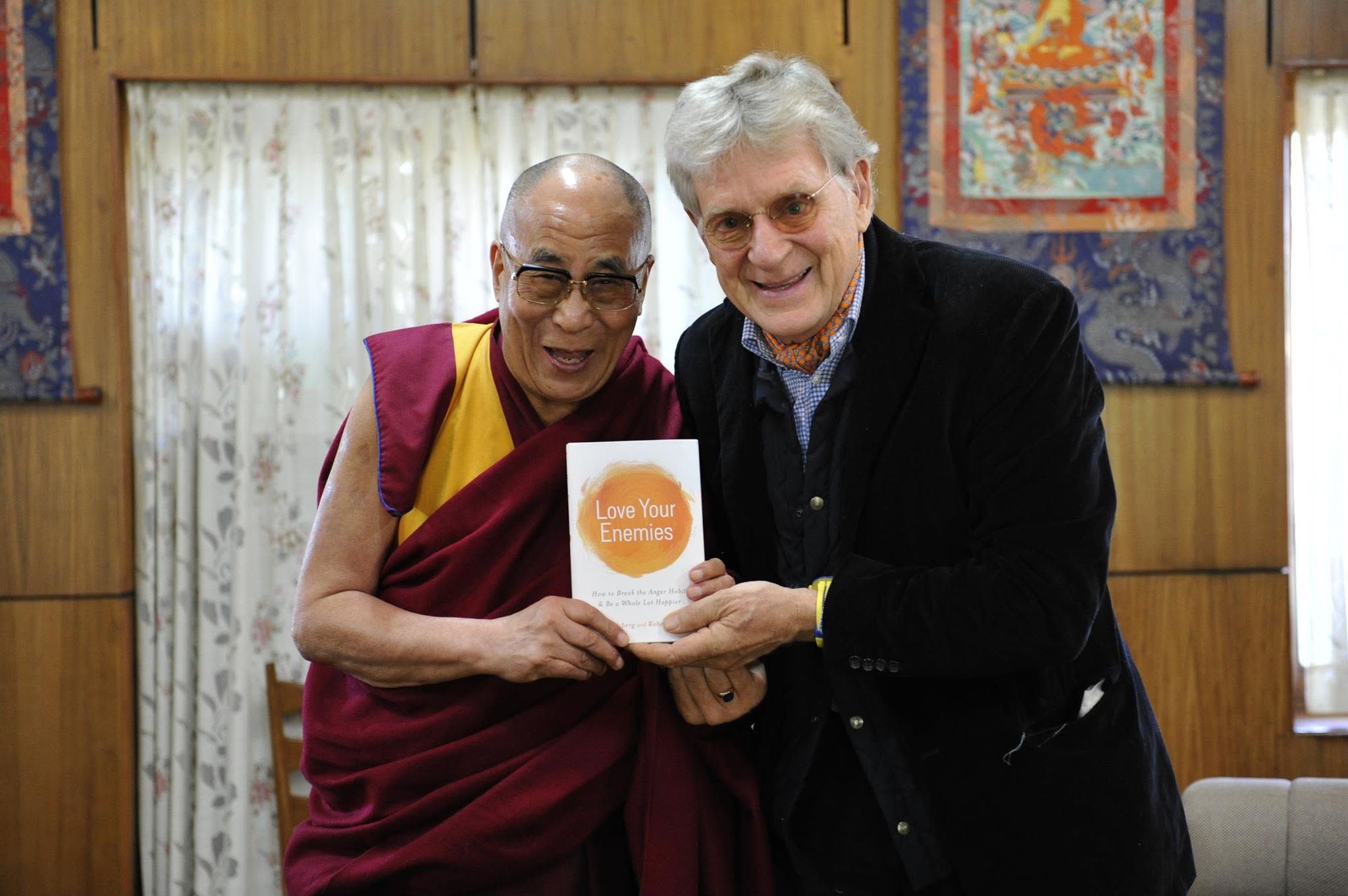
His delivery aesthetic leans heavily on storytelling, but not the soft parables common in Western convert Buddhism. Thurman tells stories about his ordination with the Dalai Lama, about debates in Tibetan monastic courtyards, about his teacher Tenzin Gyatso or the translator Gendun Chopel. These aren't just anecdotes—they're pedagogical devices that anchor abstract philosophy in lived lineage. He uses humor frequently, sometimes ribald, sometimes self-deprecating, punctuating dense philosophical passages with a joke or a theatrical aside. There's a performative quality to his teaching, a sense that he's channeling the energy of Tibetan debate culture into the lecture hall. He doesn't speak about the tradition so much as from within it, as though he's prosecuting a case for why these ideas matter urgently, now, in the 21st century.

The Recurring Themes

Certain themes anchor Thurman's teaching across contexts. Chief among them is the Tibetan concept of bliss as a foundation for wisdom—not bliss as pleasure or feel-good spirituality, but as the experiential ground of emptiness. He insists that enlightenment is not distant or reserved for monastics; it's available, accessible, and necessary for anyone willing to engage seriously with the mind. This is not pop Buddhism. Thurman doesn't simplify or soften the material to make it palatable. He presents Tibetan philosophy as a rigorous science of mind, one that demands intellectual effort alongside meditation.

He returns persistently to the idea of the Buddha as scientist—someone who investigated the nature of reality through introspection and developed a replicable method. This frame allows him to bridge Buddhist philosophy with contemporary concerns: cognitive science, political theory, environmental ethics. Thurman argues that Tibetan Buddhism offers a radical alternative to materialism, not by retreating from the world but by reconceiving the self and its relationship to suffering. He insists that bodhisattva ethics—compassionate engagement with the world—cannot be separated from emptiness realization. This dual emphasis on wisdom and activism runs through his work, whether he's teaching Dzogchen or defending Tibetan autonomy.

The Questions He Poses

Thurman pushes students to grapple with questions that resist easy answers. What does it mean to take refuge in something you can't objectify? How do you cultivate equanimity without falling into indifference? Can you genuinely believe in rebirth, or is it enough to hold it as a useful hypothesis? He doesn't offer meditative techniques to bypass these questions; instead, he asks students to sit with them philosophically, to argue with them, to let them reshape assumptions about self and world.

He also asks pointed questions about complicity and responsibility. Given the Tibetan Buddhist teaching that all beings have been your mother in past lives, how do you live in a world structured by violence and extraction? If emptiness is the nature of all phenomena, what grounds ethical action? These aren't rhetorical. Thurman expects engagement, debate, even resistance.

Who It Lands For

Thurman's teaching appeals to a particular kind of student: intellectually curious, willing to read difficult texts, skeptical of watered-down dharma. His audience often includes scholars, activists, and those who come to Buddhism through philosophy rather than therapy or stress relief. People who want Buddhism to challenge their assumptions rather than soothe them tend to find Thurman compelling.

It may bounce off those seeking a more devotional or contemplative entry point. His style is not gentle. There's little emphasis on body-based practice or long silent sits. If you're looking for refuge from the conceptual mind, Thurman will hand you more concepts—precise, powerful ones, but concepts nonetheless.

Lineage and Tradition

Thurman belongs to the lineage of scholar-practitioners who translate Tibetan Buddhism into Western intellectual contexts without diluting its complexity. He follows in the tradition of figures like Giuseppe Tucci and Jeffrey Hopkins, but with a more public, activist inflection. His ordination by the Dalai Lama in 1964 places him within the Gelug school, though his teaching draws from Nyingma Dzogchen and other traditions, reflecting the non-sectarian (rimé) ethos he encountered in his training. He occupies a rare position: both insider to the tradition and interpreter for a Western audience, committed to preserving Tibetan Buddhism's philosophical depth while insisting on its contemporary relevance.
Robert Thurman
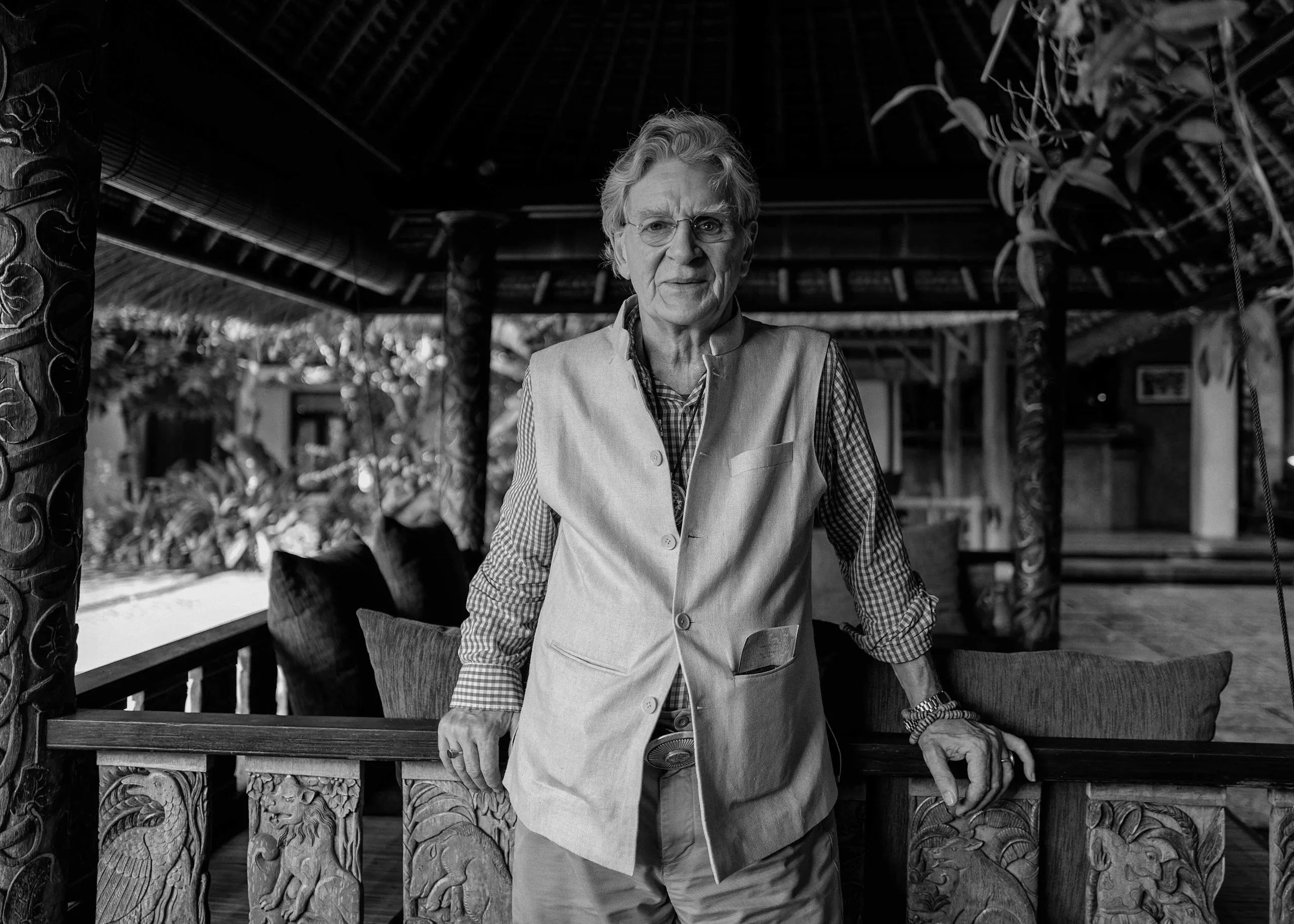
AboutRobert Thurman

Robert A.F. Thurman is a Buddhist scholar, author, and activist who co-founded Tibet House US and serves as one of the leading interpreters of Tibetan Buddhism in the West. A lifel…

View profileWebsite

Continue Reading

More about Robert Thurman

View All
Who Is Robert Thurman? Life, Work, and Legacy
Article

Who Is Robert Thurman? Life, Work, and Legacy

Where to Start with Robert Thurman: A Beginner's Guide
Article

Where to Start with Robert Thurman: A Beginner's Guide

Keep exploring

Continue your journey

More wisdom and gatherings from across the BrightStar directory.

More Articles

Browse the full library of teachings, interviews, and guides.

Back to all articles →

Teachers & Artists

Explore the lineages, musicians, and guides of the conscious world.

Explore artists →

Find an Event

Kirtan, retreats, sound baths, breathwork, festivals — happening soon.

Browse events →