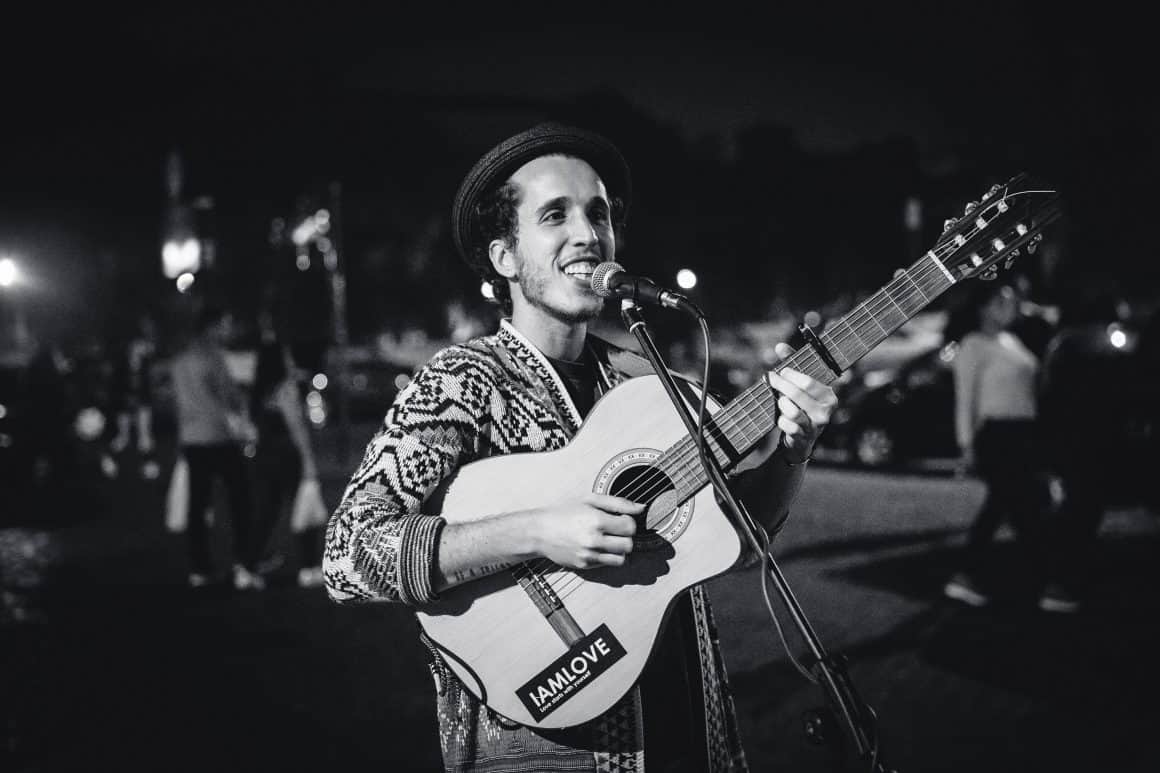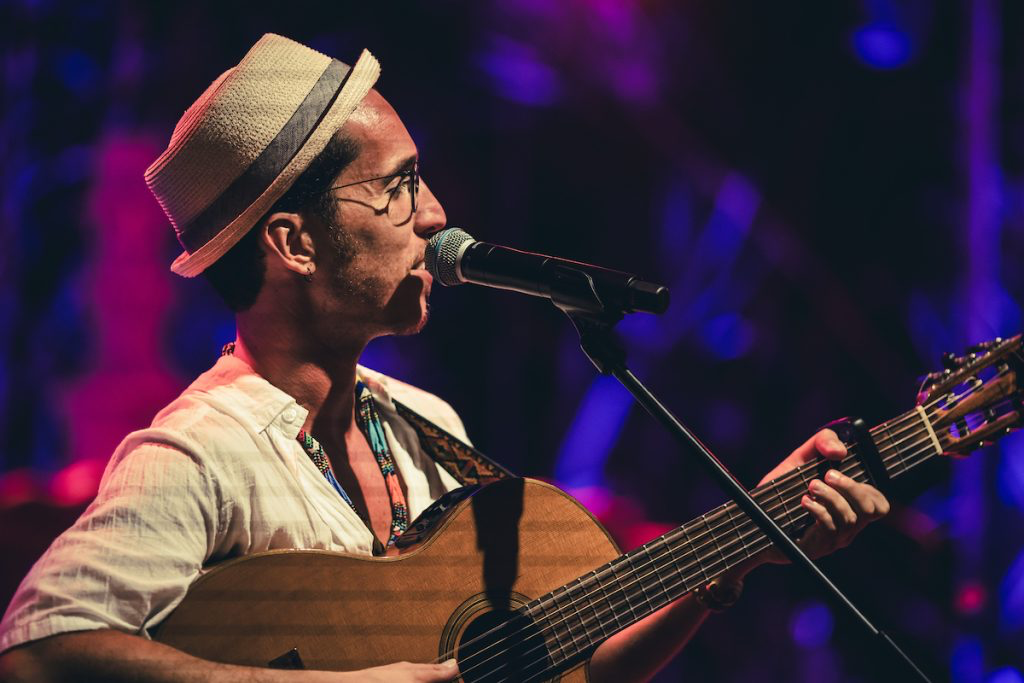
In an era when music industry success is often measured in viral moments and algorithm-friendly content, Roaman has chosen a different path entirely. As a singer-songwriter working at the intersection of original composition and what they term "artivism," Roaman has built a practice centered on something increasingly rare in contemporary culture: the deliberate cultivation of joy, connection, and emotional resilience through music.
Their work resists easy categorization. Roaman describes themselves as a joy ambassador—not in the superficial sense of perpetual positivity, but as someone committed to using creative practice as a tool for social and emotional advocacy. This positioning speaks to a broader cultural moment in which audiences are hungry for art that doesn't merely entertain but actively contributes to individual and collective wellbeing.
What makes Roaman's career trajectory particularly notable is the infrastructure they've built entirely outside traditional music industry channels. Rather than pursuing label deals or radio play, they've constructed a direct relationship with listeners through digital platforms that prioritize artist control and community engagement.
Roaman releases music primarily through Bandcamp, the platform known for its artist-friendly revenue sharing and dedicated music community. Their videos live on YouTube, while Instagram serves as both portfolio and studio diary—a space where followers encounter not just polished final products but the messy, human process of creation itself. This transparency has become central to how they connect with their audience.
The financial sustainability of this work comes through Patreon, where subscribers support Roaman's practice in exchange for behind-the-scenes content, early releases, and direct interaction. A newsletter functions as the primary communication channel, offering updates on new music, live performances, and the evolving ideas that shape their songwriting. Together, these elements form what amounts to a artist-run ecosystem—one that reflects a broader shift among independent musicians toward platform-native audiences and subscription-based support models.
With over 62,000 followers on Spotify alone, Roaman has proven that this approach can reach significant scale without sacrificing artistic autonomy or the intimacy that makes the work meaningful.
At the core of Roaman's practice is a fundamental reframing of what it means to be a musician. Rather than positioning the artist as separate from the audience—performer on stage, listeners in seats—they treat songwriting and performance as inherently collaborative acts. This isn't metaphorical. Their work actively invites participation rather than passive consumption.
This philosophy manifests in both the music itself and how it's shared. The emphasis is on accessibility and emotional clarity over commercial polish. Songs function as invitations: to feel, to connect, to engage with difficult emotions, to find spaces of joy even within challenging circumstances. The artivism framework isn't about protest songs in the traditional sense, but about music that creates conditions for emotional honesty and communal resilience.
As of 2026, Roaman is working on a new album. While details about tracklist, collaborators, and release timeline remain undisclosed, the project continues their established focus on music designed for participation and connection. Given their track record, it's reasonable to expect an approach that balances artistic ambition with the accessible emotionality that has defined their work.
The album arrives at a moment when their model of independent practice has proven sustainable over time—no small feat in an industry where most artists struggle to maintain careers outside traditional structures. Whatever form this new work takes, it will likely reflect the ongoing conversation Roaman maintains with their community about what music can do beyond entertainment.
Roaman's importance extends beyond their individual catalog. They represent a emerging generation of artists who have found ways to thrive by building direct, sustained relationships with audiences rather than chasing industry gatekeepers or algorithmic visibility. This model isn't accessible to everyone—it requires particular skills in community building, digital literacy, and consistent output—but it offers an alternative vision for how sustainable creative careers might function.
More significantly, Roaman's focus on joy advocacy addresses a genuine cultural need. In a moment characterized by collective anxiety, political polarization, and social fragmentation, the work of deliberately creating spaces for connection and emotional resilience carries weight. They reach listeners who are looking for more than distraction—people seeking art that acknowledges difficulty while still making room for hope, beauty, and human warmth.
The legacy being built here isn't measured in chart positions or industry accolades. It's in the model itself: proof that artists can maintain meaningful practices on their own terms, that audiences will support work that treats them as collaborators rather than consumers, and that music centered on joy and connection can find its people without compromise. In that sense, Roaman's work points toward futures that many independent artists are still learning to imagine.