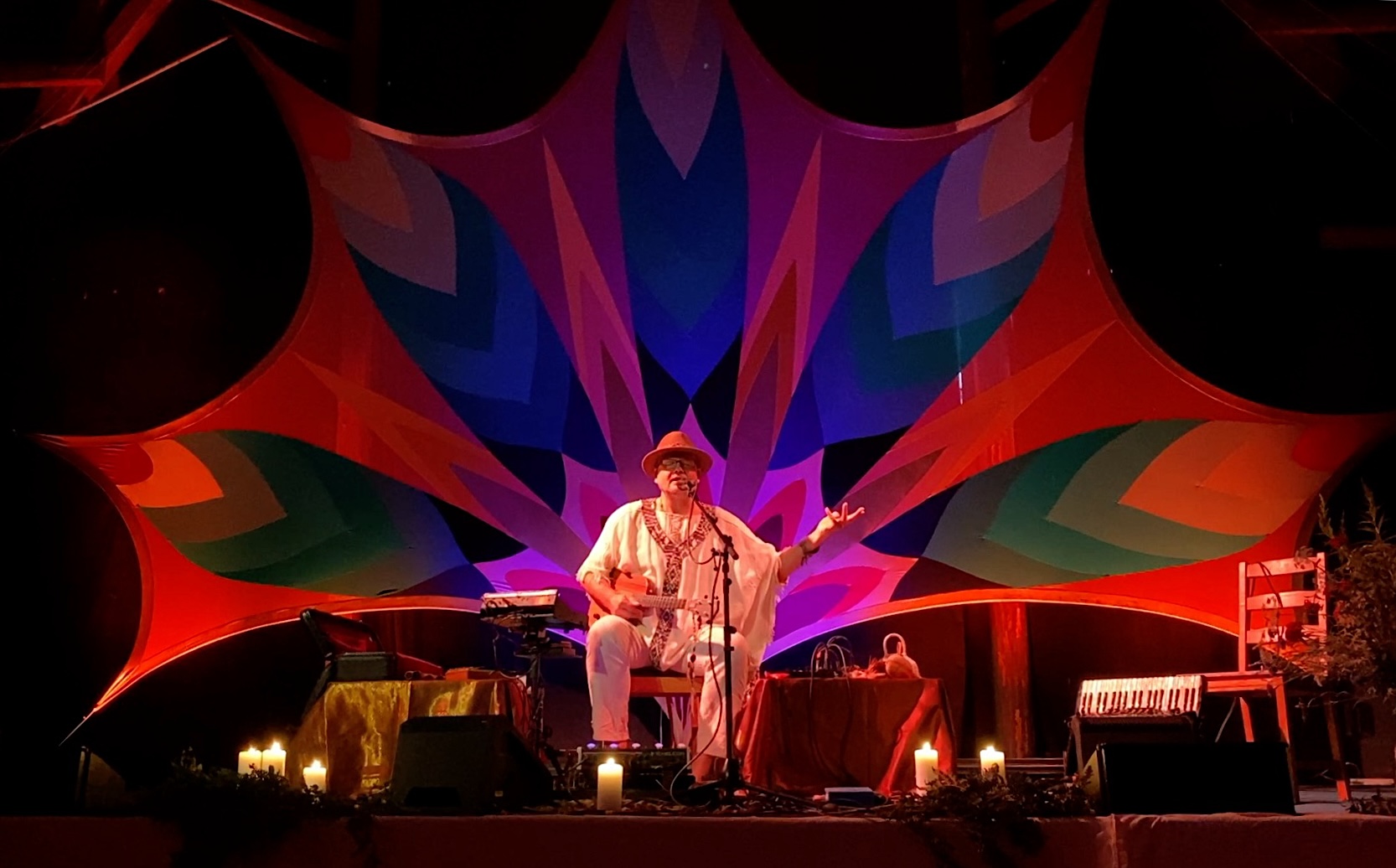

Begin with the Free Intro to Vocal Yoga
Your best entry point is Peruquois's introductory Vocal Yoga session, typically offered as a standalone online class or workshop preview. This 60-90 minute experience gives you the core of her method without requiring a multi-week commitment. You'll encounter toning exercises, breath-driven vocalization, and guided emotional release work—all the essential elements that define her approach. The format is structured but intimate, designed to let you feel what it's like to use your voice as a tool for emotional access rather than performance.
This matters because Peruquois's work isn't theoretical. You can't read your way into understanding Vocal Yoga. You have to sound, breathe, and move through it. The intro session delivers that experiential knowledge immediately.
Next Steps: The Core Course and Live Workshop
After the intro, move to her flagship online course in Vocal Yoga fundamentals. This is usually a 4-6 week structured program combining daily vocal practices, meditation sequences, and movement integration. Expect guided audio sessions, practice journals, and incremental deepening of the emotional release techniques. The course teaches you to regulate your inner state daily, not just during peak moments.
Then, if possible, attend a live in-person workshop. The group container changes everything. Peruquois's work lands differently when you're vocalizing alongside other women, witnessing their breakthroughs, and letting the collective sound field hold your own unraveling. Her workshops emphasize sensual awakening and purpose-finding themes that benefit from real-time facilitation and embodied presence you can't fully replicate online.
If an in-person event isn't feasible, explore her advanced course on emotional cleansing. This goes deeper into using vocalization to work through specific blocks—grief, shame, rage, numbness—with practices designed for sustained inner work.
What to Expect on First Encounter
Your first session will likely feel awkward. You'll be asked to make sounds that feel unnatural: long tones, guttural hums, wails that embarrass you. Peruquois doesn't ease you in gently. She believes the self-consciousness is the work. You're not learning to sing beautifully; you're learning to let sound move through you without control or aesthetic judgment.
Expect tears, or sudden laughter, or unexpected anger. The vocal exercises are designed to bypass your intellectual defenses and access emotion directly. Many participants report physical sensations—heat, trembling, tingling—as stuck feelings begin to shift. This isn't relaxation work. It's excavation.
Common Misunderstandings
Beginners often mistake Vocal Yoga for voice training or singing lessons. It's neither. You're not developing vocal technique or musicality. The quality of sound matters far less than your willingness to let it be raw, ugly, and unfiltered.
Others approach it as passive healing, expecting the method to "fix" them. Peruquois's work demands active participation and repeated practice. The breakthrough statistics—98 of 100 participants reporting significant shifts—reflect committed engagement, not casual attendance.
Some dismiss the "sensual awakening" language as vague spirituality. In practice, it means reconnecting to bodily sensation, pleasure, and aliveness through sound and breath. It's less mystical than it sounds, more somatic and direct.
When This Work Lands Hardest
Vocal Yoga finds you during transitions: after loss, before reinvention, in the middle of profound uncertainty. It works best when you're ready to feel what you've been avoiding. Women in their late 30s through 60s seem particularly drawn to it—those reassessing purpose, processing accumulated grief, or reclaiming parts of themselves buried under years of conditioning.
It also lands powerfully during creative blocks or when you feel disconnected from your body. The method offers a bridge back to sensation and intuition without requiring you to think your way there.
Your 1-Week Starter Plan
Day 1-2: Complete the intro Vocal Yoga session. Notice your resistance. Do it anyway.
Day 3: Practice the core toning exercise for 15 minutes. Focus on sound, not outcome.
Day 4-5: Add the breath-and-movement sequence. Let vocalization happen spontaneously during movement.
Day 6: Journal on what emotions surfaced. Don't analyze—just document.
Day 7: Repeat the full intro session. Notice what's different.
Then decide: commit to the foundational course, or step away. Peruquois's work isn't for everyone. But if you felt something shift, even slightly, keep going.