
Begin With the Book
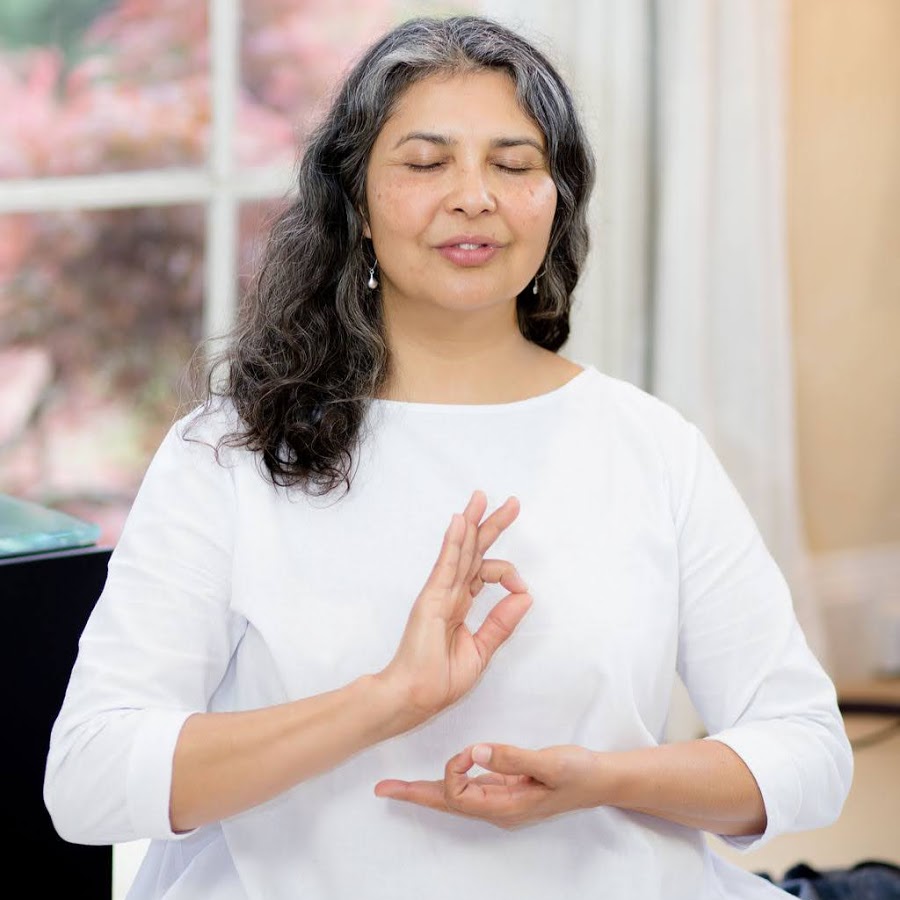
Start with Yoga and the Art of Mudras. This is not a coffee table book. It's a manual that synthesizes thirty-five years of practice into something you can hold in your hands and actually use. Teixeira approaches mudras—the symbolic hand gestures of yogic ritual and classical Indian dance—as technologies of devotion rather than decorative flourishes. The book layers Bhakti yoga, Odissi dance vocabulary, and Hatha practice into sequences that treat the body itself as sacred text. You'll find photographs, instructions, and context that make temple practices accessible without diluting them. Read it with your hands free. You'll want to try the gestures as you go.
After the Book
Once you've spent time with the mudras, seek out classes or workshops through her Bhakti Nova School of Yoga & Dance or Mother Goddess Yoga. These organizations exist specifically to transmit classical Indian devotional traditions through what Teixeira calls "embodied, feminine-centered pedagogy." Her teaching style doesn't foreground asana and alignment the way most Western yoga does. Instead, expect pranayama, mantra, mudra, and movement vocabularies drawn from Odissi woven into sequences that honor goddess traditions within Hinduism.
If you can't access live teaching immediately, look for any recorded talks or demonstrations where she discusses the intersection of Odissi and yoga practice. Her approach makes most sense when you see the dance informing the devotion informing the breath.
What to Expect
Your first encounter will likely feel unfamiliar even if you've practiced yoga for years. Teixeira doesn't teach the yoga you find in most studios. There's less emphasis on whether your hips are square in warrior pose, more attention to what your hands are saying and whether you're breathing in relationship to divine feminine energy. The classes move differently—more ritualistic, more concerned with gesture and devotion than with flexibility or strength. If you come from a movement background, especially dance, you may find the Odissi elements immediately compelling. If you come from a typical Western yoga practice, expect disorientation before recognition.
Common Misunderstandings
Beginners often mistake Teixeira's work for "goddess yoga" in the contemporary wellness sense—vague invocations of feminine energy layered onto standard vinyasa. This misses entirely what she's doing. She's transmitting specific lineages: Bhakti devotional practices and Odissi classical dance, both with centuries of history and precise technical vocabularies. The Divine Feminine here isn't metaphor or marketing; it's Lakshmi, Saraswati, Durga—actual goddess traditions from Hinduism taught with rigor and reverence.
Others assume that "feminine-centered" means gentle or exclusively for women. Teixeira's pedagogy centers the feminine as a lens, not a limitation. The practices themselves require discipline, precision, and sustained attention.
When This Work Lands Hardest
This teaching finds people during threshold experiences: when your existing yoga practice has gone stale and formulaic, when you're hungry for devotion but alienated from the religion you grew up with, when you need your spirituality to live in your body rather than your head. It lands for dancers looking for sacred context, for yoga teachers tired of the fitness-industrial complex, for anyone who suspects that gesture and breath and sound might be paths to something real. It's especially powerful if you're recovering from traditions that separated body from spirit, or if you're looking for spiritual practice that doesn't require you to disembody.
One-Week Starter Plan
Days 1-2: Read the introduction and first two chapters of Yoga and the Art of Mudras. Practice the initial mudras with attention to sensation, not perfection.
Days 3-4: Choose three mudras from the book. Spend fifteen minutes each day exploring them with basic pranayama. Notice what each gesture does to your breathing, your attention, your emotional state.
Day 5: Research Odissi dance videos to understand the movement vocabulary Teixeira draws from. Watch for the hand positions, the relationship between gesture and devotion.
Days 6-7: Attend a class or workshop through Bhakti Nova or Mother Goddess Yoga if available. If not, spend an hour integrating mudra, breath, and movement based on what you've learned. Let devotion lead.