
Melle works in whispers, not shouts. In an era when independent pop often leans toward maximalist production and algorithmic hooks, the Dutch musician has carved out a quieter lane—one built on instrumental texture, spatial awareness, and the deliberate choice to leave room in the mix for what isn't played. As a singer, producer, and multi-instrumentalist, he represents a particular strain of bedroom pop that prizes craft over virality, where every element serves the song rather than the streaming economy.
His music exists at the intersection of self-produced indie pop and what might be called instrument-forward songwriting—a compositional approach in which acoustic and electronic layers aren't merely ornamental but foundational to the emotional architecture of each track. With over 44,000 Spotify followers and a growing presence in the Dutch independent music scene, Melle has quietly established himself as a serious artist whose work rewards close listening.
What distinguishes Melle from many of his peers isn't just his sound—it's his control over every stage of the process. He self-produces all of his releases, handling everything from initial instrumental tracking to final mix decisions. This isn't a matter of DIY necessity; it's a creative philosophy. By keeping production in-house, he maintains a consistent aesthetic that favors intimacy over studio polish, space over saturation.
This approach aligns him with a lineage of Dutch independent artists like Benny Sings and Eefje de Visser, musicians who have demonstrated that melodic restraint and low-key production can coexist with commercial viability. But where some bedroom pop artists treat lo-fi production as an end in itself, Melle uses it as a deliberate tool—a way to keep the listener's attention on the interplay between voice, instrument, and silence.
His signature instruments form the backbone of this sound. Each track is built around an evolving collection of acoustic and electronic elements, layered in ways that prioritize texture and atmosphere. The result is music that feels handmade without sounding amateurish—a delicate balance that only comes from years of refining one's craft.
In 2026, Melle released Before I Lose It, a 13-track album that stands as his most complete studio statement to date. The record showcases his ability to sustain a mood across an extended runtime without relying on genre shifts or production gimmicks. It's an album built on consistency of vision—a collection of songs that trust the listener to meet them halfway.
Following that release, he issued the Reworks EP, a vinyl-only project that saw him reimagining seven songs from his previous two albums. Rather than simply remixing existing tracks, Melle stripped them down and rebuilt them as collaborative arrangements, inviting seven different artists to contribute new perspectives. This wasn't an exercise in nostalgia or a greatest-hits repackaging—it was an exploration of how his material could be reinterpreted without losing its essential character.
The Reworks EP reveals something crucial about Melle's artistry: his willingness to let go of control in service of the song. By opening his catalog to reinterpretation, he demonstrated that his compositions are sturdy enough to support multiple approaches, that the melodies and emotional cores remain intact even when the production language changes.
Recent singles have continued Melle's pattern of pairing clean vocal melodies with understated instrumentation, often in collaboration with other artists. "A Fool" features Ellysse Mason, while "At My Worst" brings in philine and Remy van Kesteren. "Easy To Love" stands as another entry in his catalog of quietly compelling tracks—songs that don't demand attention so much as earn it through accumulated detail.
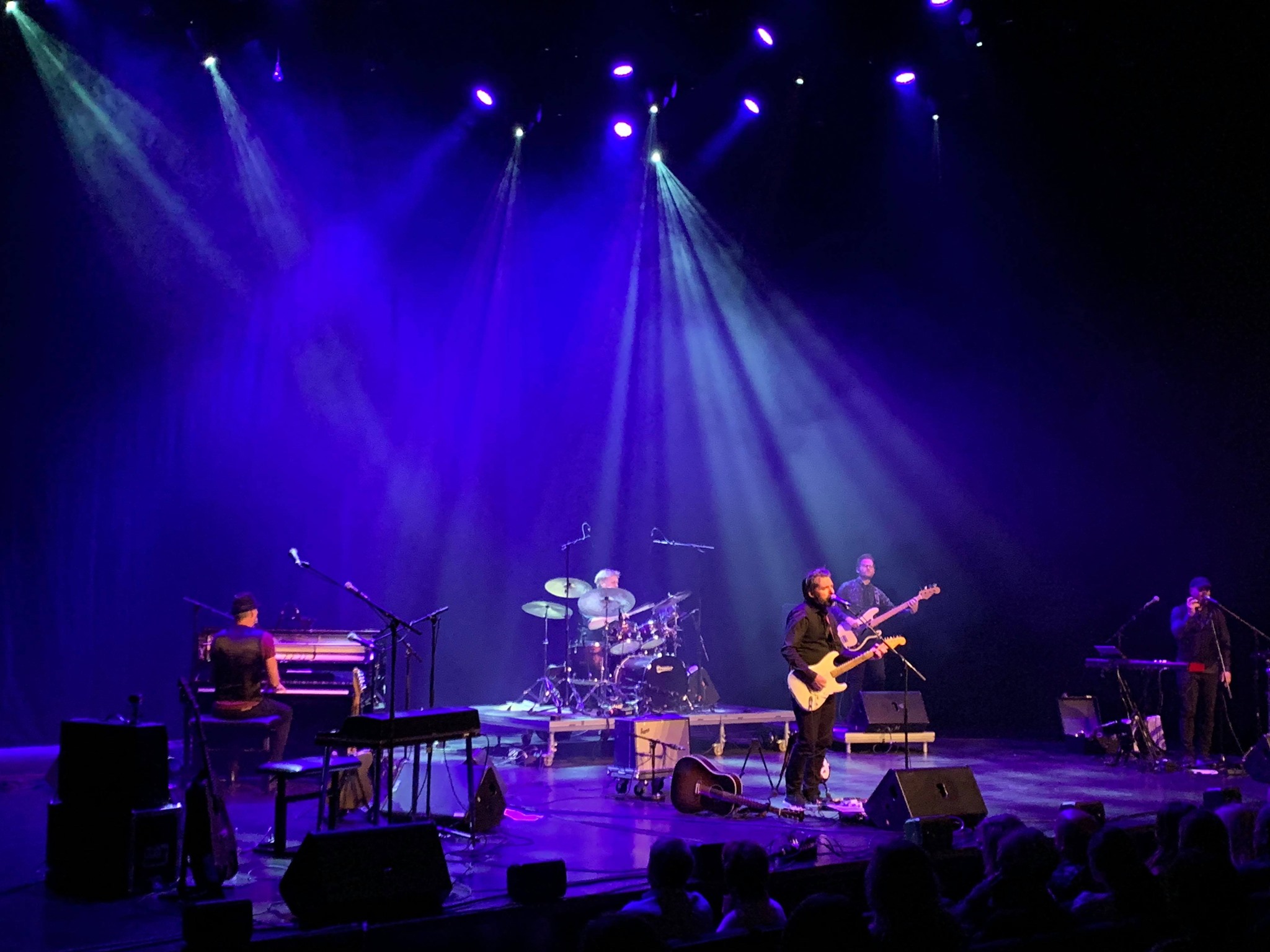
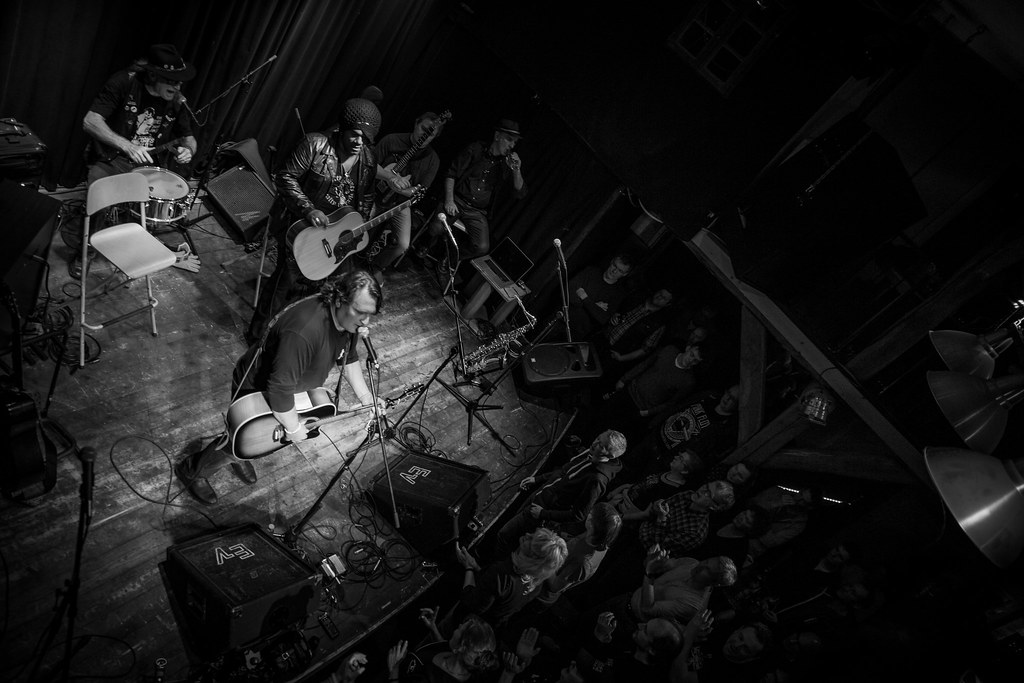
These collaborations speak to Melle's position within the Netherlands' independent music community. He's built his career incrementally, not through viral moments but through sustained touring and independent releases. Club shows in Amsterdam, album tour dates in Utrecht—these are the building blocks of a following that values depth over novelty.
In a landscape where production trends shift with algorithmic precision and artists are pressured to optimize for playlist placement, Melle represents an alternative model. His music doesn't chase trends; it explores a specific aesthetic territory with patience and precision. For listeners weary of overproduced pop or, conversely, of lo-fi production treated as mere aesthetic signaling, his work offers a middle path: music that sounds intimate without sounding unfinished, polished without losing its human grain.
His growing audience—those 44,000 Spotify followers and the concertgoers who fill Dutch clubs—suggests there's hunger for this kind of careful, instrument-focused songwriting. In an attention economy built on immediacy, Melle's music asks for something more difficult: time, focus, the willingness to notice what's happening in the spaces between sounds.
That might be his most significant contribution—not just the songs themselves, but the reminder that pop music can still be built by hand, one layer at a time, by an artist who knows exactly what he wants to say and refuses to shout.