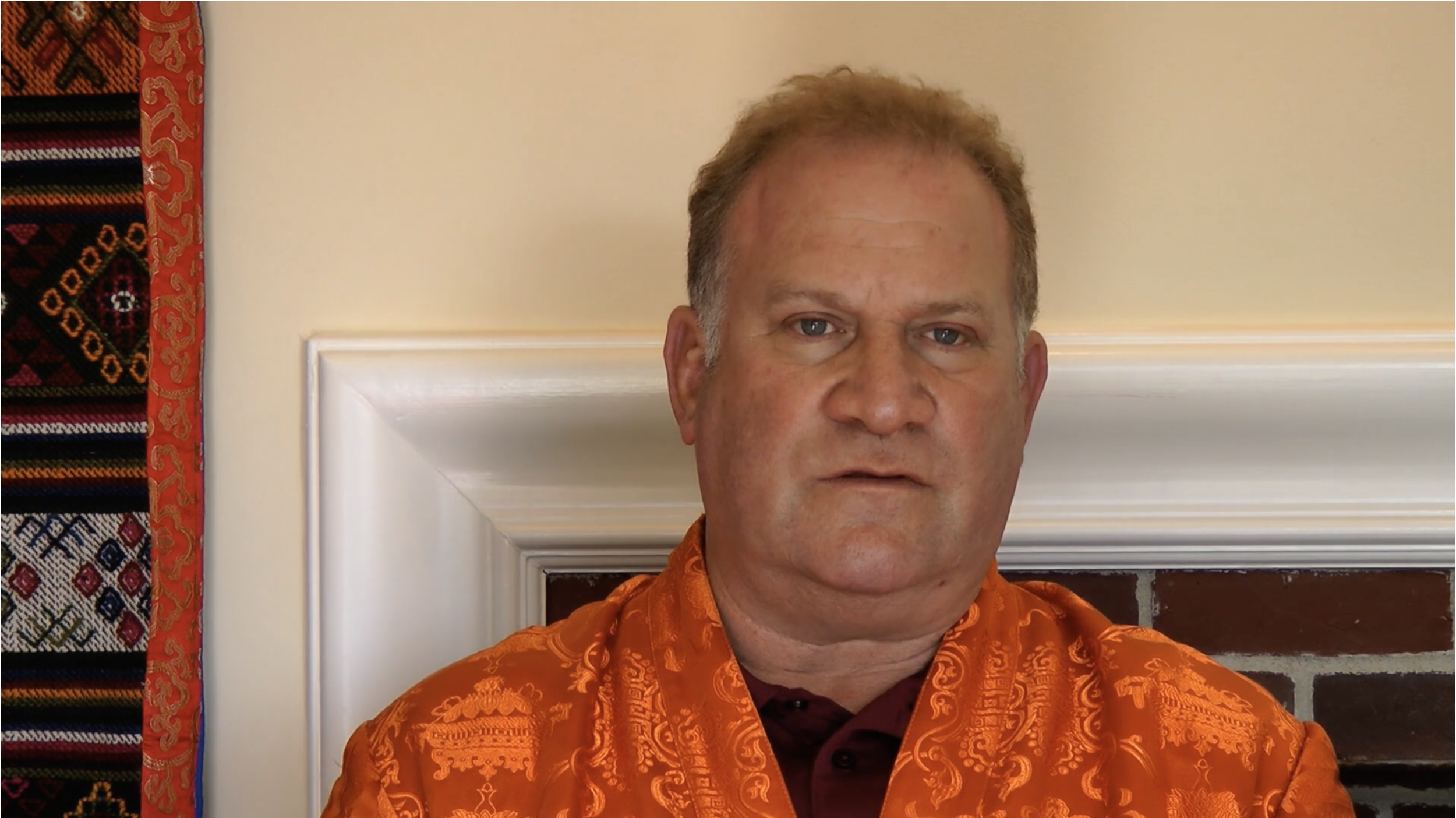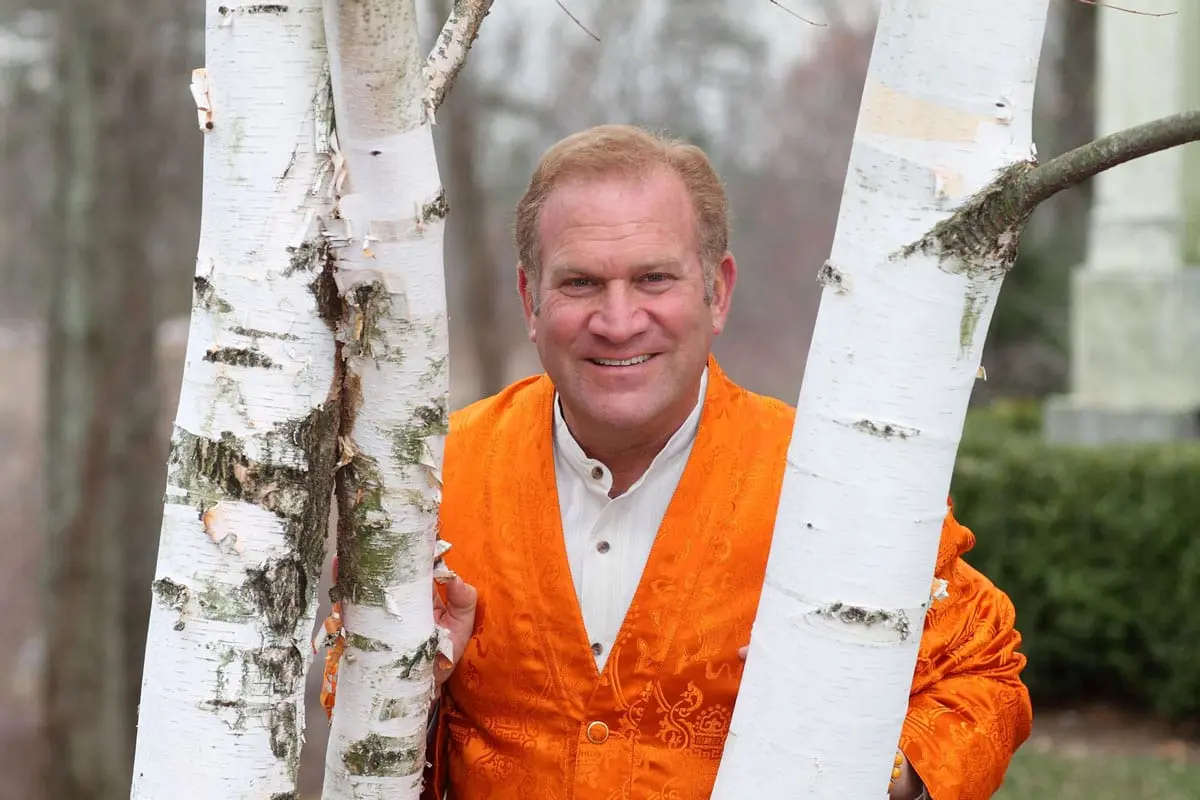

For more than four decades, Lama Surya Das has occupied a distinctive position in American spiritual life: a Westerner who has devoted himself to making the ancient, esoteric teachings of Tibetan Buddhism accessible to contemporary seekers. Born Jeffrey Miller, he represents a generation of Americans who traveled East in search of wisdom and returned to translate what they found into a language their own culture could understand. His particular contribution has been bringing the Dzogchen tradition—often called the Great Perfection—out of the Himalayan monasteries and into Western meditation halls, retreat centers, and living rooms.
The biographical details of Miller's early years remain largely private, but the trajectory that matters most to his work is clear: at some point, an American-born seeker became a serious Buddhist practitioner. That transformation required years of intensive training in the Himalayas, where he studied with some of the twentieth century's most influential Tibetan masters. Under the guidance of Nyoshul Khen Rinpoche and Dilgo Khyentse Rinpoche, he completed the traditional three-year retreat practice—a rigorous, immersive period of study and meditation that marks a significant threshold in Tibetan Buddhist training.
This wasn't casual spiritual tourism. The three-year retreat is a traditional crucible, designed to deepen realization through sustained practice in relative isolation. That Miller emerged from this process recognized as a lama speaks to the seriousness with which he approached the path. The name Surya Das, which he adopted, marked not just a spiritual rebirth but a formal entry into a teaching lineage.
What sets Lama Surya Das apart in the crowded field of Western Buddhist teachers is his focus on Dzogchen, the pinnacle teaching within the Nyingma lineage—the oldest of the four major schools of Tibetan Buddhism. Dzogchen is traditionally considered an advanced practice, a direct path to recognizing the nature of mind that bypasses gradual stages of development. Historically, these teachings were held closely, transmitted only to students deemed ready for their radical simplicity.
Lama Surya Das has worked to make this esoteric tradition available to people with no prior Buddhist training. His method involves translating not just the language but the cultural assumptions embedded in Tibetan Buddhism, creating an approach that honors the depth of the tradition while acknowledging the psychological frameworks and lived realities of Western students. He draws from Dzogchen meditation as the centerpiece of his teaching, but his repertoire also includes Tibetan Dream Yoga—a practice for cultivating awareness during sleep—and Tibetan Energy Yoga, which integrates breath work and subtle body practices with meditative insight.
Understanding that teachings need vessels, Lama Surya Das founded the Dzogchen Center and the Dzogchen Foundation to provide an organizational home for this work in the West. These institutions host silent meditation retreats, master classes, and multi-day intensives that blend traditional Tibetan methods with contemporary approaches. The teaching isn't presented as museum Buddhism, preserved in amber, but as living practice that can speak to modern anxieties, distractions, and aspirations.
His retreats have become known for their accessibility. Rather than requiring participants to navigate Tibetan liturgy or adopt unfamiliar cultural forms, he creates containers where Western students can encounter the essential practices without unnecessary barriers. This doesn't mean watering down the teachings—it means careful curation of what's essential and what's cultural packaging.
Lama Surya Das has authored several books that have introduced Tibetan Buddhist concepts to mainstream audiences. "Awakening the Buddha Within," "The Snow Lion's Turquoise Mane," and "Awakening to the Sacred" represent sustained efforts to translate complex doctrinal points—karma, emptiness, bodhicitta—into language that resonates with readers who may never have opened a dharma text. These aren't academic treatises but accessible entry points, written in a voice that assumes intelligence but not prior knowledge.
The success of these books lies in their ability to make abstract philosophical concepts feel relevant to everyday life. He writes for the person sitting in traffic, navigating difficult relationships, or wondering what their life means—not for the scholar already versed in Buddhist philosophy.
With over 10,000 followers on Spotify, Lama Surya Das has extended his teaching into the digital realm, reaching practitioners who may never attend a traditional retreat. His work as a podcast host represents the contemporary chapter of his mission: meeting students where they are, in formats that fit modern lives. This isn't a concession to short attention spans but recognition that wisdom transmission can happen through new media.
Lama Surya Das matters because he represents a successful cultural translation project. Tibetan Buddhism, with its elaborate cosmology, unfamiliar deities, and complex ritual, can feel impenetrable to Western newcomers. By focusing on the contemplative core—particularly the direct recognition practices of Dzogchen—he has created an accessible on-ramp to a profound tradition.
He reaches people who might be curious about meditation but intimidated by what they perceive as Eastern mysticism. His cultural significance lies not in innovation but in transmission: taking something precious and finding ways to share it across linguistic, cultural, and philosophical divides. In an era of spiritual consumerism and superficial mindfulness, he offers teachings with genuine depth, rooted in rigorous training and traditional lineage, yet adapted for contemporary life.
For seekers drawn to Tibetan Buddhism's sophisticated understanding of mind and consciousness, Lama Surya Das remains a vital bridge—a Western voice speaking from within an ancient tradition.