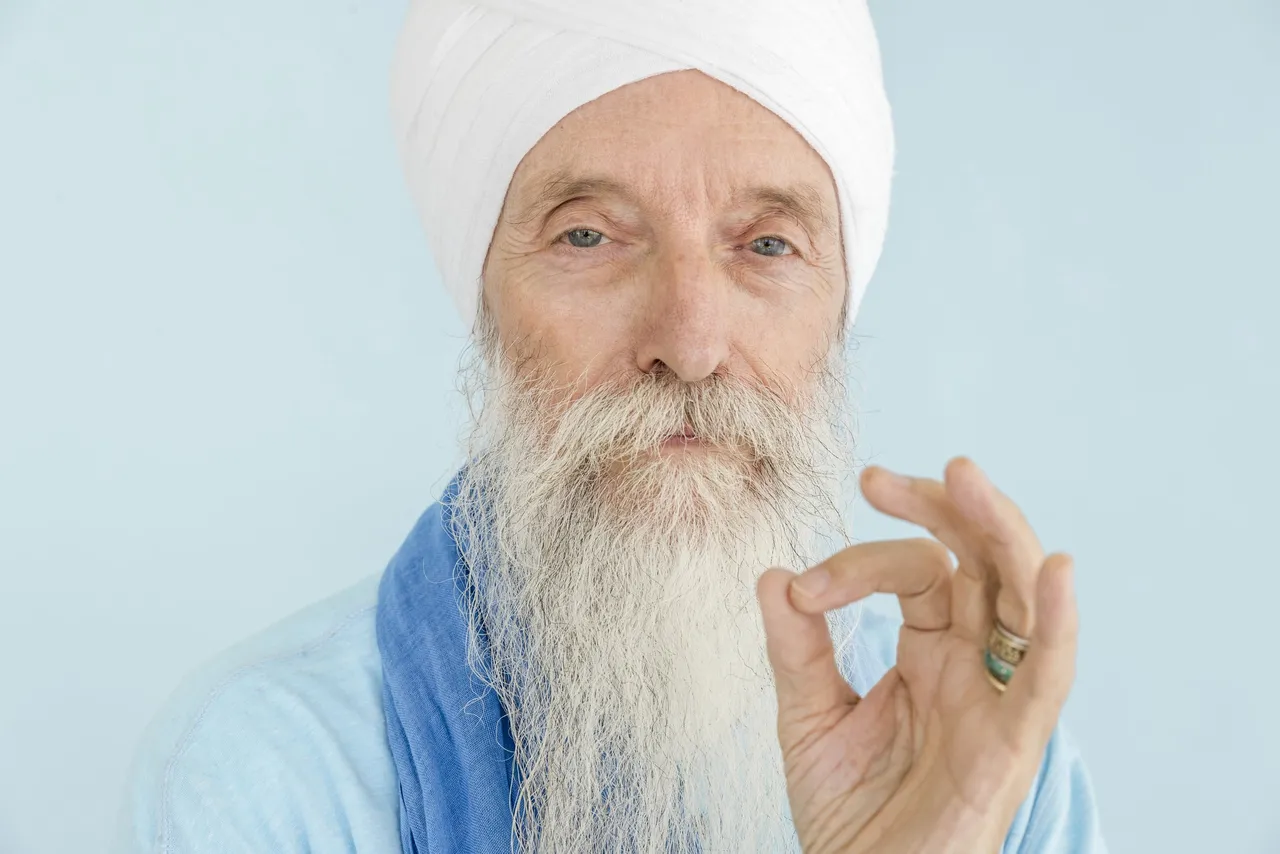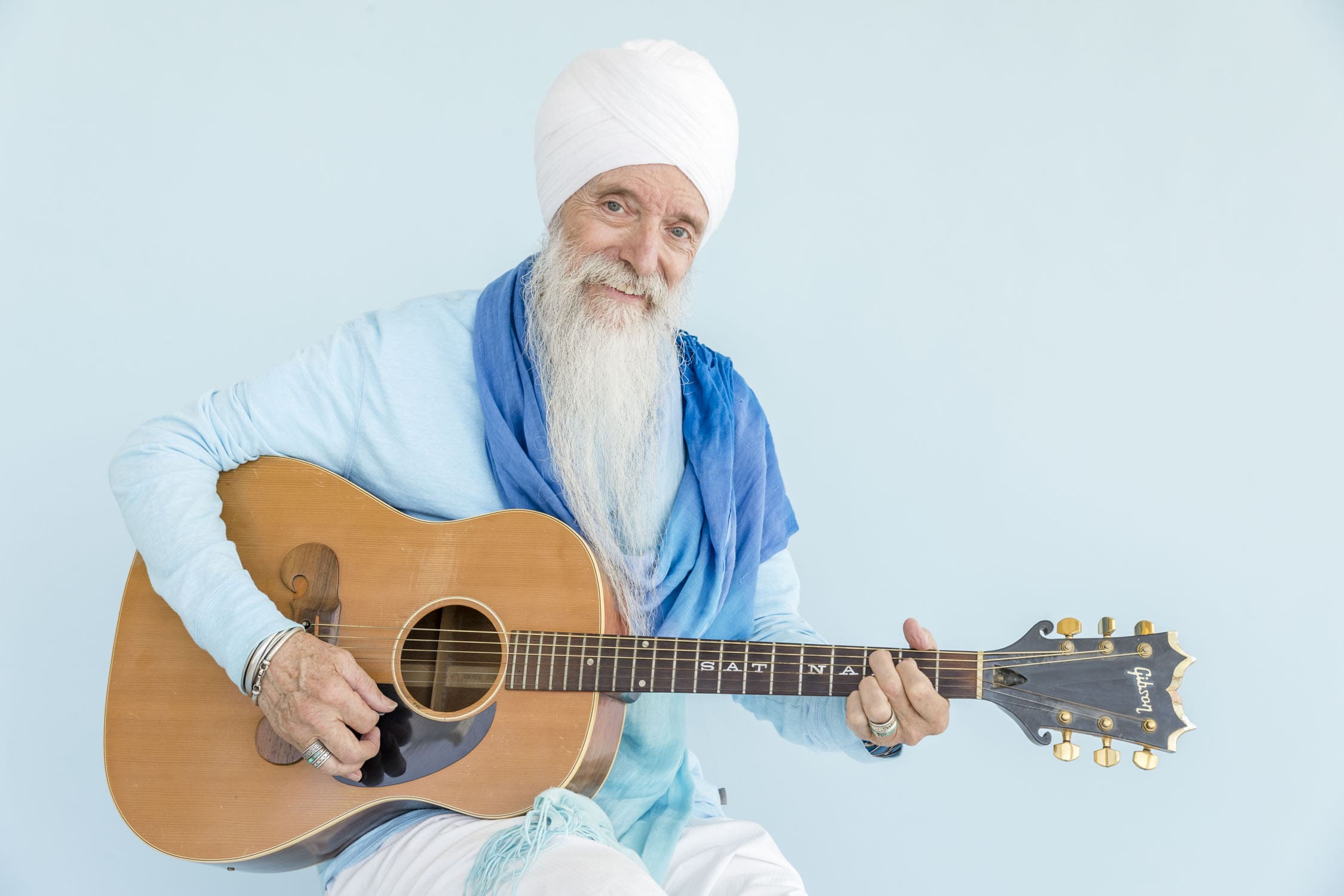

A session with Guru Singh rarely follows the streamlined format of a modern yoga class. Where many Western studios have refined yoga into a brisk sixty-minute workout, his gatherings sprawl into something closer to a traditional satsang—part physical practice, part lecture, part group meditation. A typical class might open with extended chanting of Sanskrit mantras, move into a kriya sequence involving breath retention and repetitive movement, then settle into long stretches of stillness punctuated by his commentary on yogic philosophy. The pace is deliberate, sometimes circuitous. He doesn't rush through postures to reach a peak pose; the kriyas are tools for working on what Kundalini tradition calls the subtle body, and the physical sensations are meant to be felt and observed rather than conquered.
Retreats and longer workshops expand this format into immersive environments where students cycle through multiple kriyas, chanting sessions, and teaching blocks over days. The emphasis is on accumulation—building energetic momentum through repetition and sustained practice rather than through variety or novelty. This can feel both demanding and disorienting for newcomers expecting a more cardio-forward or alignment-focused practice.
Guru Singh returns consistently to the relationship between personal transformation and universal patterns. His teaching mines yogic cosmology for frameworks that map human experience onto larger cycles—planetary movements, elemental forces, the interplay of what the tradition calls gunas, or qualities of nature. He asks students to locate themselves not just psychologically, but energetically and cosmically. Questions arise less as prompts for journaling and more as koans to hold across weeks of practice: What is the distinction between your personality and your soul? Where does your breath originate? How does resistance in the body mirror resistance in consciousness?
He speaks often about the intersection of ancient wisdom and modern neuroscience, attempting to translate Sanskrit concepts into language that resonates with secular, analytically-minded students. The effort is genuine but occasionally produces a kind of spiritual syncretism that blends quantum physics metaphors with chakra theory in ways that may satisfy practitioners while raising eyebrows among scholars of either domain.
Guru Singh's delivery blends the cadence of a storyteller with the authority of a lineage holder. He moves fluidly between personal anecdote, scriptural reference, and spontaneous riffing on contemporary culture. His humor is present but understated—wry observations rather than performative comedy. There are long silences, particularly during meditation segments, but also stretches where his voice becomes the primary anchor, guiding students through visualizations or unpacking the meaning of a particular mantra syllable by syllable.
Chanting occupies significant space in his teaching. Sessions often involve repetitive singing of mantras in Gurmukhi, the sacred language of Sikh scripture that Yogi Bhajan incorporated into Kundalini yoga practice. The sonic element is non-negotiable; this is not background music but a technology of consciousness in its own right. For students comfortable with devotional practice or interested in the vibrational dimensions of sound, this feels nourishing. For those seeking a more stripped-down, technique-focused approach, it can register as esoteric or inaccessible.
Guru Singh's work finds traction with students already curious about the philosophical and energetic dimensions of yoga, particularly those dissatisfied with purely physical practices. His audience includes longtime meditators, people exploring alternatives to Western psychology, and practitioners willing to invest time in a system that resists quick results. The teaching assumes a certain openness to mystical language and non-empirical frameworks. It's suited to students who want context, history, and cosmology alongside their kriyas.
It's less likely to resonate with those seeking a streamlined, evidence-based mindfulness practice, or with practitioners who prefer anatomical precision and alignment cues over energy mapping. The denseness of the philosophical content and the length of sessions can feel overwhelming or exclusionary to beginners without prior exposure to meditation or Eastern spiritual vocabulary.
Guru Singh operates squarely within the lineage of Kundalini yoga as taught by Yogi Bhajan, a controversial figure who brought the practice to North America in 1969 and established the 3HO organization. This tradition blends Sikh devotional elements with tantric yogic techniques, emphasizing breath, mantra, and kriya sequences said to awaken dormant energy. Guru Singh functions as both inheritor and interpreter, maintaining fidelity to the technical aspects of the practice while attempting to contextualize it for students outside the insular world of 3HO. His work represents a continuation of that transmission, with all the richness and complexity such lineages carry.