
Begin with Her Voice in Context
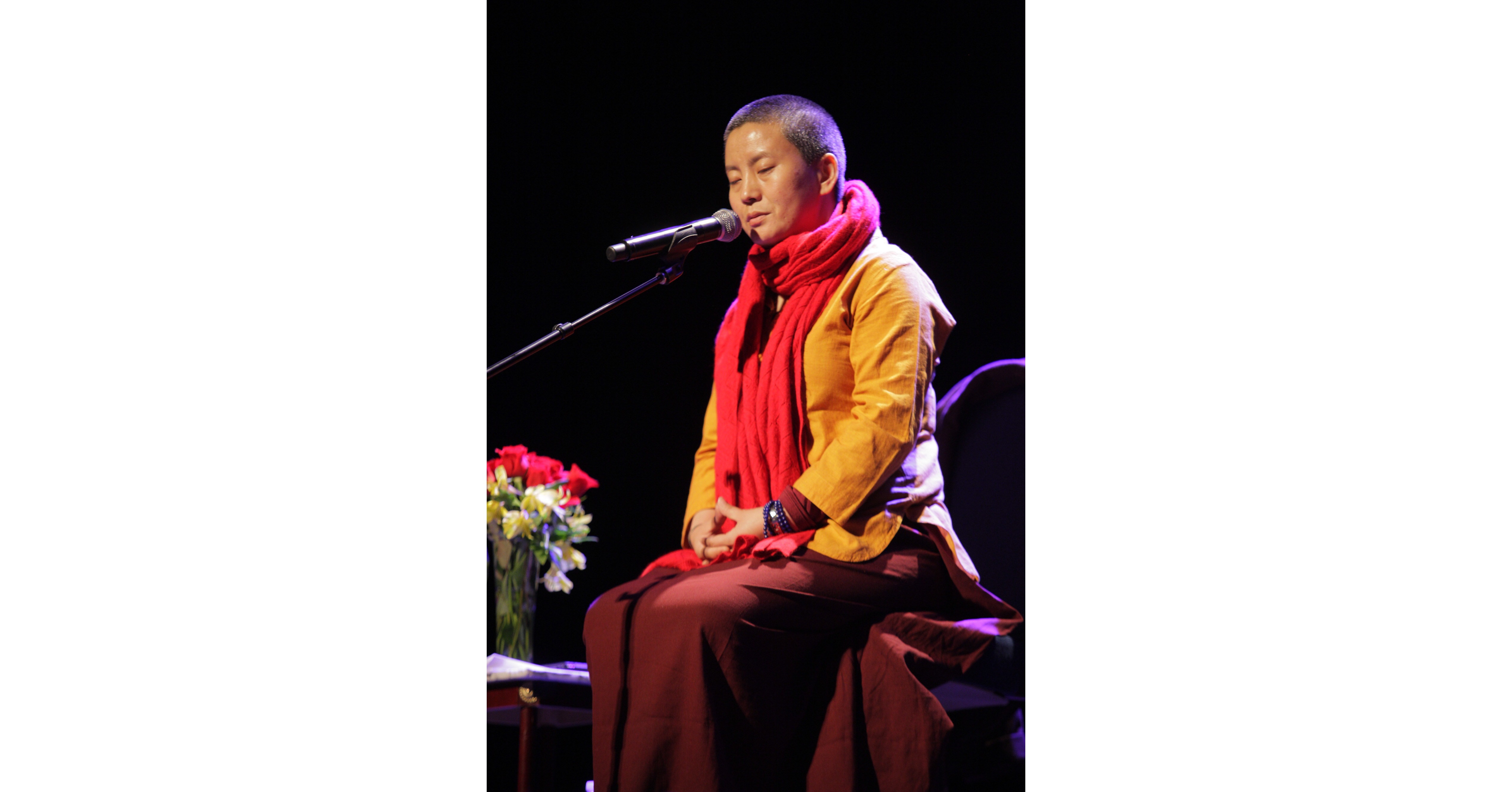
Start with a live performance video if you can find one. Look for recordings where she performs "Tara Mantra" in a monastery or concert setting—these clips show what makes her work distinct before you encounter her on an album. You'll see the singing bowls, the stillness between phrases, and the way audiences sit in silence rather than applaud mid-song. This fifteen-minute glimpse will tell you whether you're approaching devotional practice that happens to be recorded, or a performance you can consume casually.
If video isn't available, her early recordings from the late 1990s with guitarist Steve Tibbetts serve as the proper entry point. These albums capture the transition moment when liturgical music left the meditation hall without abandoning its function. Tibbetts doesn't reimagine the chants; he frames them, letting her voice remain unornamented while adding spatial depth.
After That First Encounter
Once you've heard the core repertoire, move to recordings focused specifically on Tara devotional chants. These form the heart of her musical practice—the female bodhisattva of compassion whose mantras Ani Choying has recited daily for decades. The melodic patterns repeat, intentionally. You're not listening for variety but for the quality of attention she brings to each iteration.
Third, seek out any talks or interviews where she discusses the relationship between her monastic vows and her recording career. Understanding this tension—how she maintains ritual function while performing on stages—clarifies why her work sounds different from "world music" adaptations of sacred traditions. She's not translating for Western audiences; she's allowing others to witness what already exists.
What You'll Actually Hear
Expect slowness. Expect repetition. Her voice is technically a clear soprano, but what you're hearing is the result of recitation practice, not operatic training. The melodies follow liturgical requirements, not aesthetic ones. Singing bowls and damaru drums provide texture, not rhythm. There are long silences. The texts are in Sanskrit and Tibetan, and she doesn't alter phonetics for accessibility.
Many first-time listeners mistake this for "relaxation music" or background ambiance. It's not. These are functional prayers preserved in their working form.
Common Misunderstandings
Beginners often assume Ani Choying created or composed these chants. She didn't. She's a custodian of the Tibetan Buddhist canon, performing texts centuries old. The credit belongs to lineage, not individual authorship.
Others treat her recordings as meditation aids designed for secular stress relief. While the music functions meditatively, it was never composed for that purpose. You're overhearing monastic practice, not receiving a product made for you.
Some listeners expect emotional catharsis or vocal dramatics. Her delivery is intentionally even, preserving the contemplative container rather than highlighting personal expression.
When This Lands Hardest
This work finds people during transitions requiring sustained attention without guaranteed resolution: chronic illness, caregiving, grief that won't resolve quickly, spiritual questioning that can't be answered in a weekend workshop. It also reaches those who've exhausted high-stimulation approaches to contemplative practice and need something structurally simple enough to return to daily.
Her music rewards commitment over intensity. It's for moments when you need practice, not peak experience.
A One-Week Starter Plan
Days 1-2: Listen to one Tara mantra recording each morning. Don't multitask. Notice when your attention wanders.
Days 3-4: Same recording, but read about Tara's role in Vajrayana Buddhism first. Let context inform what you're hearing.
Day 5: Listen to a different chant from her repertoire. Note what remains consistent across different texts.
Day 6: Return to the first Tara mantra. See what's changed in your listening after a week.
Day 7: Sit in silence for the same duration you've been listening. Notice what the music taught your attention to do.
If you're still interested after this week, you're ready for the decades-long relationship this work actually asks for.