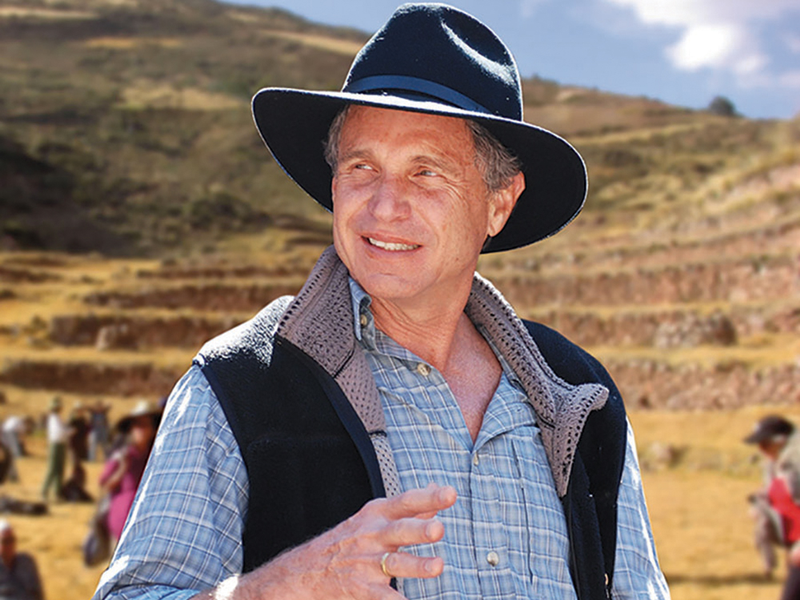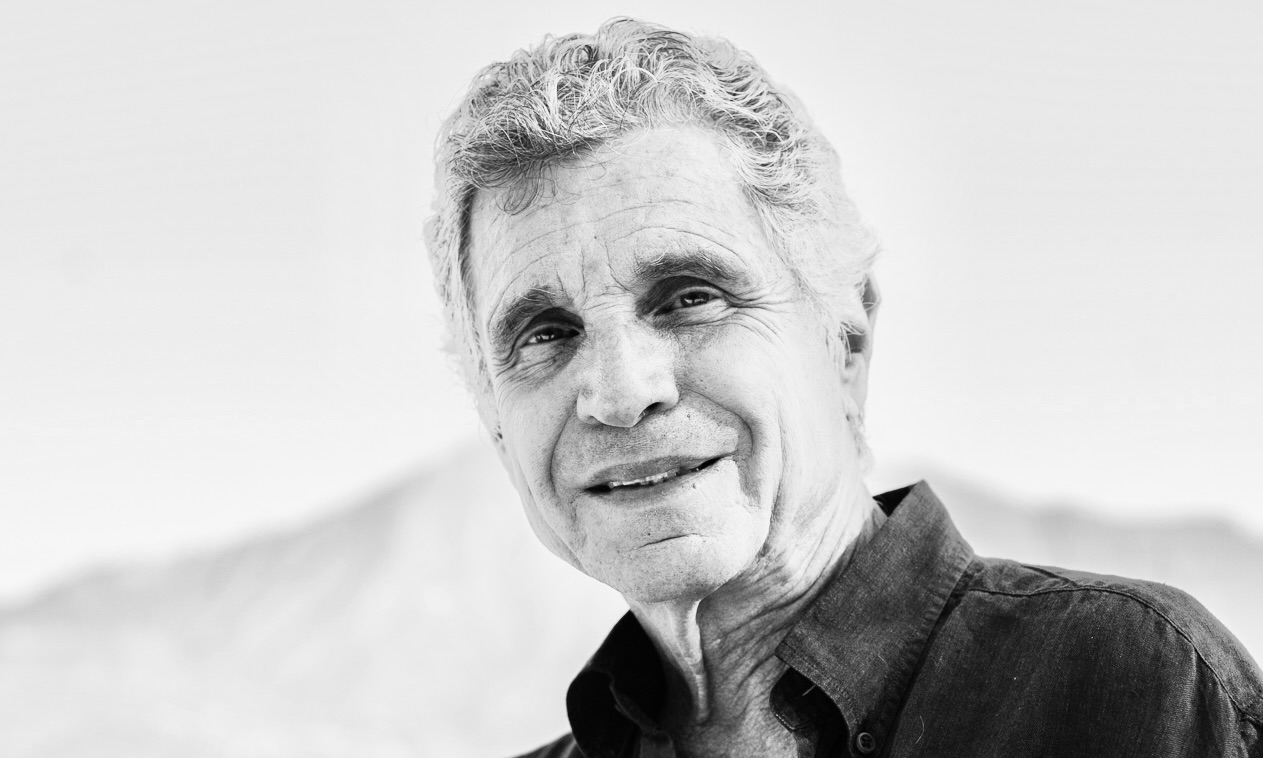

Alberto Villoldo's path from medical anthropology to shamanic practice represents one of the more striking career transformations in the field of alternative healing. Born in Cuba and trained in psychology and medical anthropology at San Francisco State University, Villoldo appeared destined for a conventional academic career. Yet in the late 1970s, he made a decision that would define the next several decades of his work: he left laboratory research behind and traveled to Peru to apprentice directly with indigenous shamans in remote villages perched above 14,000 feet in the Andes mountains.
This wasn't a spiritual sabbatical or brief fieldwork expedition. Villoldo committed more than thirty years to studying and practicing the healing traditions of both the Andean highlands and the Amazon rainforest, learning directly from Quechua and Shipibo curanderos. The transition from observer to participant, from academic to practitioner, became the foundation of everything that followed.
What distinguishes Villoldo's approach from other shamanic practitioners is his persistent effort to bridge two worlds that rarely meet on equal terms. His work sits deliberately at the intersection of indigenous healing practice and contemporary neuroscience, refusing to privilege one knowledge system over the other. Rather than presenting shamanic techniques as purely spiritual or energetic phenomena divorced from biology, he synthesizes them with current research in nutrition, brain science, and cellular biology.
This methodology—what he calls energy medicine—draws heavily on the chakra-based healing maps of his Andean and Amazonian teachers while simultaneously engaging with Western clinical frameworks. The practices he teaches include soul retrieval, extraction healing, and illumination processes, technical procedures traditionally used to address both physical illness and psychological trauma. Villoldo has worked to preserve the ritual structure of these original practices even as he translates them into formats accessible to Western practitioners who lack the cultural context in which they developed.
Villoldo has authored several books that detail the cosmology and healing techniques he learned during his apprenticeship. Shaman, Healer, Sage, published in 2000, introduced many Western readers to the practical mechanics of Andean and Amazonian healing work. The Four Insights, released in 2006, expanded on these teachings, while One Spirit Medicine (2015) represented his most integrated attempt to synthesize shamanic practice with nutritional and neurobiological interventions.
These books do more than describe shamanic worldviews—they provide systematic instruction in specific techniques. Villoldo writes with the precision of someone trained in academic research but with the authority of someone who has performed these practices thousands of times. His prose avoids both the clinical detachment of anthropological observation and the breathless enthusiasm common in New Age literature, landing instead in a register that treats shamanic procedures as serious therapeutic technology worthy of careful study.
In 1984, Villoldo founded the Four Winds Society, an organization dedicated to training and certifying practitioners in energy medicine and shamanic healing. This institution has become his primary vehicle for transmitting the knowledge he acquired from his indigenous teachers, creating a lineage of Western practitioners who carry these techniques into clinical and therapeutic contexts far from their geographic origins.
Villoldo's work has found an audience during a period of deep skepticism about purely pharmaceutical and psychiatric approaches to healing, particularly for trauma and chronic illness. His emphasis on energy systems, ritual, and the integration of mind-body-spirit speaks to people who feel failed by conventional medicine but remain wary of approaches that abandon scientific rigor entirely.
He reaches a specific demographic: educated, predominantly Western seekers who want ancient wisdom but also want explanations that don't require them to abandon rational frameworks entirely. His integration of neuroscience with shamanic practice provides intellectual scaffolding for people who might otherwise dismiss such work as superstition.
Whether this synthesis represents genuine innovation or a dilution of indigenous practice remains a matter of ongoing debate. Critics might argue that extracting shamanic techniques from their cultural and cosmological context inevitably transforms them into something else entirely—a kind of spiritual technology divorced from the worldview that gave them meaning. Others see Villoldo as a crucial bridge, someone who can translate between epistemologies without entirely collapsing the distance between them.
More than forty years after leaving his laboratory work, Alberto Villoldo continues to teach, write, and practice at the margins between indigenous knowledge and Western science. His legacy is still being written, but his influence is already visible in the growing number of energy medicine practitioners, the normalization of shamanic vocabulary in wellness culture, and the increasing acceptance of somatic and energetic approaches to trauma treatment.
He represents a particular kind of cultural translator—someone willing to abandon professional security to pursue knowledge on its own terms, then spend decades making that knowledge legible to those who didn't make the same journey. Whether that translation preserves or transforms what he learned in those high mountain villages remains an open question, but the seriousness of the attempt is undeniable.