



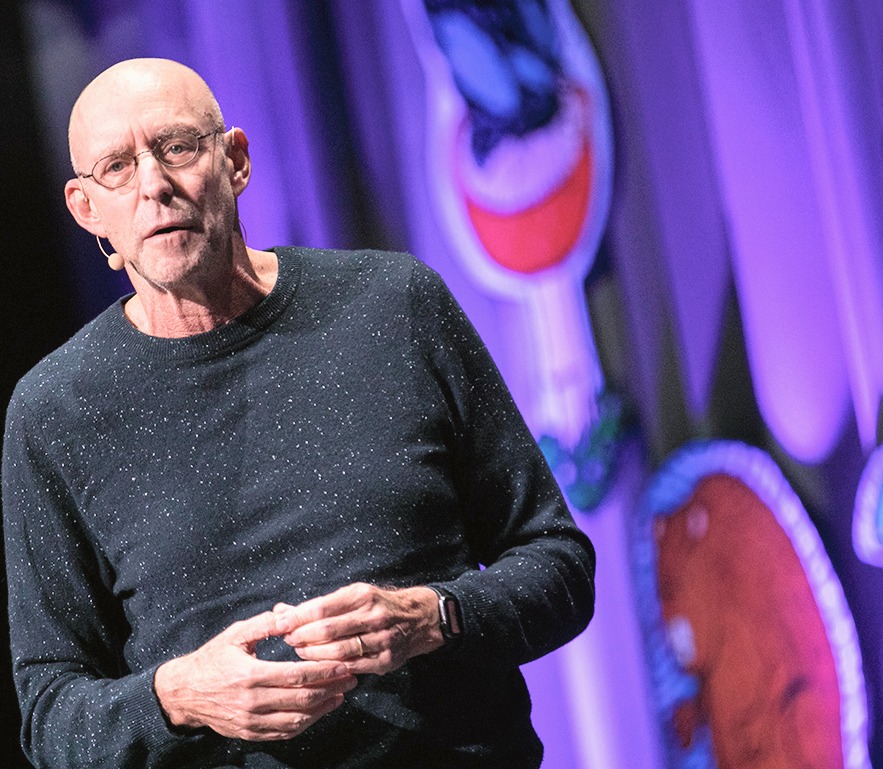

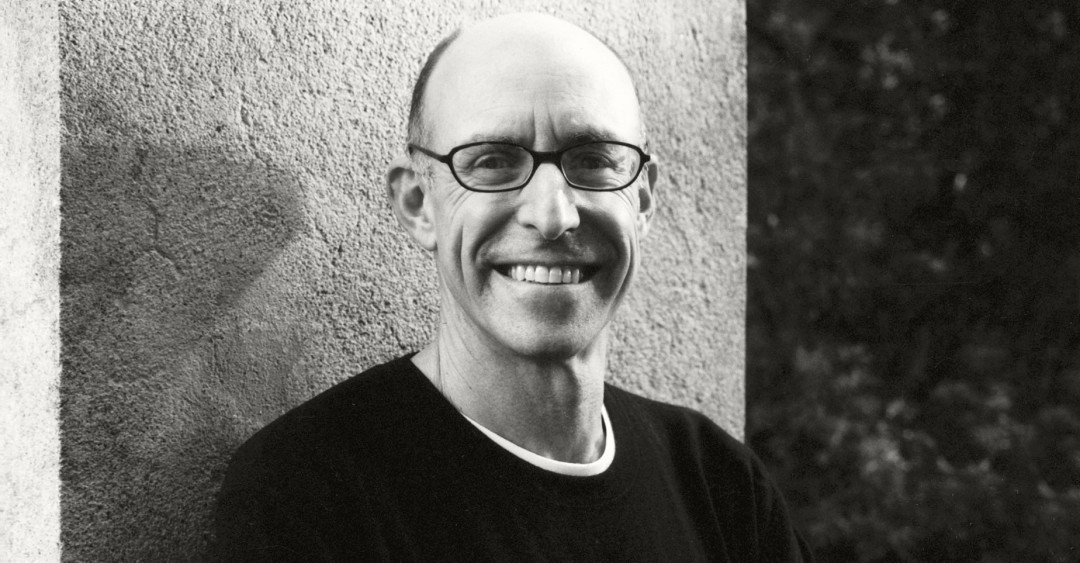
MP

Michael Pollan
Writer · Long Island, New York, United States
Acerca de
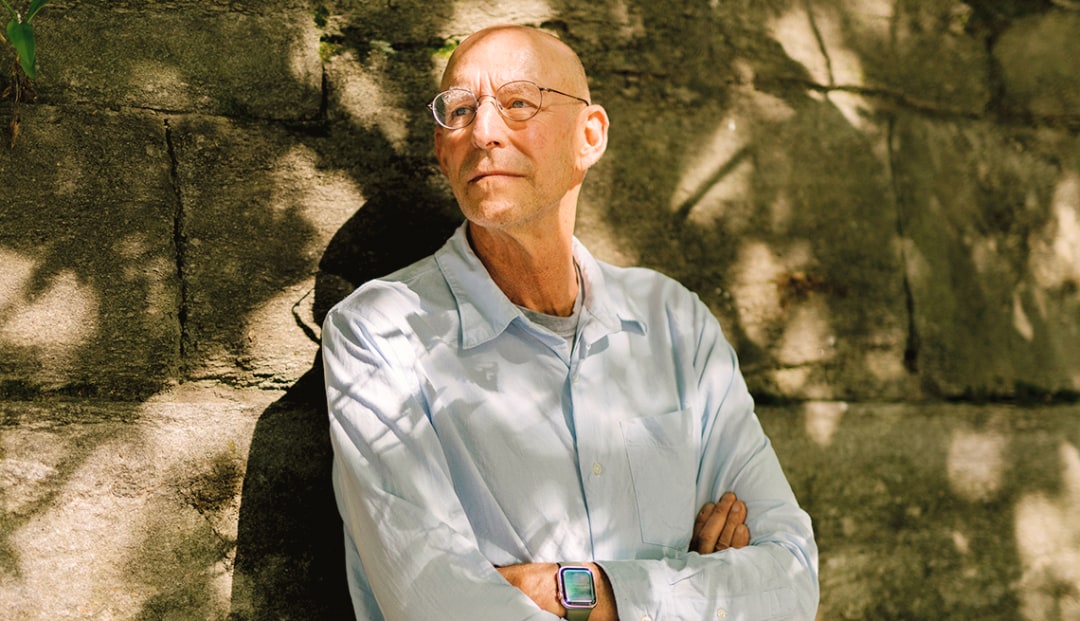
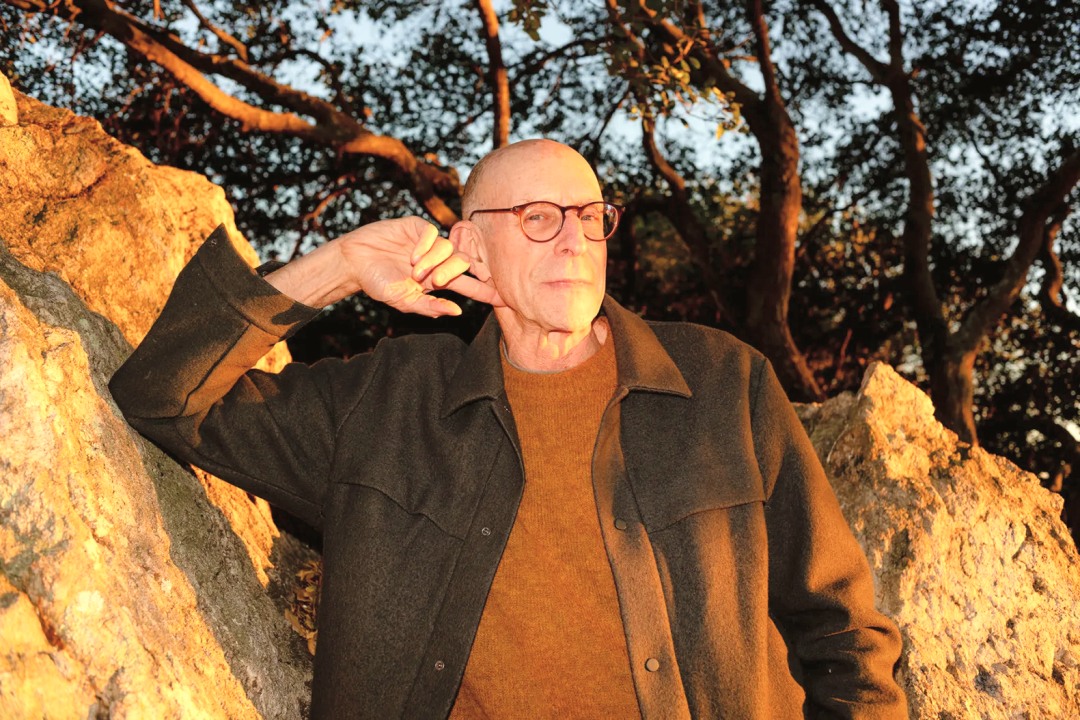
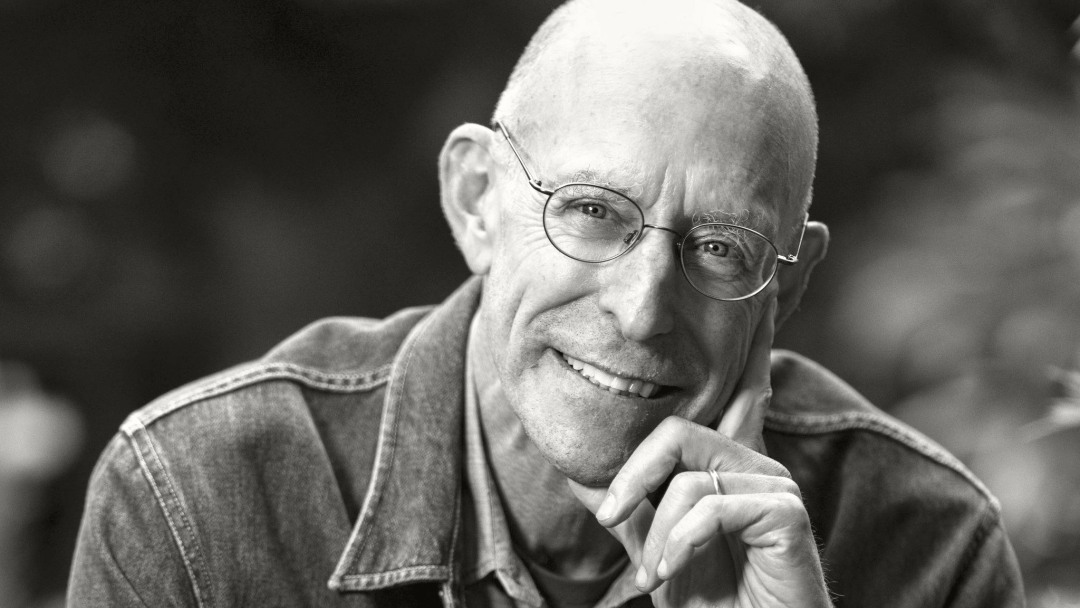
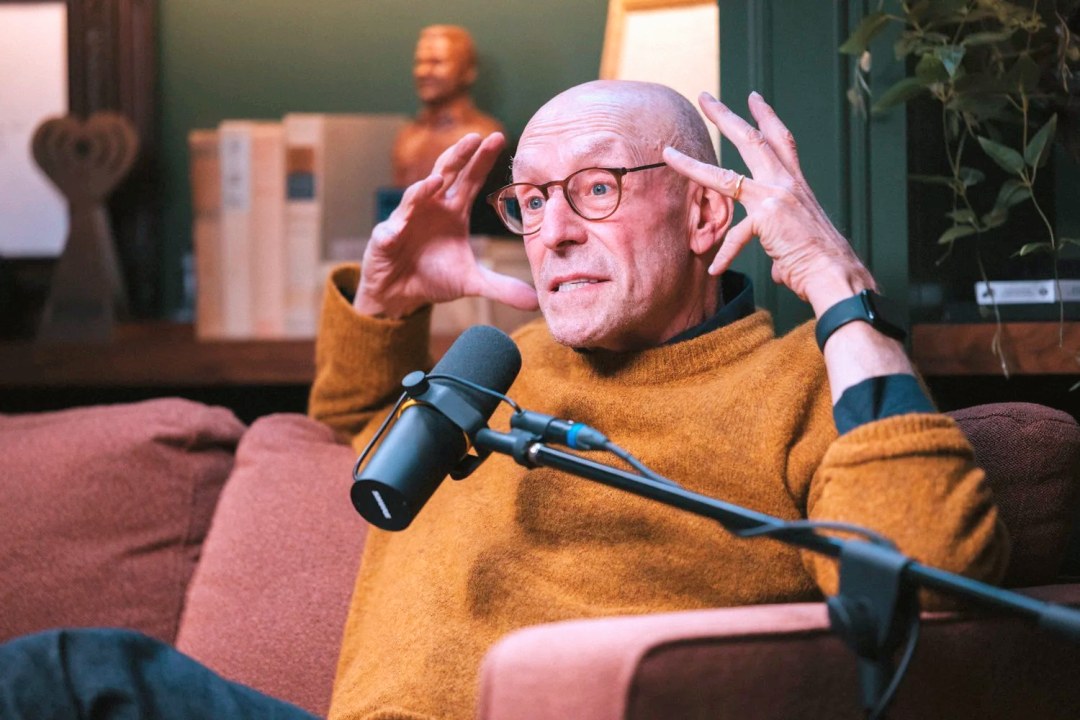
Michael Pollan was born on February 6, 1955, in Long Island, New York. He grew up in a family that valued education and intellectual discourse, which shaped his early interests in literature and the natural world. Pollan attended Bennington College, where he studied English, and later earned a master's degree in English from Columbia University. His formative years were marked by a deep curiosity about food, nature, and the relationship between humans and the environment, which would later become central themes in his work.
Michael Pollan was born on February 6, 1955, in Long Island, New York. He grew up in a family that valued education and intellectual discourse, which shaped his early interests in literature and the natural world. Pollan attended Bennington College, where he studied English, and later earned a master's degree in English from Columbia University. His formative years were marked by a deep curiosity about food, nature, and the relationship between humans and the environment, which would later become central themes in his work.
Pollan is best known for his writings on food, agriculture, and the environment, with notable books such as "The Omnivore's Dilemma," "In Defense of Food," and "How to Change Your Mind." His work often explores the complexities of food systems and the cultural significance of what we eat. Pollan's approach combines rigorous research with a narrative style that engages readers, making complex subjects accessible. He has also taught at the University of California, Berkeley, where he has influenced a generation of students with his insights into food politics and sustainable agriculture.
Pollan's influences are diverse, drawing from a range of disciplines including journalism, philosophy, and environmental science. He has been inspired by thinkers such as Wendell Berry and Alice Waters, who advocate for sustainable practices and a deeper connection to the land. Pollan's lineage in the literary tradition is evident in his narrative style, which reflects a blend of personal experience and scholarly research. His work is also informed by the growing movement towards organic farming and local food systems, which seek to challenge industrial agriculture's dominance.
Today, Michael Pollan's importance lies in his ability to provoke critical conversations about food and its impact on health, society, and the environment. As issues of climate change and food security become increasingly urgent, Pollan's insights encourage individuals to reconsider their relationship with food and the choices they make. His advocacy for mindful eating and sustainable practices resonates with a wide audience, making him a pivotal figure in the contemporary discourse on food and agriculture.
Lineage & Inspiration
Spiritual Influences
The teachers, lineages, and practices that shape Michael Pollan's path.

Aldous Huxley
Writer, Mystic, Psychedelic Pioneer
Author of The Doors of Perception; profoundly shaped Pollan's psychedelic framework and modern consciousness exploration
Ram Dass
Spiritual Teacher, Hindu Guru
Former Harvard psychologist turned spiritual teacher; pioneer of Eastern spirituality and psychedelic consciousness in the West

Timothy Leary
Psychologist, Psychedelic Advocate
Harvard psychologist and controversial psychedelic guru; Pollan critically examines his legacy throughout How to Change Your Mind

Terence McKenna
Ethnobotanist, Psychedelic Philosopher
Influential psychedelic philosopher and ethnobotanist whose theories Pollan engages with critically in his work
Worth Knowing
Questions
Michael Pollan is an investigative writer and food journalist whose work has fundamentally reshaped how millions of people think about eating, agriculture, and environmental ethics. Born on Long Island in 1955, Pollan combines rigorous research with deeply readable narrative prose to expose the hidden mechanics of industrial food systems and their consequences for human health and planetary survival. His influence extends far beyond publishing—he has taught at UC Berkeley as a professor, shaping generations of students' understanding of food politics and sustainable agriculture. What distinguishes Pollan from other food writers is his refusal to offer easy answers; instead, he traces food from farm to table, interrogating every assumption along the way. His work matters because it asks readers to confront not just what they eat, but the entire industrial apparatus that delivers it to them—and to consider whether there are better ways to feed ourselves and the earth.
Pollan's intellectual lineage draws from the agrarian and environmental philosophy of thinkers like Wendell Berry and the food activism of Alice Waters, who both advocated for sustainable practices and a reconnection to the land as antidotes to industrial agriculture. His approach also sits within the American tradition of narrative journalism and literary nonfiction—the strand that includes John McPhee and Rachel Carson—writers who make complex scientific and ecological subjects accessible through immersive storytelling. Pollan's work is deeply informed by philosophy and environmental science, disciplines he weaves together to examine our relationship with nature not as a separate realm but as something inextricable from what we consume. He belongs to the contemporary sustainable agriculture movement, which challenges the dominance of industrial food production and advocates for organic farming, local food systems, and mindful eating as both ethical and practical responses to climate change. His educational background in English literature (Bennington College, Columbia University) surfaces in his prose style—analytical yet intimate, scholarly yet readable.
"The Omnivore's Dilemma" is the canonical entry point—a groundbreaking investigation that follows four meals from their origins to the American dinner plate, exposing the economic and environmental logic behind industrial corn production, organic farming, and hunter-gatherer food sourcing. The book's brilliance is that it reads like a detective story rather than a polemic; Pollan makes the hidden machinery of food systems visible without lecturing. For those seeking a quicker introduction, "In Defense of Food" distills his philosophy into a more compact argument about how to eat well in a culture obsessed with nutrition science and industrial processed food. "How to Change Your Mind," his later book exploring psychedelic substances, represents an evolution in his thinking but may be better approached after understanding his foundational work on food systems. A newcomer should expect Pollan's signature approach: meticulous research, personal narrative woven through investigative reporting, and a willingness to sit with uncomfortable truths about agriculture, consumption, and environmental impact rather than offering false comfort.
While many writers address food ethics or nutrition, Pollan uniquely positions himself as a systems investigator rather than a lifestyle guide or wellness guru—he traces causality backward from the plate, through supply chains, agricultural subsidies, and ecological consequences rather than forward into meal-planning and recipes. His prose is conspicuously intelligent and often wry; he writes for readers who want complexity, not comfort, and his willingness to complicate his own positions (he's not a doctrinaire vegetarian or locavore) sets him apart from more dogmatic food advocates. Pollan's background in literary narrative gives him an edge over pure journalists—his books read as page-turners while maintaining scholarly rigor, making dense agricultural policy and ecological science genuinely compelling. He also moved beyond food into consciousness studies with work exploring psychedelics, demonstrating intellectual range and a refusal to be confined to a single subject. Finally, his academic appointment at UC Berkeley legitimizes his work within institutional spaces while his popular reach ensures his ideas reach ordinary readers; few food writers hold both positions with equal authority.
Readers seeking quick dietary fixes, meal plans, or reassurance that their current eating habits are fine will find Pollan's work frustrating rather than helpful—he is fundamentally interested in implicating the reader, not absolving them. Those invested in believing industrial agriculture is solving world hunger efficiently will encounter sustained, evidence-based challenges to that narrative; Pollan's work is critical of agribusiness, not neutral about it. People looking for spiritual transformation or wellness rhetoric should understand that Pollan is a skeptical empiricist, not a new-age writer—he may explore unconventional subjects, but always with journalistic rigor and intellectual doubt. His books demand sustained attention and willingness to follow complex arguments through hundreds of pages; readers accustomed to blog posts and TED talks will find his density challenging rather than accessible. Additionally, those with strong ideological commitments to either industrial farming's efficiency arguments or purist locavore philosophy may experience Pollan's nuanced, evidence-driven approach as evasive rather than clarifying—he resists simple sides.
"The Omnivore's Dilemma" (2006) remains his masterwork and the foundation for understanding his entire body of thought—a four-part investigation that fundamentally changed public discourse about food systems, industrial agriculture, and consumer responsibility. "In Defense of Food" (2008) functions as both a companion and a consolidation, distilling his philosophy into the famous directive: eat food, not too much, mostly plants—a deceptively simple mantra grounded in his detailed critique of nutritionism and processed food culture. "The Botany of Desire" (2001) predates his food-system work but introduced his signature method: following a plant (or in this case, four plants) through human history to understand what nature and culture reveal about each other. "How to Change Your Mind" (2018) represents a significant expansion of his intellectual reach into consciousness studies and psychedelics, bringing the same investigative rigor he applied to food to understanding altered states and therapeutic potential. Together, these books demonstrate Pollan's evolution from documenting food systems to exploring human consciousness itself—each builds on his commitment to rigorous research, narrative clarity, and the conviction that understanding what we consume (food, ideas, substances) is essential to understanding ourselves.
Michael Pollan's work has been extensively reviewed and discussed in publications like The New York Times, The Guardian, and Wired, where his investigations and ideas consistently generate serious critical and cultural attention. His books have achieved rare crossover success—"The Omnivore's Dilemma" in particular became a genuine bestseller that shaped dinner-table conversations and influenced food policy discussions at institutional levels. He has been profiled as a major contemporary thinker in American letters, recognized for bringing literary sophistication to subjects (food systems, agriculture, consciousness) that mainstream media often treats with either sensationalism or neglect. His teaching position at UC Berkeley's Graduate School of Journalism and his status as a public intellectual have led to speaking invitations at major universities, environmental organizations, and cultural institutions, cementing his role as one of the most influential writers addressing food and its relationship to ecology. The sustained cultural impact of "The Omnivore's Dilemma" alone—influencing everything from school lunch policy conversations to the growth of farmers' markets and organic farming movements—testifies to his significance as a shaper of contemporary food consciousness.
Michael Pollan maintains an official website at michaelpollan.com, which serves as the primary hub for updates on his recent publications, upcoming talks, and essays. His books remain continuously in print and available through standard booksellers (physical, Kindle, and audiobook formats), making his entire body of work accessible whether someone is starting with "The Omnivore's Dilemma" or catching up with his more recent explorations. Major interviews and appearances tend to be covered by significant publications including The New York Times, NPR, and literary journals, so following cultural media outlets and book review sections will surface new conversations featuring Pollan's ideas. Academic audiences can track his work through UC Berkeley's journalism school, where he teaches and often appears in public events and lectures. For those preferring to hear Pollan's voice directly, audiobook versions of his work are widely available, and podcast appearances remain a consistent venue for his ideas—particularly when he discusses food systems, agriculture, or consciousness studies.
At the heart of Pollan's entire body of work sits a conviction that understanding what we consume—whether food, ideas, or consciousness-altering substances—reveals something fundamental about who we are and how we live. He is fundamentally suspicious of systems (industrial agriculture, nutrition science, pharmaceutical approaches to consciousness) that reduce complex phenomena to single variables or metrics, preferring instead to trace relationships, consequences, and hidden costs. Pollan's signature move is to follow something (a food product, a plant, a concept) backward or outward to reveal the architecture of power and economics behind it—the industrial subsidies underwriting cheap corn, the agribusiness lobbying obscuring agricultural realities, the ways consumer choices are shaped by interests often invisible to the consumer. He advocates for what might be called ecological literacy: understanding the systems that sustain us so we can make choices aligned with health (personal and planetary) rather than merely convenience or marketing. His philosophy resists easy answers and false comfort; instead, it asks readers to develop critical consciousness about consumption and to understand that food, agriculture, and environmental ethics are inseparable from questions of justice, power, and how we want to live.
Pollan is neither a romantic idealist nor an agribusiness apologist when discussing organic farming and sustainable agriculture—instead, he uses careful investigation to examine both the genuine benefits and the limitations of organic systems. In "The Omnivore's Dilemma," he explores a large-scale organic farm and finds both innovations worth celebrating and problems that suggest organic certification alone doesn't guarantee environmental sustainability or social justice. His position is that while industrial agriculture's dependence on synthetic fertilizers, pesticides, and monoculture represents a fundamentally flawed system, the solution isn't simply to rebrand that same system as "organic" without addressing underlying structural issues. Pollan champions localized, diversified food systems and regenerative agriculture practices that work with ecological principles rather than against them, though he acknowledges the economic challenges of scaling such approaches. He emphasizes that individual consumer choices matter, but that real change requires policy intervention, subsidy reform, and a willingness to challenge the agricultural-industrial complex itself—a more demanding vision than simply shopping at farmers' markets.


¿Eres tú? Reclamar esta página ›
Continue your journey
There's more where this came from.
BrightStar is the global directory of artists, teachers, and healers in the wellness and spiritual movement. Find your next experience — or add yourself.
Discover More Artists
Browse 14,000+ curated profiles across kirtan, yoga, meditation, and beyond.
Explore directory →Find an Event Near You
Kirtan, retreats, sound baths, breathwork, ceremonies — happening this week.
Browse events →Add Your Profile
Are you an artist, teacher, or healer? Get listed — free, AI-assisted, live in minutes.
Get started →