Escuchar
Ancient Songs
Sacred Chants
Discography


Kirtan Singer · yogi · spiritual teacher · California, United States
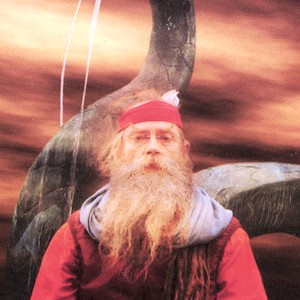
Bhagavan Das is a kirtan singer, yogi, and spiritual teacher whose life spans six decades of devotional practice rooted in the sadhu tradition of India. Born in California, he is known for his early pilgrimage to India in 1963 at age eighteen and for becoming the first American to live as a hermit-sadhu in the Himalayan jungle, a biographical fact that has anchored his identity in both countercultural and dharmic lineages.
Bhagavan Das is a kirtan singer, yogi, and spiritual teacher whose life spans six decades of devotional practice rooted in the sadhu tradition of India. Born in California, he is known for his early pilgrimage to India in 1963 at age eighteen and for becoming the first American to live as a hermit-sadhu in the Himalayan jungle, a biographical fact that has anchored his identity in both countercultural and dharmic lineages.
His work centers on kirtan—call-and-response chanting drawn from Hindu devotional music—and mantra repetition as vehicles for meditation and spiritual transformation. Unlike many Western kirtan artists who arrived through yoga studios or ashram networks, Bhagavan Das entered the tradition through immersion in the ascetic lifestyle of India's wandering sadhus, bringing a raw, unpolished intensity to his chanting that distinguishes him from more performance-oriented peers. His approach privileges direct transmission over spectacle, and his sessions often function as extended meditation practices rather than concerts.
He is a recording artist whose catalog includes devotional albums that combine traditional Sanskrit mantras with Western instrumentation. He has also authored writings on spiritual practice, though his teaching has always emphasized oral transmission and lived experience over text. His influence extends through private mentorship, retreats, and events where he leads participants in yoga, mantra practice, and the disciplines he learned during his years in India.
Bhagavan Das's journey began in 1963 when he left California and traveled overland through Europe, Northern Africa, and the Middle East before reaching India. That pilgrimage marked the beginning of a lifelong immersion in yogic and devotional practice. His years as a hermit in the Himalayas established him as a bridge figure between the American counterculture and traditional Indian spiritual disciplines, and his story became part of the lore surrounding the wave of Westerners who sought enlightenment in South Asia during the 1960s and 1970s.
He has been profiled in publications covering spirituality and the global yoga movement, and his work has influenced generations of practitioners interested in mantra, kirtan, and meditation. His reach has extended through workshops, recordings, and word-of-mouth transmission within yoga and spiritual communities in North America and beyond. He has taught students across continents and continues to mentor practitioners who seek direct, lineage-based instruction.
Today, Bhagavan Das collaborates closely with Amulya Maa, his wife and creative partner. Together they produce devotional music and lead spiritual practice, blending their voices and approaches in ongoing retreats and events. Their partnership represents a continuation of the householder-yogi tradition, integrating devotion, daily practice, and teaching within a shared life.
For someone discovering Bhagavan Das now, his work offers an entry point into the sadhu tradition and kirtan practice shaped by direct experience in India, delivered without intermediary frameworks or commercial polish.
Ancient Songs
Discography
Worth Knowing
Bhagavan Das is a spiritual teacher, kirtan singer, and yogi born in Laguna Beach, California in 1945 who became the first American to live as a hermit-sadhu in the Himalayan jungle. At eighteen, he left California and spent years journeying through Europe, Northern Africa, the Middle East, and eventually India, Nepal, and Sri Lanka—a radical spiritual apprenticeship that distinguished him from most Western spiritual seekers of his era. What draws people to his work is not celebrity or marketing, but the credibility of lived practice: six years of renunciate training in one of the world's most demanding traditions, followed by decades of sustained devotional music and mentorship. His recordings—spanning albums like *Ah: 30th Anniversary*, *Sound Beyond Time*, and *Mother Light*—offer kirtan and mantra performed with the restraint and depth that comes from genuine sadhana rather than aesthetic ambition. He continues to offer yoga mentorship, private retreats, and devotional music collaborations with Amulya Maa, grounding his teaching in actual transmission rather than ideology.
Bhagavan Das practices bhakti yoga, the path of devotion within Hindu and broader Vedantic traditions, centered on mantra repetition, kirtan singing, and surrender to the divine through love and service rather than intellectual study alone. His decision to live as a sadhu—a renunciate hermit—in the Himalayan jungle places him within the ancient South Asian monastic lineages that emphasize direct experience over textual authority, a choice that carries weight in the Hindu philosophical world where lived austerity authenticates teaching. Bhakti yoga, his chosen modality, has roots in medieval devotional movements across India and has produced some of the most revered saints in the Hindu canon, though it remains less commodified in Western spiritual markets than kundalini or mindfulness meditation. His collaborations with Amulya Maa suggest partnership within a devotional household model, where spiritual practice is shared between partners rather than pursued in isolation. The specificity of his sadhana—not generic "spirituality" but the actual disciplines of mantra, yoga posture, and renunciate practice—grounds his teaching in tradition rather than invention.
Start with *Sound Beyond Time (3-CD Collection)* from 2012, which functions as a retrospective survey of his kirtan work across decades and gives listeners a comprehensive sense of his range—the breadth of mantras, his voice, and the devotional aesthetic that defines his practice. If you prefer a single album entry point, *Mother Light* (2014) is a more recent distillation that shows how his voice and approach have matured, offering eight tracks of focused devotional singing rather than the sprawling scope of the three-CD set. For those drawn to his earlier work, *Ah: 30th Anniversary (Enhanced Edition)* (2002) marks a significant recording moment and contains material reaching back decades, grounding you in the foundation of his artistic practice. His website at bhagavandasmusic.com and YouTube channel (UCcDTeISX8Cnw-n6I6xEReMw) offer both recorded kirtan and visual context for understanding how he approaches teaching and practice. The key is to listen without expecting high production values or contemporary sound design—his recordings prioritize the clarity of mantra and voice over instrumental elaboration, which is either immediately transparent to a listener or it isn't.
Most Western kirtan singers arrived at the practice through yoga studios, music training, or spiritual tourism; Bhagavan Das lived as a hermit-sadhu for six years in the Himalayan wilderness starting in 1963, making him not a student of the tradition but a practitioner within it during a period when almost no Western seekers had chosen renunciate life. His voice carries the quality of someone singing mantras that have been lived—not performed—which listeners often describe as a difference between devotion as aesthetic choice and devotion as existential commitment. While many contemporary kirtan artists blend Sanskrit with world music production, layered vocals, and instrumentation designed for concert consumption, Bhagavan Das's recordings (particularly *Love Songs To The Dark Lord*, *The Howler at Dawn*, and *Golden Voice*) maintain a more austere approach: the mantra, the voice, minimal harmonic embellishment. His collaborations with Amulya Maa as a spiritual partner also distinguish his work from the solo kirtan-artist model; their shared practice creates a different relational texture in the music. What separates him is not novelty or innovation but authenticity rooted in actual years of practice in the source tradition, which creates a listening experience that either resonates deeply with practitioners or feels too bare and unmarketable for audiences seeking emotional uplift through music.
His music is not for listeners seeking high-production kirtan with lush orchestration, layered vocals, or world-music eclecticism—his aesthetic is restraint and austerity, which can feel sparse or underdeveloped to ears trained on contemporary devotional world music. Those drawn to spiritual teaching through charisma, personality, or dynamic performance presence may find him less immediately engaging than teachers who emphasize storytelling or emotional accessibility; his teaching style appears rooted in transmission through practice rather than oratory. If you approach yoga and mantra as wellness practices rather than spiritual disciplines, the renunciate quality of his work—its rootedness in actual renunciation and ascetic practice—may feel anachronistic or overly serious. Listeners expecting his albums to function as meditation soundtracks or gentle yoga background music will be disappointed; his kirtan albums are recordings of devotional singing, not ambient compositions designed to facilitate relaxation. His work also assumes or cultivates a particular kind of listener: someone willing to sit with Sanskrit, repetition, and the slow accumulation of mantra practice rather than seeking immediate emotional catharsis or musical novelty. For casual spiritual consumers, this is likely too demanding; for practitioners of bhakti yoga or those seriously engaged with sadhana, it offers exactly what they're looking for.
All of Bhagavan Das's albums are available on Spotify, where he has a catalog spanning from *Ah: 30th Anniversary (Enhanced Edition)* (2002) through *Mother Light* (2014), accessible via his artist profile at spotify.com/artist/5E8de54TFXkGwZZAdzmWuq. His YouTube channel (UCcDTeISX8Cnw-n6I6xEReMw) hosts video recordings and performances that provide both audio access and visual context for his kirtan practice. For those seeking more direct support or physical formats, his website at bhagavandasmusic.com is the primary source for information about purchasing recordings, merchandise, or accessing his teaching offerings. The *Sound Beyond Time (3-CD Collection)* from 2012 and *Mother Light* from 2014 are the most recent comprehensive releases and are the logical starting points if you want to invest in his work beyond streaming. Apple Music is not listed as a current platform for his catalog, so Spotify remains the dominant streaming venue for most listeners, though his YouTube presence offers an alternative for those avoiding subscription services.
His kirtan is characterized by Sanskrit mantras sung in a clear, measured alto voice over minimal harmonic support—typically harmonium, occasional percussion, and spare instrumental accompaniment rather than the layered orchestration common in contemporary devotional music. The pacing is deliberate and meditative, built on mantra repetition and call-and-response patterns rooted in Indian classical devotional traditions rather than on song structure, verse-chorus forms, or dynamic arc designed for concert engagement. His voice itself carries the quality of someone singing from deep practice rather than performance technique; it is unadorned, often austere, with attention to the clarity of each syllable of Sanskrit rather than vocal display or ornamentation. Albums like *Elephant Power* (2008) and *Love Songs To The Dark Lord* (2008) showcase his range within this aesthetic—some tracks are intimate and spare, others incorporate fuller instrumentation, but all maintain the restraint and devotional focus that distinguishes his work from the more production-heavy world-music kirtan that dominates the yoga-studio market. The overall sonic world is closest to what you might hear in a Hindu ashram or temple rather than a world-music concert venue, which is either immediately recognizable as authentic practice or it sounds dated and minimalist depending on your reference point.
All of Bhagavan Das's albums function as recordings of kirtan practice rather than as curated playlists for specific modalities, so the distinction between devotional listening and meditation accompaniment is less clear with his work than with ambient or specifically composed yoga music. *Mother Light* (2014) offers eight focused tracks that create a cohesive meditative environment through repetition and mantra clarity, making it a natural choice for sustained practice or personal sadhana. *Sound Beyond Time (3-CD Collection)* (2012) spans enough material and variation that different tracks suit different contexts—some are shorter, more energetic devotional pieces, while others are extended mantra explorations suited to longer meditation. *The Howler at Dawn* (2009) carries a particular power for early-morning practice given its title and content, suggesting spiritual work at liminal hours when the veil between worlds is thinnest in yogic philosophy. For ceremonial or group kirtan settings, *Elephant Power* and *Love Songs To The Dark Lord* both contain material with the kind of accessible mantra repetition that allows listeners to participate rather than simply observe. The honest answer is that his work functions best when approached as devotional singing to be absorbed rather than as functional music designed to facilitate a specific yoga technique or meditative state.
His Wikipedia entry as a yogi confirms some level of cultural recognition, and his Spotify following of nearly 57,000 listeners indicates sustained engagement within devotional music and spiritual communities, though he operates outside the celebrity-teacher economy or mainstream music media. Given that no major press mentions are currently documented in the available data, his recognition appears grounded in direct practice communities—people actively studying yoga, bhakti practice, and devotional music—rather than through viral content or popular-culture crossover. His longevity as a recording artist—releasing albums consistently from 2002 through 2014, with earlier work documented in compilation form—suggests recognition within the small but dedicated market of serious kirtan and yoga students rather than broader cultural attention. The fact that he continues to offer private retreats and yoga mentorship indicates that his authority and recognition come from students and practitioners who have studied with him directly or who have encountered his work through word-of-mouth within spiritual circles. This is actually a marker of authenticity in bhakti traditions: teachers and artists who cultivate a large public platform are often viewed with suspicion, while those who maintain steady practice and smaller circles of serious students are considered more trustworthy.
Amulya Maa is Bhagavan Das's spiritual partner and wife, and together they create devotional music and lead spiritual practice as a collaborative unit rather than as separate teachers or artists. This partnership model reflects a particular strand of bhakti tradition where spiritual practice is deepened through relationship and shared devotion rather than pursued in isolation, contrasting with the renunciate hermit model he practiced in the Himalayan jungle earlier in his life. Their collaborations appear throughout his discography, where the duo creates kirtan and devotional work that carries the quality of a shared spiritual practice performed rather than a solo artist's composition. The move from sadhu solitude to partnered spiritual work represents a legitimate progression within yogic philosophy—from renunciation as negation to renunciation as simplification, where the singular focus becomes devotional intimacy with one's guru or partner rather than with isolation itself. Listeners encountering Bhagavan Das's more recent work (particularly *Mother Light* and the collaborative recordings with Amulya Maa) encounter a different modality than if they were listening to a solitary ascetic's recordings—the presence of another voice, another commitment, another person's practice shapes the relational texture of the music. This partnership also signals that his teaching has evolved from desert-island renunciation toward a model of spiritual mentorship that includes household, relationship, and the complexities of shared sadhana.
¿Eres tú? Reclamar esta página ›
Continue your journey
BrightStar is the global directory of artists, teachers, and healers in the wellness and spiritual movement. Find your next experience — or add yourself.
Browse 14,000+ curated profiles across kirtan, yoga, meditation, and beyond.
Explore directory →Kirtan, retreats, sound baths, breathwork, ceremonies — happening this week.
Browse events →Are you an artist, teacher, or healer? Get listed — free, AI-assisted, live in minutes.
Get started →