
Finding Spiritual Center in a Morally Complex World
In our journey toward conscious living and spiritual awakening, we often encounter a fundamental challenge: How do we maintain inner peace and moral clarity when the world around us seems chaotic, morally ambiguous, and increasingly complex? This question becomes particularly pressing when we witness global conflicts, political upheaval, and societal divisions that test our commitment to compassion and conscious living.
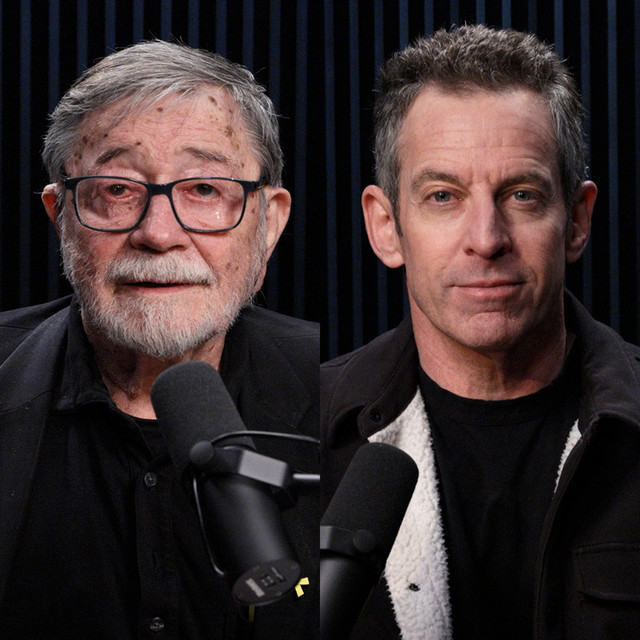
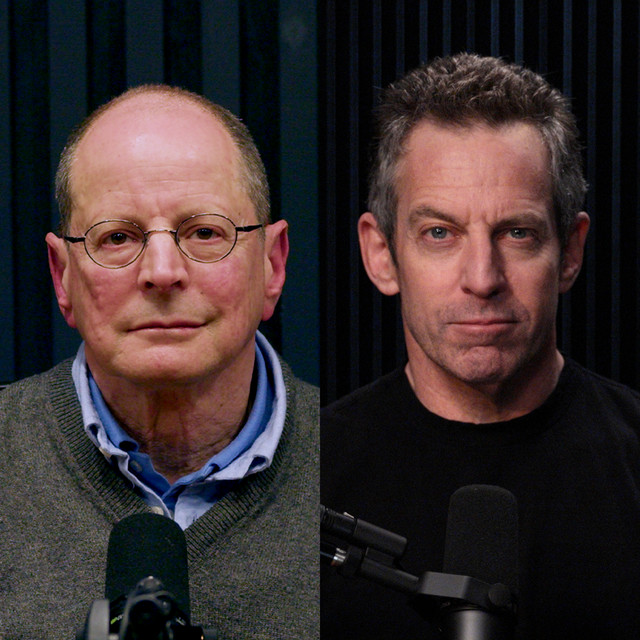
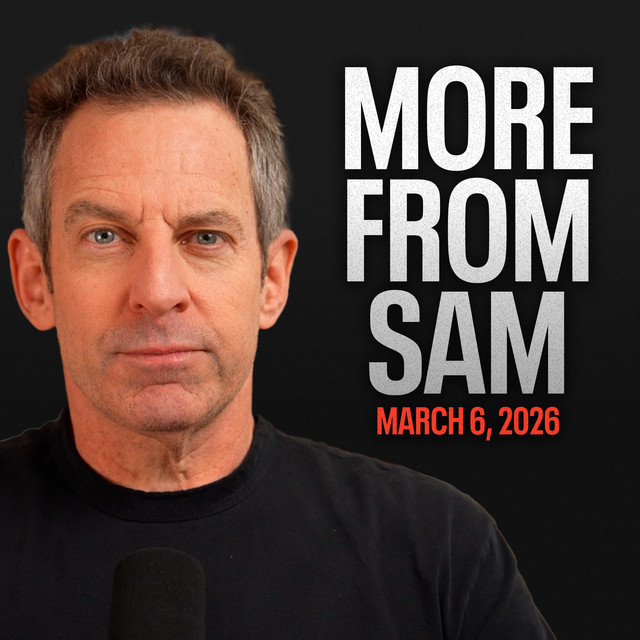
Sam Harris's recent podcast episode offers a compelling entry point into this exploration, as he discusses the moral complexities surrounding U.S.-Iran relations, cultural divisions, and the challenges of navigating modern political discourse. While his focus is geopolitical, the underlying questions he raises about moral clarity, decision-making under uncertainty, and maintaining principles in difficult times are deeply relevant to our spiritual journey.
The Spiritual Challenge of Moral Complexity
When Harris reflects on decades of Iranian regime actions, stating that "at any point since 1979, it would have been a good thing to unseat the regime in Iran," he's grappling with a profound moral question that extends beyond politics into the realm of ethical living. How do we balance the principle of non-violence with the recognition that sometimes action is necessary to prevent greater suffering?
"This is an engine of terrorism and just awfulness for the world, right? For open societies everywhere, and to say nothing of the immiseration of the Iranian people."
This statement reveals a key spiritual teaching: our awakening must include the capacity to witness suffering clearly, without turning away or becoming overwhelmed. The Buddhist concept of "right action" doesn't always mean passive acceptance; sometimes it requires difficult decisions and uncomfortable truths.
Developing Discernment in Information Overload
In our hyperconnected world, we're bombarded with information about global conflicts, political controversies, and social issues. The spiritual practice here isn't to disconnect entirely but to develop what Buddhist teachings call "right mindfulness" – the ability to observe without becoming consumed, to care without becoming attached to outcomes we cannot control.
Practical Steps for Conscious Engagement
1. Create Sacred Boundaries: Establish specific times for consuming news and political content, preventing it from overwhelming your daily spiritual practice.
2. Practice Discernment: Before engaging with complex political topics, ground yourself through meditation or breathwork to maintain clarity and emotional balance.
3. Seek Understanding Over Agreement: Approach different perspectives with curiosity rather than judgment, recognizing that truth often exists in the tension between opposing viewpoints.
The Wisdom of Historical Perspective
Harris's long-term view of Iranian-American relations – spanning from 1979 to the present – offers a valuable lesson in spiritual perspective. When we're caught in the immediacy of current events, we lose sight of larger patterns and cycles. This historical consciousness is essential for spiritual growth because it helps us recognize that:
- Current crises are part of larger historical patterns
- Our individual actions matter within these broader contexts
- Spiritual principles remain constant even as political circumstances change
- Patience and long-term thinking are essential for effective action
Addressing Hopelessness Through Conscious Action
The podcast episode's mention of "navigating feelings of hopelessness and dread" touches on a crucial aspect of modern spiritual practice. In a world where we're constantly aware of suffering, injustice, and seemingly intractable problems, how do we maintain hope and continue growing spiritually?
The Antidote to Despair
The antidote to despair isn't denial or spiritual bypassing – it's conscious engagement guided by inner wisdom. This means:
Acknowledging Reality: We don't pretend problems don't exist or minimize their significance. As Harris notes about the Iranian regime's impact on "open societies everywhere," we must see clearly what is happening in our world.
Maintaining Inner Stability: Through practices like mindfulness meditation, we develop the capacity to witness difficulty without being destabilized by it.
Taking Aligned Action: We act from our values rather than our fears, choosing responses that align with our spiritual principles even when outcomes are uncertain.
The Dangers of Moral Relativism and Spiritual Bypassing
Harris's concern about "American amorality" raises important questions for conscious individuals. In our desire to be non-judgmental and accepting, we sometimes fall into moral relativism or spiritual bypassing – avoiding difficult moral questions by claiming "everything is perfect as it is" or "it's all just illusion."
True spiritual maturity requires us to hold multiple truths simultaneously:
- Ultimate reality may be beyond moral categories, AND we must act ethically in the relative world
- All beings have Buddha nature, AND some behaviors cause tremendous suffering
- We are all one, AND we must still make distinctions about right and wrong action
Psychedelics, Social Media, and Conscious Awareness
The episode's discussion of "the dangers and promise of psychedelics" and "the corrosive effects of social media" points to two powerful forces shaping modern consciousness. Both offer profound lessons for spiritual practitioners:
Psychedelics as Tools for Awakening
psychedelic spirituality can offer glimpses of expanded consciousness, but integration requires ongoing practice and ethical grounding. The "promise" lies in their ability to break through conditioned thinking; the "danger" comes when we mistake temporary experiences for permanent realization.
Social Media and Conscious Consumption
Social media's "corrosive effects" on culture and politics mirror its impact on individual consciousness. Platforms designed to capture attention can fragment our awareness and inflame our reactivity. The conscious response isn't necessarily complete avoidance but mindful engagement – using these tools without being used by them.
Cultivating Wisdom in Uncertainty
Perhaps the most valuable teaching from Harris's geopolitical analysis is how to maintain moral clarity while acknowledging complexity. His critique of past administrations for not supporting Iranian protesters demonstrates that sometimes conscious action requires taking stands, even when situations are complex and outcomes uncertain.
This translates into personal spiritual practice as:
Developing Conviction: Certain principles – like reducing suffering and promoting flourishing – can guide us even in ambiguous situations.
Accepting Uncertainty: We act from our best understanding while remaining open to new information and changing circumstances.
Balancing Compassion and Discernment: We can maintain open hearts while making clear distinctions about what serves life and what doesn't.
From Political Consciousness to Spiritual Wisdom
The ultimate invitation in examining complex political and social issues isn't to become better pundits but to deepen our spiritual understanding. Every external challenge offers an opportunity for internal growth:
- Global conflicts teach us about the universality of suffering and our interconnection
- Political divisions reveal our own tendencies toward tribalism and "us vs. them" thinking
- Moral complexity develops our capacity for discernment and wise action
- Information overload strengthens our ability to maintain inner stillness amid chaos
Conclusion: Standing in Truth, Acting from Love
As we navigate an increasingly complex world, our spiritual practice must evolve to meet these challenges. This doesn't mean becoming political activists (though some may be called to that path), but rather developing the inner resources to engage consciously with whatever arises.
The conversation about Iran, American foreign policy, and cultural challenges ultimately points us back to fundamental questions: How do we see clearly? How do we act wisely? How do we maintain our humanity in inhuman circumstances? How do we serve the highest good while working within imperfect systems?
These questions don't have easy answers, but they are the right questions. In asking them, we develop the spiritual muscle needed for conscious living in complex times. We learn to stand in truth while acting from love, to maintain clarity while embracing mystery, to serve peace while acknowledging that sometimes conflict is necessary for greater harmony.
The path forward requires both the wisdom to see things as they are and the compassion to respond from our highest understanding. In this integration of clear-eyed realism and openhearted response, we find the essence of conscious living in the modern world.
Key Takeaways
- Spiritual growth requires engaging with moral complexity rather than avoiding it through spiritual bypassing
- Historical perspective helps maintain equanimity and wise action in current crises
- Conscious boundaries around information consumption protect our spiritual center while staying engaged
- True non-judgment includes making clear distinctions about actions that cause suffering
- Hopelessness is countered by conscious action aligned with our deepest values
- External challenges offer opportunities for developing inner wisdom and discernment
- Integration of clear seeing and compassionate response defines conscious living in complex times
Frequently Asked Questions
How can I stay spiritually centered while staying informed about world events?
Create sacred boundaries by designating specific times for news consumption, practice grounding techniques like meditation before engaging with difficult content, and focus on actions you can take rather than outcomes you cannot control.
Is it spiritual bypassing to avoid political discussions?
It can be if you're avoiding them out of fear or a desire to maintain a false sense of peace. True spiritual practice includes developing the capacity to engage with difficult topics from a centered, conscious place when appropriate.
How do I balance non-judgment with moral discernment?
Non-judgment doesn't mean moral relativism. You can avoid condemning people while still clearly distinguishing between actions that cause suffering and those that promote flourishing. Focus on behaviors and systems rather than attacking individuals.
What's the difference between conscious engagement and reactive involvement?
Conscious engagement comes from a grounded, centered place with clear intention and awareness of your emotional state. Reactive involvement is driven by fear, anger, or the need to be right, often leading to more division rather than understanding.
How can I use current events as spiritual practice?
View each challenging news story as an opportunity to practice equanimity, develop discernment, and examine your own reactions. Ask yourself what the situation is teaching you about human nature, suffering, and your own spiritual growth.
Is it okay to take political stands as a spiritual person?
Yes, when your positions arise from genuine spiritual principles rather than ego or tribal identity. The key is to advocate for what reduces suffering and promotes flourishing while maintaining openness to dialogue and new perspectives.
How do I handle feelings of overwhelm about global problems?
Focus on your sphere of influence, practice acceptance of what you cannot control, maintain a regular spiritual practice for inner stability, and remember that your consciousness and actions matter even if their impact isn't immediately visible.