BrightStar

Ver Todos los Events

Descubre encuentros conscientes

events

Yoga
Meditation
Breathwork
Qigong
Tai Chi
Sacred Music
World Music
Medicine Music
Sound Healing
Ecstatic Dance
Destinos Populares
BaliSedonaLos AngelesCosta RicaNew YorkSan FranciscoAustinMiamiJoshua TreeTulum
Ver Todas las CategoríasVer Todos los Destinos

Explorar Todas las Características

Herramientas poderosas para hacer crecer tus eventos

Características de la Plataforma

Precios Dinámicos Inteligentes
Categorías de Entradas
Asientos Asignados
Recuperación de Carritos
Recuperación de Visitantes
Donaciones y Escala Móvil
Motor de Afiliados
Escáner de Entradas
Códigos de Cupón
Preguntas Personalizadas
Compartir Entradas
Ventas Adicionales
Análisis e Informes
Secuencias de Email
Lista de Espera / Notificar / Recordar
Personas y Lugares
Artists & TeachersEvent OrganizersVenues & StudiosKnowledge BaseGlossaryInspiration
Ver Todas las CaracterísticasSobre Nosotros
PreciosBlog
Language
Saved events
Ver Todos los Eventos

events

YogaMeditationBreathworkQigongTai ChiSacred MusicWorld MusicMedicine Music

Destinos Populares

BaliSedonaLos AngelesCosta RicaNew YorkSan Francisco

Personas y Lugares

Artists & TeachersEvent OrganizersVenues & StudiosKnowledge BaseGlossaryInspiration

Características de la Plataforma

Precios Dinámicos InteligentesCategorías de EntradasAsientos AsignadosRecuperación de CarritosRecuperación de VisitantesDonaciones y Escala MóvilMotor de AfiliadosEscáner de EntradasCódigos de CupónPreguntas PersonalizadasCompartir EntradasVentas AdicionalesAnálisis e InformesSecuencias de EmailLista de Espera / Notificar / Recordar
Ver Todas las CaracterísticasSobre Nosotros
PreciosBlog
Iniciar sesiónBuscadoresCreadores
  • Ver Todos los Eventos
  • Para Buscadores
  • Yoga
  • Meditación
  • Respiración consciente
  • Qigong
  • Tai chi
  • Música sagrada
  • Música del mundo
  • Música medicina
  • Sanación con sonido
  • Danza extática
  • Retiros
  • Talleres
  • Todas las Categorías →
  • Bali
  • Sedona
  • Los Angeles
  • Costa Rica
  • Tulum
  • Byron Bay
  • San Francisco
  • Austin
  • New York
  • San Diego
  • Denver
  • Seattle
  • Portland
  • Miami
  • Todas las Ciudades →
  • Join the Movement
  • Why we list
  • Sell Globally
  • Para Creadores
  • Para equipos
  • Para Escritores
  • Para Maestros
  • Para Artistas de Kirtan
  • Para Estudios
  • Para Festivales
  • Para Centros de Retiros
  • Para Organizaciones Sin Fines de Lucro
  • Embajador de Marca
  • Entradas sin costo
  • Elevate
  • Amplify
  • Red de +500K Compradores
  • Recuperación de Carritos
  • Precios Dinámicos Inteligentes
  • Categorías de Entradas
  • Eventos Recurrentes
  • Asientos Asignados
  • Motor de Afiliados
  • Lista de Espera / Notificar
  • Escáner de Entradas
  • Widget Embebido
  • Sindicación de eventos
  • Centro de mensajes
  • Integraciones
  • Reportes
  • Todas las Características →
  • Acerca de
  • El ecosistema
  • Blog
  • Glosario
  • Inspiración
  • Centro de Ayuda
  • Contacto
  • Documentación API
  • Recursos de Marca
  • Carreras
  • Prensa
  • Términos de Servicio
  • Política de Privacidad

Eventos

  • Ver Todos los Eventos
  • Para Buscadores
  • Yoga
  • Meditación
  • Respiración consciente
  • Qigong
  • Tai chi
  • Música sagrada
  • Música del mundo
  • Música medicina
  • Sanación con sonido
  • Danza extática
  • Retiros
  • Talleres
  • Todas las Categorías →

Destinos

  • Bali
  • Sedona
  • Los Angeles
  • Costa Rica
  • Tulum
  • Byron Bay
  • San Francisco
  • Austin
  • New York
  • San Diego
  • Denver
  • Seattle
  • Portland
  • Miami
  • Todas las Ciudades →

Para Creadores

  • Join the Movement
  • Why we list
  • Sell Globally
  • Para Creadores
  • Para equipos
  • Para Escritores
  • Para Maestros
  • Para Artistas de Kirtan
  • Para Estudios
  • Para Festivales
  • Para Centros de Retiros
  • Para Organizaciones Sin Fines de Lucro
  • Embajador de Marca
  • Entradas sin costo
  • Elevate
  • Amplify

Características

  • Red de +500K Compradores
  • Recuperación de Carritos
  • Precios Dinámicos Inteligentes
  • Categorías de Entradas
  • Eventos Recurrentes
  • Asientos Asignados
  • Motor de Afiliados
  • Lista de Espera / Notificar
  • Escáner de Entradas
  • Widget Embebido
  • Sindicación de eventos
  • Centro de mensajes
  • Integraciones
  • Reportes
  • Todas las Características →

Empresa

  • Acerca de
  • El ecosistema
  • Blog
  • Glosario
  • Inspiración
  • Centro de Ayuda
  • Contacto
  • Documentación API
  • Recursos de Marca
  • Carreras
  • Prensa
  • Términos de Servicio
  • Política de Privacidad
BrightStar
Descarga la app
Descárgalo en elApp StoreDisponible enGoogle Play
© 2026 BrightStar. Todos los derechos reservados.
Watch

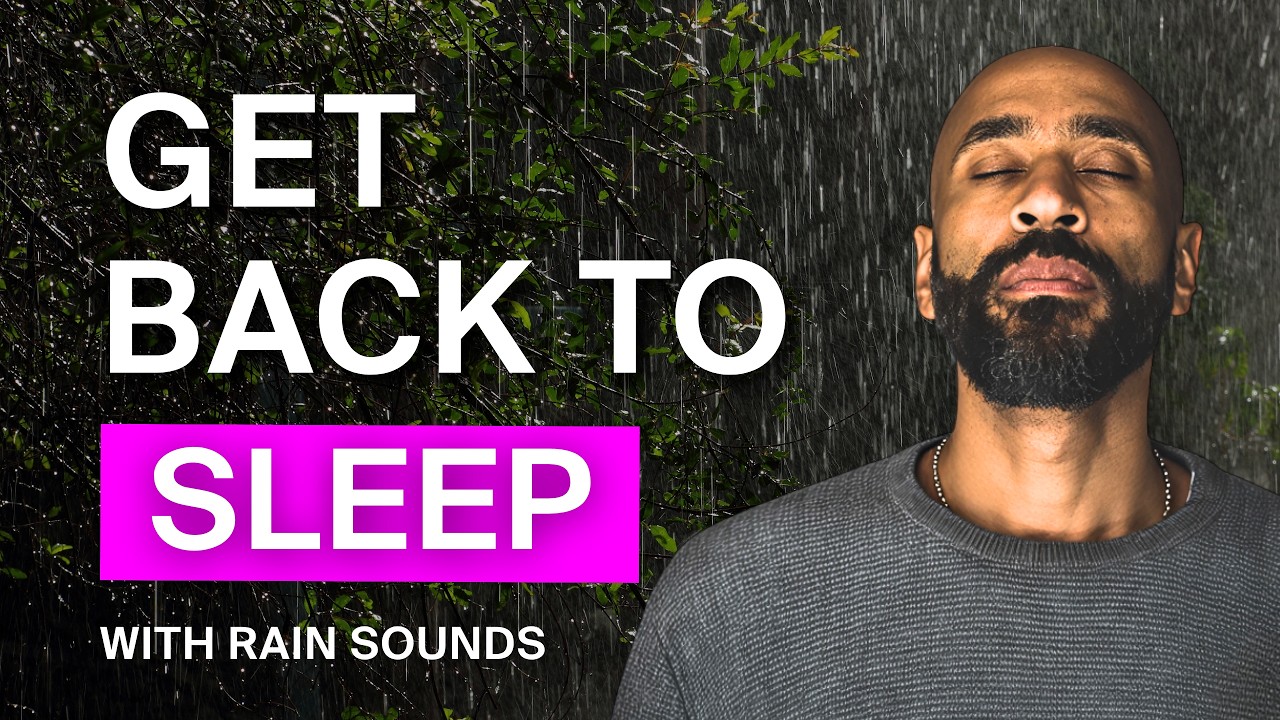
Meditation to Fall Back Asleep: Why Letting Go Works

Chibs Okereke
Chibs Okereke
Nov 20, 2024
9 min de lectura
Ver · 6

Every few hours in the dark, the same small crisis arrives. The clock reads 3:12, the room is quiet, and the mind has already started assembling tomorrow's to-do list. The harder you try to slip back under, the more wakeful you become. Chibs Okereke's guided sleep meditation, published on YouTube in November 2024 and built for exactly this moment, starts from an unusual premise: the obstacle is not the waking itself, but the effort to sleep. Across roughly 42 minutes, the session combines balanced breathing, a gentle rule for handling intrusive thoughts, and a slow body scan from the feet to the crown of the head, all arranged around one instruction the speaker repeats in different forms: there is nothing to do but relax.

Leer · 7 secciones

Why does the mind race the moment you wake in the night?

The meditation opens by naming the experience plainly. "Sometimes after waking up in the middle of the night it can feel difficult to fall back asleep," Okereke says at the start of the recording. "The mind may begin to race or the body might feel unsettled." That framing matters. Rather than treating the wakefulness as a malfunction to be fixed, the session treats it as a state to be met, which lowers the stakes before any technique begins.

The introduction also sets the boundaries of the practice. "Tonight we're not in a hurry," the speaker says. "There's no pressure to force sleep. Instead we're creating space for relaxation, knowing that sleep will follow when the body is ready." Even the goal is loosened. The stated outcome is not guaranteed sleep but one of two things: "drifting off to sleep or resting in a place of deep stillness." Both count as success. For anyone who has lain awake measuring the minutes against an imagined eight-hour target, that single reframing removes a layer of pressure that often does more damage than the original wakefulness.

What does it mean to stop forcing sleep?

The idea that effort undermines sleep is not unique to this recording, but the meditation makes it operational. Okereke repeatedly describes the body as something that already knows how to rest, and the listener's job as getting out of its way. Near the midpoint, the speaker puts it directly: "We're not making the body breathe, we're allowing the body to breathe, just like we're not making ourselves fall asleep. We're allowing ourselves to fall asleep."

"Trust that your body knows how to return to sleep when it's ready. Tonight there's nothing you need to do but relax." (Chibs Okereke, guided meditation, published November 2024, around 1:40)

This is the central move of the session, and it is worth understanding because it runs against instinct. Insomnia often sustains itself through a loop: you notice you are awake, you try harder to sleep, the trying generates alertness, and the alertness confirms that you are awake. A practice that removes the task interrupts that loop. The meditation does not ask you to achieve drowsiness. It asks you to notice a breath, a body part, a thought, and to let each one be what it is.

How can breathing help you drift back to sleep?

The first working tool is attention on the breath, introduced without instruction to change it. "There's no need to change anything about the breath," the speaker says. "No need to slow down or deepen the breath." The listener is invited to notice the texture of the inhale and exhale: whether it is shallow or deep, whether it moves into the chest or the belly, whether the out-breath runs longer than the in-breath. The language is observational rather than corrective, which is why it tends to work better than a rigid counting exercise for people who are already keyed up.

After a minute or two of this noticing, the session moves into what the speaker calls balanced breathing. The listener breathes in for a count of five and out for a count of five, with the option of lengthening or shortening the count. Okereke is explicit about the reasoning. "Slowing down and controlling the breath stimulates the vagus nerve, slows down the heart rate and engages the body's relaxation response," the speaker explains, adding that a helpful trick is to make the exhale count roughly match the inhale. Whatever one makes of the physiological claims, the instruction itself is concrete and easy to follow in the dark: match the two counts, keep the breath gentle, and do not strain.

The session also includes a permission slip that many people skip in their own practice. "It's up to you what you count to," the speaker says, and "if counting feels distracting or unnatural you can drop the count completely." This flexibility is important. A counting method that feels like homework will pull attention away from the very relaxation it is supposed to produce. The meditation keeps returning to the same test: are you breathing a little slower and a little deeper, without discomfort?

What should you do with thoughts that show up in the dark?

Midway through, the session addresses the thinking mind directly. "Waking up during the night can sometimes bring with it a lot of thoughts," the speaker says, naming them: "thoughts about the day, memories, plans for tomorrow, going over to-do lists, or just random thoughts." The response is not to suppress them but to treat them as expected. "That's completely normal," the speaker says. "It's what the mind is designed to do."

The image Okereke returns to is a cloud. "Sometimes I find it helpful to imagine that our thoughts are like clouds drifting across the sky," the speaker says. "Each time a thought comes to mind, whether it's a worry, a memory or just a random thought, we can place it gently on a cloud and watch it float by. We don't need to interact or engage with the thoughts. We don't need to stop the thoughts or push them away." The metaphor does quiet work. It turns a thought from a problem to be solved into an object that passes through awareness, and it gives the listener a way to notice a worry without arguing with it at 3 a.m.

Equally important is the tone. The session repeatedly asks the listener not to add a second layer of frustration, to notice a wandering thought "without blame or judgment," and to return to the breath when they catch themselves lost. Many people awake at night have a secondary struggle: the anger at being awake. Removing that judgment is a practical intervention, not just a kind sentiment, because a mind that is not scolding itself has more room to settle.

How does the body scan work in the second half?

Around the nineteen-minute mark, the meditation shifts from breath to body. The instruction is to move attention slowly from the feet upward, pausing on each area to notice any tightness and let it soften. The sequence follows the body from the feet and ankles through the legs, thighs and lower back, then up through the abdomen, rib cage, shoulders and arms, into the hands, the neck, the jaw and finally the top of the head. At each stage the speaker invites a specific release: a softening of the muscles, a letting go of the weight of the legs against the mattress, a warmth that spreads from the hands up through the forearms.

The body scan does a few jobs at once. It gives the attention a place to rest that is not a thought, which is useful for someone whose mind is rehearsing the day. It also turns the broad instruction to "relax" into a series of small, checkable actions. A listener who cannot simply relax their whole body can usually relax one foot, then one calf, then one hand, and find that the rest follows. The scan is also paced slowly enough that a listener who drifts off mid-sequence has not missed anything important; the next instruction simply picks up from wherever the body is.

What if you're still awake when the meditation ends?

The closing movement of the recording is among its most generous. The speaker acknowledges that the listener may not fall asleep during the session, and offers a clear alternative: "If you find yourself awake later in the night, that's perfectly fine. Simply come back to your breath or to the sensations of your body safely resting on the bed." Near the end, the language turns to surrender and drift, with phrases like "softening fully into this" and "allowing peace to take over." The session does not promise that you will sleep. It promises that you will be somewhere restful while you wait.

It is worth being honest about what a single recording can and cannot do. The channel's own description frames the session as a "practical, science-backed solution," and says around one in three adults struggle to get enough sleep. Those are the channel's claims, not findings presented here. Persistent insomnia may have causes that a meditation cannot address, and a listener who is regularly awake for long stretches should consider speaking with a clinician. Within its scope, however, the session offers something specific: a way to stop fighting the wakefulness and let rest arrive, or at least let the night be less punishing.

Where to go from here

If you try this meditation, the most useful approach is to treat it as a rehearsal rather than a test. Use it on a night when you are not desperate, so that the cloud image and the balanced breath become familiar before you need them. Notice which parts of the body are easiest to release, and which parts keep tensing back up, the jaw being a common example. Over time the instruction to stop trying may become a reflex rather than a recording.

For listeners who want more, the video description points to the speaker's wider library of sleep and relaxation meditations on the channel's own site, and to a newsletter with practical tips on stress and sleep. Start with the practice itself, though. The core lesson of this session is simple enough to carry into any wakeful hour: you do not need to make sleep happen. You only need to stop making it difficult, and let the body do what it already knows how to do.
Comments

Loading the conversation…

Transcript

[0:00] welcome to tonight's

[0:03] meditation sometimes after waking up in

[0:05] the middle of the night it can feel

[0:07] difficult to fall back

[0:09] asleep the Mind May begin to race or the

[0:13] body might feel

[0:14] unsettled in moments like this it can

[0:17] seem like rest is just Out Of

[0:21] Reach I understand how unsettling it can

[0:24] feel to be awake when all you want is

[0:28] rest but tonight we're not in a hurry

[0:32] there's no pressure to force

[0:35] sleep instead we're creating space for

[0:40] relaxation knowing that sleep will

[0:42] follow when the body is

[0:45] ready this is your time to settle back

[0:49] into a calm peaceful

[0:52] State whether that leads to sleep or

[0:55] simply a restful rejuvenating Stillness

[1:00] I'm chibo car and I'll be here with you

[1:04] as we move through this gentle

[1:07] practice we'll Begin by connecting with

[1:10] the breath using soft controlled

[1:13] breathing to help switch on the body's

[1:15] relaxation response which will signal to

[1:18] the mind and body that it's time to

[1:20] release tension and rest

[1:23] deeply then we'll move into a body scan

[1:27] gently releasing any tightness or dis

[1:31] discomfort by the end of the meditation

[1:34] you'll either be drifting off to sleep

[1:36] or resting in a place of deep

[1:40] Stillness if you find yourself awake

[1:43] later in the night that's perfectly

[1:46] fine simply come back to your breath or

[1:50] to the sensations of your body safely

[1:52] resting on the

[1:54] bed trust that your body knows how to

[1:57] return to sleep when it's ready

[2:01] tonight there's nothing you need to do

[2:04] but

[2:05] relax there's no rush no pressure and no

[2:10] need to force

[2:12] sleep we're simply inviting sleep to

[2:16] come in its own

[2:20] time take a moment now to find a

[2:23] comfortable

[2:25] position you might want to lie on your

[2:28] back with your arms by your sides or

[2:31] the hands on your belly or perhaps you

[2:33] prefer to lie on your

[2:36] side whatever feels most comfortable for

[2:38] you is

[2:41] perfect you're welcome to adjust your

[2:44] position whenever you need

[2:47] to even the smallest adjustment whether

[2:51] it's shifting your arms or flipping over

[2:54] your pillow can help your body find just

[2:57] a little more ease

[3:00] this is your

[3:02] time there's no right or wrong way to

[3:05] experience this

[3:06] practice you're welcome to let go and

[3:10] simply

[3:13] rest and whenever we're

[3:15] ready gently closing the

[3:18] eyes and feeling the support of the bed

[3:21] beneath

[3:22] us holding us

[3:28] safely seeing if we can allow ourselves

[3:31] to sink a little deeper into the

[3:36] mattress we're safe

[3:39] here there's nothing we need to hold on

[3:42] to nothing we need to

[3:45] do just allowing our body to

[3:49] soften and

[3:56] relax

[3:58] softening and surrendering into to the

[4:00] Comfort beneath

[4:02] us allowing our body to grow heavy and

[4:06] at

[4:14] ease now whenever we bring our awareness

[4:18] to the breath we help to engage our

[4:21] body's natural relaxation

[4:25] response which shifts us out of the

[4:27] busyness of the mind and back into the

[4:30] the

[4:32] body this simple act sends calming

[4:35] signals to the nervous

[4:38] system reminding the body that it's safe

[4:41] to

[4:44] rest so I invite you now to bring

[4:47] awareness to the

[4:50] breath noticing your

[4:53] inhale and noticing your exhale

[5:02] there's no need to change anything about

[5:05] the breath no need to slow down or

[5:09] deepen the breath we're simply noticing

[5:12] how the body is naturally

[5:19] breathing is it a slow breath or is it a

[5:23] rapid

[5:25] breath is it a deep breath or a shallow

[5:29] breath

[5:31] maybe we're breathing into the chest or

[5:34] perhaps into the

[5:37] stomach is the inhale longer than the

[5:40] exhale or is the exhale longer than the

[5:53] inhale and we're not so much watching

[5:56] the breath we're experiencing the breath

[5:59] we're feel feeling the breath so what

[6:02] does it feel like to

[6:07] breathe perhaps we can feel the cool air

[6:10] coming in through the nostrils as we

[6:12] breathe

[6:13] in as the lungs and the chest and the

[6:16] stomach

[6:19] expand and then we might notice a short

[6:22] pause as the breath changes

[6:26] Direction and then we might notice the

[6:28] warm air leaving the nost noals as we

[6:31] breathe

[6:32] out as the body

[6:34] softens and

[6:36] relaxes and sinks deeper into the

[6:52] bed waking up during the night can

[6:56] sometimes bring with it a lot of

[6:58] thoughts but that's

[7:01] okay if the Mind does start to wonder

[7:04] whether it's thoughts about the day

[7:08] memories plans for tomorrow going over

[7:11] to-do lists or just random thoughts

[7:15] that's completely normal it's what the

[7:18] mind is designed to

[7:22] do so without giving ourselves a hard

[7:25] time without blame or judgment just noce

[7:30] when a thought

[7:31] arises acknowledge it and if it feels

[7:36] right perhaps bringing a soft smile to

[7:38] your face and then gently bringing your

[7:42] awareness back to the

[7:45] breath back to that next

[7:49] inhale back to that next exhale

[8:04] we breathe in and the body

[8:09] expands and we breathe out as the body

[8:13] softens and

[8:16] relaxes and sinks deeper

[8:30] the out breath is the perfect

[8:33] opportunity to let

[8:35] go to let go of any tension or tightness

[8:39] we may be holding in the body and to let

[8:42] go of any thoughts or worries we might

[8:45] still be

[8:47] carrying so for the next minute or two

[8:52] let's soften and deepen the

[8:56] breath slowing down and controlling the

[8:59] breath

[9:00] stimulates the vagus nerve slows down

[9:04] the heart rate and engages the body's

[9:07] relaxation response reminding us that

[9:11] it's okay to relax and settle back into

[9:17] rest a good way of slowing down the

[9:20] exhale is to do a little count inside

[9:22] our mind and make sure that our exhale

[9:26] count is about the same as our inhale

[9:29] count

[9:31] so why don't we do some balanced

[9:33] breathing together let's breathe in for

[9:36] a count of five and breathe out for a

[9:39] count of

[9:41] five you can follow my count for a few

[9:44] breaths and then you can continue doing

[9:47] some more at your own

[9:50] pace let's breathe in two 3 4 5

[9:57] breathing out 2 3 4 5 breathing in 2 3 4

[10:08] five breathing out 2 3 4 5 breathing in

[10:16] 2 3 4 5 breathing out 2 3 4

[10:27] 5 it's up to you what you count to

[10:30] perhaps you might want to lengthen the

[10:32] count and breathe in for six or maybe

[10:35] shortening the count to four and there's

[10:38] no need to be precise if you like you

[10:41] can drop the count completely if

[10:44] counting feels distracting or unnatural

[10:48] and just make sure that you're breathing

[10:50] a little slower and a little

[10:53] deeper there's no right or wrong way to

[10:56] do this this is your time to relax

[11:01] so let me be quiet for a few moments so

[11:04] we can do this by ourselves

[11:31] making sure that we're keeping the body

[11:34] relaxed as we

[11:35] breathe trying not to breathe in too

[11:39] deeply we don't want any discomfort

[11:43] whatsoever this is all about

[11:55] relaxation checking to see if the

[11:57] forehead is relaxed

[12:00] the muscles around the

[12:02] eyes the

[12:04] jaw the neck and

[12:07] shoulders is the stomach

[12:19] relaxed and we might be beginning to

[12:21] notice changes as we continue this

[12:24] relaxing practice of slowing down the

[12:28] breath

[12:32] maybe we can feel warm Sensations or

[12:36] tingles in the

[12:37] body perhaps vibrations running up and

[12:40] down the

[12:53] spine okay

[12:55] good now you can let go of the counting

[12:59] and

[13:00] allow your breath to return to its

[13:02] natural

[13:04] Rhythm take a moment to notice how the

[13:07] body's breathing

[13:10] now is the breath a little

[13:13] slower perhaps a little

[13:18] deeper try not to purposely slow down or

[13:23] deepen the breath but if the breath is

[13:26] naturally slowed and relaxed that's okay

[13:31] we're allowing the body to breathe

[13:34] however it wants to

[13:48] breathe we're not making the body

[13:50] breathe we're allowing the body to

[13:54] breathe just like we're not making

[13:56] ourselves fall asleep we're allowing

[14:00] ourselves to fall

[14:11] asleep allowing the breath to be

[14:15] soft allowing the body to

[14:21] unwind allowing the breath to

[14:25] settle inviting the body to find ease

[14:39] there's nothing to do but

[14:43] relax allowing the calmness of rest to

[14:47] gently wash over

[14:58] us and if the Mind

[15:00] wonders thinking about the day worrying

[15:04] about

[15:05] tomorrow that's

[15:07] okay remember it's perfectly normal it's

[15:12] what the Mind does

[15:15] best whenever you catch yourself lost in

[15:19] thought try not to give yourself a hard

[15:22] time and see if you can notice the

[15:25] thought and simply Let It Go

[15:39] sometimes I find it helpful to imagine

[15:42] that our thoughts are like clouds

[15:45] drifting across the

[15:48] sky each time a thought comes to mind

[15:52] whether it's a worry a memory or just a

[15:56] random thought we can place it g ly on a

[16:00] cloud and watch it float

[16:12] by we don't need to interact or engage

[16:16] with the

[16:17] thoughts we don't need to stop the

[16:19] thoughts or push them

[16:22] away we simply notice the thought place

[16:26] it on a cloud and allow the gentle

[16:29] breeze to carry it

[16:41] away we can continue watching as the

[16:44] cloud drifts across the

[16:47] sky disappearing into the

[16:50] distance so you can be right

[16:53] here right now

[17:07] and if the thoughts

[17:09] stay that's okay

[17:12] too just come back to the breath and

[17:15] allow the thoughts to be in the

[17:20] background feeling the breath roll

[17:24] in and feeling the breath roll out

[17:30] feeling the body

[17:34] expanding feeling the body

[17:39] softening with each breath

[17:42] in we're welcoming

[17:46] calm with each breath out we're sinking

[17:51] a little

[17:55] deeper settling into this moment

[18:00] this restful

[18:12] space there's nowhere else to

[18:16] be nothing else to

[18:21] do we're letting go of any

[18:26] pressure and we're allowing rest to

[18:44] happen

[18:48] good and

[18:50] now let's gently shift our attention

[18:54] into the

[18:55] body and as we do I invite you to

[18:59] imagine a warm soothing light moving

[19:03] gently through each part of the

[19:06] body from the feet all the way up to the

[19:12] head visualizing a warm light helps many

[19:16] of us to calm the nervous system by

[19:19] guiding our awareness to different areas

[19:22] of the body encouraging

[19:24] relaxation and releasing tension

[19:29] when we visualize warmth or light it can

[19:33] signal safety and comfort to the brain

[19:37] helping the body settle into a restful

[19:41] state but if imagining a light doesn't

[19:44] feel natural or comfortable that's

[19:48] perfectly fine instead you might choose

[19:52] to Simply focus on the sensation of each

[19:55] part of the body noticing any point of

[19:59] contact with the bed or any areas where

[20:03] the body feels warm or

[20:06] heavy remember there's no right or wrong

[20:10] way to do

[20:12] this this practice is about helping your

[20:15] body

[20:17] unwind so feel free to approach it in

[20:20] whichever way feels best for

[20:25] you let's begin at the feet

[20:29] directing our awareness all the way down

[20:31] to the

[20:34] toes allowing this soft warm light to

[20:37] settle

[20:39] here soothing and relaxing each

[20:49] toe the feet growing soft and heavy

[20:54] sinking naturally into the mattress

[21:07] now gently bringing this warm light into

[21:11] the

[21:13] ankles feeling any tightness or tension

[21:16] around the joints easing

[21:18] away allowing the ankles to relax

[21:23] fully releasing into the support of the

[21:25] bed

[21:30] if imagining a light doesn't feel quite

[21:32] right that's perfectly fine instead you

[21:37] might simply notice the sensation of

[21:39] your ankles resting on the bed or

[21:42] touching the

[21:55] sheets now moving this warmth up into

[21:58] the lower legs

[22:00] the calves The

[22:03] Shins imagining a gentle wave of

[22:06] warmth releasing any tightness with each

[22:19] exhale feeling the lower legs

[22:22] soften the muscles

[22:26] releasing the weight of the lower legs

[22:29] settling into deep

[22:43] relaxation allowing this warmth to

[22:46] travel up to the

[22:48] knees surrounding them easing away any

[22:52] strain or tightness

[23:07] and moving slowly into the upper

[23:09] legs the thighs and

[23:14] hamstrings feeling the upper legs grow

[23:17] heavy and at

[23:19] ease fully

[23:21] supported deeply relaxed

[23:37] moving our awareness to the hips and

[23:39] pelvis

[23:41] now allowing that comforting light to

[23:45] spread here releasing any lingering

[23:56] tension breathing in

[24:00] and feeling the hips sink more deeply

[24:02] into the bed with each

[24:08] exhale allowing gravity to hold

[24:12] us completely

[24:14] supported as we release into

[24:24] Stillness and now letting this warmth

[24:28] slow up into the lower

[24:30] back and then slowly moving up the

[24:35] spine with each

[24:37] inhale Imagining the light gently

[24:40] soothing each

[24:45] vertebrae and with each

[24:47] exhale feeling the spine

[24:50] soften and

[24:52] release letting go of any tightness held

[24:56] from the day

[25:07] allowing the light to expand to fill the

[25:09] whole back

[25:12] now spreading across the shoulder

[25:16] blades inviting a gentle relaxation into

[25:20] every muscle every fiber

[25:31] sinking

[25:35] releasing fully letting

[25:49] go and now bringing awareness to the

[25:54] belly feeling the gentle rise and fall

[25:58] as

[26:08] breathe letting that soft warmth

[26:11] surround this area

[26:14] soothing and

[26:25] calming each exhale bring a deeper sense

[26:30] of

[26:40] ease inviting the belly to

[26:43] soften the breath flowing

[26:57] naturally bring bringing this warm light

[26:59] into the chest

[27:04] now feeling it expand gently with each

[27:09] inhale and soften with each

[27:21] exhale allowing this calming sensation

[27:24] to

[27:26] spread releasing any tension

[27:29] as the chest

[27:31] settles and the breath becomes even more

[27:35] gentle and

[27:48] soothing bringing our awareness to the

[27:50] rib cage

[27:53] now feeling the gentle expansion with

[27:56] each

[27:57] inhale and the softening with each

[28:12] exhale noticing how this area holds so

[28:16] much protecting our heart and

[28:20] lungs and allowing each breath to bring

[28:23] a sense of calm and ease to everything

[28:27] within

[28:39] imagining this warm soothing light

[28:42] gently surrounding the rib

[28:45] cage relaxing all the muscles between

[28:48] each

[28:49] rib and inviting a sense of spaciousness

[28:53] and peace Within

[29:06] and now letting this warmth spread

[29:09] across the

[29:10] shoulders easing any weight they've been

[29:25] carrying feeling the shoulders melting

[29:27] away from the ears

[29:29] is sliding softly down the

[29:32] back completely at

[29:46] rest moving our awareness down the left

[29:50] arm the upper arm the

[29:54] elbow the forearm the wrist

[29:59] allowing the arm to feel

[30:01] heavy

[30:03] relaxed fully at

[30:17] ease bringing this warm light down into

[30:20] the hands

[30:22] now allowing it to gently spread through

[30:26] each finger

[30:34] feeling each finger soften and

[30:39] release the hands becoming

[30:42] warm

[30:44] heavy fully

[30:55] relaxed letting go of any tightness that

[30:58] may be held in the palms or

[31:01] Knuckles allowing the hands to rest

[31:04] completely at

[31:17] ease and now shifting our awareness to

[31:20] the right

[31:22] arm letting this soothing warmth spread

[31:26] from the shoulder down to the

[31:29] wrist releasing and relaxing with each

[31:45] exhale now shifting our awareness to the

[31:48] right

[31:50] hand letting this soothing warmth spread

[31:54] down through the wrist and into each

[31:57] finger

[32:08] feeling the right hand growing soft and

[32:14] relaxed allowing each finger to release

[32:16] and become heavy

[32:30] allowing any remaining tension to gently

[32:34] melt away with each

[32:48] exhale now bringing our attention to the

[32:51] neck and

[32:53] throat breathing into this

[32:56] area feeling the warmth gently relaxing

[33:00] the

[33:01] muscles releasing any tightness held

[33:16] here allowing the back of the head to

[33:19] rest heavy on the

[33:22] pillow fully

[33:24] supported letting go

[33:39] softening the face

[33:42] now allowing the jaw to

[33:46] relax the

[33:48] lips the

[33:50] cheeks the tiny muscles around the eyes

[34:05] feeling the forehead

[34:18] soften and

[34:20] now expanding our awareness to include

[34:23] the whole body

[34:29] from the top of the head to the tips of

[34:31] the fingers and

[34:34] toes cradled by this warm comforting

[34:49] light the whole body

[34:51] heavy

[34:53] calm peaceful

[35:06] we're simply

[35:08] here

[35:11] resting

[35:14] releasing softening with each

[35:19] exhale feeling ourselves

[35:23] drift into a

[35:26] deep peaceful sleep

[35:37] carried by this sense of

[35:39] warmth and

[35:52] calm there's nothing left to

[35:56] do nowhere else to

[36:01] be just allowing ourselves to sink into

[36:04] this

[36:08] moment inviting a

[36:11] deep and restful

[36:25] Slumber sinking deeper

[36:30] releasing

[36:34] fully drifting into a night of

[36:39] rejuvenating peaceful sleep

[36:58] returning now to the

[37:01] gentle Rhythm of the

[37:12] breath allowing each breath to flow

[37:16] through the whole

[37:20] body bringing with it a

[37:24] soft calming energy

[37:40] breathing

[37:43] in and breathing

[37:56] out slow

[38:05] effortlessly resting here in a place of

[38:23] ease allowing each exhale to C carry

[38:28] away any lingering

[38:44] tension

[38:49] unwinding Letting

[38:54] Go settling deeper

[39:00] softening fully into this

[39:18] moment the body becoming

[39:22] heavier more serene

[39:28] sinking into a

[39:30] deep quiet

[39:48] relaxation we're

[39:52] resting

[39:56] releasing allowing both body and mind to

[40:16] surrender drifting

[40:18] gently into a state of quiet ease

[40:36] inviting sleep to come

[40:39] naturally in its own

[40:55] time there's nothing more to do

[41:00] nowhere else to

[41:04] go simply being

[41:08] here at

[41:24] peace drifting

[41:26] gently into a

[41:28] deep restorative

[41:45] Slumber sinking

[41:48] fully into a

[41:52] night of

[41:56] restful sleep sh

Chibs Okereke
ArtistChibs Okereke

A former founder turned stress and burnout coach, who turned his own severe burnout recovery into a mission to share science-backed mindfulness tools.

Ver perfilSitio web
Explorar temas
InsomniaSleep-meditationBack-to-sleepBalanced-breathingBody-scan

¿Tienes Preguntas?

Preguntas Frecuentes

Chibs Okereke's guided session suggests stopping the effort to sleep and instead focusing on the breath, noticing the body and letting thoughts pass. The speaker says sleep will follow when the body is ready, and that returning to a restful, awake state still counts as a good outcome.
In this meditation, balanced breathing means breathing in for a count of five and out for a count of five, keeping the exhale roughly the same length as the inhale. The speaker says it slows the heart rate and engages the relaxation response, and notes you can change the count or drop it if counting feels distracting.
The meditation suggests imagining each thought as a cloud drifting across the sky, placing it gently there and letting it float away without engaging with it. It also advises noticing wandering thoughts without blame or judgment and returning to the breath.
A body scan in this session moves attention slowly from the feet up to the head, inviting softening at each area. It gives the mind a non-thinking place to rest and turns the instruction to relax into small, manageable steps.
The speaker says that if you find yourself awake later in the night, that is perfectly fine. The suggested response is to return to the breath or to the sensations of the body resting on the bed, rather than trying harder to sleep.
The video runs about 42 minutes, with the guided meditation beginning after a short introduction. It was published on YouTube in November 2024 and is designed to be used when you wake during the night.

Seguir leyendo

More from Chibs

Ver Todo
Awake at 3am? How Sleep Hypnosis Helps You Drift Back Down
Inspire

Awake at 3am? How Sleep Hypnosis Helps You Drift Back Down

Chibs Okereke's two-hour sleep hypnosis is built for the 3am wake-up. Here's how its body scan, layered warmth, and looping affirmations wor…

1 min read
Floating Bliss Sleep Hypnosis: Inside a Two-Hour Night Session
Inspire

Floating Bliss Sleep Hypnosis: Inside a Two-Hour Night Session

A close look at Chibs Okereke's two-hour deep sleep hypnosis: its body scan, cloud imagery, countdown, and affirmations built to carry the l…

1 min read
Yoga Nidra for Wholeness: Sankalpa and Body Scan Guide
Inspire

Yoga Nidra for Wholeness: Sankalpa and Body Scan Guide

A 35-minute guided Yoga Nidra rest that moves from breath to sankalpa to a full body scan and back to waking. Here is how its structure work…

1 min read
This Belongs: The Ocean Meditation for Meeting Every Wave
Inspire

This Belongs: The Ocean Meditation for Meeting Every Wave

Tara Brach's guided meditation "Everything Belongs" turns a body scan into an ocean metaphor and a two-word practice. Here is how "This belo…

1 min read

Sigue explorando

Continúa tu camino

Más sabiduría y encuentros de todo el directorio de BrightStar.

Más artículos

Recorre la biblioteca completa de enseñanzas, entrevistas y guías.

Ver todos los artículos →

Maestros y artistas

Explora los linajes, músicos y guías del mundo consciente.

Explorar artistas →

Encuentra un evento

Kirtan, retiros, baños de sonido, breathwork, festivales — muy pronto.

Ver eventos →