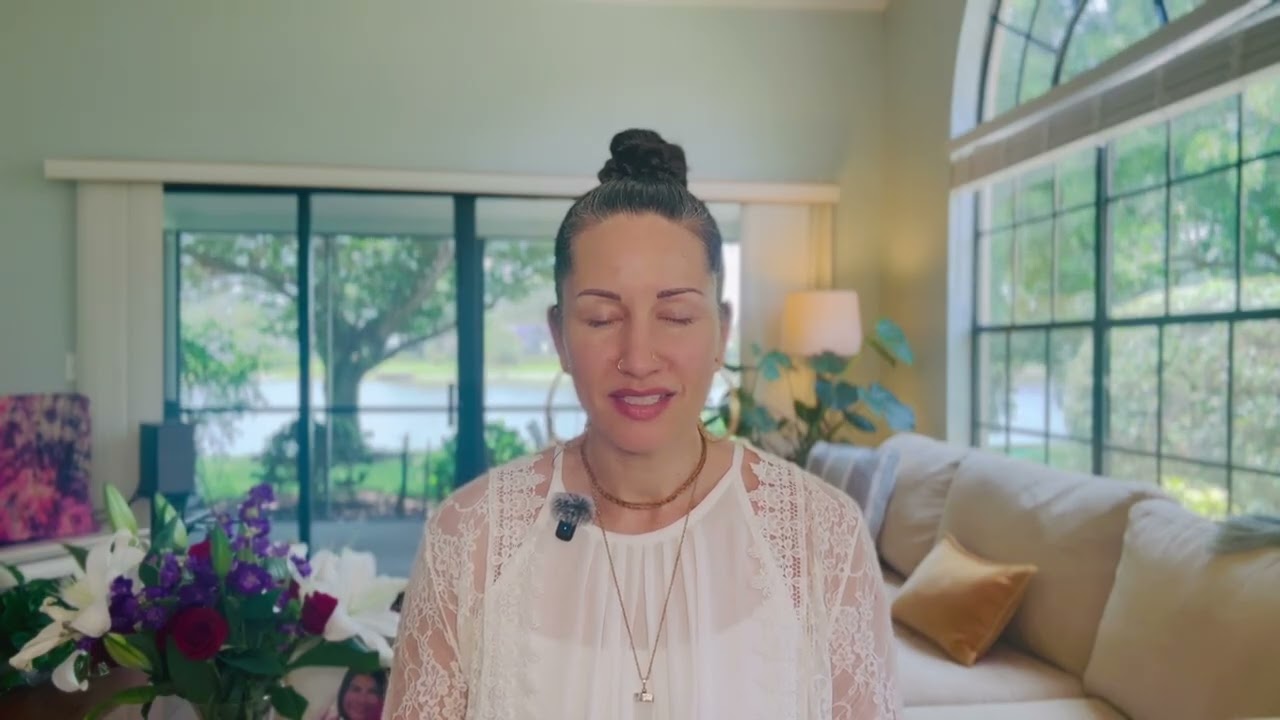
Lou Redmond opens a sixteen-minute video in December 2025 with a question many meditation teachers are quietly asking: is Insight Timer still worth the effort? Redmond, a teacher on the platform since 2016 who reports more than 50,000 followers, two million plays, and over $200,000 in total revenue, says yes, and he lays out a working method built on measuring what moves, shaping a clear body of work, serving the needs people actually bring to the app, and using courses to deepen trust. The video is less a pep talk than a field report from someone who keeps a spreadsheet, reads his own numbers closely, and treats the platform as one part of a sustainable practice rather than a lottery ticket.
Picture a laptop with a monthly statement open. Redmond has just found a new feature Insight Timer rolled out: a revenue view where you can rest your cursor over a month and see its breakdown by color. He describes this as a way to see at a glance what is changing and what is growing. Then he goes further. Screenshot each month, he suggests, drop the images into a chatbot, and ask for a graph of each category, then ask for the percentage change month to month.
He is candid about what the screen showed him. "I made less money this year," he says in the video, adding that a month of the year's revenue was still outstanding when he recorded it. The numbers dipped and then climbed back, and that trajectory is the point. A teacher who sees only the total in a payout email can feel the swings without knowing their cause. A teacher who tracks the components can start asking why.
The principle underneath comes from management thinking Redmond cites directly. "There is a famous business quote by Peter Ducker that says, 'What gets measured gets managed,'" he says, acknowledging that intuitive, feeling-led teachers often let this stuff slide. His argument is that a spreadsheet does not replace intuition. It gives intuition something to check against. Once you can line up a month of premium content against a month when you were featured in a live event, you can see which of your own actions produced a bump in plays or revenue and do more of that.
This is the most specific insight in the first part of the video, and it is the one that changes behavior. Redmond has noticed that return rate bonus makes a large difference to revenue. A track that gets played and brings listeners back can earn noticeably more than a track with heavy plays and weak return. The practical conclusion he draws is to focus on premium content, and especially newer premium content, because newer work tends to receive the strongest return rate.
He is honest about the flip side. A large catalog of older material, including many of his free tracks, is not getting strong return bonuses. That is not a reason to delete a back catalog, but it is a reason to stop treating every old track as a steady earner. For a teacher with years of recordings, the useful question becomes which pieces are still pulling people back and which are simply sitting there.
Redmond also suggests using the same chatbot approach to ask for interpretation, not only charts: what insights stand out, and what questions does the data raise? He frames this as a way to build your own understanding of your numbers rather than borrowing someone else's formula.
The second step in Redmond's sequence is defining content pillars, which he calls "core areas of transformation that your body of work is built upon." He draws a clear line between pillars and niche. The niche, in his telling, is about who you work with. Pillars are about the content your niche, and potentially other people, would want to take in.
He offers three questions to help dial them in. The first asks what areas of transformation you have already lived through. Because you have firsthand experience, these tend to be the most authentic themes you can share. The second asks what you want to be known for. He gives examples of the shape the answer can take: the confidence person, the gratitude person, the consistency person. The third is a thought experiment: if you had a billboard that reached billions of people, what would it say? Redmond suggests the answer reveals the core transformation you feel called to offer.
Pillars do two jobs. They tell you where to go when you are deciding what to create next, and they give you a frame for staying coherent over years. Redmond says you want to stay in line with most of your pillars while leaving room to experiment. He also recommends revisiting this work periodically, because, as he puts it, "we always change." For a teacher whose catalog spans years, that is a useful reminder that the pillars you wrote in 2016 may not be the ones that describe your work now.
This is the most debated instruction in the video, and Redmond is careful about how he frames it. He points to the way Insight Timer describes itself: in a recent Instagram bio change, he notes, the platform called itself "the world's leading app for anxiety, sleep, and meditation." Anxiety and sleep are listed first and second, he says, because that is what most people are looking for. The platform speaks to the people it is attracting, and in his experience, "anxiety and sleep content does the best."
His advice is not to abandon your pillars for sleep tracks. It is to find the overlap. If your pillar is confidence, you might create sleep affirmations built around confidence. If your pillar is meditation technique, you might tailor a specific practice, such as a loving-kindness meditation, toward anxiety. Redmond's logic is that a listener who finds a powerful sleep-and-confidence affirmation will want to see what else you have, and that the person who arrives looking for sleep help may be exactly the person who needs your deeper work on confidence. He describes it as a way of filtering people from one piece of content into the rest of your catalog.
"Anxiety and sleep content does the best. And so, even if your content pillar is on confidence or self-care, I want you to think of how can you also experiment with tracks aligned with some of the top five."
Lou Redmond, YouTube video, December 2025 (around 6:12)
He is explicit that this is about balance. He describes himself as someone who believes in finding your own artistic voice, and he says that mixing in what people want is a yes-and, not a replacement.
Redmond's blunt formulation for the fourth point is "Courses get clients." He says courses are the number one way to monetize on the app, and his experience is that they change the relationship with a listener. He describes people who book a discovery call for his coaching and say in the inquiry that they have taken his courses and want to go deeper. The course, in other words, works as a first meeting that makes the next step feel natural.
Tracks, he argues, are where people first encounter your voice. Courses are where they begin to trust you with a sustained process. That sequence mirrors how many teachers actually build relationships offline, and it explains why he treats courses as both a growth tool and a revenue line rather than an extra.
"Courses get clients. Not only are courses the number one way to monetize on the app, but I can't tell you how many times someone has come booked a discovery call for my coaching."
Lou Redmond, YouTube video, December 2025 (around 8:04)
Redmond's next moves are about making existing work do more. He suggests referencing the work you do with clients inside your tracks. The coaching questions you use in private sessions, the reflections that shift people, the patterns you see again and again, can become material in a meditation without breaking confidentiality or the intimacy of the practice. The effect, he suggests, is to show listeners the depth behind the recording and to deepen trust.
He also recommends promoting courses and tracks to one another. Within a track, you can point listeners to a related premium piece or a course. He describes free listeners as a particular audience to speak to in those moments, since they may be the ones most open to a next step. The aim is not to fill every track with calls to action but to make the path from one piece to the next visible.
Redmond also pushes you to maximize the work you already do. He describes a habit of repurposing: a talk recorded for one audience can become material for another, and the work you have already created can serve several formats. For a teacher who feels that every new recording demands new energy, this reframing is a relief. Much of what you need may already exist in a recording, a workshop, or a conversation.
The last stretch of the video moves from tactics to temperament. Redmond urges teachers to find community, describing the way people doing this work together can be genuinely infectious. Shared goals and mutual encouragement, he suggests, help a teacher keep going when the numbers are discouraging.
His closing instruction is to fall in love with the process. He describes the slow, cumulative shifts that come from showing up, and frames the platform as a long game. Even the tips he gives are presented as ones that still apply in 2026, and he returns to a simple, repeatable habit: keep creating, keep measuring, keep refining. A hack promises a spike. A practice produces a body of work that keeps paying back over time, including the older tracks that, with a fresh look at their numbers, may still have something to offer.
If you are a meditation teacher, coach, or mindful creator deciding where to put your energy on Insight Timer, Redmond's sequence is a practical place to start. Begin with the numbers: export or screenshot your monthly revenue, build a simple spreadsheet, and look at the components rather than the total. Next, write your content pillars using his three questions about lived experience, what you want to be known for, and the billboard. Then look for the overlap between those pillars and what listeners are searching for, especially anxiety and sleep. Make your newest premium work the priority, since return rate rewards it. Build a course that gives people a sustained path with you, and let your tracks point toward it. Finally, find a few peers doing similar work and commit to the process long enough for the compounding to show.
Redmond points viewers to a free training on attracting clients with guided meditations, a free course on scripting unique guided meditations, and a mentorship program focused on growing on Insight Timer, all linked in the video's description. Treat them as optional next steps. The core of the video stands on its own: measure what is happening, know what you are here to say, meet people where they are, and keep making the work.