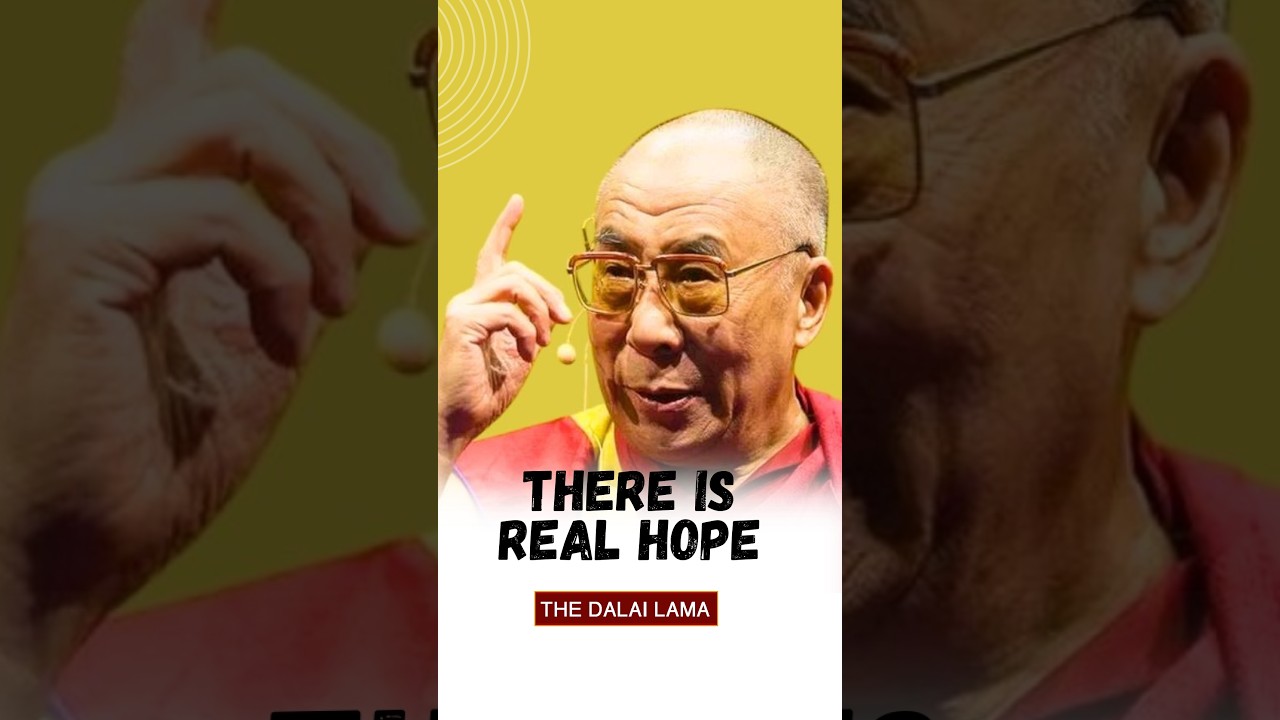
The Dalai Lama's decades-long practice has yielded a specific claim: attachment and anger have nearly disappeared—not through prayer, but through a deliberate, investigative process he calls analytical meditation. In a teaching recorded in 2017, he traces the architecture of this method: examining contradictory views, familiarizing oneself with them through repeated inquiry, and using the full capacity of human intelligence to rewire emotional habit.
Analytical meditation differs fundamentally from concentrative or devotional practice. Rather than stilling the mind or invoking grace, it deploys the mind as an instrument of investigation. "In order to carry investigation," the Dalai Lama explains, "you need different sources. Even contradictory sort of different sort of views. That provides you to analyze."
The method unfolds in stages. First comes investigation—turning the full lens of reason on a given topic, including perspectives that oppose your current view. This creates productive friction; the mind cannot simply absorb one narrative. It must weigh, compare, test. Then comes familiarization: returning to the same inquiry repeatedly, allowing the new understanding to settle into muscle memory, into the nervous system itself.
The Dalai Lama's personal testimony offers unusual specificity. Over fifty to sixty years of practice, he observed his own emotional landscape shift. "I think last 50-60 years, I saw thinking thinking. Then gradually my emotion changed." The language is direct and modest—not claiming enlightenment, but describing a measurable, sustained transformation. "So, today attachment anger, these almost disappear. Not through prayer, but through analyze."
This distinction matters. Prayer, in many traditions, invokes forces or grace from outside the practitioner. Analytical meditation, by contrast, positions intelligence itself—disciplined, rigorous, sustained—as the agent of transformation. It assumes that emotion is not immutable, that the mind can be trained like any other faculty, and that prolonged, honest investigation of how we think naturally changes how we feel.
The Dalai Lama frames this not as mysticism but as practical anthropology: "training our mind that you use maximum way our intelligence." The tool is already present. The discipline is application.
For a fuller exploration of analytical meditation practice and its place in Tibetan Buddhist training, seek out the Dalai Lama's longer teachings on mind transformation and the role of intellectual rigor in spiritual development.