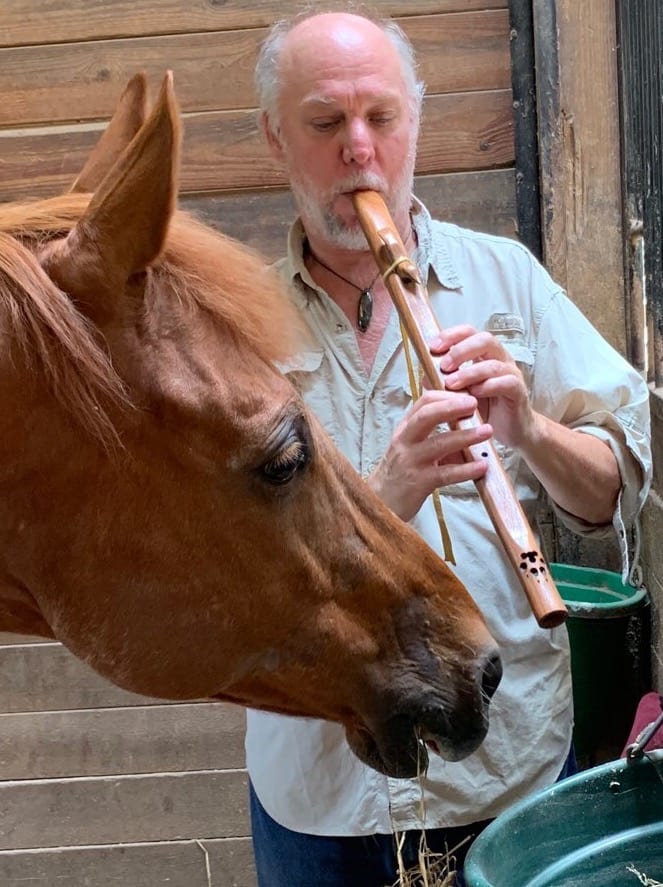

Don Reed Simmons doesn't have a famous album or a bestselling book to point to. His discography and bibliography are empty, so a guide that names a "classic" would be inventing one. His work lives in recorded guided meditations and talks on his YouTube channel, live sessions, and a structured program. Start there.
Start with his guided mindfulness and loving-kindness meditations on YouTube. They are his most accessible offering, and they carry his core training with Thich Nhat Hanh and Jon Kabat-Zinn, founder of Mindfulness-Based Stress Reduction. Search "Don Reed Simmons" and pick one of the guided sittings. The point is to hear his voice and pacing before you decide anything else. A recording costs nothing and commits you to nothing, and it tells you quickly whether his approach suits you.
1. His recorded talks. The same channel hosts teaching talks. After a few guided sits, these show how he frames the practice, including his emphasis on compassion toward yourself and others.
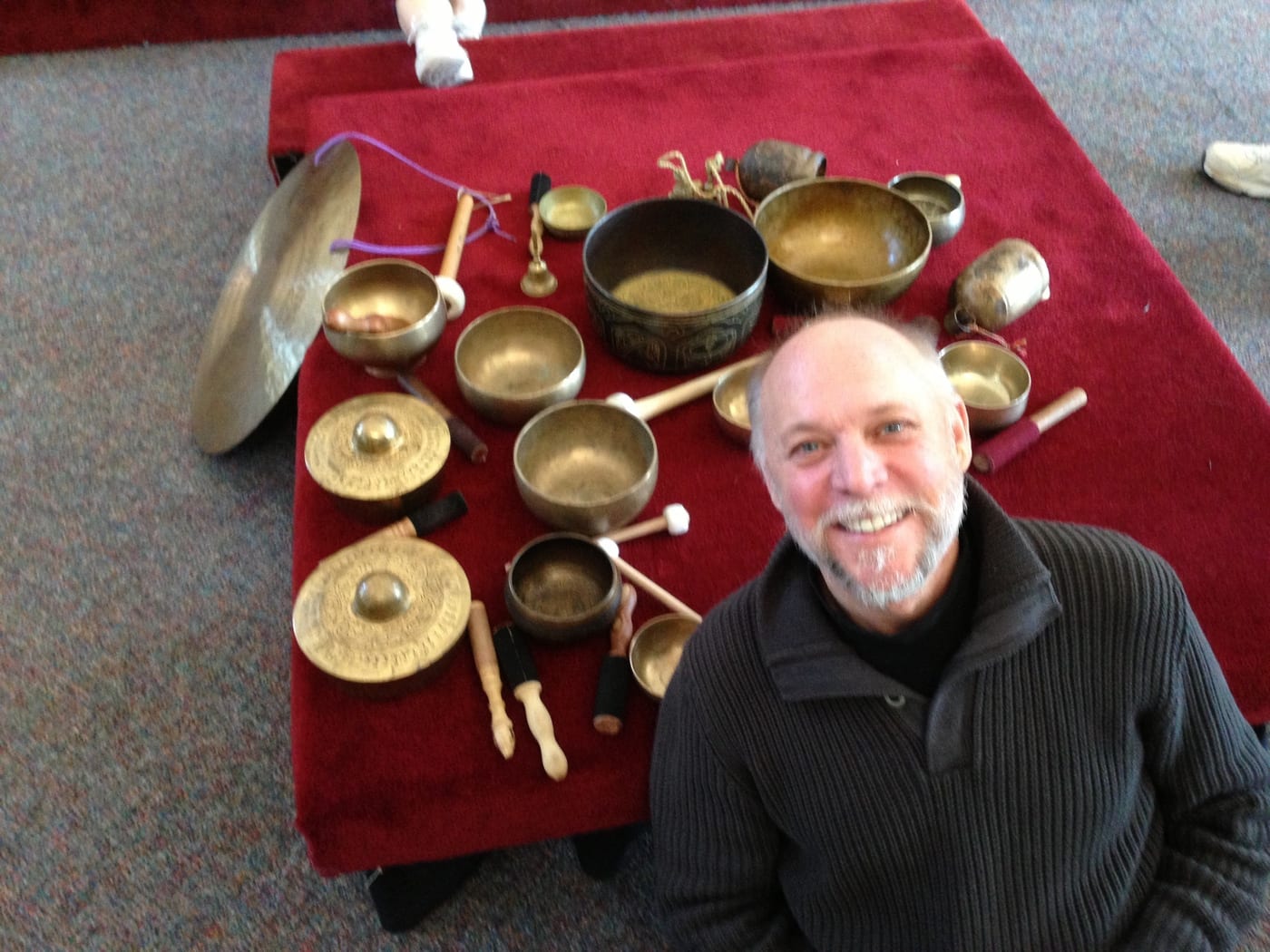
2. A sound session. He is president of the International Sound Therapy Association and works with Tibetan and crystal bowls. If sitting practice feels hard, this can be the gentler door, since the work is more about receiving than doing. He has also performed and recorded with sound pioneers Steven Halpern and Jonn Serrie, which makes his recorded sound work worth seeking out.
3. "The Shamans Path to Awakened Living." He has taught this program since 2005. It grows out of his experience of a Hawaiian kahuna becoming his teacher and spirit guide in meditation, and it is the deepest commitment on this list. Explore it last, through donreedsimmons.com.
Expect a grounded teacher rather than a performer. His background includes crisis counseling in New York, Los Angeles, Atlanta and Honolulu, and clinical hypnotherapy since 1993, so the tone leans practical. Instruction should be clear, with the emphasis on your direct experience. The recordings are modest in number and distribution compared with famous teachers, so you will have to look for them rather than find them in a feed.
Expecting one tradition. He draws on Zen through Thich Nhat Hanh, clinical mindfulness through Kabat-Zinn, Hawaiian shamanic practice, hypnotherapy, and sound work. If you want pure Zen or only secular MBSR, the mix may feel scattered. Choose the strand you came for and follow it.
Expecting a productivity tool. His emphasis on loving-kindness, compassion and Ho'oponopono, the Hawaiian reconciliation practice, is relational and slower than a stress-hack routine.
Treating sound work as passive background music. Sustained bowl tones are meant to be experienced with attention. They are also not for everyone, particularly people who find sustained tones difficult.
Assuming the shamanic and past-life material will be softened. He doesn't offer a secular reframing of it. Skeptics should know that going in. His Past Life Regression certification came from Dr. Brian Weiss in 2009.
This work tends to land hardest when you're carrying something that productivity advice hasn't touched: illness, grief, a rupture in a relationship, or a sense that you've been harsh with yourself for years. His own story begins with two serious childhood illnesses and a near-fatal scuba dive in Hawaii in the 1970s, and he describes those experiences as shaping a compassionate outlook toward himself and others. It also suits people who feel stuck between worlds, wanting contemplative depth without abandoning clinical common sense.
Day 1: Watch or listen to one guided mindfulness meditation on his YouTube channel. Sit through the whole thing and write down one sentence about what you noticed.
Day 2: Repeat the same recording. Familiarity makes the instruction easier to follow.
Day 3: Move to a loving-kindness meditation. Notice whether directing kindness at yourself is harder than directing it at others.
Day 4: Watch one of his recorded talks and note what he stresses.
Day 5: Find a recording with Tibetan or crystal bowl sound. Lie down, listen, and don't try to achieve anything.
Day 6: Try a Ho'oponopono-themed meditation if you can find one. Otherwise, return to your favorite sitting from the week.
Day 7: Review your notes. Decide which strand pulled you most: mindfulness, loving-kindness, sound, or the shamanic path. Then visit donreedsimmons.com and look at current offerings in that strand.
Seven days won't make you a student, but it will show you which of his several doors is yours.