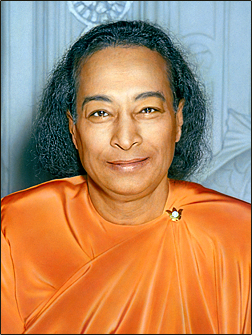
The Unyielding Path: Embracing Persistence as a Spiritual Virtue
Paramahansa Yogananda's assertion that "persistence guarantees that results are inevitable" serves as a profound reminder of the power of unwavering determination in our spiritual and worldly pursuits. In a world often characterized by instant gratification and fleeting successes, this quote invites us to reflect on the deeper significance of steadfastness. It suggests that the journey towards our goals, whether they be personal, professional, or spiritual, is not merely a matter of luck or chance but rather a testament to our commitment and resilience.
Yogananda's words resonate with a timeless truth: that the fruits of our labor are often the result of sustained effort and dedication. This perspective challenges us to reconsider our relationship with success and failure, urging us to embrace the process rather than fixate solely on the outcome. By cultivating persistence, we not only enhance our chances of achieving our desires but also deepen our understanding of ourselves and our place in the universe.
The image / the metaphor
The imagery embedded in Yogananda's quote evokes a sense of inevitability, suggesting that persistence acts as a catalyst for transformation. The verb "guarantees" implies a promise, a certainty that emerges from the act of continuing to strive despite obstacles. This notion of persistence is not merely about relentless effort; it embodies a deeper sense of faith in the process, a belief that each step taken, no matter how small, contributes to the unfolding of our aspirations.
Diving deeper into the metaphor, we can envision persistence as a river carving its way through rock. Over time, the continuous flow of water shapes the landscape, demonstrating that even the most formidable barriers can be overcome with consistent effort. This image encapsulates the essence of Yogananda's teaching: that success is not a singular event but rather a culmination of persistent actions that gradually lead us toward our goals. It invites us to trust in the journey, recognizing that every moment of effort is a step closer to realization.
In the speaker's tradition
Within the context of Yogananda's teachings, persistence aligns closely with the concept of dharma, or one's righteous duty. In Hindu philosophy, fulfilling one's dharma often requires sustained effort and commitment, reflecting the understanding that true success is rooted in aligning our actions with our higher purpose. This notion of persistence is also echoed in the practice of bhakti, or devotion, where unwavering love and dedication to the divine can lead to profound spiritual transformation.
Moreover, Yogananda's teachings draw from the rich tapestry of Hindu scriptures, including the Bhagavad Gita, which emphasizes the importance of steadfastness in the face of challenges. In Chapter 2, Verse 47, Krishna advises Arjuna to focus on his duty without attachment to the results, reinforcing the idea that persistence in one's actions, regardless of the outcome, is a path to spiritual growth. This perspective encourages us to cultivate a mindset of resilience, understanding that our efforts are valuable in their own right, independent of immediate success.
Living the teaching
Consider a modern scenario where Yogananda's teaching on persistence can be applied: the journey of a student pursuing a challenging academic goal. Faced with setbacks, difficult subjects, and moments of self-doubt, the student may feel tempted to abandon their aspirations. However, by embracing the principle of persistence, they can recognize that each study session, each late night spent preparing for exams, contributes to their growth and understanding. This commitment not only enhances their knowledge but also builds character, resilience, and a sense of accomplishment.
In relationships, the concept of persistence can manifest in the effort to maintain connection and understanding with a partner. During challenging times, when communication falters or misunderstandings arise, it may be easy to withdraw or give up. Yet, by choosing to persist in open dialogue and empathy, individuals can navigate through difficulties, ultimately strengthening their bond. This application of persistence highlights its transformative power, reminding us that enduring love and connection often require sustained effort and dedication.
A reflection
As we contemplate Yogananda's assertion that "persistence guarantees that results are inevitable," we are invited to reflect on our own lives and the areas where we may need to cultivate greater determination. What aspirations have we set aside in moments of difficulty? In what ways can we recommit to our goals, embracing the journey with patience and faith? By engaging with these questions, we can deepen our understanding of persistence as a spiritual practice, recognizing that the path to fulfillment is often paved with unwavering effort and dedication.