The Gift of Gratitude: Embracing Our Inner Excellencies
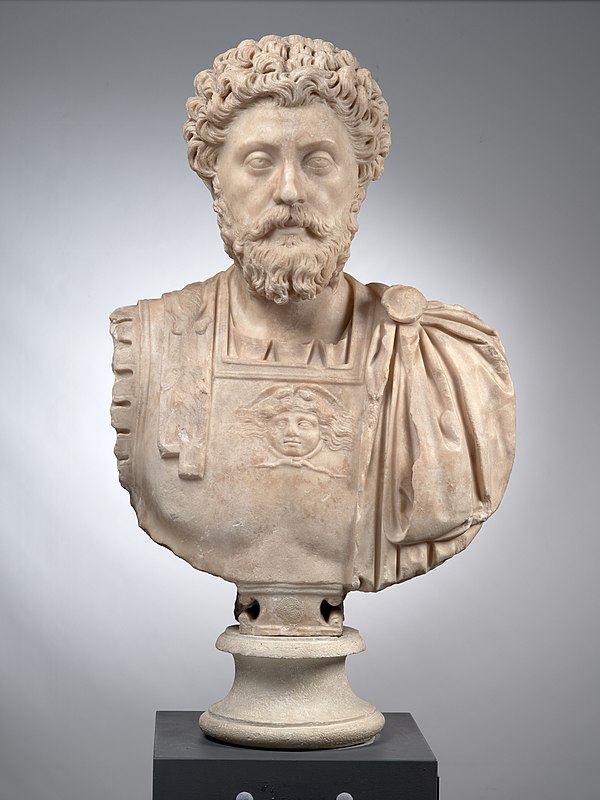
In the words of Marcus Aurelius, we are invited to reflect on the virtues and strengths we possess, urging us to cultivate a sense of gratitude for them. He implores us to consider how deeply we would yearn for these qualities if they were absent from our lives. This contemplation is not merely an exercise in self-affirmation; it is a profound reminder of the importance of recognizing our inherent worth and the gifts we often take for granted. In a world that frequently emphasizes what we lack, Aurelius’s wisdom serves as a gentle nudge to shift our focus toward appreciation and acknowledgment.
Gratitude, as Aurelius suggests, is not a passive emotion but an active practice that requires mindfulness and intention. By taking stock of our excellencies, we engage in a transformative process that can reshape our perception of ourselves and our circumstances. This act of recognition fosters resilience and contentment, allowing us to navigate life's challenges with a more balanced perspective. In a society that often promotes comparison and dissatisfaction, Aurelius’s call to gratitude becomes a radical act of self-acceptance and inner peace.
The image / the metaphor
At the heart of Aurelius's quote lies a vivid imagery of self-reflection and acknowledgment. The phrase "take full account" suggests a deliberate and thorough examination of one's qualities, akin to an inventory of treasures. The verbs chosen—“take,” “remember,” and “hanker”—evoke a sense of active engagement with our inner lives. This process is not merely about recognizing what we have but also about understanding the depth of our desires and the potential void that could arise from their absence. It paints a picture of a person standing at the crossroads of appreciation and longing, where gratitude can illuminate the path forward.
Diving deeper into the metaphor, Aurelius encourages us to confront the duality of human experience: the tension between what we possess and what we desire. This duality can lead to a profound realization that our excellencies, often overlooked, are the very foundation of our well-being. By cultivating gratitude for these qualities, we not only enhance our self-awareness but also nurture a sense of connection to the world around us. The metaphor extends beyond mere acknowledgment; it invites us to engage in a dialogue with ourselves about the nature of fulfillment and the richness of our inner lives.
In the speaker's tradition
Marcus Aurelius, a central figure in Stoicism, emphasizes the importance of virtue and self-examination as pathways to a meaningful life. His teachings resonate with the concept of dharma in Eastern philosophies, where recognizing one's inherent qualities aligns with fulfilling one's purpose. Just as dharma encourages individuals to embrace their unique attributes and responsibilities, Aurelius’s call to gratitude invites us to honor our excellencies as essential components of our existence. This alignment with virtue fosters a sense of harmony within ourselves and with the universe.
In his seminal work, "Meditations," Aurelius often reflects on the transient nature of life and the importance of living in accordance with our values. This echoes the Buddhist concept of sunyata, or emptiness, which teaches that our attachments to desires can lead to suffering. By recognizing and appreciating our strengths, we can transcend the emptiness of longing and cultivate a sense of fulfillment rooted in the present moment. Aurelius’s wisdom thus serves as a bridge between Stoic and Eastern philosophies, inviting us to find balance through gratitude and self-awareness.
Living the teaching
Consider a modern scenario where this teaching can take root: imagine a professional grappling with feelings of inadequacy in a competitive workplace. In such an environment, it is easy to overlook personal strengths and contributions, focusing instead on perceived shortcomings. By taking full account of their excellencies—perhaps their creativity, problem-solving skills, or ability to collaborate—this individual can shift their perspective from one of scarcity to one of abundance. This practice of gratitude not only enhances their self-esteem but also fosters a more positive work environment, encouraging colleagues to recognize their own strengths.
In the realm of relationships, Aurelius's teaching can also find profound application. Picture a couple facing a challenging moment, where frustrations may overshadow the love and respect they hold for one another. By consciously recalling the excellencies each partner brings to the relationship—such as kindness, support, and shared values—they can cultivate a renewed sense of appreciation. This act of gratitude can serve as a balm, healing rifts and reinforcing the bond between them. In both scenarios, the practice of gratitude becomes a transformative tool, allowing individuals to navigate life's complexities with grace and resilience.
A reflection
As we contemplate Marcus Aurelius's invitation to recognize our excellencies and embrace gratitude, we are left with a poignant question: What would shift in your life if you took a moment each day to acknowledge the strengths you possess? This inquiry invites us to explore the depths of our inner landscape, encouraging a practice of reflection that can lead to greater self-acceptance and fulfillment. In a world that often pulls us toward dissatisfaction, this simple yet profound question can serve as a guiding light, illuminating the path toward a more grateful and enriched existence.


