




What is Gong?
A gong is a large, flat percussion instrument made of metal alloy—typically bronze, brass, or other copper-tin composites—that produces rich, complex overtones when struck with a mallet. Unlike bells or cymbals, gongs are characterized by their broad, flat or slightly convex surface and their ability to generate layered, sustained vibrations that can fill a space with immersive sound. In spiritual and healing contexts, gongs are used to induce meditative states, facilitate energetic release, and create sonic environments for deep relaxation. The instrument exists in many forms across Asian, Southeast Asian, and Western ceremonial traditions, ranging from small hand gongs to massive temple instruments weighing hundreds of pounds.
Origins & Lineage
The gong’s origins are debated, but archaeological and historical evidence points to Southeast Asia and China as early centers of development. Bronze gongs have been found in Chinese tombs dating to the Bronze Age (c. 3500 BCE), and the instrument appears prominently in Chinese ritual music by the Zhou Dynasty (1046–256 BCE). In Southeast Asia—particularly Indonesia, Burma, Thailand, and the Philippines—gongs became central to gamelan ensembles, religious ceremonies, and community gatherings, with some cultures attributing spiritual power to the instrument itself.
The word “gong” likely entered European languages through Malay or Javanese, where “gong” or “agong” referred to large ceremonial instruments. By the 17th century, European traders and colonizers encountered gongs in Southeast Asian courts and temples, eventually incorporating them into Western orchestral and avant-garde music. The Paiste company in Switzerland began manufacturing gongs in the early 20th century, and the German firm Meinl followed suit, creating instruments specifically designed for therapeutic and meditative use rather than purely musical performance.
In the mid-20th century, the gong entered Western healing and consciousness work through several streams: Kundalini Yoga as taught by Yogi Bhajan prominently featured the gong in sound healing practices beginning in the 1970s; experimental composers like John Cage and Karlheinz Stockhausen explored the gong’s timbral possibilities; and therapists influenced by Eastern traditions began using gong baths—immersive sound sessions—as a modality for stress relief and altered states.
How It’s Practiced
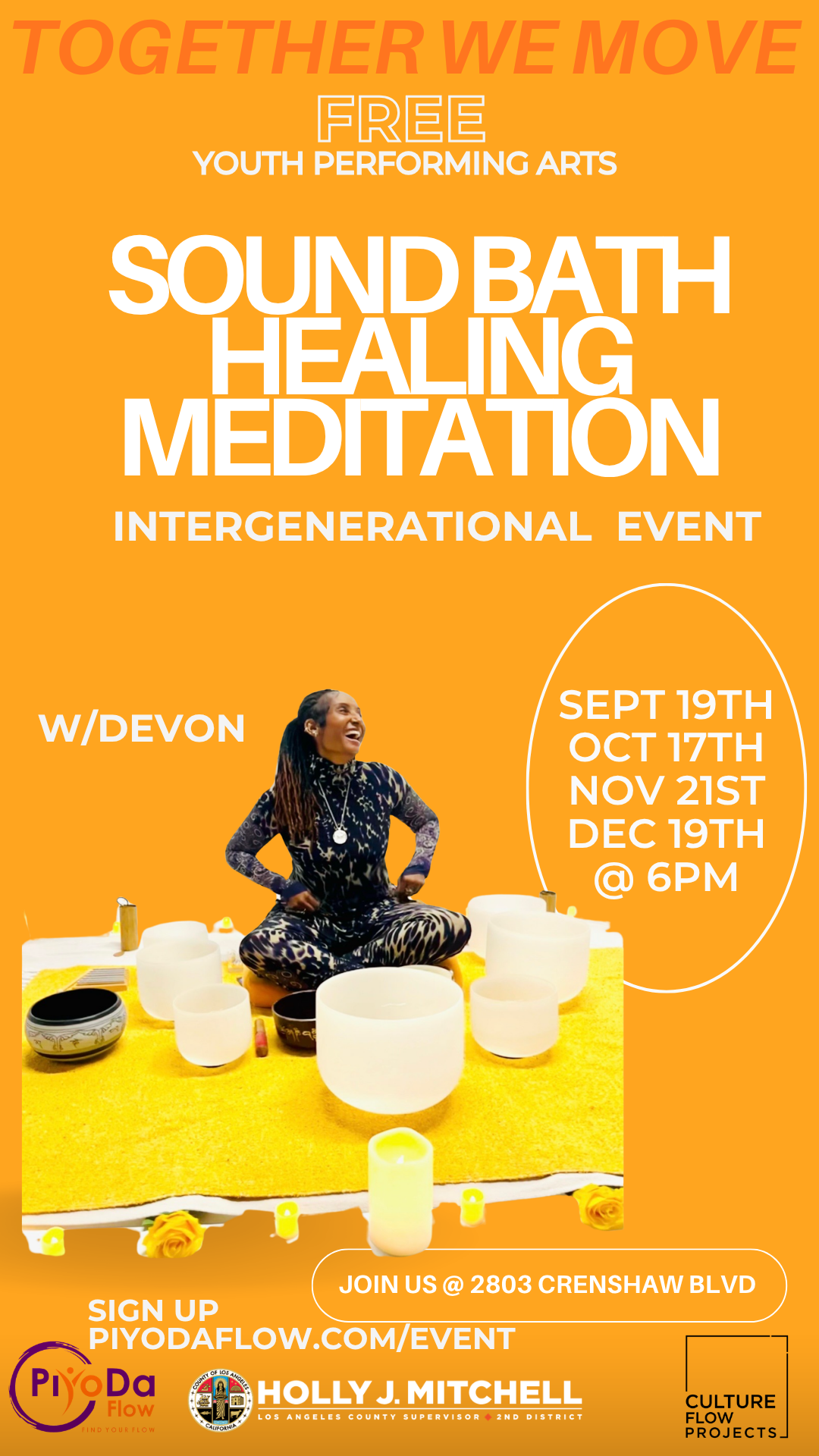
In spiritual and healing contexts, the gong is most commonly experienced in a “gong bath” or “gong meditation,” where participants lie down (often on yoga mats with blankets) while a trained facilitator plays one or more gongs for 30 to 90 minutes. The sound is not melodic in a conventional sense; instead, it builds in waves, creating a dense field of overtones, harmonics, and vibrations that listeners report as physically palpable. Practitioners describe the experience as moving through distinct phases: an initial wave of sound, a middle period of deep immersion where the boundary between self and sound dissolves, and a gradual return as the sound diminishes.
The gong is also used in Kundalini Yoga classes, often played during final relaxation (savasana) or specific meditative practices. In these settings, the gong is said to work on the subtle body, clearing energetic blockages, stimulating the nadis (energy channels), and supporting the movement of prana. Some practitioners believe the gong’s complex vibrations can recalibrate the nervous system, shifting the listener from sympathetic (fight-or-flight) to parasympathetic (rest-and-digest) dominance.
Traditionally, in Javanese and Balinese gamelan, the gong marks time and punctuates musical cycles, serving both a structural and a spiritual function. In Tibetan Buddhist monasteries, large flat gongs are struck to signal transitions between meditation periods and ceremonies. The playing technique varies widely: some facilitators use soft mallets to create gentle, undulating waves; others employ harder mallets or rapid strikes to produce intense, cathartic crescendos.
Gong Today
Today, gong baths and gong meditation sessions are offered at yoga studios, wellness centers, retreat facilities, and dedicated sound healing practices across North America, Europe, and Australia. Many practitioners integrate the gong with other modalities—crystal singing bowls, voice, and ambient music—to create multi-layered sonic experiences. Recordings of gong sessions are available on streaming platforms, though practitioners generally agree that live experience is more potent due to the physical vibration and spatial resonance.
Training programs for gong facilitators are offered through organizations such as the Gong Training Center, the College of Sound Healing, and schools affiliated with Kundalini Yoga lineages. These courses typically cover gong history, playing techniques, therapeutic applications, and safety considerations (such as contraindications for people with pacemakers or severe tinnitus). The market for therapeutic gongs has expanded, with manufacturers producing instruments tuned to specific frequencies, planetary ratios (inspired by Hans Cousto’s Cosmic Octave), and cultural traditions.
The gong has also entered academic research on sound therapy, with preliminary studies examining its effects on stress, pain, and mood. While the evidence base remains limited, self-reported outcomes from gong bath participants consistently include deep relaxation, emotional release, and altered states of consciousness.
Common Misconceptions
The gong is not a Tibetan instrument, despite frequent association with Tibetan Buddhism in Western marketing. While Tibetan monasteries do use gongs, the large “tam-tam” style gongs most common in sound healing trace their lineage to Chinese and Southeast Asian traditions, not Tibet. Tibetan Buddhist practice centers more on bells, singing bowls, horns, and drums.
Gong baths are not universally safe or pleasant. Some individuals find the intensity of the sound overwhelming, triggering anxiety, migraines, or emotional distress. Responsible facilitators screen participants for contraindications and provide options to leave or reduce exposure. The claim that gongs “reorganize cellular structure” or “clear karma” lacks empirical support; effects are better understood through nervous system regulation, auditory entrainment, and the psychological impact of ritual.
Finally, not all gongs are the same. A Chinese wind gong, a Paiste symphonic gong, and a Javanese gamelan gong produce vastly different sounds and serve different functions. The choice of instrument matters significantly in therapeutic contexts.
How to Begin
The most direct way to experience gong is to attend a local gong bath or sound healing session. Search for “gong meditation near me” or check listings at yoga studios and holistic centers. Arrive with an open mind, comfortable clothing, and realistic expectations—this is a sensory and somatic practice, not a quick fix.
For home exploration, recordings by practitioners such as Don Conreaux (known as the “Gong Master”), Aidan McIntyre, and Sheila Whittaker offer high-quality introductions, though they cannot replicate the physical vibration of live play. The book The Gong by Tom Klower provides a comprehensive overview of history, physics, and therapeutic use, while Gongs & Other Percussion by the same author offers practical guidance for those considering purchasing an instrument.
If drawn to learn gong facilitation, seek out established training programs with clear lineage and ethical frameworks. Expect a multi-year path of study, as mastery of the instrument requires not only technical skill but deep listening, sensitivity to group dynamics, and understanding of trauma-informed practice. The gong is a powerful tool; those who wield it carry responsibility for the spaces they create.


