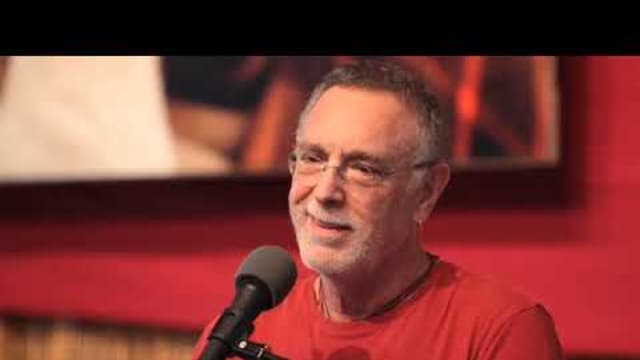
This live kirtan performance centers on the "Radhe Govinda" mantra—a sacred Sanskrit formula that purifies the heart and mind, awakening the listener to their innate divine nature. Mantra, derived from Sanskrit roots meaning "that which liberates and cleanses the mind," functions as a vehicle for spiritual awakening when vibrated repeatedly with intention. The performance demonstrates how transcendental sound—channeled through melody, rhythm, and collective participation—can shift consciousness and bring genuine inner satisfaction.
A mantra is not merely a word or phrase to be repeated mechanically. According to the traditional understanding embedded in this kirtan practice, a mantra is a sacred sound formula designed to purify the heart and mind over time. The Sanskrit root reveals the mechanism: "that which liberates and cleanses the mind." When a mantra is vibrated repeatedly—whether aloud, silently, or through listening—it works on multiple levels simultaneously: it stabilizes attention, harmonizes the nervous system, and creates an opening through which the "innate brilliance within" can shine outward into every aspect of life.
The Radhe Govinda mantra specifically addresses the awakening of the heart. In bhakti yoga traditions, the heart is understood not merely as an emotional center but as the seat of one's deepest spiritual nature. By calling upon Radhe (Radha, the divine feminine principle of love and devotion) and Govinda (Krishna, the divine masculine principle of joy and grace), the mantra invokes both aspects of divine consciousness that reside within the practitioner.
Traditions across history and around the world—from Vedic chanting in India to Gregorian hymns in Christianity to sacred indigenous songs—have recognized that sound carries consciousness-altering potential. This is not mystical speculation but an observable phenomenon: vibration, when aligned with sacred intention and archetypal meaning, influences the listener's neurological and energetic state. In the context of bhakti yoga, sound serves as a bridge between the manifest and the transcendent.
The power of transcendental sound works through several channels. First, it anchors attention in the present moment—a fundamental requirement for any contemplative practice. Second, it creates a vibrational resonance that can bypass the thinking mind and speak directly to what bhakti traditions call the heart or soul. Third, when sound is shared collectively (as in kirtan), it generates a field of devotion and unity that amplifies individual experience and creates mutual support for the awakening process.
This particular arrangement of Radhe Govinda was inspired by contemporary kirtan masters including Krishna Das and others who have refined the integration of Western musical traditions with Eastern spiritual practice. The arrangement features "joyful free playing and crowd participation" at the entry point—an intentional design choice to create a mood that inspires loving devotion rather than somber introspection.
The instrumentation—combining piano, double bass, violin, percussion, guitar, saxophone, flute, and tabla—does more than provide aesthetic appeal. Each instrument's voice within the ensemble creates harmonic and rhythmic layers that support the mantra's penetration into consciousness. The tabla, in particular, maintains the heartbeat of the kirtan, anchoring practitioners in the present moment while the melodic instruments carry the emotional and spiritual content upward. This marriage of technical musicianship and devotional intent creates a container within which transformation can occur naturally.
One of kirtan's most distinctive features is its capacity to dissolve the boundaries between individual and collective. As multiple voices sing the mantra in unison or in call-and-response patterns, each person's attention naturally synchronizes with the group's energy. This creates what can be understood as a coherent field of devotion—a shared space where the heart of each participant resonates with the hearts of all others present.
In such a field, personal self-consciousness tends to fall away. The individual ego, which ordinarily maintains vigilant separation from others, relaxes. What remains is the direct experience of singing, of vibration, of the mantra moving through one's body and breath. This shift from isolated consciousness to participatory consciousness is one of kirtan's primary offerings—it provides a direct, embodied experience of our fundamental interconnection with all life.
Radha and Krishna appear throughout Hindu and bhakti traditions as archetypal principles of divine love and consciousness. Radha represents the ultimate devotee—the soul in its pure condition of surrender and longing for union with the divine. Krishna represents the divine itself in its most accessible, playful, and intimate manifestation. Neither can be fully understood apart from the other; their relationship is a cosmic dance of call and response, of devotion and grace.
In mantra practice, calling upon Radhe Govinda is not asking an external deity for favor but rather invoking these principles of devotion and divine consciousness as capacities within oneself. The mantra works by activation—by repeatedly sounding these sacred syllables, the practitioner aligns their own consciousness with the frequencies these names represent. Over time, this alignment allows the devotional impulse (Radha principle) and the experience of divine joy and liberation (Krishna principle) to increasingly dominate one's awareness.
The transformative mechanism of mantra practice operates gradually, through consistent application. Each repetition—whether in formal meditation, during kirtan, or integrated into daily life—deposits subtle impressions on the mind and nervous system. Like water gradually wearing smooth a stone, or like a path becoming clearer the more it is walked, the mantra creates grooves of spiritual receptivity in consciousness.
Over time, practitioners often report shifts in their baseline emotional state: less reactivity, more ease, spontaneous moments of joy without external cause, and increasing capacity to access inner peace regardless of outer circumstance. These are not supernatural effects but the natural result of training attention, stabilizing the nervous system, and repeatedly orienting consciousness toward its own deepest nature. The mantra does not grant you something you do not have; rather, it removes the obstacles that prevent your inherent brilliance from shining through.
This live performance at Union Chapel in London demonstrates several design principles that maximize kirtan's effectiveness. First, the musicianship is genuine and refined—the musicians are not performing mantra as entertainment but as a sincere spiritual practice. This authenticity creates a container of integrity within which listeners can feel safe to open their hearts. Second, the arrangement balances structure with spontaneity; there is clear melodic and rhythmic form, but within that form there is room for the energy to build organically and for participants to add their own voices and presence.
Third, the performance is filmed and shared, which extends kirtan's reach beyond those physically present. Listening to a recording of kirtan carries real power, though the live experience—with its shared physical space, synchronized breathing, and collective intention—remains the primary delivery system. For those who cannot attend live events, recorded kirtan provides a genuine tool for practice and for accessing the benefits of mantra and transcendental sound.
If you are drawn to exploring mantra and kirtan practice, begin simply. Choose a mantra that resonates with you—Radhe Govinda is powerful, but other traditions offer equally potent formulas. Commit to a modest daily practice: ten to twenty minutes of repetition, either aloud, whispered, or silently in the mind. Many practitioners find that singing or chanting the mantra while listening to kirtan recordings creates the optimal combination of technical support and personal engagement.
Attend a live kirtan event if possible. The experience of singing with others in real time, guided by accomplished musicians and teachers, carries a power that solitary practice cannot fully replicate. Approach the practice with genuine interest and openness rather than with the goal of achieving a specific state. The mantra works best when held lightly—when repeated with sincerity but without grim effort or excessive expectation. Allow several weeks or months before evaluating results; mantra practice is not a quick fix but a gradual, cumulative process of awakening.