BrightStar

Ver todos os Events

Descubra encontros conscientes

events

Yoga
Meditation
Breathwork
Qigong
Tai Chi
Sacred Music
World Music
Medicine Music
Sound Healing
Ecstatic Dance
Destinos populares
BaliSedonaLos AngelesCosta RicaNew YorkSan FranciscoAustinMiamiJoshua TreeTulum
Ver todas as categoriasVer todos os destinos

Explorar todos os recursos

Ferramentas poderosas para expandir seus eventos

Recursos da plataforma

Precificação dinâmica inteligente
Categorias de ingressos
Lugares marcados
Recuperação de carrinho abandonado
Recuperação de visitantes
Doações e preço variável
Sistema de afiliados
Scanner de ingressos
Códigos de desconto
Perguntas personalizadas
Compartilhamento de ingressos
Upsells e adicionais
Análises e relatórios
Sequências de e-mail
Lista de espera / Notificar / Lembrar
Pessoas e Lugares
Artists & TeachersEvent OrganizersVenues & StudiosKnowledge BaseGlossaryInspiration
Ver todos os recursosSobre nós
PreçosBlog
Language
Saved events
Ver todos os eventos

events

YogaMeditationBreathworkQigongTai ChiSacred MusicWorld MusicMedicine Music

Destinos populares

BaliSedonaLos AngelesCosta RicaNew YorkSan Francisco

Pessoas e Lugares

Artists & TeachersEvent OrganizersVenues & StudiosKnowledge BaseGlossaryInspiration

Recursos da plataforma

Precificação dinâmica inteligenteCategorias de ingressosLugares marcadosRecuperação de carrinho abandonadoRecuperação de visitantesDoações e preço variávelSistema de afiliadosScanner de ingressosCódigos de descontoPerguntas personalizadasCompartilhamento de ingressosUpsells e adicionaisAnálises e relatóriosSequências de e-mailLista de espera / Notificar / Lembrar
Ver todos os recursosSobre nós
PreçosBlog
EntrarBuscadoresCriadores
  • Ver todos os Eventos
  • Para buscadores
  • Yoga
  • Meditação
  • Respiração consciente
  • Qigong
  • Tai chi
  • Música sagrada
  • World music
  • Música de medicina
  • Terapia sonora
  • Dança extática
  • Retiros
  • Workshops
  • Todas as categorias →
  • Bali
  • Sedona
  • Los Angeles
  • Costa Rica
  • Tulum
  • Byron Bay
  • San Francisco
  • Austin
  • New York
  • San Diego
  • Denver
  • Seattle
  • Portland
  • Miami
  • Todas as cidades →
  • Join the Movement
  • Why we list
  • Sell Globally
  • Para criadores
  • Para equipes
  • Para escritores
  • Para professores
  • Para artistas de kirtan
  • Para estúdios
  • Para festivais
  • Para centros de retiro
  • Para organizações sem fins lucrativos
  • Embaixador da marca
  • Ingressos grátis
  • Elevate
  • Amplify
  • Rede de 500K+ compradores
  • Recuperação de carrinho abandonado
  • Precificação dinâmica inteligente
  • Categorias de ingressos
  • Eventos recorrentes
  • Lugares marcados
  • Sistema de afiliados
  • Lista de espera / Notificar
  • Scanner de ingressos
  • Widget incorporável
  • Distribuição de eventos
  • Central de mensagens
  • Integrações
  • Relatórios
  • Todos os recursos →
  • Sobre
  • O ecossistema
  • Blog
  • Glossário
  • Inspiração
  • Central de ajuda
  • Contato
  • Documentação da API
  • Recursos da marca
  • Carreiras
  • Imprensa
  • Termos de Serviço
  • Política de Privacidade

Eventos

  • Ver todos os Eventos
  • Para buscadores
  • Yoga
  • Meditação
  • Respiração consciente
  • Qigong
  • Tai chi
  • Música sagrada
  • World music
  • Música de medicina
  • Terapia sonora
  • Dança extática
  • Retiros
  • Workshops
  • Todas as categorias →

Destinos

  • Bali
  • Sedona
  • Los Angeles
  • Costa Rica
  • Tulum
  • Byron Bay
  • San Francisco
  • Austin
  • New York
  • San Diego
  • Denver
  • Seattle
  • Portland
  • Miami
  • Todas as cidades →

Para criadores

  • Join the Movement
  • Why we list
  • Sell Globally
  • Para criadores
  • Para equipes
  • Para escritores
  • Para professores
  • Para artistas de kirtan
  • Para estúdios
  • Para festivais
  • Para centros de retiro
  • Para organizações sem fins lucrativos
  • Embaixador da marca
  • Ingressos grátis
  • Elevate
  • Amplify

Recursos

  • Rede de 500K+ compradores
  • Recuperação de carrinho abandonado
  • Precificação dinâmica inteligente
  • Categorias de ingressos
  • Eventos recorrentes
  • Lugares marcados
  • Sistema de afiliados
  • Lista de espera / Notificar
  • Scanner de ingressos
  • Widget incorporável
  • Distribuição de eventos
  • Central de mensagens
  • Integrações
  • Relatórios
  • Todos os recursos →

Empresa

  • Sobre
  • O ecossistema
  • Blog
  • Glossário
  • Inspiração
  • Central de ajuda
  • Contato
  • Documentação da API
  • Recursos da marca
  • Carreiras
  • Imprensa
  • Termos de Serviço
  • Política de Privacidade
BrightStar
Baixe o app
Baixar naApp StoreDisponível noGoogle Play
© 2026 BrightStar. Todos os direitos reservados.
Inspiration

Bluegrass Bass Playing: A 4-Step Approach to Building the Groove

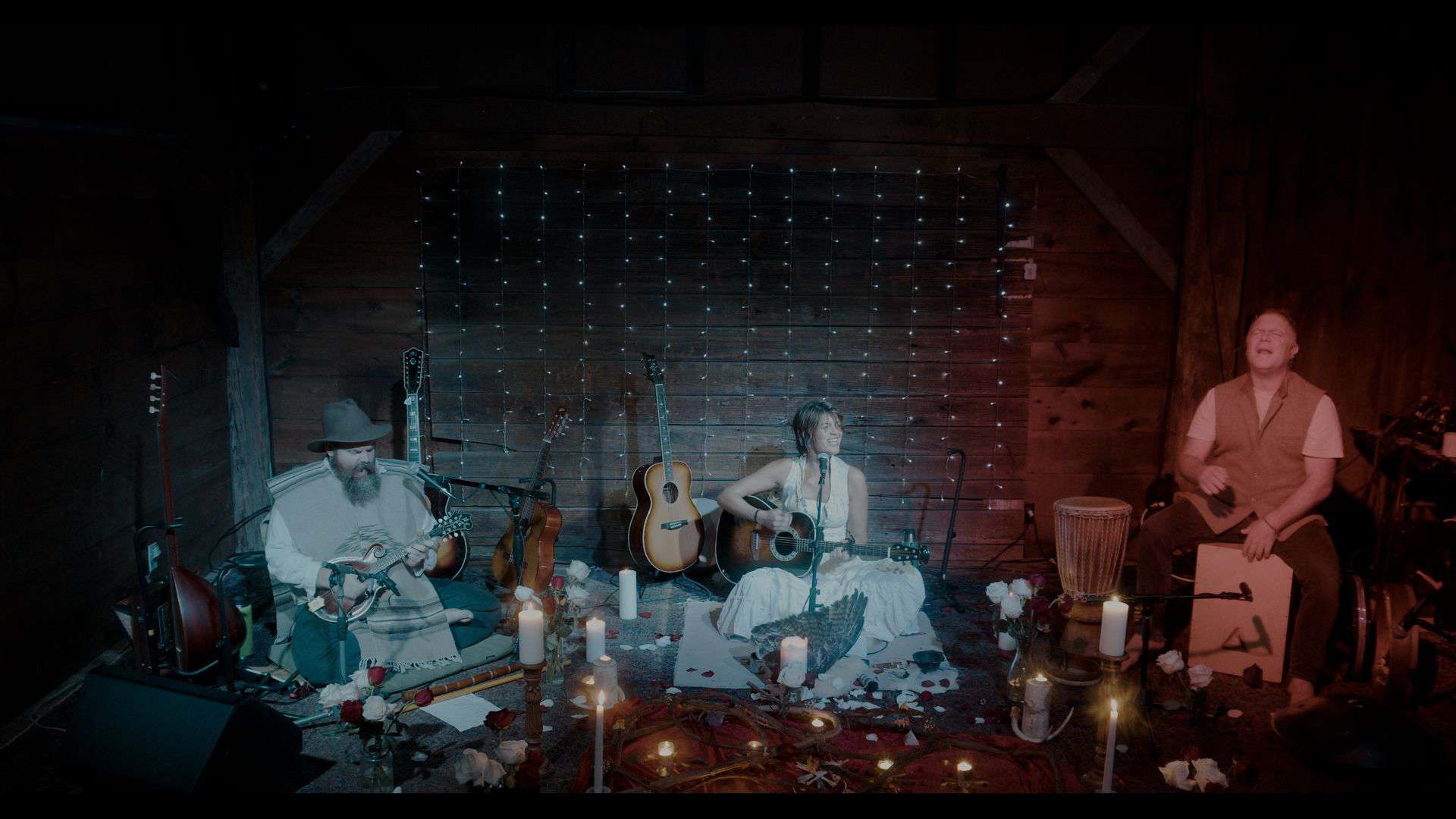
The Rememberers
The Rememberers
Oct 27, 2015
5 min de leitura
Assistir · 4

Bluegrass bass playing rests on four foundational pillars: time, tone, note choice, and rhythmic development. Rather than treating these as advanced techniques, they form the core vocabulary of every groove. Nate Sabat demonstrates how manipulating note length in relation to tempo—shortening notes on mandolin backbeats—creates the forward momentum that defines bluegrass feel, distinguishing a propulsive baseline from one that sits flat.

Leitura · 5 seções

What Are the Four Pillars of Bluegrass Bass?

Nate Sabat, a Boston-based bluegrass bass player and instructor at Passim School of Music, organizes upright bass instruction around four sequential concepts: time, tone, note choice, and rhythmic development. Rather than treating these as isolated techniques, Sabat presents them as a building block framework. Students move through them in order because each layer depends on the previous one. You must internalize the timing grid before you can sculpt tone meaningfully; you must own your tone before making intelligent choices about which notes to voice; and only after establishing those three foundations can you develop sophisticated rhythmic variation. This modular approach makes the learning process cumulative and less overwhelming than attempting to master all four simultaneously.

How Does Note Length Shape Bluegrass Groove?

The first pillar—time—is not simply about keeping the beat. It concerns how long each note lives in the rhythm section. Sabat's demonstration centers on a single, practical aspect of time: the relationship between note duration and tempo. In bluegrass, particularly at medium-fast tempos, the duration of bass notes directly affects whether a groove feels propulsive or slack.

Using "Blue Ridge Cabin Home," a standard bluegrass tune played at medium-fast tempo, Sabat illustrates the difference between two approaches:

  • Full-length notes: Playing each bass note for its written duration creates a foundational baseline but often sounds predictable or static.
  • Shortened notes: Deliberately shortening note durations—especially notes that fall on mandolin backbeats—creates a responsive, forward-moving feel that locks the groove.

The shortened note approach works because it creates "space" in the rhythm section. When the mandolin player hits their backbeat, if the bass note is still ringing, the two sounds collide and muddy the pocket. By cutting the bass note short before the mandolin attack, the bass player creates a pocket for that backbeat to land cleanly. This interaction between instruments is not incidental—it is the engine of bluegrass groove. The bass is not just keeping time; it is actively shaping the space where the rest of the band breathes.

Why Does Tempo Determine Note Length?

Sabat emphasizes that note-length choices depend entirely on the tempo of the song. At different speeds, the same note value sounds different rhythmically. A half-note shortened to three-quarters of its written value works for a medium-fast tune but might collapse the groove at a slower tempo, where more sustain is needed. Conversely, in a very fast bluegrass number, notes might need to be clipped even shorter.

This reveals a deeper principle: bluegrass bass is about adaptive listening, not rule-following. The player must hear the mandolin's backbeat and adjust their own phrasing to interact with it. The tempo dictates how extreme that adjustment must be. Learning to hear this relationship—and to internalize the tiny adjustments required—is the core skill Sabat teaches under the umbrella of "time."

What Does the Demonstration Reveal About Ensemble Playing?

Sabat's side-by-side demonstration of "Blue Ridge Cabin Home" with full-length notes and then with shortened notes is pedagogically deliberate. The first version establishes that a standard, technically correct baseline is playable. But the second version—the refined version—reveals that technical correctness is only half the story. A bass note can be perfectly in tune and perfectly on the beat and still fail to serve the ensemble because its duration disrupts the pocket.

This points to a larger truth in ensemble bluegrass playing: the bass is not a solo instrument that happens to be in a band. The bass is a structural member of the rhythm section, and its primary job is to create the conditions for the band to groove. That job requires active, responsive choices about tone, duration, and phrasing—not just accurate note reading. The shortened-note technique is one tool among many that Sabat covers in his full class, but it demonstrates the principle: every note is a choice, and every choice either supports or undermines the collective groove.

Where to go from here

Sabat's four-step framework—time, tone, note choice, and rhythmic development—is the curriculum of his Bluegrass Bass Playing class at Passim School of Music. If you are learning upright bass and want to move beyond reading and keeping time, this progression offers a clear ladder. Start by internalizing your tempo and the relationship between note duration and ensemble texture. Listen critically to recordings of bluegrass bands and notice how the bass player shortens or lengthens notes relative to the mandolin's attack. Record yourself playing a standard like "Blue Ridge Cabin Home" in two versions—one with full note values, one with strategic shortening—and hear the difference in groove and pocket. Join or start a small ensemble so you can feel these principles in real time, where the interplay between bass and mandolin becomes immediately obvious. The goal is not to memorize rules but to develop an ear that hears the bass as a responsive, dynamic voice in the band.

Comments

Loading the conversation…

Transcript

[0:00] hey guys my name is Nate sabot I'm a

[0:03] Bluegrass bass player here in Boston and

[0:05] this upcoming semester I'll be teaching

[0:06] a class called Bluegrass bass playing a

[0:08] four-step approach and uh the four steps

[0:10] I like to use are called time tone no

[0:13] choice and rhythmic development and

[0:15] we'll be going through them in that

[0:17] order in the class

[0:18] today I want to demonstrate quickly one

[0:21] of the aspects of time that we'll be

[0:22] touching on

[0:24] it's all about note length and uh kind

[0:27] of in regards to specific tempos we play

[0:30] in a bluegrass band so with a song like

[0:33] Blue Ridge cabin home which is usually

[0:35] medium fast tempo I always like to

[0:38] shorten those notes enough so they kind

[0:40] of work off the mandolin BackBeat and

[0:42] and Propel the groove forward so first

[0:44] I'll demonstrate Blue Ridge cabin home

[0:45] Baseline with no short notes and then

[0:47] I'll try it again with those notes

[0:49] shortened

[0:57] foreign

[1:05] so now those short notes

[1:16] foreign

[1:23] so that's just one of the many

[1:24] techniques we'll be covering in the

[1:26] class and I hope to see you there

The Rememberers
ArtistThe Rememberers

The Rememberers is a musical collective known for blending indigenous practices, folk traditions, and contemporary spiritual music into live performances designed to foster communi…

Ver perfilSite
Explorar temas
Bluegrass-bassUpright-bassNote-lengthGroove-pocketEnsemble-playing

Tem perguntas?

Perguntas frequentes

You deliberately cut the duration of a note before its written value ends, releasing the string or muting it to create space for other instruments—particularly the mandolin's backbeat. The exact amount of shortening depends on the tempo; faster tempos typically require more aggressive shortening to maintain pocket clarity.
Note length controls whether the rhythm section feels propulsive or flat. Shortened notes at the right moments create a responsive pocket where the mandolin's backbeat lands cleanly, while full-length notes can muddy the groove by allowing bass and mandolin to collide sonically.
The four steps are time, tone, note choice, and rhythmic development, taught in that order. Each pillar builds on the previous one: you master timing and note duration before refining tone, then make intelligent choices about which notes to voice, and finally develop sophisticated rhythmic variation.
Tempo determines how much note shortening is needed to maintain groove. Medium-fast tempos like 'Blue Ridge Cabin Home' require moderate shortening; very fast tempos need even shorter notes, while slower tunes may need more sustain. The player must adapt note length responsively to each song's speed.
The mandolin backbeat is the percussive attack the mandolin player lands on off-beats. The bass responds by shortening or muting notes before this attack so the two instruments don't collide sonically, allowing the backbeat to land clearly in the pocket and propel the groove forward.

Continuar lendo

More from The

Ver Tudo
Lori McKenna Band Live: Songs of Home, Family & Longing
Inspire

Lori McKenna Band Live: Songs of Home, Family & Longing

Lori McKenna performs an intimate live set at Club Passim with stories behind songs about family, loss, and belonging in pandemic times.…

1 min read
Lori McKenna Album Release: Stories in Song and Craft
Inspire

Lori McKenna Album Release: Stories in Song and Craft

Lori McKenna performs her new album live at Club Passim, exploring songwriting craft through character-driven narratives and deeply personal…

1 min read
Om Namah Shivaya Live Kirtan: Call, Response and the Shiva Chant
Inspire

Om Namah Shivaya Live Kirtan: Call, Response and the Shiva Chant

A live kirtan of Om Namah Shivaya, recorded at Medicine Festival 2026 in Reading, moves from slow mantra into ecstatic chant. Here is what t…

1 min read
Awareness Beyond the Person: The Direct Path to Universal Consciousness
Inspire

Awareness Beyond the Person: The Direct Path to Universal Consciousness

At Monte Sahaja, a seeker discovers that consciousness itself—not the person—is the unchanging witness of all experience. A radical shift in…

1 min read

Continue explorando

Continue sua jornada

Mais sabedoria e mais encontros de todo o diretório BrightStar.

Mais artigos

Explore a biblioteca completa de ensinamentos, entrevistas e guias.

Voltar a todos os artigos →

Professores e artistas

Conheça as linhagens, os músicos e os guias do mundo consciente.

Explorar artistas →

Encontre um evento

Kirtan, retiros, banhos de som, breathwork, festivais — acontecendo em breve.

Ver eventos →