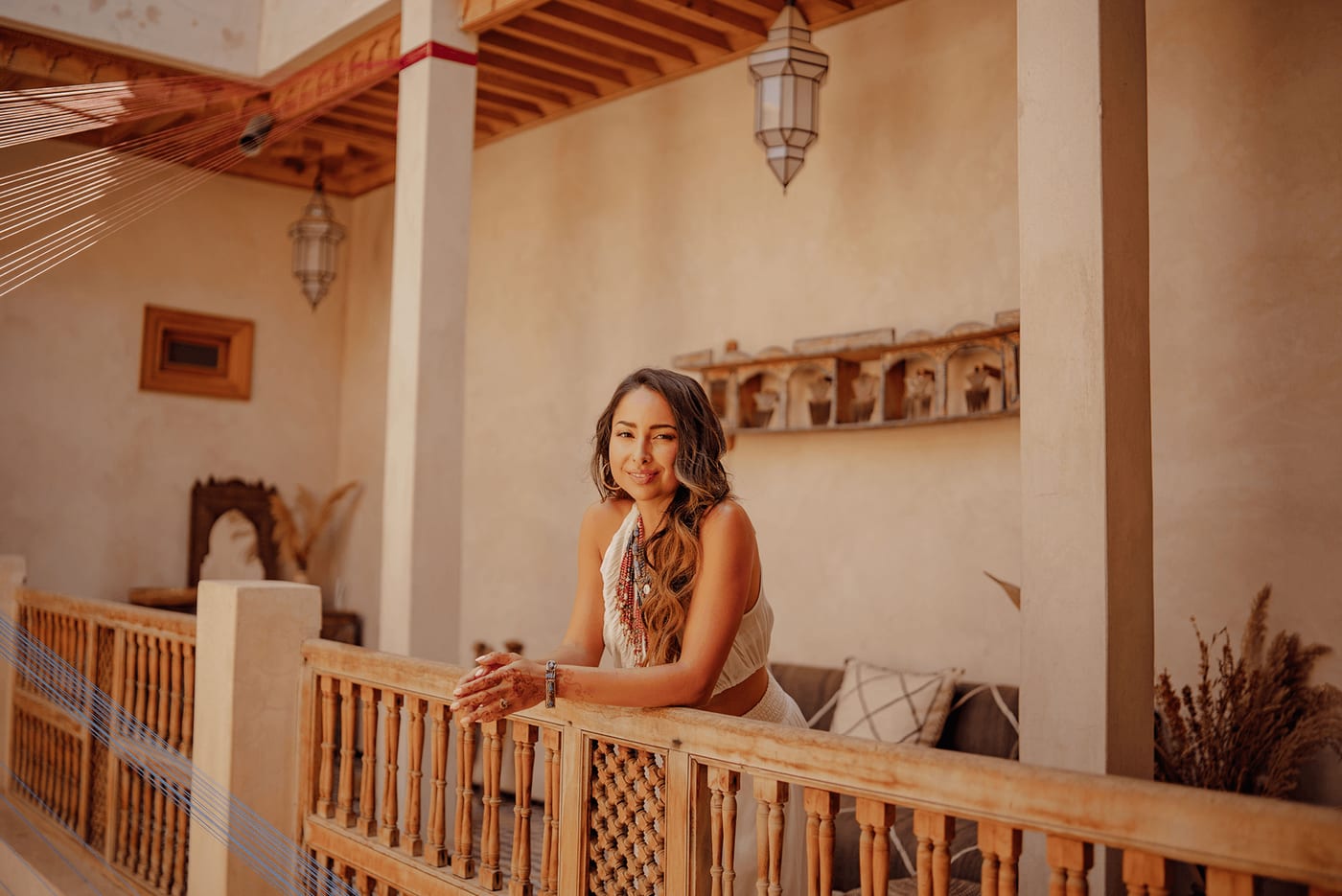

"Tall, Dark and Handsome" arrived on December 4, 2024, as a single with one track. It came in the same year as her album My Body Is An Altar, and it sits among a run of recent singles that includes "Sexy Dark Night Of The Soul," "Wine Ya Waistline," and "Naughty Girl." Sahara Rose is best known as a bestselling author, spiritual teacher and host of the Highest Self Podcast, so the music reads as another channel for what she teaches elsewhere: spirituality that is felt and lived rather than theorized. This single is a small, focused piece of that larger body of work. It is not a statement album, and it is better heard as a snapshot of where her creative attention was in late 2024.
Documentation of her production choices is thin, so this guide stays modest about specifics. I won't list instruments or name collaborators, because none are confirmed. What can be said comes from the context around the release. Her music is described as sitting in a contemporary space that bridges pop accessibility with sacred themes, and the titles of her recent singles point to rhythmic, playful and sensual material rather than slow, hushed devotional sound. "Tall, Dark and Handsome" belongs to that group of titles. It is a phrase borrowed from the language of romance and flirtation, which signals tone before a note plays: wry, warm, and not solemn.
Expect a record built to be inhabited with the body. That is consistent with her wider teaching, which treats desire, sensuality and heartbreak as legitimate sacred subjects rather than distractions from awakening. If you come looking for drones, long silences or reverent chant, you are in the wrong room.
Because this is a single, there is one track to name: "Tall, Dark and Handsome." What makes it land is the audacity of its premise. Most spiritual teachers keep romantic longing at arm's length, or treat it as something to rise above. Sahara Rose puts it front and center, with a title that sounds more like a pop single than a practice. That framing is the point. The piece invites you to treat attraction and longing as part of the spiritual landscape, consistent with her refusal to separate sexuality from spirituality.
It also pairs naturally with its neighbors. Heard next to "Sexy Dark Night Of The Soul," it reads as part of a conversation about love, desire and the difficult places they lead, held with humor instead of piety.
This is where labels need care. Sahara Rose's broader work draws on the Ayurvedic and dharmic traditions of India, approached through embodied practice and the divine feminine. She does not claim a formal guru lineage, and she is not working in bhakti or kirtan. This single is not devotional chant, ambient music or healing-genre sound. It is better placed in a contemporary lineage of teachers who bring Vedic ideas into modern, everyday life, and who bring the sacred into pop-leaning form. Think of it less as an offering at a temple and more as a spiritual idea set to a groove, with the body as the site of practice.
This single will resonate most with listeners who already find ascetic or perfectionist spirituality a poor fit: people in a season of romantic longing, a breakup, a reawakening of desire, or a return to their own body after a long time in their head. It suits seekers who like their wisdom with humor and who want permission to be both sensual and sincere. It will land less well for listeners who want reverent devotional sound, monastic chanting or silent-meditation accompaniment. Her own teaching acknowledges that audience as a poor match.
Treat it as a movement piece rather than a sit-still one. Play it in a room where you can move: after a long day, while getting ready for an evening out, or in the kitchen with the lights low. Headphones will help you catch the vocal detail, but speakers may serve it better if you want to feel it physically. Listen once without doing anything else, then again while moving or dancing.
Then bring a question to a second pass: what in your own life are you treating as a distraction from the sacred that might actually belong to it? If you want more context, the Highest Self Podcast solocasts offer the clearest window into the ideas behind the music, and My Body Is An Altar is the natural next step for the fuller album-length picture.