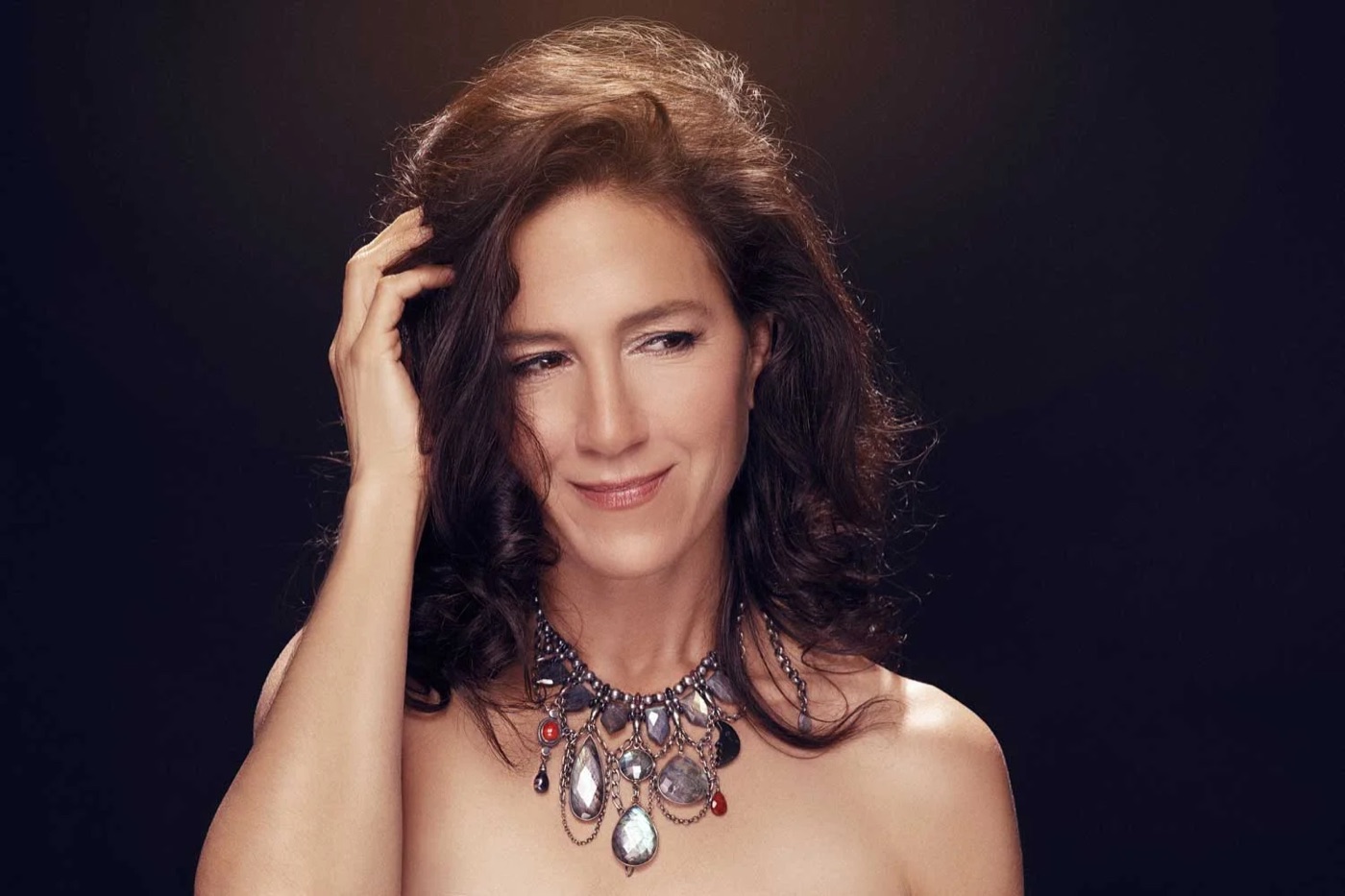

Donna De Lory was born in 1964 in Calabasas, California, and grew up in a musical family. Los Angeles is the place usually associated with her, and music was part of her life from the start: she has been performing since she was young. The public record offers few further details about her childhood, and this profile does not fill the gaps with guesses. What is clear is that she arrived in the working music world early and with a performer's instincts.
For many listeners, the first encounter with De Lory's voice came through Madonna. She toured as a backing vocalist and dancer from the Who's That Girl Tour in 1987 through the Confessions Tour in 2006, nearly two decades of stages, rehearsals and harmonies. Producer Patrick Leonard, who worked with Madonna, hired her and co-wrote her early debut singles. On those tours she formed a vocal trio with Madonna and fellow backup singer Niki Haris, a collaborator who remains part of her story.
Her voice also appears on recordings by Bette Midler, Carly Simon, Santana, Selena and Belinda Carlisle. That is a wide range of material, and it points to a singer prized for adaptability and ear. Many session-savvy fans recognize her voice before they know her own catalogue.
Her self-titled solo debut arrived on MCA Records and was a pop record. It could have been the start of a conventional pop career. Instead, her interest in world music pulled her work in another direction. Around that time she was given a harmonium, taught herself to play it, and has used it ever since.
That small, hand-pumped instrument changed the center of her music. The harmonium's sustained, drone-like tone suited the sung prayers and mantras she was drawn to, and it gave her a way to accompany herself directly rather than relying on a band. The shift appears deliberate rather than accidental: a pop veteran choosing slower, more spacious forms, and building a body of Sanskrit and English devotional songs that few artists from her background have attempted.
De Lory is regarded as a leading artist in the world devotional and yoga music genre. Her work sits within the bhakti tradition, in which devotion is expressed through sung names and sacred texts. The record does not show a named guru or formal initiatory lineage, so her connection to the tradition is best described as textual and formal: she works with mantra, chanting and Sanskrit sources, and she makes music meant to be sung and heard inside a practice.
What distinguishes her is the route she took. Many devotional artists come to the form through chant practice or scholarship. De Lory comes from session work, arena tours and a pop debut, and that shows in her arrangements, which keep the clarity of pop production while leaving room for sacred text. She works as her own arranger and producer, and the sparse, restrained quality of her albums reflects a consistent creative vision. Her voice is often described as supple and soaring, and on the devotional records it moves over spare settings where the words are clearly placed.
There is a tradeoff, and it is worth naming. Some purist listeners hear pop craft in the arrangements and wonder whether it softens the sacred material. Others find that precisely the appeal, since it opens the chants to people who might never otherwise enter the genre.
Her catalogue after the MCA debut includes The Lover & The Beloved, sung in Sanskrit and English; The Unchanging; Elixir: Songs of the Radiance Sutras; Here in Heaven; and Gone Beyond.
The Lover & The Beloved is the clearest statement of her devotional approach. Its bilingual structure lets a listener hear untranslated sacred text beside lyrics that can be followed line by line, which makes it a natural entry point. Elixir: Songs of the Radiance Sutras draws on a tantric text and places her work in a tradition that treats song as a method of practice rather than only entertainment. The later albums reward listeners already familiar with her harmonium-centered style.
Her longtime collaborators help sketch the studio side of this work. Cellist Cameron Stone has co-produced and worked on her albums since 1997. Guitarist James Harrah appears on multiple records, including Here in Heaven. Electronic producer Mac Quayle worked with her between 2003 and 2010 on projects including Sky Is Open and remix collections. Release dates for the albums are not documented here, so the official site or Apple Music is the place to check chronology.
De Lory continues to make and release devotional music, and her official website, donnadelory.com, greets visitors with a simple "Namaste." No upcoming events were confirmed for this profile, so those interested in live appearances should check the site directly. Her YouTube channel offers performance footage, and her Apple Music page is another place to follow new releases.
The audience for her music is specific. It includes people who already enjoy mantra, yoga or meditative listening, and who are willing to let slow, repetitive forms work over several listens. Her records are not built for those seeking club tempos, structured instruction or spoken teaching. They are music first, devotion first, entertainment second.
Her significance lies partly in the bridge she represents. A singer shaped by the largest stages in pop turned toward a quiet, unamplified kind of song and stayed there. For listeners who came to her through Madonna's tours or through a Santana or Carly Simon credit, she offers an unexpected doorway into Sanskrit chant. For yoga and devotional communities, she offers a voice trained to a professional standard, placed in service of old texts.
The public record lists no awards or major press mentions, and this article does not claim any. Her standing rests on the work itself and on a long, visible career. She has an English-language Wikipedia entry for those who want an outline. The more telling measure may be the consistency of the path: a self-taught harmonium, a bilingual songbook, and decades of singing, first behind a superstar and then in her own devotional voice.