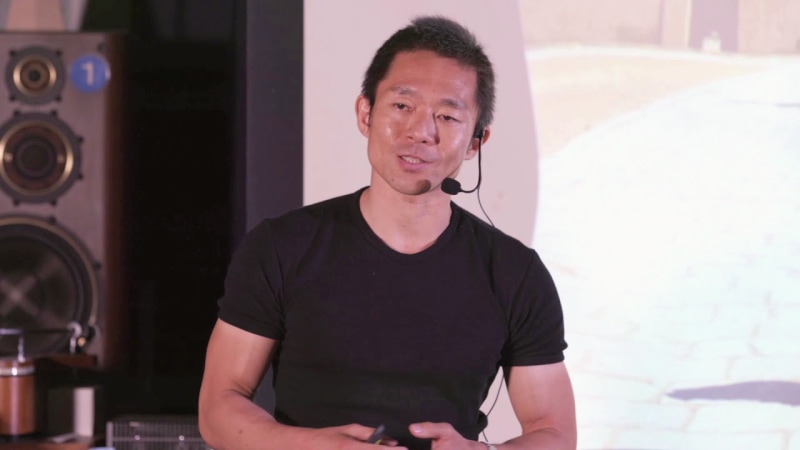
Yuki Kawae is a visual artist and Zen practitioner whose work exists at the intersection of traditional Buddhist contemplation and contemporary creative practice. Trained in both Zen meditation and visual arts, Kawae draws from Japanese aesthetic traditions while developing a personal language that reflects the integration of zazen and artistic process.
Kawae's approach is rooted in the lineage of Zen arts—ink painting, calligraphy, and the mindful attention cultivated through years of sitting practice. Rather than treating art and meditation as separate disciplines, Kawae's work embodies the principle that creative expression can itself be a vehicle for awakening. The deliberate pacing of brushwork, the economy of line, and the embrace of impermanence reflect core Zen teachings on presence and non-attachment.
Kawae has built a following through social media platforms where images of ink work, calligraphic practice, and contemplative visual studies appear alongside reflections on Zen practice. The work often features minimalist compositions, natural materials, and the aesthetic principles of wabi-sabi—finding beauty in simplicity and imperfection. This digital presence serves as both archive and practice diary, documenting the ongoing dialogue between formal meditation and creative output.
The biographical details of Kawae's training remain largely private, consistent with the Zen emphasis on direct experience over credential. What is clear is a sustained commitment to both the cushion and the studio, with work that reflects years of disciplined attention. The art does not illustrate Zen concepts so much as emerge from the same ground of awareness that sitting practice cultivates.
Kawae continues to maintain an active practice that integrates daily meditation with visual art-making. The work circulates primarily through online channels, reaching practitioners, artists, and those interested in the overlap between contemplative traditions and creative life. For anyone seeking a contemporary example of how Zen practice can inform and shape artistic work without reducing either to metaphor, Kawae's ongoing practice offers a quiet, sustained demonstration.