Beyond the Illusion of Self: Embracing Oneness with the Divine
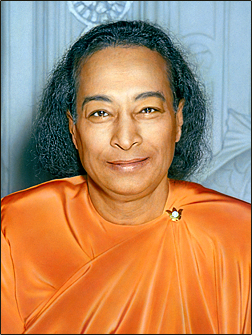
In the profound words of Paramahansa Yogananda, we are reminded not to dwell on the trivialities of our ego, for in the expansive sanctuary of our soul, we find our unity with the divine. This invitation to transcend the ego speaks to a fundamental truth in spiritual practice: the realization that our true essence is not confined to the narrow confines of self-identity but is instead a reflection of a greater cosmic reality. Understanding this distinction is crucial, as it shapes our spiritual journey and influences how we relate to ourselves and the world around us.
Yogananda's assertion challenges us to look beyond the distractions of our daily lives, where the ego often seeks validation and control. The stakes are high; the more we cling to our ego, the more we distance ourselves from the profound peace and joy that comes from recognizing our interconnectedness with all beings. This teaching is not merely philosophical; it is a call to action, urging us to engage in practices that cultivate awareness of our true nature and foster a deeper connection with the divine.
The image / the metaphor
The imagery in Yogananda's quote evokes a grand temple, a sacred space where the soul resides in communion with God. The term "great temple of the soul" suggests a vast, luminous sanctuary, contrasting sharply with the "petty, little ego," which is depicted as small and insignificant. This juxtaposition invites us to feel the weight of our spiritual potential against the fleeting nature of ego-driven concerns, encouraging us to shift our focus from the trivial to the transcendent.
Diving deeper into this metaphor, we can see the temple as a symbol of our inner sanctum, a place of worship and reverence for the divine within. The act of not watching the ego implies a conscious choice to redirect our attention toward the sacred aspects of our being. In this way, Yogananda invites us to cultivate an awareness that transcends the superficial layers of identity, allowing us to experience the profound oneness that exists between ourselves and the divine source of all creation.
In the speaker's tradition
Paramahansa Yogananda's teachings are deeply rooted in the rich tradition of Hindu philosophy, where concepts such as dharma, the moral order, and bhakti, the path of devotion, play pivotal roles. The notion of ego, or ahamkara, is often seen as a barrier to realizing our true self, or atman, which is inherently connected to Brahman, the ultimate reality. Yogananda's emphasis on transcending the ego aligns with the spiritual practice of kenosis, or self-emptying, which is essential for experiencing the fullness of divine love and unity.
In the context of sacred texts, the Bhagavad Gita offers a parallel exploration of these themes. In Chapter 2, verse 47, Krishna advises Arjuna to focus on his duty without attachment to the fruits of his actions, echoing Yogananda's call to rise above the ego's concerns. This timeless wisdom reinforces the idea that true fulfillment arises not from the pursuit of personal gain but from aligning ourselves with a higher purpose, ultimately leading us to the realization of our oneness with the divine.
Living the teaching
Consider a modern scenario where this teaching can be applied: a workplace filled with competition and ambition. In such an environment, the ego often thrives, leading individuals to prioritize personal success over collaboration and community. By consciously choosing to set aside ego-driven desires and embracing a mindset of service and unity, one can transform the workplace into a space of mutual support and shared purpose, fostering a culture that reflects the great temple of the soul.
Another application of Yogananda's teaching can be found in personal relationships, especially during conflicts. When disagreements arise, the ego tends to assert itself, creating barriers to understanding and compassion. By remembering the essence of oneness, we can approach these moments with empathy and a willingness to listen, allowing the divine connection to guide our interactions. This shift not only deepens our relationships but also nurtures a sense of peace that transcends the temporary turmoil of egoic clashes.
A reflection
As we contemplate Yogananda's profound invitation to look beyond the ego and recognize our unity with the divine, we are called to reflect on our own lives. What aspects of your ego do you find yourself clinging to, and how might letting go of these attachments open you to a deeper experience of oneness? This question invites us to engage in a contemplative practice, allowing the insights that arise to guide us toward a more harmonious existence.