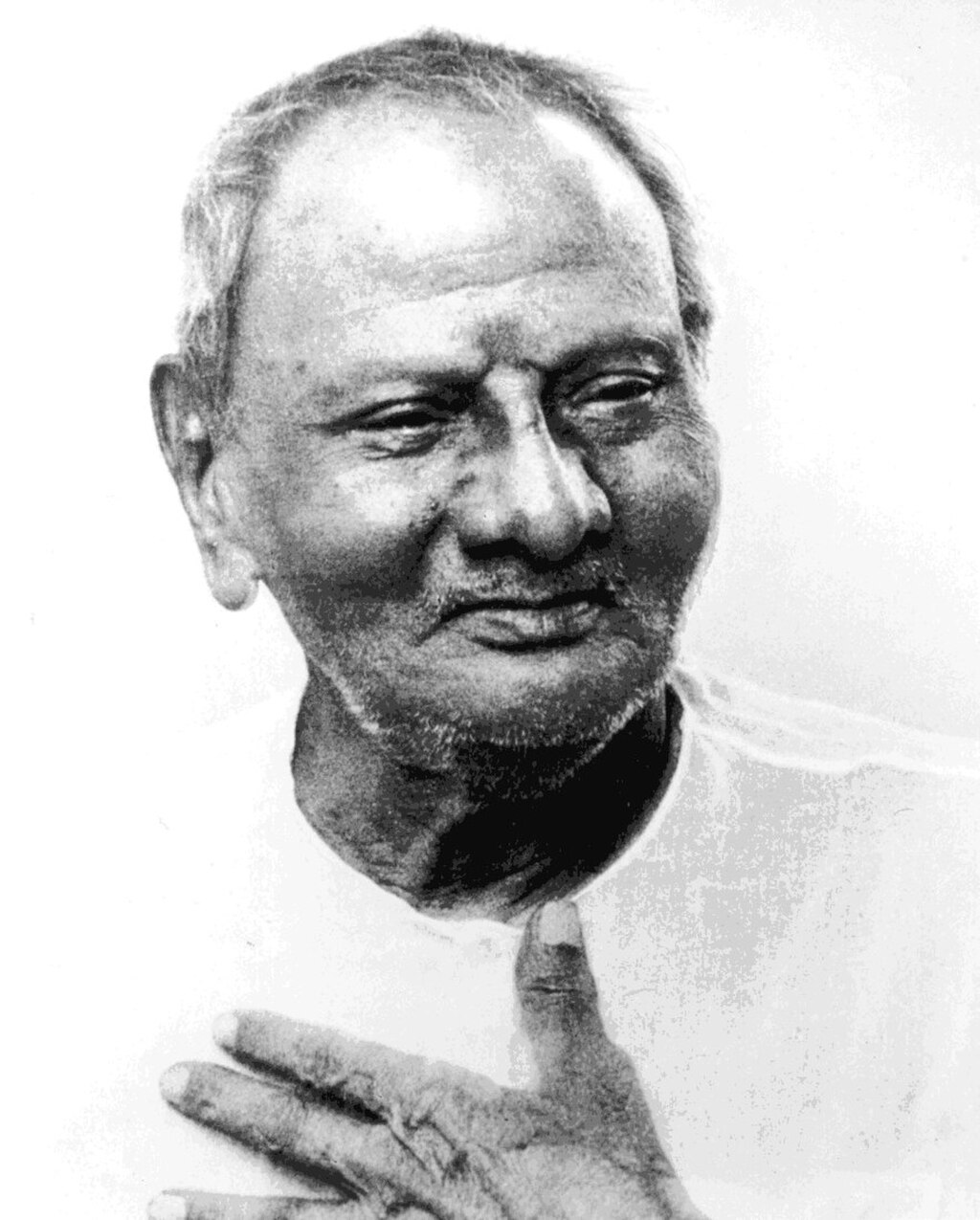
The Depth of Presence in Every Action
Nisargadatta Maharaj's profound statement, "Whatever you do, do it with the full awareness that you are," invites us to engage in our actions with a heightened sense of presence and consciousness. This call to awareness is not merely a suggestion; it is a profound reminder of the interconnectedness of our being and our doing. In a world often characterized by distraction and superficiality, this teaching beckons us to infuse our daily lives with intentionality and mindfulness, recognizing that our actions are expressions of our very existence.
To act with full awareness is to acknowledge the essence of our being in every moment. It challenges us to transcend the mundane and to see the sacred in our everyday tasks. This awareness is not a passive observation but an active engagement with life, where each action becomes a reflection of our true nature. By embracing this perspective, we cultivate a deeper understanding of ourselves and our place in the universe, fostering a sense of unity with all that is.
The image / the metaphor
The imagery in Maharaj's quote evokes a sense of wholeness and integration. The phrase "whatever you do" encompasses the entirety of human experience, suggesting that every action, no matter how trivial it may seem, holds the potential for profound significance. The verb "do" implies movement, action, and engagement, while "full awareness" calls for a conscious presence that transcends mere habit or routine. This juxtaposition creates a dynamic interplay between being and doing, urging us to recognize that our actions are not separate from our essence but are, in fact, manifestations of it.
Diving deeper into the metaphor, we can see that awareness serves as the lens through which we perceive our actions. When we act with awareness, we are not merely completing tasks; we are participating in the unfolding of life itself. This perspective transforms our experience from one of separation to one of unity, where each action becomes a sacred offering. The invitation to "do it with the full awareness that you are" encourages us to embody our true nature in every moment, allowing our actions to resonate with authenticity and purpose.
In the speaker's tradition
Nisargadatta Maharaj's teachings are rooted in the non-dual tradition, which emphasizes the unity of existence and the illusion of separation. Concepts such as dharma, the inherent nature of reality, and sunyata, the emptiness that underlies all phenomena, resonate deeply with his message. In this context, the call to act with awareness aligns with the practice of kenosis, or self-emptying, where one relinquishes the ego's grasp to embrace a more profound sense of being. This non-dual perspective invites us to recognize that our actions are not merely personal expressions but are interconnected with the fabric of existence itself.
A relevant text that echoes this sentiment is the "Ashtavakra Gita," which teaches that true freedom arises from the realization of our essential nature. Just as Maharaj emphasizes awareness in action, the Ashtavakra Gita encourages us to see beyond the dualities of success and failure, recognizing that our true self remains untouched by the fluctuations of life. Both texts invite us to cultivate a deep awareness that transcends the surface of our experiences, guiding us toward a more profound understanding of who we are.
Living the teaching
Consider a modern scenario where this teaching might resonate: a busy professional navigating a hectic workday. In the midst of meetings, emails, and deadlines, the challenge lies in maintaining awareness of one's true self. By consciously approaching each task with the understanding that "I am," the professional can transform routine activities into opportunities for mindfulness. This shift in perspective allows for a deeper connection to the work at hand, fostering creativity and presence amidst the chaos.
In a different context, imagine a relationship where misunderstandings often arise. By applying Maharaj's teaching, one partner can approach conversations with full awareness of their own feelings and the shared experience of being. This practice encourages active listening and empathy, allowing both individuals to connect on a deeper level. In moments of conflict, the reminder to act with awareness can serve as a grounding force, transforming potential discord into an opportunity for growth and understanding.
A reflection
As we contemplate Nisargadatta Maharaj's invitation to act with full awareness, we are called to reflect on our own lives. How often do we engage in our daily activities without truly being present? In what ways can we infuse our actions with a deeper sense of awareness, recognizing that each moment is an expression of our being? Let this question guide your contemplation: "What would change in my life if I approached each action with the full awareness that I am?"