BrightStar

Parcourir tous les Events

Découvre des rassemblements conscients

events

Yoga
Meditation
Breathwork
Qigong
Tai Chi
Sacred Music
World Music
Medicine Music
Sound Healing
Ecstatic Dance
Destinations populaires
BaliSedonaLos AngelesCosta RicaNew YorkSan FranciscoAustinMiamiJoshua TreeTulum
Voir toutes les catégoriesVoir toutes les destinations

Explorer toutes les fonctionnalités

Des outils puissants pour développer tes événements

Fonctionnalités de la plateforme

Tarification dynamique intelligente
Catégories de billets
Places assignées
Récupération des paniers abandonnés
Récupération des visiteurs
Dons & Prix variables
Système d'affiliation
Scanner de billets
Codes promo
Questions personnalisées
Partage de billets
Ventes additionnelles & Options
Analyses & Rapports
Séquences d'emails
Liste d'attente / Notifier / Rappeler
Personnes & Lieux
Artists & TeachersEvent OrganizersVenues & StudiosKnowledge BaseGlossaryInspiration
Voir toutes les fonctionnalitésÀ propos
TarifsBlog
Language
Saved events
Parcourir tous les événements

events

YogaMeditationBreathworkQigongTai ChiSacred MusicWorld MusicMedicine Music

Destinations populaires

BaliSedonaLos AngelesCosta RicaNew YorkSan Francisco

Personnes & Lieux

Artists & TeachersEvent OrganizersVenues & StudiosKnowledge BaseGlossaryInspiration

Fonctionnalités de la plateforme

Tarification dynamique intelligenteCatégories de billetsPlaces assignéesRécupération des paniers abandonnésRécupération des visiteursDons & Prix variablesSystème d'affiliationScanner de billetsCodes promoQuestions personnaliséesPartage de billetsVentes additionnelles & OptionsAnalyses & RapportsSéquences d'emailsListe d'attente / Notifier / Rappeler
Voir toutes les fonctionnalitésÀ propos
TarifsBlog
ConnexionChercheursCréateurs
  • Parcourir tous les Événements
  • Pour les chercheurs
  • Yoga
  • Méditation
  • Breathwork
  • Qi gong
  • Tai-chi
  • Musique sacrée
  • Musiques du monde
  • Musique médecine
  • Soins sonores
  • Danse extatique
  • Retraites
  • Ateliers
  • Toutes les catégories →
  • Bali
  • Sedona
  • Los Angeles
  • Costa Rica
  • Tulum
  • Byron Bay
  • San Francisco
  • Austin
  • New York
  • San Diego
  • Denver
  • Seattle
  • Portland
  • Miami
  • Toutes les villes →
  • Join the Movement
  • Why we list
  • Sell Globally
  • Pour les créateurs
  • Pour les équipes
  • Pour les écrivains
  • Pour les enseignants
  • Pour les artistes de kirtan
  • Pour les studios
  • Pour les festivals
  • Pour les centres de retraite
  • Pour les associations
  • Ambassadeur de marque
  • Études de cas
  • Billetterie gratuite
  • Elevate
  • Amplify
  • Réseau de 500K+ acheteurs
  • Récupération des paniers abandonnés
  • Tarification dynamique intelligente
  • Catégories de billets
  • Événements récurrents
  • Places assignées
  • Système d'affiliation
  • Liste d'attente / Notifier
  • Scanner de billets
  • Widget intégrable
  • Diffusion d'événements
  • Messagerie
  • Intégrations
  • Rapports
  • Toutes les fonctionnalités →
  • À propos
  • L'écosystème
  • Blog
  • Glossaire
  • Inspiration
  • Centre d'aide
  • Contact
  • Documentation API
  • Ressources de marque
  • Carrières
  • Presse
  • Conditions d'utilisation
  • Politique de confidentialité

Événements

  • Parcourir tous les Événements
  • Pour les chercheurs
  • Yoga
  • Méditation
  • Breathwork
  • Qi gong
  • Tai-chi
  • Musique sacrée
  • Musiques du monde
  • Musique médecine
  • Soins sonores
  • Danse extatique
  • Retraites
  • Ateliers
  • Toutes les catégories →

Destinations

  • Bali
  • Sedona
  • Los Angeles
  • Costa Rica
  • Tulum
  • Byron Bay
  • San Francisco
  • Austin
  • New York
  • San Diego
  • Denver
  • Seattle
  • Portland
  • Miami
  • Toutes les villes →

Pour les créateurs

  • Join the Movement
  • Why we list
  • Sell Globally
  • Pour les créateurs
  • Pour les équipes
  • Pour les écrivains
  • Pour les enseignants
  • Pour les artistes de kirtan
  • Pour les studios
  • Pour les festivals
  • Pour les centres de retraite
  • Pour les associations
  • Ambassadeur de marque
  • Études de cas
  • Billetterie gratuite
  • Elevate
  • Amplify

Fonctionnalités

  • Réseau de 500K+ acheteurs
  • Récupération des paniers abandonnés
  • Tarification dynamique intelligente
  • Catégories de billets
  • Événements récurrents
  • Places assignées
  • Système d'affiliation
  • Liste d'attente / Notifier
  • Scanner de billets
  • Widget intégrable
  • Diffusion d'événements
  • Messagerie
  • Intégrations
  • Rapports
  • Toutes les fonctionnalités →

Entreprise

  • À propos
  • L'écosystème
  • Blog
  • Glossaire
  • Inspiration
  • Centre d'aide
  • Contact
  • Documentation API
  • Ressources de marque
  • Carrières
  • Presse
  • Conditions d'utilisation
  • Politique de confidentialité
BrightStar
© 2026 BrightStar. Tous droits réservés.
Inspire

Rethinking Menstruation & Temple Worship in Modern Times

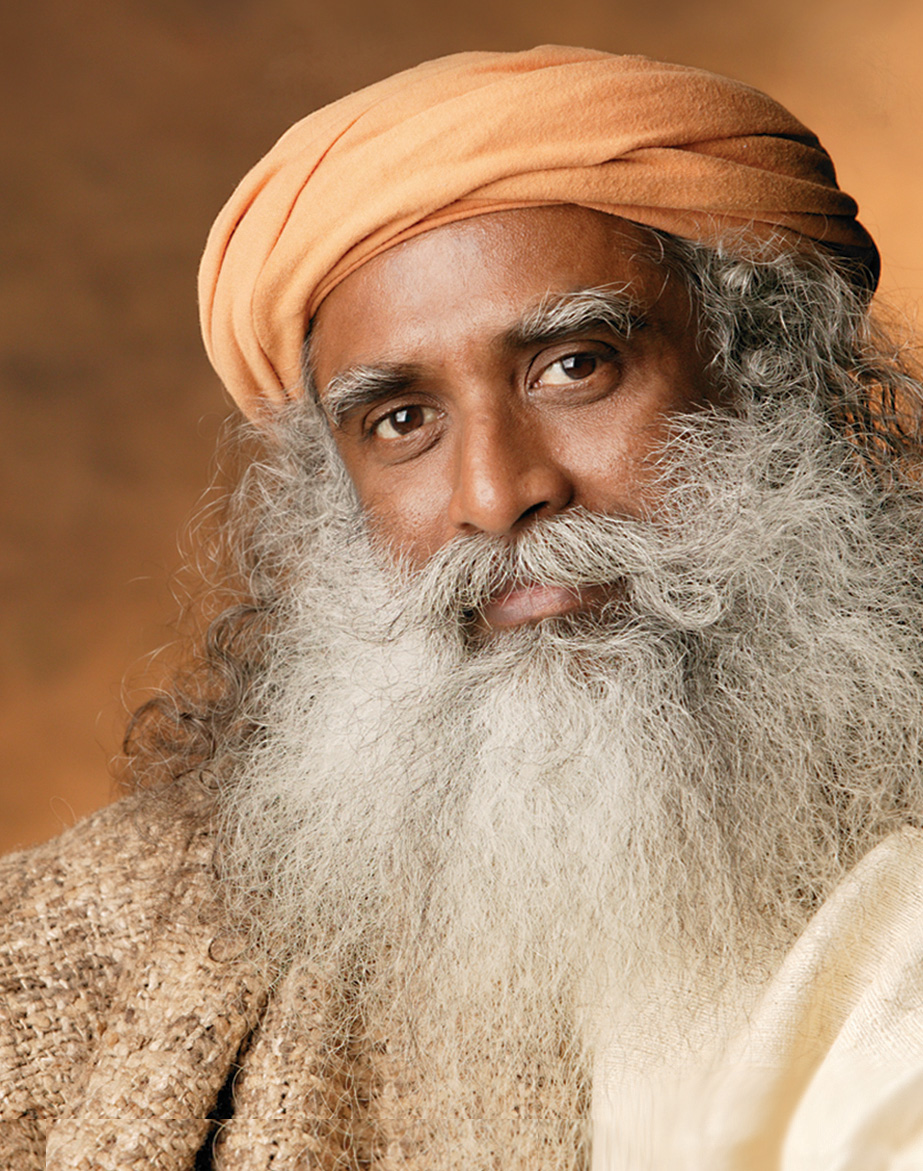
Sadhguru
Sadhguru
Oct 12, 2026
4 min de lecture
À regarder · 4
A woman stands at the temple threshold during Navratri, nine sacred days of worship, and hesitates. Can she enter? Can she pray? The question traces back centuries, rooted in a tradition that kept menstruating women away from sacred spaces—a rule so embedded in practice that few stop to ask why it ever existed. But when examined honestly, the real story isn't about purity or spiritual fitness. It's about rest. It's about survival in a world of endless, physical labor.

Lecture · 5 sections

Where the Rule Actually Came From

The prohibition didn't emerge from spiritual doctrine. It emerged from necessity. In pre-industrial societies, women carried the weight of entire households on their bodies. Every day was labor-intensive: cooking meant grinding grain by hand, cutting vegetables without machines, lifting heavy pots, fetching water from distant sources. There were no Sundays, no Mondays, no days off at all. Life was relentless.

Into this context came menstruation—a time of physical change that, in a body already pushed to its limits, demanded acknowledgment. The spiritual teaching that arose wasn't a punishment. It was permission. "You don't enter the kitchen," the tradition said. More broadly: you are given a break from everything. In societies without weekends or formal rest days, this cyclical reprieve was, perhaps, the only genuine holiday a woman received each month.

Puja—worship and ritual—was itself elaborate, physically demanding work. It wasn't a simple prayer spoken in passing. It required preparation, extended focus, and physical engagement. To be excused from it during menstruation meant genuine rest during a time the body needed it most.

When Context Changes, Does Tradition Remain Relevant?

The trap lies in applying yesterday's wisdom to today's reality without asking whether the original conditions still hold. Modern women don't spend their days grinding grain or hauling water. Many don't perform hard physical labor at all. The world that birthed the rule has transformed completely. Yet the rule often persists, stripped of its original meaning, worn thin into something that looks more like restriction than care.

This is the crucial distinction: examining tradition "from the wrong side of history, wrong side of times in which we are." The question isn't whether women should be able to worship—the answer to that is straightforward and immediate. The deeper inquiry is whether we understand *why* we do what we do. When a practice loses its original purpose, blindly maintaining it becomes dogma, not devotion.

Can Women Visit Temples During Navratri?

Yes. The door is open. But the real answer requires more than permission. It requires clarity: the historical restriction wasn't rooted in women's spiritual inadequacy or ritual pollution. It was a structure of mercy, designed for bodies in survival mode. Today, when that survival mode no longer defines most women's lives, clinging to the restriction as if it were eternal truth distorts both the original wisdom and the present moment.

Navratri, the nine-day festival honoring the Divine Feminine, takes on particular resonance here. The festival celebrates Shakti—divine feminine power—yet many women still feel they must exclude themselves from its observance. The irony cuts deep: to honor the feminine principle while denying feminine presence at the altar.

The Broader Pattern

This tension—between inherited practice and present reality—shows up in spiritual traditions everywhere. Not every rule was ever meant to be eternal. Some were solutions to specific problems in specific times. Wisdom lies in understanding the difference: in knowing which teachings are timeless principles and which are time-bound applications of those principles. To confuse the two is to mistake the finger pointing at the moon for the moon itself.

The work, then, is sensible examination. Not rejecting tradition wholesale, and not accepting it wholesale either, but looking at it clearly: What problem did this solve? Does that problem still exist? If not, what does wisdom look like now?

Where to go from here

If you menstruate and have felt excluded from spiritual practice, the invitation is open. If you practice a tradition with such restrictions, the inquiry is worth undertaking: What was this really for? And what does honoring both the original intention *and* present reality require now? That kind of discernment—rooted in compassion rather than ideology—is itself a form of worship.

Comments

Loading the conversation…

Transcript

[0:00] Namaskaram [music] Sadhguru.

[0:02] Can women pray or visit temples during

[0:05] menstruation, especially during

[0:07] Navratri?

[0:08] >> You can go.

[0:10] Wherever you

[0:13] >> [applause]

[0:15] >> I know there are some feminists, but let

[0:18] us look at this sensibly without any

[0:20] prejudice. You must understand this. Why

[0:23] these [music] things were spoken in the

[0:24] past? Tell me as a woman

[0:28] on those days of the month

[0:30] would you like [music] a break?

[0:33] Especially if it's hard physical work

[0:35] that you're doing.

[0:37] Hello?

[0:38] If it's very hard physical work because

[0:40] everything was physical in those days.

[0:42] Cooking was not like

[0:45] >> [music]

[0:45] >> you know you put it in the microwave

[0:48] not like that. There's cutting,

[0:50] grinding, lifting, bringing water,

[0:53] enormous amount of physical labor.

[0:56] So those days they said you don't enter

[0:58] the kitchen, you

[1:00] be.

[1:01] Now puja,

[1:02] worship you're talking about. Worship is

[1:05] not simply

[1:07] Okay, it was a it's an elaborate

[1:09] process. [music]

[1:11] So again, she got a break. If she's at

[1:14] that time of the month, she doesn't have

[1:16] to do it.

[1:18] So generally she was given break from

[1:20] everything because that's the only

[1:22] holiday she got in a month.

[1:24] There are no Sundays, Mondays, Fridays,

[1:26] nothing for her. But today that's not

[1:28] the case. We are looking at it from the

[1:30] wrong side of history, wrong side of

[1:33] times in which we are.

Sadhguru
ArtistSadhguru

Indian yogi, mystic, and founder of the Isha Foundation. Through his programs (Inner Engineering, Bhava Spandana, Samyama) and books, he has introduced millions worldwide to a cont…

Voir le profilSite web
Explorer les thèmes
MenstruationTemple-worshipNavratriSpiritual-traditionFeminine-spirituality

Des questions ?

Questions fréquemment posées

The restriction wasn't rooted in spiritual impurity but in practical mercy. In pre-industrial societies, women performed constant, intense physical labor—grinding grain, fetching water, heavy cooking. Menstruation was the one time they received genuine rest, and the rule excused them from both kitchen work and elaborate worship rituals. It was permission, not punishment.
Yes. The original conditions that created the rule—relentless physical labor and zero rest days—no longer apply for most modern women. Applying a time-bound practice to a transformed reality distorts both the original wisdom and present needs. The door to spiritual practice remains open regardless of menstrual cycle.
No. The historical teaching was never about spiritual pollution. It was a structure of care designed for bodies in survival mode. Understanding this difference—between the original intention and how it's often interpreted today—reveals that menstruation has never been a spiritual barrier to worship.
Examine the tradition sensibly: What problem was it solving? Does that problem still exist in your life? Wisdom lies in understanding which teachings are timeless principles and which are time-bound applications. Honoring both the original compassion and your present reality is itself a form of spiritual practice.
Navratri celebrates Shakti—divine feminine power. The irony of excluding women from this nine-day festival due to menstruation runs counter to its deepest teaching. The festival invites full presence and participation, including the embodied reality of feminine cycles.

Continuer la lecture

More from Sadhguru

Voir tout
Will AI Outpace Human Consciousness? A Closer Look
Inspire

Will AI Outpace Human Consciousness? A Closer Look

AI is machine evolution, not human evolution, argues a short Singapore talk. Whether it helps or harms depends on whether consciousness keep…

1 min read
Inspire Your Children to Listen Through Personal Example
Inspire

Inspire Your Children to Listen Through Personal Example

Don't demand obedience. Instead, become someone your children genuinely admire and want to emulate. That's the true foundation of parental i…

1 min read
Kirtan in India: Sacred Chanting Tour 2026
Inspire

Kirtan in India: Sacred Chanting Tour 2026

Nina Rao brings her kirtan practice to India this fall, offering chanting gatherings and workshops in Rishikesh, Bengaluru, and beyond.…

1 min read
Identity Without Memory: Who Remains in Pure Presence
Inspire

Identity Without Memory: Who Remains in Pure Presence

Eckhart Tolle explores what persists when memory, history, and future thought dissolve—the direct recognition of the I Am that exists before…

1 min read

Continue d’explorer

Poursuis ton chemin

Plus de sagesse et de rassemblements dans tout l’annuaire BrightStar.

Plus d’articles

Parcours toute la bibliothèque d’enseignements, d’entretiens et de guides.

Retour à tous les articles →

Enseignants et artistes

Découvre les lignées, les musiciens et les guides du monde conscient.

Explorer les artistes →

Trouver un événement

Kirtan, retraites, bains sonores, breathwork, festivals — bientôt près de chez toi.

Parcourir les événements →